
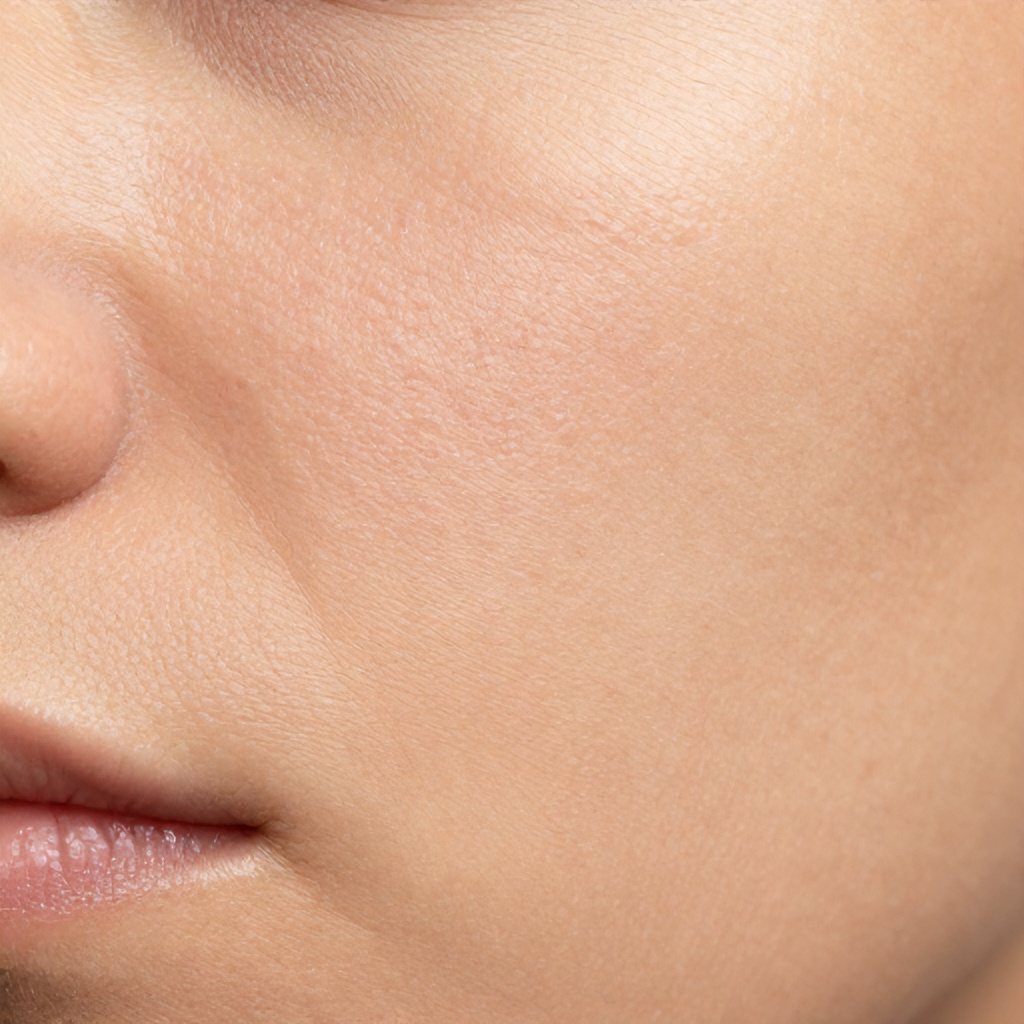
Real skin, especially acne-prone skin, has texture, visible pores, and often exhibits a range of imperfections when viewed up close, a reality often obscured by filters and heavy retouching in media.

The True Face of Skin Texture
In a world saturated with airbrushed images, it is easy to forget what human skin actually looks like. We are constantly bombarded with pictures of flawless complexions, leading many to believe that a perfectly smooth, poreless surface is the norm. The truth, however, is far more intricate and interesting. Every individual’s skin possesses a unique topography, a landscape of subtle hills and valleys, fine lines, and the ever-present openings we call pores. For those with acne-prone skin, this dermal texture can be even more pronounced, featuring a variety of characteristics that are completely normal and part of a living, breathing organ.
When you take a close-up photograph of skin, particularly with macro photography, you start to appreciate the incredible detail that is usually invisible to the naked eye. You see the subtle sheen of natural oils, the fine hairs, and the intricate patterns of the skin’s surface. This realistic skin depiction is a powerful reminder that skin is not a flat canvas, but a dynamic, three-dimensional structure. Embracing this perspective helps us move away from unrealistic beauty standards and toward a healthier understanding of our own skin health.
Understanding Visible Pores
Pores are tiny openings in the skin that release sweat and sebum, the skin’s natural oil. Everyone has them, everywhere on their body. On the facial skin, especially in the T-zone (forehead, nose, and chin), they can appear more prominent, often described as visible pores or enlarged pores. The size of your pores is largely determined by genetics, but other factors like age, sun exposure, and skin type play a significant role. Oily skin, for example, tends to have more visible pores because the sebaceous glands produce more oil, which can make the pore openings appear larger.
When excess sebum, dead skin cells, and sometimes bacteria get trapped in these pores, they can become congested skin. This congestion can stretch the pore walls, making them look even more pronounced. This is a common characteristic of acne-prone skin. It’s important to remember that pores do not “open” and “close” like windows; their size is relatively fixed, but their appearance can be minimized or emphasized depending on their cleanliness and the surrounding skin’s health.
The Landscape of Breakouts and Blemishes
Acne-prone skin is, by definition, susceptible to breakouts. These skin blemishes manifest in various forms, each contributing to the overall uneven skin surface and dermal texture. Understanding these different types of skin irregularities helps in appreciating the complex nature of acne.
-
Papules: These are small, red, tender bumps that lack a white head. They form when clogged pores become inflamed. They feel like small, solid elevations on the skin.
-
Pustules: Similar to papules, but they have a white or yellow center of pus. These are what most people think of as “pimples.” They are a clear sign of inflammation and bacterial activity within the pore.
-
Nodules: These are large, solid, painful lumps that are deeper within the skin. They develop when clogged pores rupture beneath the surface, causing a more severe inflammatory reaction. Nodules can persist for weeks or months.
-
Cysts: These are large, painful, pus-filled lesions that are even deeper than nodules. They resemble boils and can cause significant pain and often lead to acne scarring. Both nodules and cysts contribute significantly to the rugged skin topography seen in severe acne.
Each of these types of breakouts adds to the varied texture of acne-prone skin, creating areas of elevation, redness, and sometimes tenderness. A close-up view vividly displays these individual characteristics, painting a picture of active inflammation and healing processes occurring simultaneously on the skin’s surface.
The Lingering Effects: Acne Scarring and Post-Inflammatory Hyperpigmentation
Beyond active breakouts, acne can leave behind a lasting legacy in the form of acne scarring and post-inflammatory hyperpigmentation (PIH). These marks significantly alter the skin’s texture and natural skin tone, creating further skin irregularities.
-
Acne Scarring: Scars develop when deep breakouts damage the collagen and elastin fibers in the skin. There are several types:
-
Ice Pick Scars: Small, deep, narrow indentations that resemble punctures from an ice pick. They are often difficult to treat because of their depth.
-
Boxcar Scars: Broader, box-like depressions with sharp, defined edges. They are wider than ice pick scars and vary in depth.
-
Rolling Scars: Wide, shallow depressions that give the skin a wavy, uneven appearance. They are caused by damage to the underlying fat and fibrous tissue, creating an undulating skin surface.
These scars create permanent changes in the skin’s topography, making the surface feel and look uneven. A close-up reveals the distinct shadows and contours created by these depressions and elevations.
-
-
Post-Inflammatory Hyperpigmentation (PIH): This refers to the dark spots left behind after a breakout has healed. These spots can range from red to brown to black, depending on your natural skin tone. PIH is not a scar in the traditional sense, as it doesn’t involve changes in skin texture, but it does affect the skin’s color uniformity. However, it often accompanies textural changes from scarring, creating a complex visual of skin imperfections. PIH occurs when inflammation from a pimple stimulates an overproduction of melanin, the pigment that gives skin its color.
Both acne scarring and PIH are common dermatological issues that contribute to the overall appearance of unretouched skin, highlighting the journey of healing and regeneration that the skin undergoes.
The Skewed Lens: Why Our Perception is Often Wrong
The biggest reason many people struggle with accepting their natural skin texture, especially if it’s acne-prone, is the pervasive influence of digital media. Social media platforms, advertisements, and even many beauty blogs often present an unrealistic depiction of skin. Filters smooth out every pore, blemishes disappear with a tap, and skin tone becomes perfectly even. This creates a “perfect skin” myth, setting an unattainable standard that can be damaging to self-esteem.
When we only see highly curated, retouched images, our brains start to normalize this artificial perfection. We then compare our own realistic skin depiction, with all its natural variations and imperfections, to these impossible ideals. This constant comparison can lead to feelings of inadequacy, anxiety, and a relentless pursuit of flawlessness that simply doesn’t exist in the real world. Recognizing that these images are often heavily manipulated is the first step toward a healthier relationship with your own skin.
The movement toward showcasing unretouched skin is gaining traction, and for good reason. It promotes body positivity and helps demystify the appearance of skin. Seeing real skin with its pores, fine lines, and occasional breakouts reminds us that these are normal human attributes, not flaws to be hidden or ashamed of. It shifts the focus from achieving an impossible ideal to fostering genuine skin health and self-acceptance.
Caring for Acne-Prone Skin Texture: Practical Steps
While embracing your natural skin is important, caring for acne-prone skin can also help manage visible pores and reduce the frequency and severity of breakouts, leading to a smoother overall skin surface. The goal isn’t perfection, but rather promoting skin health and comfort.
Gentle Cleansing and Exfoliation
Start with a gentle cleanser twice a day. Harsh scrubbing can irritate the skin and worsen breakouts. Look for cleansers containing salicylic acid, a beta-hydroxy acid (BHA) that penetrates oil and helps to unclog pores. This can be particularly effective for congested skin and reducing the appearance of enlarged pores.
Chemical exfoliants, like AHAs (alpha-hydroxy acids) or BHAs, can help shed dead skin cells and improve skin texture. Use them a few times a week, not daily, to avoid over-exfoliation. Over-exfoliating can disrupt the skin barrier, leading to more irritation and potentially more breakouts. Physical scrubs should be used with extreme caution, if at all, as they can cause micro-tears and spread bacteria on already sensitive, acne-prone skin.
Targeted Treatments
Incorporating specific treatments can make a big difference. Retinoids, such as tretinoin or adapalene, are gold standards for acne treatment. They work by increasing cell turnover, preventing pores from clogging, and reducing inflammation. They can also help improve the appearance of fine lines and some types of acne scarring over time. Start slowly with retinoids, as they can cause initial dryness and irritation.
Other active ingredients include benzoyl peroxide, which kills acne-causing bacteria, and azelaic acid, which helps reduce redness and inflammation, often beneficial for post-inflammatory hyperpigmentation. Niacinamide is another excellent ingredient that can help with pore appearance, redness, and overall skin barrier function.
Hydration and Sun Protection
Even oily skin needs moisture. A lightweight, non-comedogenic moisturizer helps maintain the skin’s barrier function, preventing it from overproducing oil to compensate for dryness. Hydrated skin is healthier skin, and a strong skin barrier is better equipped to fight off irritants and bacteria.
Sun protection is non-negotiable, especially when using active ingredients that can increase sun sensitivity. UV exposure can worsen post-inflammatory hyperpigmentation and hinder the healing process of breakouts. Use a broad-spectrum sunscreen with an SPF of 30 or higher daily, even on cloudy days. This also protects against premature aging and helps maintain a more even natural skin tone.
Professional Interventions for Persistent Concerns
For more stubborn acne scarring, significant enlarged pores, or persistent breakouts that don’t respond to topical treatments, dermatological issues may require professional help. Options include:
-
Chemical Peels: These use stronger acids to remove outer layers of skin, improving texture and reducing PIH.
-
Microdermabrasion or Microneedling: These procedures stimulate collagen production, which can improve the appearance of shallow acne scars and overall skin topography.
-
Laser Therapy: Various lasers can target redness, pigmentation, and stimulate collagen for scar revision. Fractional lasers are particularly effective for improving uneven skin surface.
-
Prescription Medications: Oral antibiotics or isotretinoin (Accutane) may be prescribed for severe or cystic acne.
Consulting a dermatologist is the best way to develop a personalized treatment plan for your specific skin irregularities and concerns.
Embracing Your Natural Skin: A Shift in Perspective
Ultimately, the most powerful tool in dealing with the realistic close-up of acne-prone skin texture with visible pores is a shift in perspective. Our skin tells a story – a story of life, experiences, and resilience. Every pore, every healed blemish, every subtle line contributes to the unique beauty that is you.
Instead of viewing these characteristics as flaws, try to see them as part of your authentic self. The pursuit of an unachievable, filtered ideal can be exhausting and detrimental to mental well-being. Focus on fostering healthy skin, not “perfect” skin. This means consistent, gentle care, protecting it from damage, and nurturing it from within through a balanced lifestyle.
Your skin is a living organ, constantly adapting and renewing itself. It’s okay for it to have texture, to show signs of its journey. When you look at your unretouched skin in a close-up photograph, try to do so with kindness and curiosity, rather than judgment. This journey of self-acceptance is just as important as any skincare routine in building confidence and appreciating the genuine beauty of your own dermal texture.