Skip to content

Join my May Reset!
Home
Recipe Index
4.63 from 16 votes
Mediterranean Quinoa Bowl
Brittany Mullins
Updated Feb 28, 2025
GF Gluten-Free
VG Vegetarian
Jump to Recipe ▼
18 Comments
Servings: 4
40 mins
This post may include affiliate links. Thank you for your support.
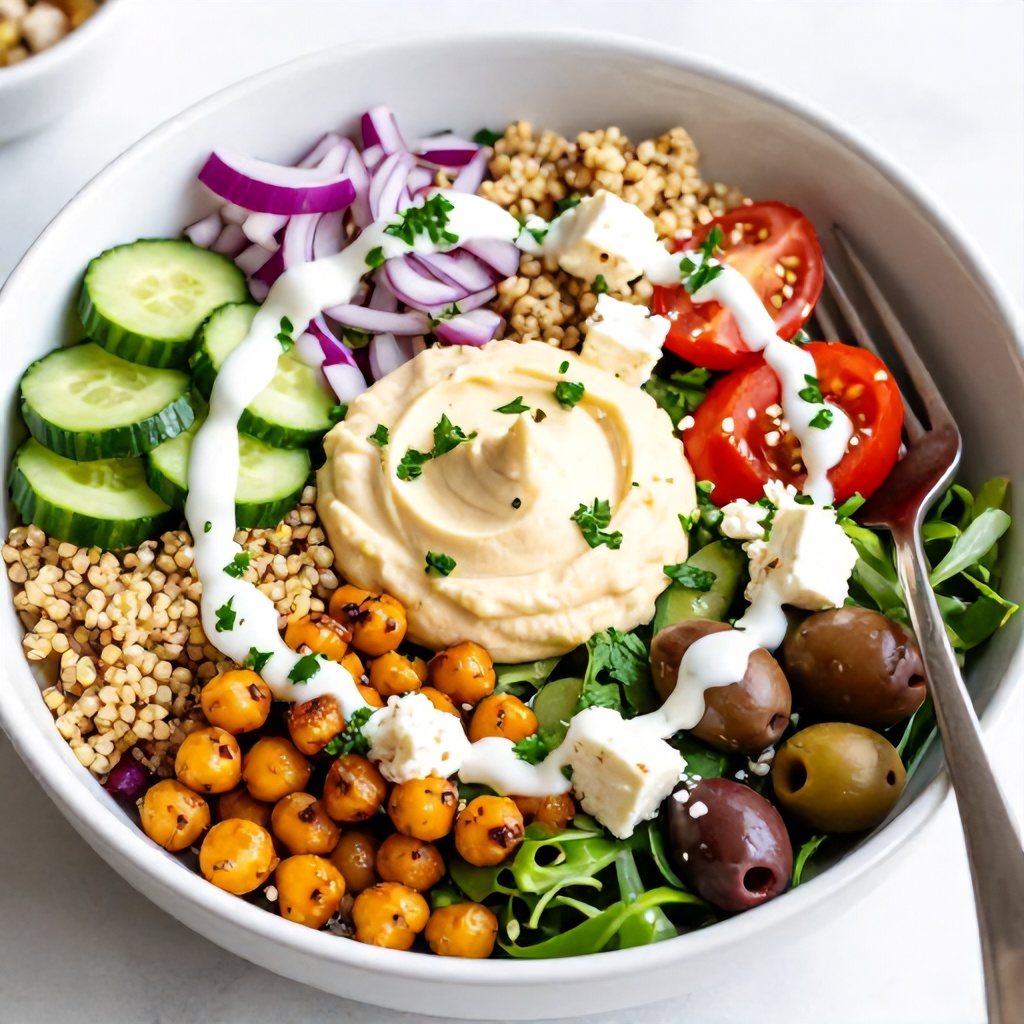
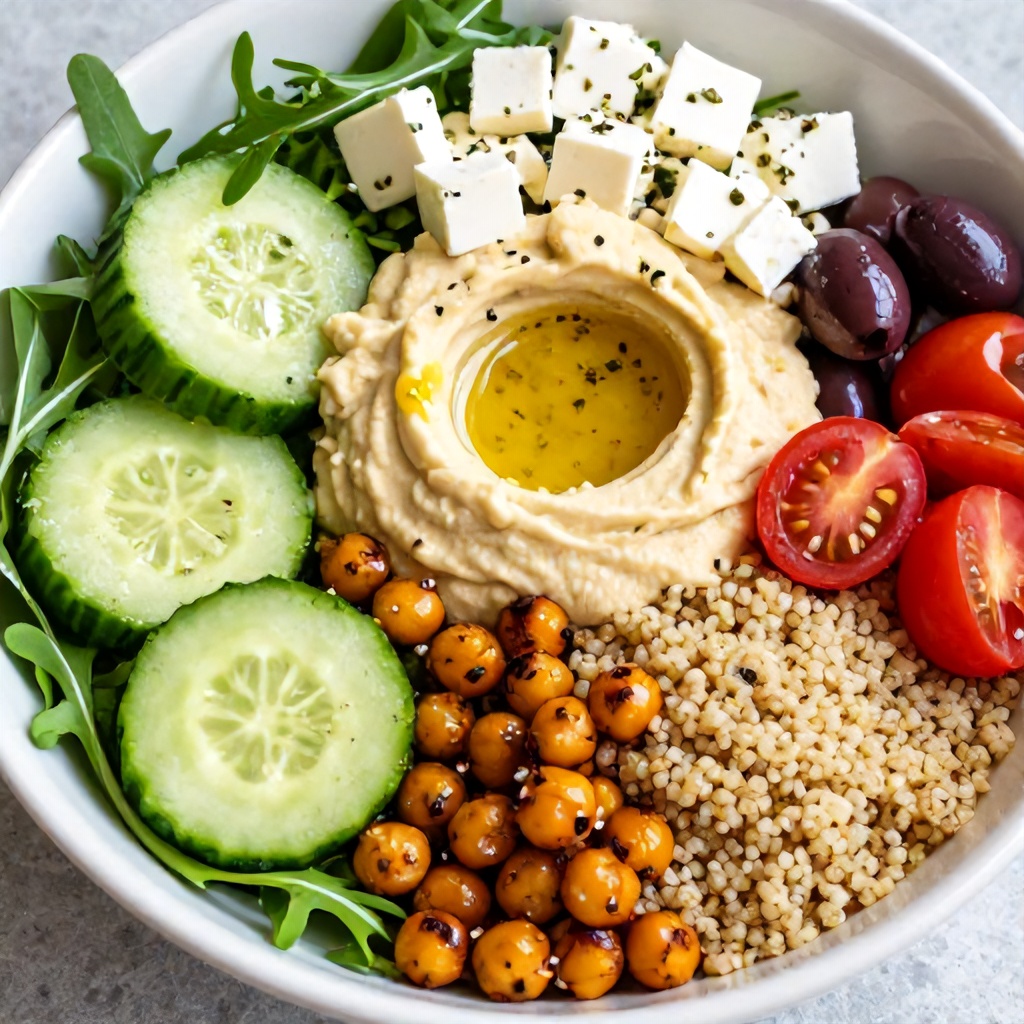
This Mediterranean quinoa bowl brings together fluffy quinoa, crispy roasted garbanzo beans, fresh spinach, sharp red onion, salty kalamata olives, and creamy feta cheese, all finished with a bright lemon vinaigrette and cooling tzatziki sauce. It serves as a perfect example of how Mediterranean cuisine relies on wholesome ingredients to create a satisfying, nutrient-dense bowl that keeps you full for hours. Because it holds up well in the fridge, this dish is a staple for anyone looking to simplify their healthy meal prep routine without sacrificing the complex flavor profile that makes plant-based protein so enjoyable.
Why This Bowl Works for Your Weekly Routine
Finding reliable gluten-free vegetarian meals that actually taste like a treat can be a challenge. Most people struggle with the mid-week slump where energy levels dip and the temptation to order takeout becomes overwhelming. This recipe solves that by focusing on balanced nutrition. You get a steady release of energy from the complex carbohydrates in the quinoa, while the roasted chickpeas provide the necessary plant-based protein to keep your muscles happy.
If you are new to cooking quinoa, think of it like pasta. You want to cook it until the little germ separates from the seed, creating a tiny white ring. Always rinse your quinoa under cold water before boiling to remove the natural coating called saponin, which can sometimes taste bitter.
Beyond the macros, this bowl is a masterclass in texture. You have the soft, nutty bite of the grain, the crunch of the roasted garbanzo beans, and the snap of fresh produce like cucumbers and cherry tomatoes. It is vegetable-forward, meaning you are getting a massive dose of dietary fiber in every bite. When you eat this way, your digestion stays on track and your blood sugar remains stable throughout the afternoon.
The Essential Ingredients
Great food starts with quality pantry staples. You do not need a professional kitchen to pull this off. Most of these items are likely already sitting in your cupboards or can be grabbed at any local grocery store.
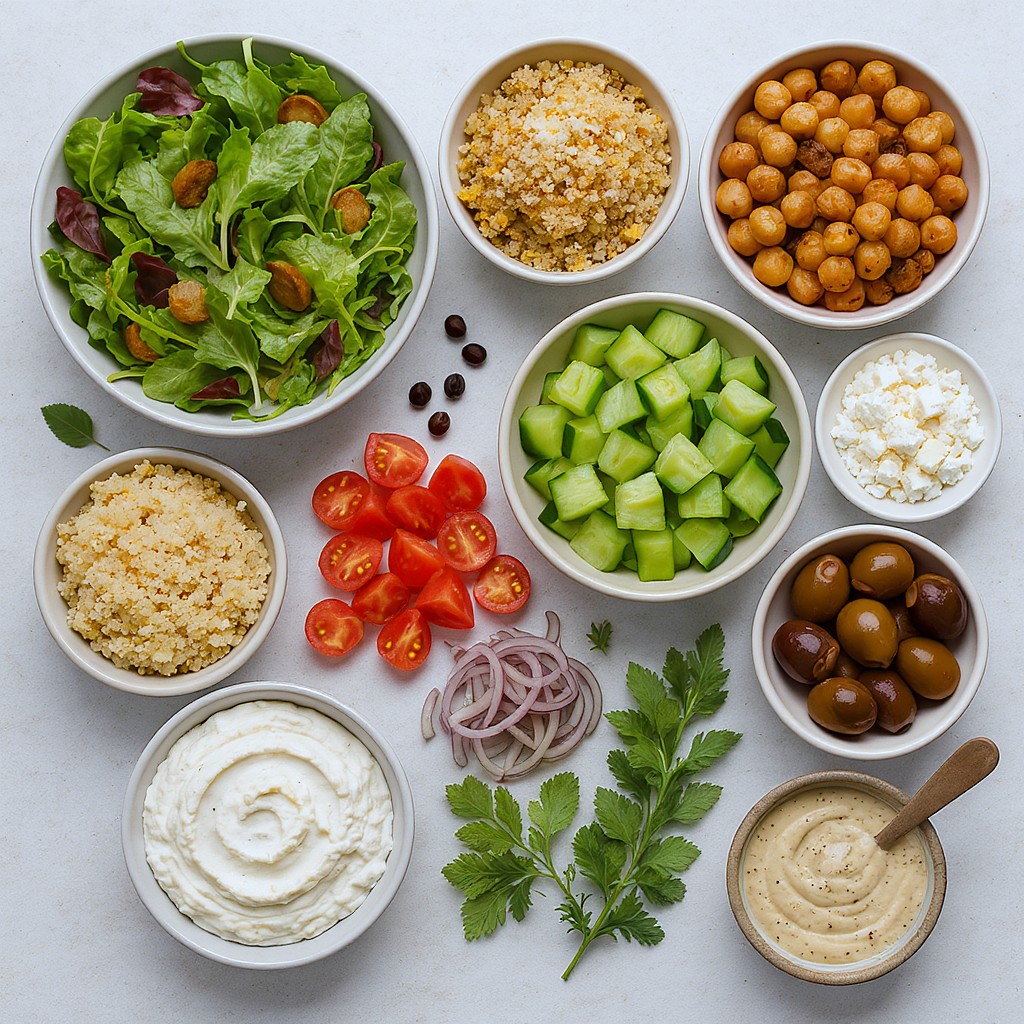
- Quinoa: The foundation of your meal. It is a complete protein, meaning it contains all nine essential amino acids.
- Chickpeas: These are the stars of the show. When roasted, they transform from soft legumes into crunchy, savory nuggets.
- Fresh Produce: Baby spinach, crisp cucumbers, and sweet cherry tomatoes provide the vitamins and hydration needed for a clean eating lifestyle.
- Flavor Boosters: Kalamata olives and feta cheese bring the signature Mediterranean tang that makes this dish feel like a restaurant meal.
- Dressings: A homemade lemon vinaigrette and a dollop of tzatziki sauce tie everything together with a bright, acidic finish.
Mastering the Roasted Chickpea
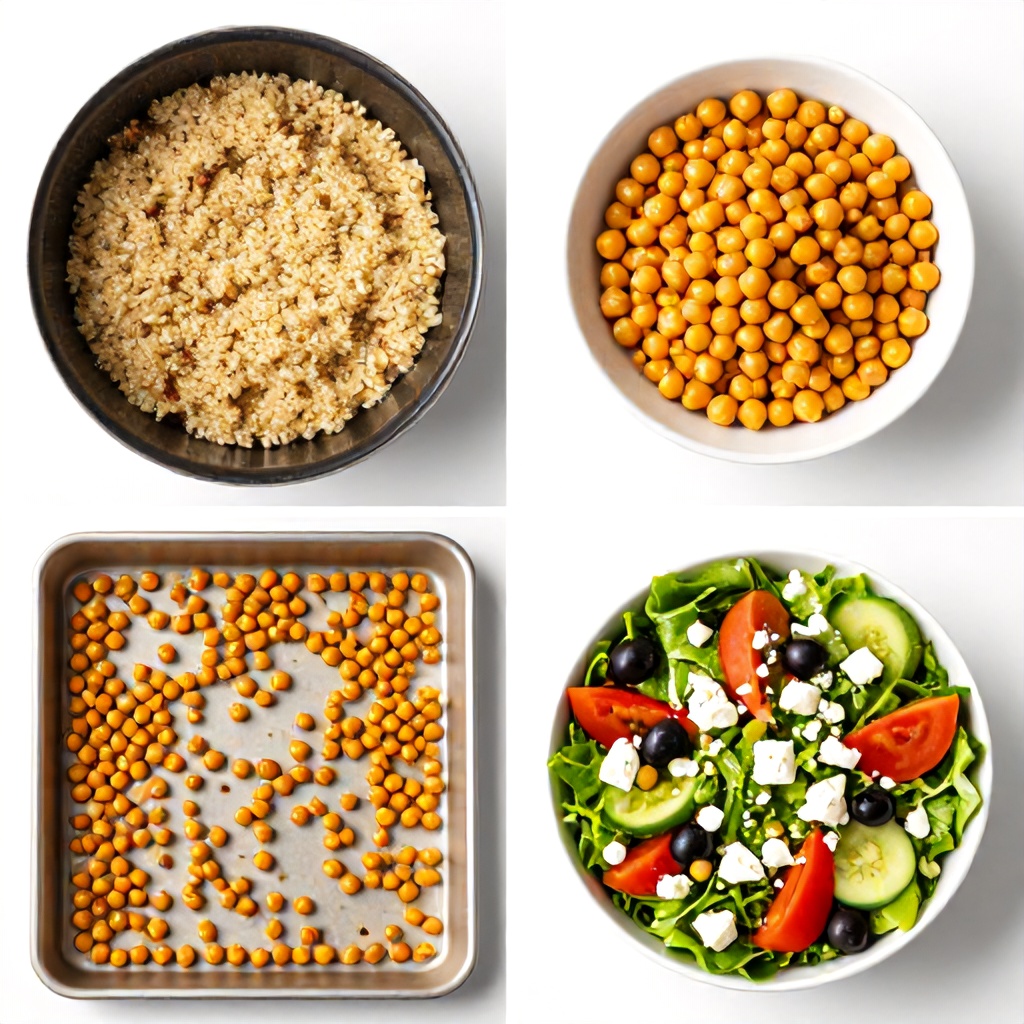
Many people find roasted chickpeas intimidating, but the process is quite simple. The secret is moisture control. After rinsing your canned beans, pat them completely dry with a clean kitchen towel. If they are wet, they will steam instead of crisping up in the oven. Toss them in a high-quality olive oil and your favorite culinary herbs—think smoked paprika, cumin, or dried oregano. Spread them in a single layer on a baking sheet so they have room to breathe. If they are crowded, they will turn mushy rather than crunchy.
Step-by-Step Preparation
- Start by cooking the quinoa. Combine one cup of dry quinoa with two cups of water or vegetable broth. Bring it to a boil, then drop the heat to low and cover. Let it simmer for fifteen minutes. Once the water is absorbed, remove it from the heat and let it sit with the lid on for another five minutes. Fluff it with a fork.
- While the quinoa cooks, prepare the chickpeas. Preheat your oven to 400 degrees Fahrenheit. Toss the dried chickpeas with olive oil, salt, and spices. Roast them for twenty to twenty-five minutes, shaking the pan halfway through to ensure even browning.
- Chop your vegetables while the oven does the heavy lifting. Dice the cucumbers and red onion into uniform pieces so you get a bit of everything in every forkful.
- Whisk the lemon vinaigrette in a small jar. Combine olive oil, fresh lemon juice, a splash of apple cider vinegar, Dijon mustard, and a touch of honey. Shake it vigorously until it emulsifies into a creamy, tangy dressing.
- Assemble the bowls by layering a base of spinach, followed by a scoop of quinoa, the roasted chickpeas, and your chopped vegetables. Top with olives and feta, then drizzle generously with the vinaigrette and a large spoonful of tzatziki.
Be careful not to overdress the bowls if you are prepping them for later in the week. Store the dressing in a separate small container and add it right before you eat. This prevents the spinach from wilting and keeps the quinoa from becoming soggy.
Customizing Your Mediterranean Experience
One of the best things about Mediterranean diet recipes is their flexibility. If you do not have spinach, use arugula or massaged kale. If you are not a fan of feta, goat cheese or even a sprinkle of nutritional yeast can provide that savory, salty kick. For those who want more protein, grilled chicken or hard-boiled eggs work beautifully alongside the chickpeas.
This bowl is inherently macro-friendly, making it easy to adjust if you are tracking your intake. You can increase the portion of vegetables to lower the calorie density or add extra chickpeas if you need more protein after a workout. It is a versatile template that adapts to your specific needs without requiring a total overhaul of your grocery list.
Why Meal Prep Matters
Healthy lunch ideas often fail because we wait until we are starving to decide what to eat. By prepping the components of this bowl on a Sunday, you remove the decision fatigue that leads to poor choices. Cook a large batch of quinoa, roast two cans of chickpeas, and chop your veggies. Store them in separate containers in the fridge. When lunch time arrives, you simply assemble your bowl in under two minutes.
This method of food preparation is not just about saving time. It is about creating a sustainable habit. When you have a delicious, nutrient-dense bowl waiting for you, you are far less likely to spend money on processed snacks or fast food. It is a small investment of time on the weekend that pays dividends in how you feel throughout the work week.
Frequently Asked Questions
Can I use frozen vegetables in this bowl?
While fresh produce is preferred for the best crunch, you can certainly use frozen vegetables if that is what you have. Just make sure to thaw and drain them thoroughly before adding them to the bowl to avoid excess water.
How long will these bowls stay fresh in the fridge?
Stored in airtight containers, these components will stay fresh for up to four days. Keep the dressing separate to maintain the best texture for the greens and the roasted chickpeas.
Is this recipe suitable for a vegan diet?
Yes, simply omit the feta cheese or swap it for a plant-based feta alternative. Ensure your tzatziki is made with a dairy-free yogurt base, such as coconut or almond yogurt, to keep it strictly vegan.
The Power of Fresh Herbs
Never underestimate the impact of fresh herbs. While dried spices are great for the roasting process, fresh parsley, dill, or mint added at the end of the assembly process brings a brightness that dried herbs simply cannot match. These culinary herbs are packed with antioxidants and provide a clean, aromatic finish that makes the entire dish feel elevated. If you have a windowsill, growing a small pot of parsley or mint is a fantastic way to ensure you always have these flavor-boosters on hand.
The combination of the lemon vinaigrette and the cooling tzatziki sauce creates a flavor profile that is both zesty and soothing. The acidity of the lemon cuts through the richness of the feta, while the yogurt-based tzatziki provides a creamy mouthfeel that balances the earthiness of the quinoa. It is a sophisticated interplay of tastes that feels far more complex than the time it takes to prepare.
As you continue to explore Mediterranean cuisine, you will find that these bowls are just the beginning. The principles of using whole grains, healthy fats, and plenty of vegetables can be applied to countless other meals. Whether you are looking for a quick dinner or a reliable lunch, this Mediterranean quinoa bowl is a foundational recipe that deserves a permanent spot in your rotation.
Remember that healthy eating is not about perfection. It is about consistency. By choosing meals that are packed with fiber, protein, and fresh ingredients, you are fueling your body in a way that supports your long-term wellness. Enjoy the process of mixing and matching these ingredients, and do not be afraid to experiment with different spices or seasonal vegetables as the year progresses.