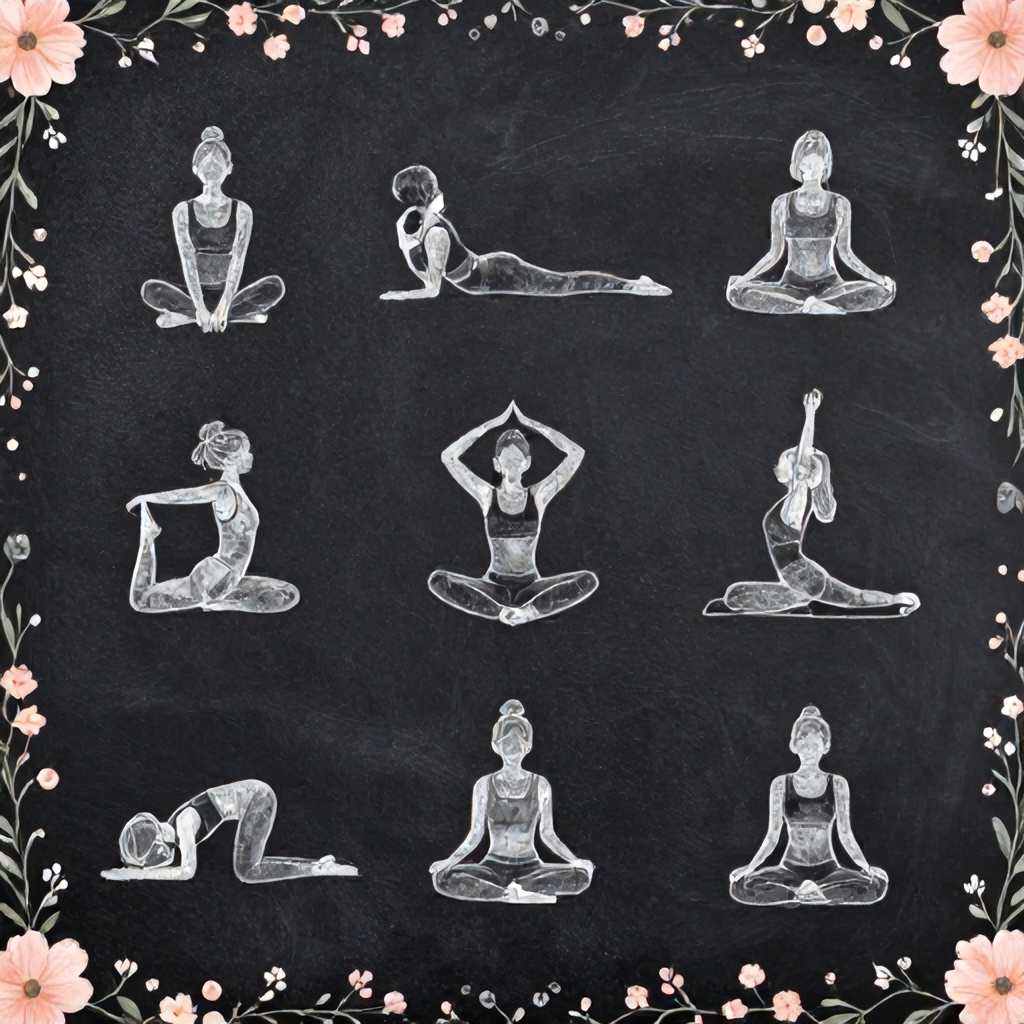
A chalkboard yoga infographic simplifies the often-overwhelming world of diverse yoga styles, presenting complex information in an easy-to-digest and visually appealing format for everyday readers.

Why a Chalkboard Yoga Infographic?
Imagine a beautiful visual aid that breaks down the many paths of yoga. That’s precisely what a well-designed infographic can do. Its purpose is to be both informative and engaging, offering a quick yet comprehensive overview of various yoga practices without feeling like a textbook. The charm of a chalkboard background, for instance, evokes a sense of nostalgic learning, making the educational content feel approachable and warm.
This particular thematic design uses a chalk-like aesthetic to present different yoga types, making the learning process feel less intimidating and more like a delightful discovery. It’s a fantastic way to introduce newcomers to the breadth of yoga variations available, helping them find a style that resonates with their personal goals and preferences.
The Visual Appeal
The beauty of such an infographic lies in its artistic style. Picture a dark, rich chalkboard background, perhaps with subtle texture, acting as the canvas. Around the edges, a delicate floral border in soft pastel hues adds a touch of organic elegance, softening the overall look and inviting the eye to linger. Each distinct yoga style would be represented by a colorful icon, rendered with a chalk-like effect, making it pop against the darker surface. This visual representation isn’t just pretty; it helps differentiate each section immediately.
These decorative elements, from the border to the individual icons, contribute to a cheerful mood, making the infographic not just useful but also a pleasure to behold. The thematic background ensures consistency, while the illustrative content uses simple, clear drawings or symbols to convey the essence of each practice. It’s an artistic rendering that makes learning about yoga feel like an inspiring journey, not a chore.
Exploring Diverse Yoga Styles
The heart of this infographic is its exploration of diverse yoga styles. It aims to provide descriptive text for each, highlighting their unique characteristics, benefits, and typical approaches. This isn’t about deep philosophical dives, but rather practical insights that help you understand what to expect from each type of class or practice. From the gentle to the vigorous, there’s truly a yoga style for everyone, and this visual guide helps illuminate those options.
Each section on the infographic would feature a concise summary, perhaps a few bullet points detailing key aspects, and an illustrative pose or symbol. This content illustration makes it easy to skim and absorb information quickly, fulfilling the promise of an informative visual aid.
Hatha Yoga: The Foundation
Hatha yoga is often considered the root of many modern yoga practices. It focuses on basic poses (asanas) and breathing techniques (pranayama), holding each pose for several breaths. This style is excellent for beginners because it moves at a slower pace, allowing ample time to learn proper alignment and build foundational strength and flexibility. The infographic would show a simple, stable pose, perhaps Mountain Pose or Warrior II, with a brief explanation of its emphasis on balance and stillness.
It’s a wonderful entry point for anyone curious about yoga, providing a gentle introduction to the physical and mental aspects of the practice. The descriptive text for Hatha would highlight its accessibility and its role in building body awareness, making it a popular choice among various yoga types.
Vinyasa Yoga: Flow and Movement
Vinyasa yoga, often called “flow yoga,” links breath to movement, creating a dynamic and fluid sequence of poses. Unlike Hatha, where poses are held for longer durations, Vinyasa transitions smoothly from one pose to the next. Classes vary widely depending on the teacher, offering a creative and often energetic experience. This style builds heat, strength, and flexibility while improving cardiovascular health.
An infographic representation might feature a series of flowing lines connecting different poses, visually conveying the continuous movement. The colorful icon for Vinyasa could be a dynamic figure in motion, capturing the essence of its vibrant yoga practices. It’s one of the most popular yoga variations for those seeking a more athletic and dance-like practice.
Ashtanga Yoga: Structured and Demanding
Ashtanga yoga is a rigorous and physically demanding style characterized by a fixed sequence of poses. Practitioners move through the same series of postures in every class, building strength, stamina, and mental focus. It’s a disciplined practice that generates internal heat and purifies the body. Ashtanga is not for the faint of heart, but its consistent structure offers profound benefits for dedicated students.
The chalkboard background would highlight Ashtanga with clear, sequential numbering for its series, emphasizing its structured nature. The descriptive text would mention its challenging yet rewarding aspects, appealing to those who enjoy a disciplined approach to their yoga practices.
Restorative Yoga: Deep Relaxation
Restorative yoga is all about slowing down and opening your body through passive stretching. It utilizes props like blankets, bolsters, and blocks to support the body, allowing you to hold poses for extended periods—sometimes 5 to 20 minutes. The goal is deep relaxation, stress reduction, and gentle opening of the body. It’s a perfect antidote to a busy life, promoting a sense of calm and well-being.
The infographic’s colorful icon for Restorative yoga might show a person comfortably supported by props, radiating tranquility. The pastel hues used for this section would further emphasize its calming nature, making it clear this is one of the yoga types focused on rest and recovery.
Yin Yoga: Holding and Releasing
Yin yoga targets the deep connective tissues of the body – the ligaments, joints, bones, and fascia – rather than the muscles. Poses are held for longer durations, typically three to five minutes or more, often with the support of props. This practice aims to increase circulation in the joints and improve flexibility, particularly in the hips, pelvis, and spine. It’s a quiet, meditative practice that encourages introspection and patience.
For Yin yoga, the illustrative content might show a figure in a deep, seated forward fold, emphasizing stillness and internal focus. The descriptive text would explain its unique approach to flexibility and its meditative qualities, appealing to those seeking profound release and mental quietude among the various yoga styles.
Iyengar Yoga: Precision and Alignment
Iyengar yoga places a strong emphasis on precision and alignment in every pose. It uses a wide array of props – such as belts, blocks, and blankets – to help students achieve the correct form and deepen their understanding of each posture. This meticulous approach helps build strength, flexibility, and stability while preventing injury. It’s highly beneficial for those recovering from injuries or seeking a detailed understanding of their body mechanics.
The chalkboard background could feature an outline of a pose with arrows indicating precise alignment points, a perfect content illustration for Iyengar. The colorful icon might be a detailed representation of a prop being used correctly, highlighting the educational aspect of this particular yoga style.
Bikram Yoga: Heat and Sequence
Bikram yoga consists of a specific series of 26 postures and two breathing exercises, performed in a heated room (typically 105°F with 40% humidity) for 90 minutes. The heat is said to help detoxify the body, increase flexibility, and prevent injury. Each class follows the exact same sequence, providing a predictable and challenging experience. It’s a demanding practice that builds mental fortitude and physical endurance.
For Bikram, the descriptive text would clearly state the temperature and sequence, while the illustrative content might show a drop of sweat or a sun icon to convey the heat. This specific set of yoga practices offers a unique, intense experience.
Kundalini Yoga: Energy and Awareness
Kundalini yoga is a dynamic, powerful practice that focuses on awakening the energy at the base of the spine (kundalini energy) through a combination of physical postures, breathing techniques, chanting, meditation, and mudras (hand gestures). It is often referred to as the “yoga of awareness,” aiming to expand consciousness and cultivate spiritual growth. Classes are often very different from other styles, incorporating a wide range of elements.
The chalkboard background could represent Kundalini with a swirling energy symbol or a lotus flower, symbolizing spiritual awakening. The colorful icon might feature a meditating figure with an aura, reflecting the emphasis on inner energy and awareness, making it one of the more spiritually-focused yoga types.
Aerial Yoga: Defying Gravity
Aerial yoga, also known as anti-gravity yoga, combines traditional yoga poses with elements of acrobatics, dance, and Pilates, all performed while suspended in a fabric hammock. The hammock supports the body, allowing for deeper stretches, inversions without compression on the spine, and a sense of weightlessness. It builds core strength, improves flexibility, and offers a playful new perspective on familiar poses.
The infographic’s illustrative content for Aerial yoga would undoubtedly show a person gracefully hanging from a hammock, perhaps in an inverted pose, showcasing the unique nature of these yoga practices. This visual aid immediately conveys the fun and challenge of defying gravity.
AcroYoga: Partnership and Play
AcroYoga blends the spiritual wisdom of yoga, the dynamic power of acrobatics, and the loving kindness of Thai massage. It involves two or more people working together – a “base” who supports, a “flyer” who is lifted, and often a “spotter” for safety. This practice builds trust, communication, and strength in a playful, community-oriented setting. It’s a fantastic way to connect with others and explore movement in a new way.
The chalkboard background for AcroYoga would feature two figures in a balanced pose, highlighting the partnership aspect. The descriptive text would emphasize collaboration and fun, making it clear this is one of the more interactive yoga variations. The colorful icon could be two interlocking figures, symbolizing connection.
Designing Your Own Infographic Inspiration
This chalkboard yoga infographic serves as an excellent example of how to make complex subjects accessible and appealing. It’s an educational tool that uses a thematic background and artistic rendering to create an informative and engaging piece. You might even feel inspired to create your own illustrative content for other topics you’re passionate about.
The goal is always to provide clear, concise information that’s easy to understand at a glance. The use of pastel hues and a cheerful mood makes the learning experience more enjoyable. This visual representation truly helps demystify the vast world of yoga, making it less daunting for anyone looking to start their journey.
Key Elements for Each Style on the Infographic:
- Style Name: Clearly labeled at the top of its section.
- Brief Description: A one-sentence summary of its core focus.
- Key Benefits: A few bullet points highlighting what you gain from the practice (e.g., flexibility, strength, relaxation).
- Typical Poses/Movements: Mentioning a characteristic pose or type of movement.
- Intensity Level: A simple visual indicator (e.g., 1-5 stars, or “Gentle,” “Moderate,” “Vigorous”).
- Focus: What the practice primarily emphasizes (e.g., physical, mental, spiritual, alignment).
- Colorful Icon: A unique, chalk-like symbol for quick identification.
This structured approach ensures that the content illustration remains consistent and highly useful, making it a powerful visual aid for understanding diverse yoga styles and their unique yoga practices.
Why This Visual Approach Works for Learning
A well-crafted visual aid like this chalkboard infographic excels at conveying information quickly and effectively. Our brains process images much faster than text, making an infographic an ideal format for introducing a wide range of yoga types. It breaks down the barrier of overwhelming text, inviting readers to explore and learn at their own pace.
The combination of a charming chalk-like aesthetic, clear descriptive text, and engaging illustrative content makes the learning experience not only informative but also enjoyable. It’s a practical guide that encourages exploration of various yoga variations without feeling prescriptive. This thematic design provides a welcoming entry point into the world of yoga, making it less intimidating and more approachable for everyone.