Essential Skincare Routine Products for a Healthy and Glowing Complexion

The Foundation of a Healthy Complexion

A consistent skincare routine relies on three non-negotiable pillars: cleansing, moisturizing, and sun protection. You do not need a shelf full of expensive bottles to achieve a healthy complexion. Instead, focus on high-quality topical treatments that respect your skin barrier rather than stripping it of natural oils. Consistency beats intensity every single time when it comes to long-term skin health.

Most people overcomplicate their facial regimen by layering too many active ingredients at once. This leads to irritation, redness, and a compromised moisture barrier. Start with the basics. Once your skin feels balanced and hydrated, you can introduce targeted serums to address specific concerns like hyperpigmentation or fine lines.

Morning Essentials for Daily Protection

Your morning routine should prioritize defense against environmental stressors. Pollution, UV rays, and blue light contribute to premature aging and dullness. A simple, effective approach keeps your skin protected throughout the day.

Cleansing and Antioxidants

Start your day by removing the residue from your nighttime products. Use a gentle, pH-balanced cleanser that leaves your face feeling soft, not tight. Avoid harsh scrubs that cause micro-tears in the skin surface.

After cleansing, apply an antioxidant serum. Vitamin C is the gold standard for brightening and protecting against free radical damage. Look for stable formulations that are packaged in opaque, airtight containers to prevent oxidation. Apply a few drops to dry skin and let it absorb completely before moving on to your next step.

Hydration and Sunscreen

Even oily skin types require a lightweight moisturizing cream. Proper hydration keeps the skin barrier resilient and prevents excess oil production triggered by dehydration. If you have dry skin, opt for formulas containing ceramides or hyaluronic acid to lock in moisture.

Sunscreen is the most important product in any cosmetic collection. It prevents sun damage, which is the leading cause of uneven skin tone and texture. Choose a broad-spectrum SPF 30 or higher. Apply it generously as the final step of your morning skincare routine, ensuring you cover your neck and ears as well.

Evening Steps for Skin Rejuvenation

Nighttime is when your skin focuses on repair. While you sleep, the skin cells regenerate, making this the ideal time to use more potent topical formulations. A structured evening routine helps remove the day’s grime and prepares your face for recovery.

Double Cleansing

If you wear makeup or heavy sunscreen, a single wash often fails to clean your pores thoroughly. Start with an oil-based cleanser or a cleansing balm to break down stubborn pigments and SPF. Follow this with a water-based cleanser to wash away any remaining residue. This double-cleansing method ensures your skin is a clean canvas for your treatments.

Targeted Treatments

This is the phase for addressing specific skin concerns. Whether you struggle with breakouts or want to boost collagen production, pick one active ingredient to focus on each night. Retinoids are excellent for skin rejuvenation, but they must be introduced slowly to avoid peeling or sensitivity. If you are new to retinoids, apply them two or three times a week until your skin builds tolerance.

For those dealing with dry patches or dullness, chemical exfoliants like lactic acid or glycolic acid can help. These ingredients gently dissolve dead skin cells, revealing a brighter complexion. Do not mix strong acids with retinoids in the same application, as this can severely irritate the skin barrier.

Selecting the Right Products

Navigating the world of personal care products can feel overwhelming. Marketing often emphasizes fancy packaging over actual efficacy. Ignore the trends and look at the ingredient labels instead. Quality skincare branding does not guarantee a quality result.

Reading Ingredient Labels

Look for products that prioritize skin-identical ingredients. Ceramides, fatty acids, and cholesterol are essential for maintaining a healthy moisture barrier. If you have sensitive skin, avoid fragrance and essential oils, as these are common triggers for contact dermatitis. Simple ingredient lists are often better than complex ones, as they minimize the risk of adverse reactions.

Understanding Skin Types

  1. Oily skin: Look for gel-based moisturizers and oil-free serums that provide hydration without clogging pores.
  2. Dry skin: Seek out rich creams containing shea butter, squalane, or glycerin to provide deep nourishment.
  3. Combination skin: Use lighter products in the center of your face and thicker creams on the drier outer areas.
  4. Sensitive skin: Stick to hypoallergenic labels and avoid physical exfoliants like walnut scrubs or harsh brushes.

Common Mistakes to Avoid

Many people fall into the trap of over-exfoliating. Using scrubs, brushes, and chemical acids every single day will eventually damage your skin barrier, leading to increased sensitivity and breakouts. Your skin needs time to heal and rebuild. If your face feels tight, stings when you apply products, or looks consistently red, stop your active treatments immediately and focus on simple hydration.

Another frequent error is skipping the neck and chest. These areas are just as prone to sun damage and aging as your face. Whatever you apply to your face, bring it down to your décolletage. This small habit prevents a disconnect in skin tone and texture as you age.

Building a Sustainable Habit

A healthy complexion is the result of long-term habits, not a quick fix. You do not need to buy every new product that appears on social media. Focus on finding a cleanser, a moisturizer, and an SPF that you genuinely enjoy using. When a product feels good on your skin and fits into your lifestyle, you are much more likely to stick with it.

  • Keep your products in a cool, dry place to maintain their stability.
  • Wash your pillowcases regularly to prevent bacteria buildup on your skin while you sleep.
  • Clean your makeup brushes and sponges at least once a week.
  • Drink plenty of water to support your skin from the inside out.
  • Consult a professional if you notice persistent changes in moles or skin texture.

Focusing on dermatological health means listening to what your skin tells you. If a product causes discomfort, stop using it. If your skin feels dry, increase your hydration. If it feels congested, look at your cleansing routine. By paying attention to these signals, you can adjust your facial care routine to meet your skin’s changing needs throughout the seasons.

Beauty essentials are personal. What works for a friend might not work for you. Experiment with textures and formulations until you find the ones that make your skin feel comfortable and look radiant. A healthy, glowing complexion is not about perfection; it is about providing your skin with the tools it needs to function at its best every single day.

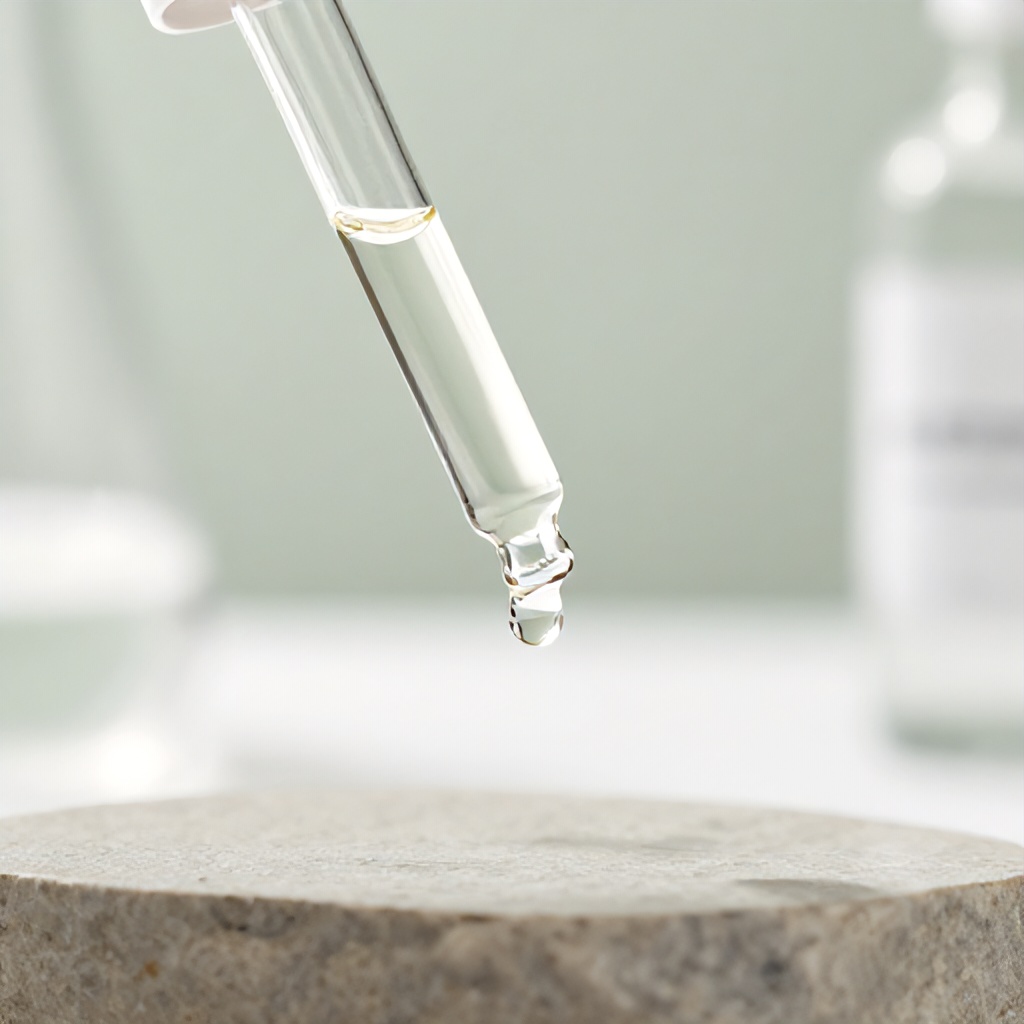
How to Choose Facial Serums for Targeted Skin Concerns and Treatments

Understanding Facial Serums for Targeted Results

Facial serums serve as the heavy lifters in a skincare regimen because they contain high concentrations of active ingredients designed to penetrate deeper than a standard moisturizer. These lightweight formulas address specific dermatological concerns ranging from stubborn hyperpigmentation to compromised moisture retention. Choosing the right product requires looking past the marketing claims and focusing on the specific cosmetic formulation that matches your current skin status.

Most serums work by utilizing smaller molecular weights, allowing the active ingredients to bypass the top layer of the epidermis. This topical application ensures that ingredients like vitamin C, retinol, or hyaluronic acid reach the areas where they can actually influence cellular behavior. Before adding a new bottle to your vanity, identify whether your primary goal is skin texture improvement, redness reduction, or simple hydration.

Addressing Hyperpigmentation and Uneven Tone

Dark spot treatment remains one of the most requested results in the beauty industry. Hyperpigmentation often stems from past sun exposure, acne scarring, or hormonal shifts. To see real complexion correction, you need ingredients that inhibit melanin production or encourage faster cell turnover.

Key Ingredients for Brightening

  • Vitamin C: A potent antioxidant that helps fade existing spots while protecting against future environmental damage.
  • Niacinamide: This versatile vitamin supports the skin barrier and helps regulate pigment distribution.
  • Alpha Arbutin: A gentle alternative to harsher lightening agents that works by preventing the enzyme responsible for melanin production.
  • Azelaic Acid: Highly effective for those dealing with both redness and post-inflammatory marks.

Consistency matters more than strength. Applying a brightening serum every morning under your sunscreen provides the best defense against new spots. If you have sensitive skin, start by using these actives every other night to monitor how your complexion reacts before moving to daily use.

Prioritizing Skin Barrier Repair and Hydration

A damaged skin barrier often manifests as tight, flaky, or chronically inflamed skin. When the outer layer of the skin loses its ability to hold water, moisture retention drops and external irritants enter more easily. Serum efficacy depends entirely on the health of this barrier. If your skin feels like it is burning upon contact with products, stop all actives immediately and focus on soothing ingredients.

Hydration Heroes

  1. Hyaluronic Acid: A humectant that pulls water into the skin. Apply this to slightly damp skin to lock in maximum moisture.
  2. Ceramides: These lipids act like mortar between your skin cells, keeping the barrier strong and resilient.
  3. Panthenol: Also known as Vitamin B5, this ingredient excels at calming irritation and promoting epidermal health.
  4. Glycerin: An underrated, inexpensive, and highly effective humectant that rarely causes sensitivity.

You do not need a complicated ten-step routine to achieve skin rejuvenation. Sometimes, a simple serum packed with ceramides and a basic moisturizer will do more for your glow than a cabinet full of aggressive acids. Focus on soothing the inflammation first, then reintroduce exfoliants once the skin feels soft and supple again.

Managing Skin Sensitivity and Redness

Redness reduction requires a minimalist approach. Many people accidentally worsen their sensitivity by layering too many active ingredients at once. When your skin is reactive, look for serums that contain calming botanical extracts or peptides designed to reduce the look of surface blood vessels.

Avoid fragrances, essential oils, and high percentages of alcohol in your beauty product review process. These ingredients often trigger flare-ups in people with rosacea or naturally reactive skin types. Instead, seek out formulas that list centella asiatica, colloidal oatmeal, or green tea extract as primary components. These ingredients provide therapeutic skincare benefits without the risk of further irritation.

Optimizing Your Skincare Regimen

The order of application dictates how well your products perform. Always apply your serums from the thinnest consistency to the thickest. A water-based hyaluronic acid serum should go on first, followed by a slightly thicker vitamin C serum, and finally a cream-based moisturizer. This method ensures that the most potent ingredients touch your skin first.

Common Mistakes to Avoid

  • Over-exfoliating: Using acids every day strips the skin and prevents the barrier from healing.
  • Mixing incompatible actives: Retinol and high-strength vitamin C can cause significant irritation when applied simultaneously.
  • Ignoring the neck and chest: These areas show signs of aging just as quickly as the face and benefit from the same serum treatments.
  • Skipping SPF: No serum can reverse sun damage if you are not protecting your skin from UV rays every single day.

Aesthetic dermatology often emphasizes the importance of patience. Most serums require at least six to eight weeks of dedicated use before you notice a visible change in your skin texture or tone. If you do not see changes after two months, evaluate the concentration of the active ingredients or consider if your skin needs a different approach entirely.

Selecting Products Based on Evidence

When shopping, ignore the flashy packaging and turn the bottle around to read the ingredient list. The first five ingredients represent the bulk of the formula. If a brand claims a serum is for hydration but lists alcohol as the second ingredient, the product will likely dry out your skin rather than hydrate it.

High-quality serums should feel elegant on the skin. They should absorb without leaving a sticky or greasy residue. If a product pills under your makeup or moisturizer, it is not integrating well with the rest of your routine. Test new products on your inner forearm for a few days to rule out allergic reactions before applying them to your face.

Remember that your skin changes with the seasons. You might need a heavier, oil-based serum during the dry winter months and a lighter, water-based formula during the humid summer. Adjusting your routine based on the environment keeps your skin balanced and healthy throughout the year. Listen to how your skin feels when you wake up in the morning. If it feels tight, add more hydration. If it feels congested, dial back the heavy creams and focus on lighter, clarifying serums.

True skin health is a marathon, not a sprint. By focusing on the fundamentals of barrier support and targeted treatment for your specific concerns, you can build a routine that yields long-term results. Keep your products stored in a cool, dark place to maintain their potency, and always check expiration dates to ensure you are getting the full benefit of the active ingredients.

Exit mobile version