Every Type of Skin Bump: What It Is, Why It Matters, and What to Do
When you spot an unwelcome bump on your skin, the urge to poke and prod can be overwhelming. However, dermatologists are united: a hands-off approach is almost always best for treating skin bumps and blemishes. Picking at any skin lesion can cause your skin to break, opening the door to infection and potentially creating a much bigger problem than you started with.

Resisting the urge to pop is vital. If you don’t, you risk prolonging the healing process and even leaving behind permanent scarring.
Meet the Experts:
- Dendy Engelman, MD, is a board-certified dermatologist at Shafer Clinic Fifth Avenue in New York City.
- Noelani Gonzalez, MD, FAAD, is the director of cosmetic dermatology at Mount Sinai West in New York City.
- Joshua Zeichner, MD, is the director of cosmetic and clinical research in dermatology at Mount Sinai Hospital in New York City.
- Rebecca Marcus, MD, FAAD, is a board-certified dermatologist and founder of Maei MD.
- Joel Schlessinger, MD, is a board-certified dermatologist and founder of the Schlessinger MD Skin Research Center.
- Mona Gohara, MD, is a Connecticut-based dermatologist and clinical professor at Yale University.
The most effective skin treatment depends on the exact cause of your blemish, whether it’s a deep pimple or tiny white bumps. Generally, stocking up on expert-approved, over-the-counter skincare products is a great start. For more stubborn issues, professional treatments using skin-safe lasers and other advanced tools might be the way to go.
Here’s a breakdown of common skin bumps and how to approach them, with a friendly reminder that picking is rarely the answer.
Cystic Acne Pimples
Cystic acne forms deep beneath the skin’s surface, creating red, tender nodules. These are not only painful but also notoriously difficult to treat with over-the-counter medications. The significant inflammation associated with cystic acne can impede the healing process and frequently results in permanent scarring that’s nearly impossible to erase.
Attempting to pick at these deep bumps is futile. The cysts are located so far below the skin’s surface that you won’t be able to reach them, and you’ll likely end up with a bloody, irritated spot instead.
Causes of Cystic Acne
Cystic acne is primarily driven by hormonal fluctuations and acne bacteria. Elevated hormone levels can trigger an overproduction of oil, leading to swollen pores. When this excess oil cannot reach the skin’s surface, it can rupture beneath, causing inflammation and the characteristic deep lesions.
Warning: Resist the urge to pop cystic acne. It can push bacteria deeper, increase inflammation, and lead to significant scarring.
Treatment for Cystic Acne
For cystic acne, a hands-off approach is paramount. Topical treatments might not penetrate deeply enough. Often, prescription medications, including oral antibiotics or isotretinoin, are necessary to manage the inflammation and reduce oil production. Corticosteroid injections administered by a dermatologist can also quickly reduce the size and inflammation of individual cysts.
Blackheads
Blackheads, also known as open comedones, are a common form of acne. They appear as small, dark spots on the skin’s surface. This darkness isn’t dirt; it’s the result of the pore being open and the trapped oil and dead skin cells oxidizing when exposed to air.
They typically form when hair follicles become clogged with oil and dead skin cells. Unlike pimples, blackheads don’t usually become inflamed or infected because the pore remains open.
Causes of Blackheads
The primary culprits behind blackheads are excess oil production and the buildup of dead skin cells within the pores. Hormonal changes, genetics, and certain skincare products can contribute to this process. They are a common concern for those focused on achieving clear skin.
Treatment for Blackheads
Effective blackhead removal often involves ingredients that help to unclog pores and manage oil production. Salicylic acid, a beta-hydroxy acid (BHA), is excellent for penetrating oil and exfoliating within the pores. Retinoids, both prescription and over-the-counter, are also highly effective at increasing cell turnover and preventing pore blockages. Gentle exfoliation with physical scrubs or chemical exfoliants can also help remove the surface layer of dead skin cells.
Blackhead Removal Tip: Consider using a clay mask once a week. Clay helps to draw out impurities and excess oil from the pores, which can aid in blackhead removal and improve overall skin clarity.
Whiteheads
Whiteheads, or closed comedones, are similar to blackheads in that they are clogged pores. However, the pore opening is completely covered by a thin layer of skin. This prevents the trapped oil and dead skin cells from oxidizing, resulting in a small, white or flesh-colored bump.
They are essentially non-inflammatory acne lesions, meaning they are less likely to become red, swollen, or painful unless they become infected or are picked at.
Causes of Whiteheads
Like blackheads, whiteheads are caused by a buildup of oil and dead skin cells within the hair follicles. When the pore becomes fully obstructed, the contents are trapped beneath the skin’s surface, creating the characteristic white bump.
Treatment for Whiteheads
The treatment for whiteheads often mirrors that of blackheads. Ingredients like salicylic acid and retinoids are beneficial for exfoliating the skin and preventing pore blockages. Benzoyl peroxide can also be helpful by killing acne-causing bacteria and reducing inflammation. Gentle exfoliation is key to removing the superficial layer of skin that covers the whitehead.
Papules
Papules are small, red, inflamed bumps that are a common sign of acne. They are essentially inflamed pimples that haven’t yet developed a pus head. You might feel them as tender bumps under the skin before they become visible.
These occur when a pore becomes clogged with oil and dead skin cells, and then bacteria (specifically Cutibacterium acnes) multiply within the pore, triggering an inflammatory response from the body.
Causes of Papules
Papules are a direct result of inflammation within a clogged pore. Factors like hormonal fluctuations, increased oil production, and the presence of acne bacteria contribute to their formation. They are a step up in inflammation from blackheads and whiteheads.
Treatment for Papules
Topical treatments are usually effective for papules. Benzoyl peroxide is a go-to ingredient as it kills acne bacteria and reduces inflammation. Salicylic acid helps to exfoliate and clear the pore. Topical retinoids can also help by regulating skin cell turnover and reducing inflammation. For persistent papules, a dermatologist might recommend prescription topical or oral medications.
Warning: Do not try to pop papules. They are inflamed and can easily rupture under the skin, leading to increased inflammation, infection, and potential scarring.
Pustules
Pustules are what most people think of as typical pimples. They are inflamed lesions that have a visible white or yellowish head filled with pus. Pus is a collection of white blood cells, dead skin cells, and bacteria that the body sends to fight off infection.
These are a more advanced stage of inflammatory acne than papules. The inflammation is more pronounced, and the presence of pus is a clear indicator of the body’s immune response.
Causes of Pustules
Pustules develop from papules. When a clogged pore becomes significantly inflamed and infected with acne bacteria, the body’s immune system responds by sending white blood cells to the area. These cells, along with dead skin cells and bacteria, accumulate to form pus, creating the visible head of the pustule.
Treatment for Pustules
Similar to papules, pustules can be treated with topical benzoyl peroxide and salicylic acid. They help to kill bacteria and reduce inflammation. Topical retinoids are also beneficial. If pustules are widespread or severe, a dermatologist may prescribe oral antibiotics to combat the bacteria and reduce inflammation, or consider treatments like chemical peels or laser therapy for faster skin clarity.
Gentle Cleansing Tip: When dealing with pustules, use a mild, non-comedogenic cleanser. Harsh scrubbing can irritate the skin and worsen inflammation.
Nodules
Nodules are a more severe form of acne than papules or pustules. They are large, solid, painful lumps that form deep within the skin. Unlike pustules, nodules do not have a visible pus head on the surface.
These occur when the pore wall ruptures deep within the skin, leading to a significant inflammatory response and the formation of a hard, painful lesion. They can be quite distressing and take a long time to heal.
Causes of Nodules
Nodules are caused by deep inflammation within the hair follicle. Factors like genetics, hormonal changes, and the body’s inflammatory response to trapped oil and bacteria contribute to their development. They represent a significant blockage and inflammation deep within the skin’s layers.
Treatment for Nodules
Nodules require professional intervention. Over-the-counter treatments are rarely effective because they cannot penetrate deeply enough. Dermatologists may prescribe oral medications like isotretinoin (Accutane) for severe nodular acne, which significantly reduces oil production and inflammation. Corticosteroid injections directly into the nodule can provide rapid relief from pain and inflammation, and help shrink the lesion quickly. Other treatments might include antibiotics or hormonal therapies.
Severe Acne Warning: Nodules are a serious skin lesion. Attempting to extract them at home can lead to severe infection, deep scarring, and prolonged skin damage.
Cysts (Different from Cystic Acne)
While often used interchangeably with cystic acne, true cysts are distinct skin lesions. They are sac-like structures that can form anywhere on the body and are filled with fluid, semi-solid material, or even air. They are typically benign and grow slowly.
Skin cysts are not directly related to acne in the same way cystic acne is, though they can sometimes become inflamed or infected, mimicking acne lesions. They are often caused by blocked oil glands or hair follicles.
Causes of Cysts
Cysts can form for various reasons, including blocked oil glands, damaged hair follicles, or even genetic predispositions. They are essentially pockets that form under the skin, trapping material within them.
Treatment for Cysts
Small, asymptomatic cysts may not require treatment. If a cyst becomes inflamed, infected, or is cosmetically bothersome, a dermatologist can drain it or surgically remove it. It’s important for a medical professional to perform this, as improper removal can lead to recurrence or infection.
Milia
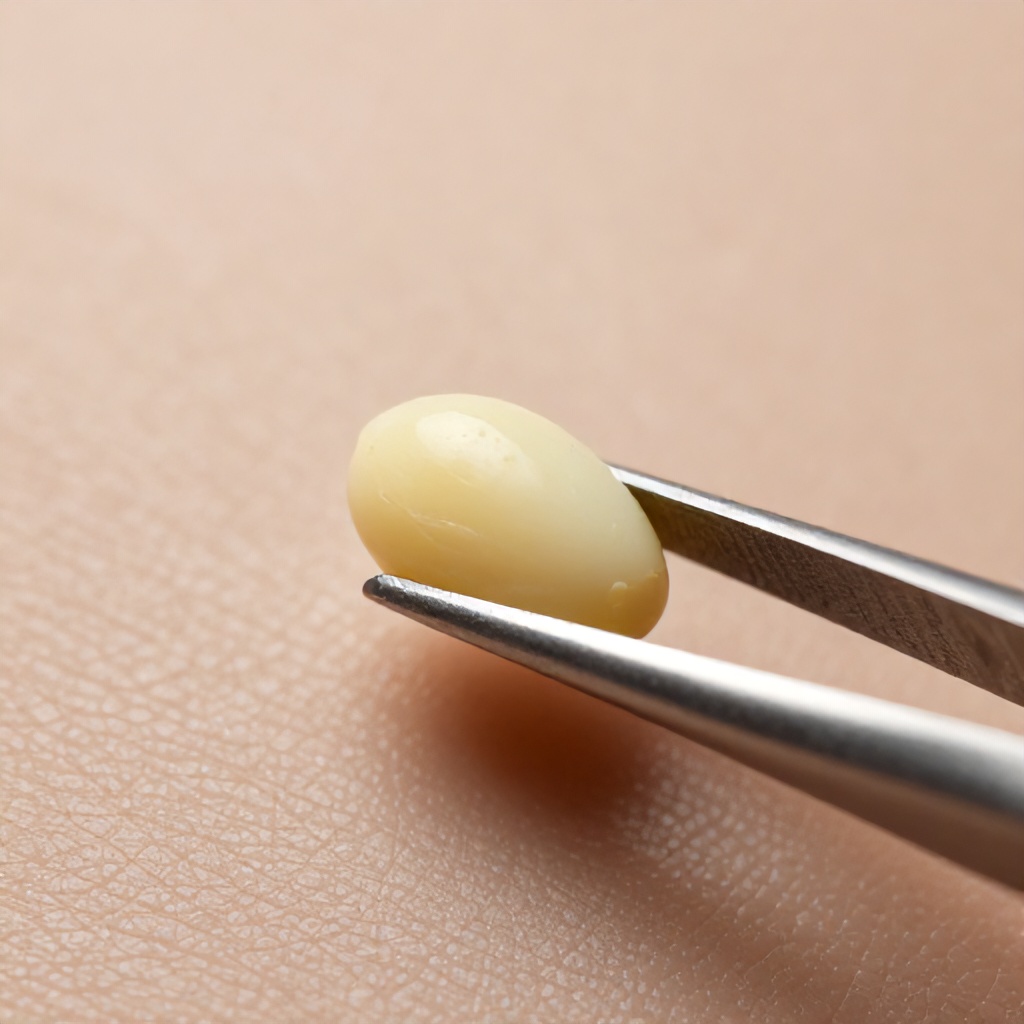
Milia are tiny, pearl-like white bumps that typically appear on the face, especially around the eyes and cheeks. They are essentially small cysts that form when keratin (a protein found in skin, hair, and nails) gets trapped beneath the skin’s surface.
They are very common and harmless, often mistaken for whiteheads. However, they are not related to acne and do not have an opening in the pore.
Causes of Milia
Milia can occur in people of all ages. In newborns, they are very common and usually disappear on their own. In adults, they can be caused by skin damage (like from sun exposure or harsh skincare products), or simply from the natural shedding process of skin cells not working efficiently.
Treatment for Milia
Milia are best left alone or treated by a professional. While they might eventually resolve on their own, it can take months. A dermatologist can safely extract milia using a sterile needle or a small lancet. Over-the-counter products containing retinoids or exfoliating acids can sometimes help prevent new milia from forming by promoting skin cell turnover, but they are unlikely to remove existing ones.
Gentle Exfoliation for Milia Prevention: Incorporate a gentle chemical exfoliant with ingredients like glycolic acid or lactic acid into your facial care routine a few times a week to help prevent milia by encouraging skin cell turnover.
Keratosis Pilaris
Keratosis pilaris (KP) is a common, harmless skin condition that causes small, rough bumps, often described as feeling like sandpaper. These bumps are typically flesh-colored, white, red, or sometimes slightly brown.
KP occurs when keratin, a protein that protects the skin, builds up and plugs hair follicles. This results in the characteristic bumps, most commonly found on the upper arms, thighs, cheeks, and buttocks.
Causes of Keratosis Pilaris
The exact cause isn’t fully understood, but it’s believed to be genetic and related to a buildup of keratin in the hair follicles. It often flares up in dry conditions, like winter.
Treatment for Keratosis Pilaris
There’s no cure for KP, but treatments focus on smoothing the skin and reducing the appearance of the bumps. Gentle exfoliation is key. Moisturizing regularly with thick creams containing ingredients like urea, lactic acid, or salicylic acid can help soften the skin and reduce the plugs. Topical retinoids can also be effective. Avoid harsh scrubbing, which can irritate the skin and worsen the condition.
Seborrheic Keratosis
Seborrheic keratosis are non-cancerous skin growths that appear on the face, chest, shoulders, or back. They typically look like a waxy or wart-like brown or black growth stuck on the skin’s surface.
These growths are very common, especially as people age. They are not related to acne and are not contagious. They are essentially an overgrowth of the outermost skin cells.
Causes of Seborrheic Keratosis
The exact cause is unknown, but they are thought to be related to aging and genetics. Sun exposure may also play a role in their development on sun-exposed areas.
Treatment for Seborrheic Keratosis
Seborrheic keratoses usually don’t require treatment unless they are irritated, bleeding, or located in an area that makes them prone to injury. If treatment is desired for cosmetic reasons or due to irritation, a dermatologist can remove them through methods like cryotherapy (freezing), curettage (scraping), or laser treatment.
Skin Tags
Skin tags are small, soft, flesh-colored growths that hang off the skin. They are benign and most commonly found in areas where skin rubs against skin or clothing, such as the neck, armpits, groin, and under the breasts.
They are made of loose collagen fibers and blood vessels that have become embedded in a thick layer of skin. They are not a sign of any underlying health issue.
Causes of Skin Tags
The exact cause is not fully understood, but they are more common in people who are overweight, pregnant, have diabetes, or are older. Friction from clothing or skin rubbing together is thought to be a contributing factor.
Treatment for Skin Tags
Skin tags can be easily removed by a dermatologist. Common methods include snipping them off with surgical scissors, freezing them with liquid nitrogen (cryotherapy), or burning them off with an electric needle (electrocautery). Home removal methods are not recommended due to the risk of infection and scarring.
Folliculitis
Folliculitis is an inflammation of the hair follicles, which can appear as small, red bumps or white-headed pimples around the hair follicles. It can occur anywhere on the body where hair grows.
It’s often caused by a bacterial or fungal infection, but can also be triggered by friction, irritation from shaving, or tight clothing.
Causes of Folliculitis
The most common cause is bacterial infection, particularly from Staphylococcus aureus. Fungal infections can also cause folliculitis. Other contributing factors include shaving, tight clothing, prolonged exposure to hot tubs or swimming pools, and certain medical conditions.
Treatment for Folliculitis
Mild cases of folliculitis often clear up on their own with good hygiene. Keeping the affected area clean and dry is important. For bacterial infections, a dermatologist may prescribe topical or oral antibiotics. Antifungal medications are used for fungal folliculitis. Avoiding irritants like shaving or tight clothing can help prevent recurrence.
Hygiene Warning: If you suspect folliculitis, avoid shaving the affected area and keep it clean to prevent spreading any infection.
Acne Vulgaris (General Term)
Acne vulgaris is the medical term for common acne, encompassing a range of blemishes including blackheads, whiteheads, papules, pustules, nodules, and cysts. It’s a condition that affects the skin’s oil glands and hair follicles.
This widespread skin condition is characterized by pimples, and can appear on the face, forehead, chest, upper back, and shoulders. It’s a very common skin concern, particularly during adolescence, but can persist into adulthood.
Causes of Acne Vulgaris
Acne vulgaris arises from a combination of factors: excess oil production by the sebaceous glands, clogged pores due to dead skin cells, bacterial growth within the pores (primarily C. acnes), and inflammation. Hormonal fluctuations, genetics, diet, and stress can all influence its severity.
Treatment for Acne Vulgaris
Treatment for acne vulgaris depends on its severity. Over-the-counter products containing salicylic acid, benzoyl peroxide, and retinoids are effective for mild to moderate cases. For more persistent or severe acne, prescription medications like topical or oral antibiotics, stronger retinoids, or hormonal therapies may be necessary. A consistent skincare routine is key for managing acne and promoting skin clarity.
Insect Bites
Insect bites can manifest as small, red, itchy bumps on the skin. The appearance can vary depending on the type of insect, but they often involve localized swelling and redness.
These are a reaction to the saliva or venom injected by an insect when it bites or stings. The body’s immune system responds to these foreign substances, causing the characteristic bump and itch.
Causes of Insect Bites
Insect bites are caused by the bites or stings of various insects, including mosquitoes, ants, spiders, fleas, and bedbugs. The body’s inflammatory response to the insect’s saliva or venom triggers the skin reaction.
Treatment for Insect Bites
Most insect bites can be treated at home. Calamine lotion or hydrocortisone cream can help relieve itching and inflammation. Antihistamines can also be taken orally to reduce itching. Avoiding scratching is important to prevent infection and further irritation.
Contact Dermatitis
Contact dermatitis is a skin rash caused by direct contact with a substance or an allergic reaction to it. It can appear as red, itchy bumps, blisters, or dry, scaly patches.
There are two main types: irritant contact dermatitis (caused by a substance that damages the skin) and allergic contact dermatitis (caused by an immune system reaction to an allergen).
Causes of Contact Dermatitis
Common irritants include soaps, detergents, solvents, and certain metals. Allergens can include poison ivy, nickel, fragrances, and preservatives in cosmetics. Identifying and avoiding the trigger is crucial for managing this condition.
Treatment for Contact Dermatitis
The primary treatment is to identify and avoid the offending substance. Topical corticosteroids are often prescribed to reduce inflammation and itching. Cool compresses and moisturizing can also provide relief. In severe cases, oral corticosteroids may be necessary.
Rosacea
Rosacea is a chronic inflammatory skin condition that primarily affects the face. It can cause redness, visible blood vessels, and small, pus-filled bumps that resemble acne. Unlike acne, rosacea does not typically involve blackheads or whiteheads.
It often flares up in cycles, with periods of redness followed by outbreaks of bumps and pimples. It can also cause skin thickening and eye irritation.
Causes of Rosacea
The exact cause of rosacea is unknown, but it’s believed to involve a combination of genetic and environmental factors. Certain triggers, such as sun exposure, heat, spicy foods, alcohol, and stress, can exacerbate symptoms.
Treatment for Rosacea
There is no cure for rosacea, but treatments aim to manage symptoms and prevent flare-ups. Topical medications like metronidazole and azelaic acid can reduce redness and inflammation. Oral antibiotics may be prescribed for inflammatory bumps. Laser therapy can help reduce redness and visible blood vessels. Identifying and avoiding personal triggers is also essential for managing rosacea.
Keratosis Pilaris Rubra Faceii
Keratosis pilaris rubra faciei is a specific type of keratosis pilaris that affects the face, particularly the cheeks. It presents as persistent redness and small, rough bumps on the facial skin, often resembling acne or rosacea.
This condition is characterized by a reddish hue and the presence of small follicular papules, giving the skin a bumpy and inflamed appearance.
Causes of Keratosis Pilaris Rubra Faceii
Like other forms of KP, it’s believed to be genetic and related to the buildup of keratin within hair follicles. The facial presentation may be influenced by the specific sensitivity of facial skin.
Treatment for Keratosis Pilaris Rubra Faceii
Treatment focuses on managing the redness and the bumps. Gentle exfoliation with products containing lactic acid or salicylic acid can help smooth the skin. Moisturizing is crucial to keep the skin hydrated and reduce the rough texture. Topical retinoids may also be beneficial. Sun protection is important, as sun exposure can worsen redness.
Syringomas
Syringomas are small, benign tumors that develop from sweat glands. They typically appear as small, flesh-colored or yellowish bumps, most commonly on the eyelids, under the eyes, and on the cheeks.
These are harmless skin lesions and are not a sign of a serious medical condition. They tend to appear in adulthood and can become more numerous over time.
Causes of Syringomas
The exact cause is unknown, but they are thought to be related to a blockage or overgrowth of the sweat ducts. They can sometimes be associated with genetic factors or hormonal changes.
Treatment for Syringomas
Syringomas usually do not require treatment unless they are causing cosmetic concern. If removal is desired, a dermatologist can use methods such as laser ablation, electrocautery, or surgical excision. These treatments are effective but may require multiple sessions and carry a risk of temporary skin discoloration or scarring.
Actinic Keratosis
Actinic keratosis (AK) are rough, scaly patches on the skin caused by long-term exposure to ultraviolet (UV) radiation, primarily from the sun. They are considered precancerous lesions, meaning they have the potential to develop into squamous cell carcinoma, a type of skin cancer.
AKs often appear on sun-exposed areas like the face, ears, scalp, hands, and arms. They can vary in color from skin-toned to reddish-brown and may feel rough to the touch.
Causes of Actinic Keratosis
The primary cause is cumulative exposure to UV radiation from the sun or tanning beds. The UV rays damage the DNA in skin cells, leading to abnormal growth.
Treatment for Actinic Keratosis
It’s crucial to have any suspected actinic keratosis evaluated by a dermatologist. Treatment options include cryotherapy (freezing the lesion), topical chemotherapy creams, photodynamic therapy (PDT), or surgical removal. Regular skin checks and diligent sun protection are vital for preventing new AKs and monitoring existing ones.
Precancerous Warning: Actinic keratosis can develop into skin cancer. Always have suspicious skin lesions checked by a dermatologist for proper diagnosis and treatment.
Warts
Warts are non-cancerous skin growths caused by the human papillomavirus (HPV). They can appear anywhere on the body and vary in size, shape, and texture. Some warts are rough and raised, while others may be flat or have a cauliflower-like appearance.
They are contagious and can spread through direct contact or by touching contaminated surfaces.
Causes of Warts
Warts are caused by HPV infection. There are over 100 types of HPV, and different types can cause different kinds of warts. The virus enters the body through tiny cuts or breaks in the skin.
Treatment for Warts
Warts can often be treated at home with over-the-counter remedies like salicylic acid patches or liquids. However, for persistent or widespread warts, a dermatologist can offer treatments such as cryotherapy, cantharidin application, or minor surgical removal. It’s important to avoid picking at warts, as this can spread the virus.
Cherry Angiomas
Cherry angiomas are small, bright red, dome-shaped spots that appear on the skin. They are benign growths composed of small blood vessels.
These are very common, especially after the age of 30, and tend to increase in number with age. They are not a sign of any serious health problem.
Causes of Cherry Angiomas
The exact cause is unknown, but they are thought to be related to aging and possibly genetics. They are not contagious and do not pose a health risk.
Treatment for Cherry Angiomas
Cherry angiomas typically do not require treatment. If they are bothersome for cosmetic reasons or are frequently irritated by clothing or shaving, a dermatologist can remove them using methods like laser therapy, electrocautery, or surgical excision.