Gentle Lying Down Yoga Flow for Improved Flexibility and Relaxation

Gentle Lying Down Yoga Flow for Improved Flexibility and Relaxation

This gentle lying down yoga flow is designed to boost your flexibility and melt away tension, all from the comfort of your yoga mat. You don’t need to be a seasoned yogi to enjoy these simple yet effective poses. We’ll focus on mindful movement and deep breaths, creating a peaceful sanctuary for your body and mind.

Why Choose a Lying Down Yoga Practice?

Sometimes, the idea of a full yoga practice can feel a bit daunting, especially if you’re feeling tired or stiff. That’s where a lying down yoga flow shines. It’s incredibly accessible, requiring minimal effort and offering maximum benefits. This type of practice, often referred to as supine yoga or floor yoga, is perfect for beginners, those recovering from injury, or anyone seeking a deeply relaxing stretching routine.

The beauty of lying down yoga is its inherent gentleness. Gravity assists you in many of the poses, allowing for a deeper stretch without strain. It’s a fantastic way to cultivate body awareness, gently coaxing tight muscles to release their grip. This mindful movement can also significantly improve your physical well-being and serve as a powerful tool for relaxation techniques.

Preparing Your Space

Before you begin your yoga practice, take a moment to set the scene. Find a quiet space where you won’t be disturbed. Lay out your yoga mat, ensuring it’s comfortable and provides adequate cushioning. Dim the lights if you like, or light a candle to create a calming ambiance. You might even want to put on some soft, instrumental music.

Having a bolster or firm pillow nearby can be helpful for some poses, offering extra support and deepening the sense of relaxation. If you don’t have a bolster, a rolled-up blanket or a few firm pillows will do the trick. Wear comfortable clothing that allows for free movement. The goal is to feel completely at ease.

Your Gentle Lying Down Yoga Sequence

This yoga sequence focuses on poses that can be done entirely lying down, making it ideal for a restorative yoga session. Each pose is held for several breaths, allowing you to sink into the stretch and connect with your body. Remember to breathe deeply and evenly throughout the practice. Inhale through your nose, expanding your belly and chest, and exhale slowly through your nose or mouth, releasing any tension.

1. Reclining Butterfly Pose (Supta Baddha Konasana)

Start by lying on your back. Bring the soles of your feet together, letting your knees fall open to the sides. This is a wonderful hip opener and a great way to begin releasing tension in the lower body. If your knees feel strained, place blocks or rolled-up towels under your outer thighs for support.

Allow your arms to rest by your sides, palms facing up, or place one hand on your heart and the other on your belly to feel your breath. Close your eyes and focus on the gentle opening in your hips and groin. Hold for 5-10 deep breaths, allowing your body to relax into the pose.

2. Supine Spinal Twist (Supta Matsyendrasana)

From Reclining Butterfly, gently draw your knees back together. Extend your arms out to the sides in a T-shape, palms down. Inhale, and as you exhale, slowly let both knees fall to one side. Keep both shoulders grounded on the mat as much as possible.

Turn your head to look in the opposite direction of your knees, if comfortable for your neck. This pose is excellent for releasing tension in the spine and can aid digestion. If your knees don’t reach the floor, place a block or pillow underneath them. Hold for 5-8 breaths on each side, breathing into the gentle twist.

3. Knees-to-Chest Pose (Apanasana)

Return to lying flat on your back. On an exhale, draw both knees into your chest. Wrap your arms around your shins or clasp your hands behind your thighs. Gently rock from side to side, massaging your lower back against the mat. This pose is incredibly soothing for the back and helps to release tension in the hips and hamstrings.

Focus on deep, even breaths. Imagine each exhale releasing a little more tightness from your body. Hold for 5-10 breaths. This is a simple yet effective part of any floor yoga practice.

4. Reclining Pigeon Pose (Supta Kapotasana)

From Knees-to-Chest, lower your feet to the mat, knees bent. Cross your right ankle over your left thigh, just above the knee. Flex your right foot to protect your knee. You should feel a stretch in your right hip and glute.

For a deeper stretch, lift your left foot off the floor and interlace your fingers behind your left thigh, drawing both legs closer towards your chest. Keep your head and shoulders relaxed on the mat. Hold for 5-8 breaths, then switch sides. This variation of pigeon pose is much gentler on the joints than the traditional seated version, making it a great flexibility exercise.

5. Bridge Pose (Setu Bandhasana) – Gentle Variation

Lie on your back with your knees bent and feet flat on the floor, hip-width apart. Your arms should be by your sides, palms down. Inhale and gently lift your hips off the floor, just a few inches. Keep your neck long and avoid pushing your chin towards your chest.

This gentle lift helps to open the chest and strengthen the back muscles. You can interlace your fingers underneath your back and gently roll your shoulders under to deepen the chest opening, or keep your arms by your sides. Hold for 3-5 breaths, then exhale and slowly lower your hips back down. Repeat 3-5 times. This pose can also be supported by placing a block under your sacrum for a more restorative experience.

6. Legs-Up-the-Wall Pose (Viparita Karani) – Modified

This is a wonderfully restorative pose that can be done with a wall or without. If you have a wall available, scoot your hips close to it and extend your legs straight up the wall. Your arms can rest by your sides, palms up, or you can place them on your belly. If you don’t have a wall, simply lie on your back and extend your legs straight up towards the ceiling.

This pose is excellent for improving circulation, calming the nervous system, and relieving tired legs and feet. It’s a cornerstone of many restorative yoga sequences. Sink into the pose and breathe deeply. Stay here for 5-10 minutes, allowing yourself to completely relax.

7. Corpse Pose (Savasana)

The most important pose in any yoga practice! Lie flat on your back, letting your legs extend long and fall open. Allow your arms to rest by your sides, a little away from your body, with your palms facing up. Let your shoulders relax away from your ears.

Close your eyes and consciously release any tension you are holding in your body, starting from your toes and moving all the way up to the crown of your head. Allow your breath to become natural and effortless. Simply be present in this moment of stillness and deep relaxation. Stay here for at least 5-10 minutes, or as long as you feel comfortable. This is where the true healing and integration of your yoga practice happens.

Tips for Enhancing Your Practice

Consistency is key when it comes to improving flexibility and relaxation. Aim to practice this lying down yoga flow a few times a week. Even a short 15-20 minute session can make a significant difference.

Listen to your body. This is not about pushing yourself to your limits. If a pose feels uncomfortable or causes pain, ease out of it or modify it. The goal is gentle movement and mindful awareness, not strain.

Incorporate breathwork. Deep, conscious breathing is a powerful relaxation technique. Focus on your inhales and exhales, letting them guide you deeper into the poses and into a state of calm.

Consider using props. Bolsters, blankets, and blocks can make poses more accessible and comfortable, allowing you to relax more fully and experience the full benefits of this gentle yoga practice. They are essential tools for therapeutic yoga.

Mindfulness is paramount. Pay attention to the sensations in your body. Notice where you feel tightness, where you feel release. This heightened body awareness is a core benefit of any yoga practice, including this supine yoga sequence.

Beyond the Mat

The benefits of this gentle lying down yoga flow extend beyond your mat time. By regularly practicing mindful movement and relaxation techniques, you can cultivate a greater sense of peace and resilience in your daily life. This practice can help reduce stress, improve sleep quality, and foster a more positive outlook on your physical well-being.

Whether you’re looking for a simple stretching routine, a way to unwind after a long day, or a gentle introduction to yoga for beginners, this lying down yoga sequence offers a nurturing and effective approach. Enjoy the journey of discovering greater flexibility and profound relaxation, one breath at a time.
7 Morning Yoga Poses for Energy, Clarity, and Daily Practice

Starting your day with a dedicated morning yoga routine can profoundly boost your energy levels, setting a positive and invigorated tone for everything that follows. These specific yoga poses are chosen for their ability to awaken the body gently, stimulate circulation, and foster mental clarity, making them perfect for your daily practice.

Why Morning Yoga Ignites Your Day

The quiet hours of the morning offer a unique opportunity to connect with your body and mind before the demands of the day begin. Engaging in morning yoga provides an energy boost that feels natural and sustained, unlike the jolt from caffeine. It’s a mindful movement practice that gently coaxes your body out of sleep, improving flexibility and preparing your muscles for activity. This daily practice isn’t just about physical postures; it’s about cultivating a sense of peace and readiness, contributing significantly to your holistic wellness. Incorporating these energizing poses helps to shake off sluggishness, enhance blood flow, and bring a refreshing sense of vitality.

Many people find that a consistent yoga routine in the morning helps reduce stress relief throughout the day, improving their overall mood. It’s an accessible way to integrate physical activity and mental focus, even for those new to yoga. These wake up yoga sequences are designed to be approachable, making them ideal for beginner yoga practitioners while still offering benefits for more experienced yogis.

7 Energizing Morning Yoga Poses

These seven yoga postures are specifically selected to create an invigorating yoga flow, designed to gently wake up your system, stretch out stiffness, and instill a sense of calm energy. Remember to breathe deeply and move with intention in each asana.

1. Cat-Cow Pose (Marjaryasana-Bitilasana)

This gentle yet powerful sequence is a fantastic way to warm up your spine and connect your breath with movement. It helps to improve spinal flexibility, relieve back pain, and stimulate the abdominal organs, preparing your body for more dynamic morning stretches. It’s a fundamental part of many yoga routines and excellent for beginner yoga.

  1. Begin on your hands and knees in a tabletop position. Ensure your wrists are directly under your shoulders and your knees are under your hips. Your fingers should be spread wide.
  2. As you inhale, drop your belly towards the mat, lift your chest and tailbone towards the ceiling, arching your back. This is Cow Pose.
  3. As you exhale, round your spine towards the ceiling, tucking your chin to your chest and drawing your navel towards your spine. This is Cat Pose.
  4. Continue flowing between Cat and Cow poses for 5-10 breaths, allowing your breath to initiate each movement.

Tip: Focus on the articulation of each vertebra in your spine. Let the movement be fluid and unhurried, really savoring the mindful movement.

2. Downward-Facing Dog (Adho Mukha Svanasana)

Downward-Facing Dog is an iconic yoga posture that stretches the entire body, from your hands to your feet. It lengthens the spine, strengthens the arms and legs, and calms the brain while also energizing the body. It’s a complete energy boost that reverses blood flow, invigorating the system and building core strength.

  1. From tabletop, tuck your toes under and lift your hips up and back, forming an inverted V-shape with your body.
  2. Press firmly through your palms and spread your fingers wide. Let your head hang freely between your arms.
  3. Aim to straighten your legs, pressing your heels towards the floor, but don’t worry if they don’t touch. You can keep a slight bend in your knees if your hamstrings feel tight.
  4. Hold for 5-8 breaths, feeling the stretch through your hamstrings, calves, and spine.

Tip: If your hamstrings are very tight, keep a generous bend in your knees to prioritize lengthening your spine. Pedal your feet out by bending one knee then the other to deepen the stretch in your calves.

3. Low Lunge (Anjaneyasana)

Low Lunge is an excellent pose for opening the hips and stretching the front of the body, particularly the hip flexors, which can become tight from prolonged sitting. This pose creates space and a feeling of expansiveness, contributing to an encouraging mood and a sense of openness for the day ahead. It’s a powerful energizing pose that helps to release tension.

  1. From Downward-Facing Dog, step your right foot forward between your hands. Lower your left knee to the mat, padding it with a blanket if needed.
  2. Ensure your right knee is stacked directly over your right ankle.
  3. You can keep your hands on the mat for support, or for a deeper stretch and more active pose, lift your torso upright and sweep your arms overhead, palms facing each other.
  4. Gaze forward or slightly up, feeling the stretch in your left hip flexor.
  5. Hold for 5 breaths, then return to Downward-Facing Dog and repeat on the left side.

Tip: Keep your core engaged to protect your lower back. If lifting your arms overhead is too much, rest your hands on your front thigh or keep them on blocks beside your front foot.

4. Warrior II (Virabhadrasana II)

Warrior II is a grounding and strengthening pose that builds focus and inner determination. It strengthens the legs and core, opens the hips and chest, and improves stamina. This physical posture embodies strength and resilience, perfect for cultivating an encouraging mood and mental clarity to face daily challenges.

  1. From Low Lunge (or Downward-Facing Dog), step your right foot forward between your hands. Spin your left heel down so your left foot is parallel with the back edge of your mat.
  2. Lift your torso upright, extending your arms out to the sides at shoulder height, palms facing down.
  3. Bend your right knee deeply, ensuring it’s stacked directly over your right ankle. Your front thigh should be parallel to the floor if possible.
  4. Gaze over your right fingertips. Keep your core engaged and your shoulders relaxed.
  5. Hold for 5-8 breaths, feeling powerful and expansive. Repeat on the left side.

Tip: Keep the outer edge of your back foot firmly rooted into the mat. Imagine energy radiating from your fingertips, extending in both directions.

5. Triangle Pose (Trikonasana)

Triangle Pose is a wonderfully expansive pose that stretches the hamstrings, groins, and hips, while also opening the chest and shoulders. It stimulates the abdominal organs and can help relieve stress, bringing a sense of calm and mental clarity. This pose is a fantastic flexibility exercise that invigorates the entire side body and spine.

  1. From Warrior II on the right side, straighten your front (right) leg.
  2. Reach forward with your right hand as far as you can, keeping your torso long.
  3. Hinge at your right hip, bringing your right hand down to your shin, ankle, or a block outside your right foot.
  4. Extend your left arm straight up towards the ceiling, stacking your left shoulder over your right.
  5. Turn your gaze up towards your left thumb, or keep it neutral if your neck feels strained.
  6. Hold for 5 breaths, feeling the stretch along your side body. Repeat on the left side.

Tip: Avoid collapsing into your bottom hand. Instead, imagine lifting your torso away from your front leg, creating length in both sides of your waist. Keep your core active.

6. Tree Pose (Vrksasana)

Tree Pose is a balancing asana that cultivates focus, stability, and inner calm. While it appears serene, it requires active engagement of the leg muscles and core, providing a subtle but powerful energy boost. It improves concentration and strengthens the ankles and thighs, helping to ground you for the day ahead. This yoga posture is excellent for fostering mental clarity.

  1. Begin standing tall in Mountain Pose (Tadasana), feet together, hands at your sides.
  2. Shift your weight onto your left foot, rooting down firmly.
  3. Bend your right knee and bring the sole of your right foot to your inner left ankle, calf, or inner thigh (avoid placing it directly on your knee joint).
  4. Once stable, bring your hands to prayer position at your heart center. For an added challenge, extend your arms overhead like branches.
  5. Find a steady gaze point (drishti) in front of you that isn’t moving.
  6. Hold for 5-8 breaths, focusing on your balance and steady breathing. Repeat on the other side.

Tip: Don’t worry if you wobble! Balance is a practice. If placing your foot high is difficult, keep your toes on the floor with your heel resting against your ankle. This is still a beneficial practice.

7. Seated Spinal Twist (Ardha Matsyendrasana)

A seated spinal twist is a wonderful way to conclude your energizing sequence. Twists gently compress and then release the internal organs, aiding in detoxification and stimulating digestion. They also increase spinal mobility and release tension in the back and shoulders, leaving you feeling refreshed and invigorated. This physical posture offers a gentle stress relief and a final energy boost.

  1. Sit on your mat with both legs extended straight in front of you.
  2. Bend your right knee and place your right foot flat on the floor outside your left thigh.
  3. Keep your left leg extended or, for a deeper twist, bend your left knee and bring your left heel towards your right hip.
  4. Place your right hand on the floor behind you for support.
  5. Inhale to lengthen your spine, then exhale as you twist your torso to the right, hooking your left elbow outside your right knee or hugging your knee with your left arm.
  6. Gaze over your right shoulder.
  7. Hold for 5 breaths, feeling the gentle wringing sensation. Unwind slowly and repeat on the left side.

Tip: Always twist from your core, not just your neck. Keep both sit bones grounded as much as possible. If the full twist is too intense, simply hug your knee with both arms and twist gently.

Building Your Daily Practice: An Energizing Yoga Flow

These individual yoga poses can be strung together to create a seamless, energizing yoga flow. Starting with Cat-Cow to warm up, moving through Downward-Facing Dog, then flowing into Low Lunge, Warrior II, and Triangle Pose on both sides, before finding balance in Tree Pose, and finally releasing tension with a Seated Spinal Twist. This sequence offers a comprehensive set of morning stretches that awaken every part of your body.

Many find that practicing a short vinyasa flow, which synchronizes breath with movement, is incredibly effective for an energy boost. While this isn’t a full Sun Salutation sequence, it incorporates elements of a dynamic hatha yoga practice, making it suitable for beginner yoga enthusiasts looking to build a consistent yoga routine. The key is to move mindfully, paying attention to how each physical posture feels in your body.

Beyond Physical Postures: Mental Clarity and Holistic Wellness

The benefits of a morning yoga routine extend far beyond just physical flexibility exercises and an energy boost. Consistent practice cultivates mental clarity, helping you approach your day with a focused and calm mind. The deep breathing inherent in yoga postures acts as a powerful stress relief mechanism, reducing anxiety and promoting a sense of inner peace. This holistic wellness approach addresses both the body and mind, creating a balanced foundation for your day.

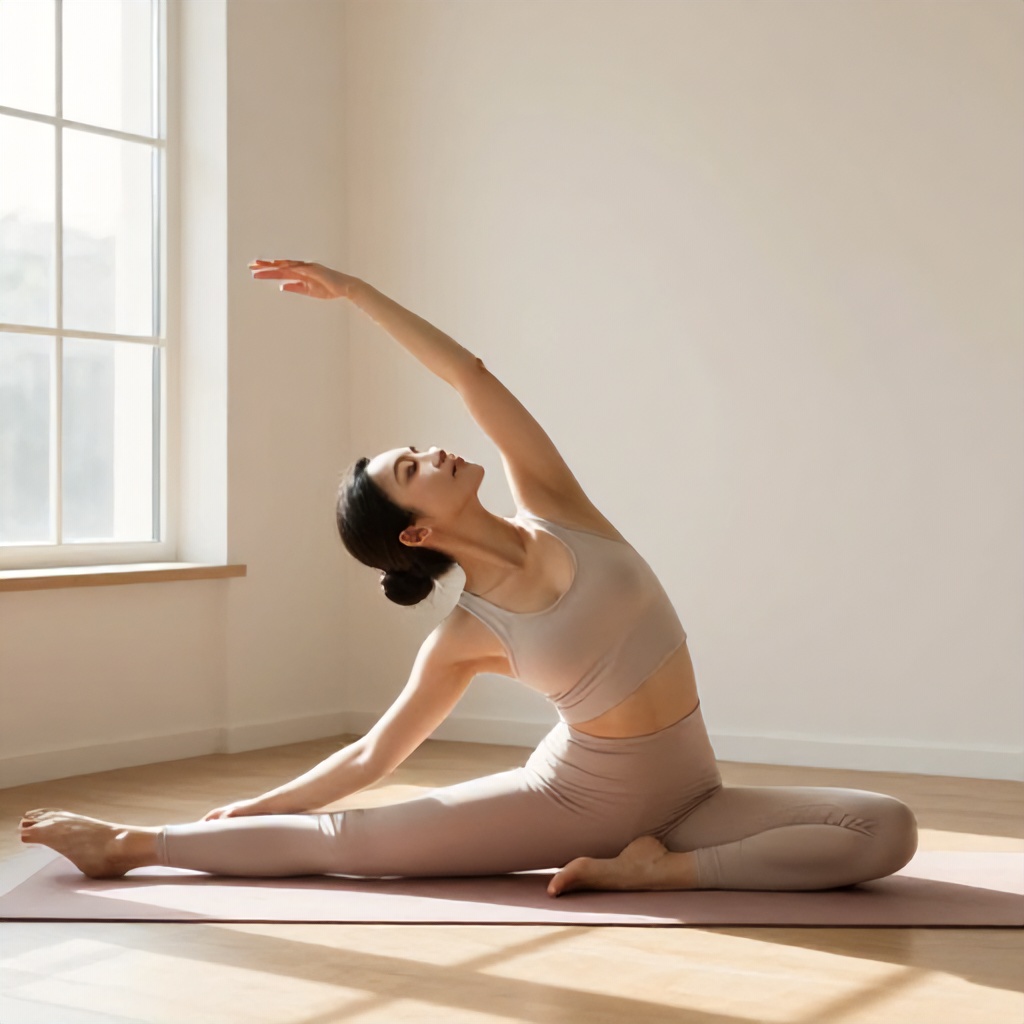
To enhance your experience, try practicing near a window to incorporate natural elements like sunlight into your wake up yoga. Imagine the sun’s energy filling you as you move through your asanas. This encourages a positive, encouraging mood and strengthens your connection to the present moment. Even a short 15-20 minute session can make a profound difference in how you feel throughout your day.

Embrace the Power of Morning Yoga

Incorporating these energizing poses into your morning routine is a simple yet powerful way to transform your daily experience. From the gentle awakening of Cat-Cow to the grounding stability of Tree Pose, each yoga posture contributes to a vibrant start. This daily practice offers not just an immediate energy boost but also fosters long-term physical and mental well-being, paving the way for a more productive and peaceful day.

Exit mobile version