Illustrated Guide to Yoga Poses and Their Anatomical Benefits

Yoga poses function as a physical language that communicates directly with your nervous system. When you look at high-quality yoga illustrations, you notice how specific shapes create stability or release tension. These yoga postures are not just about flexibility; they are about understanding your own anatomy through intentional movement. Whether you are practicing on a mat in a room with muted purple walls or following a digital guide set against a peachy-pink background, the goal remains the same: finding alignment.

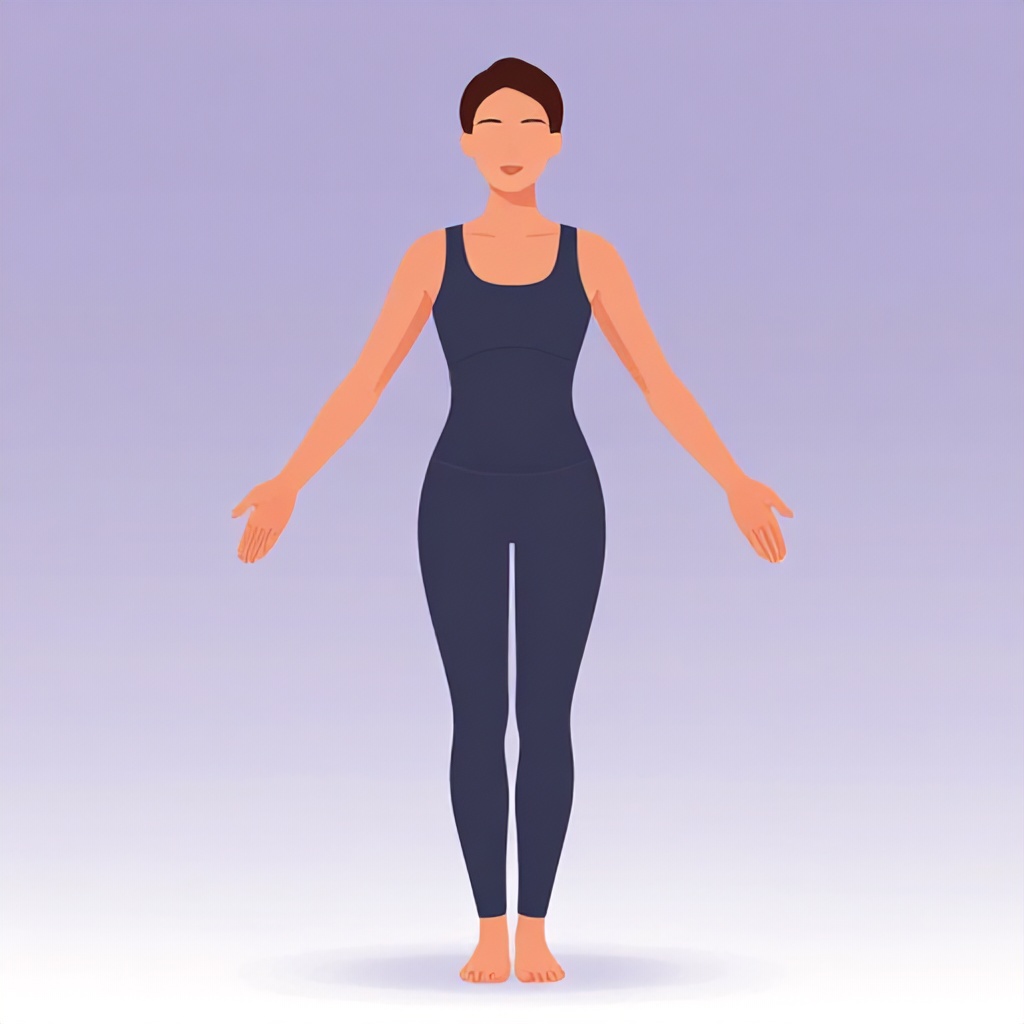
Foundational Standing Poses

Standing asanas provide the bedrock for your entire yoga practice. They build heat, improve balance, and ground your energy. When you look at a profile view of a standing pose, you can clearly see the line of energy traveling from the crown of the head down to the heels. This is where yoga alignment becomes visible.

Mountain Pose (Tadasana)

Mountain pose looks deceptively simple. You stand with your feet hip-width apart, rooting down through all four corners of your feet. Imagine a string pulling the top of your head toward the ceiling. Your shoulders should be relaxed, away from your ears, and your palms face forward. This posture teaches you how to stand with intention. It is the starting point for almost all yoga sequences. Focus on keeping your spine neutral and your breath steady. Avoid locking your knees; keep a micro-bend to maintain active engagement in your quadriceps.

Warrior II (Virabhadrasana II)

Warrior II is a powerful shape that builds strength in the legs and opens the hips. Step your feet wide apart, turning your front foot forward and your back foot slightly inward. Bend your front knee until it aligns directly over your ankle. Extend your arms out to the sides, parallel to the floor, with a clean sans-serif font style of focus—sharp, clear, and direct. Keep your torso centered between your legs. Many people lean forward, but your goal is to keep your shoulders stacked directly over your hips. This pose is a staple in most yoga diagrams because it effectively demonstrates the balance between effort and ease.

Seated and Floor-Based Shapes

Floor-based yoga positions allow you to slow down and focus on deep stretching. These movements are often used at the end of a session to calm the mind. When you study yoga art, you will notice that seated poses often involve concentric circles of energy, representing the way breath moves through the torso.

Child’s Pose (Balasana)

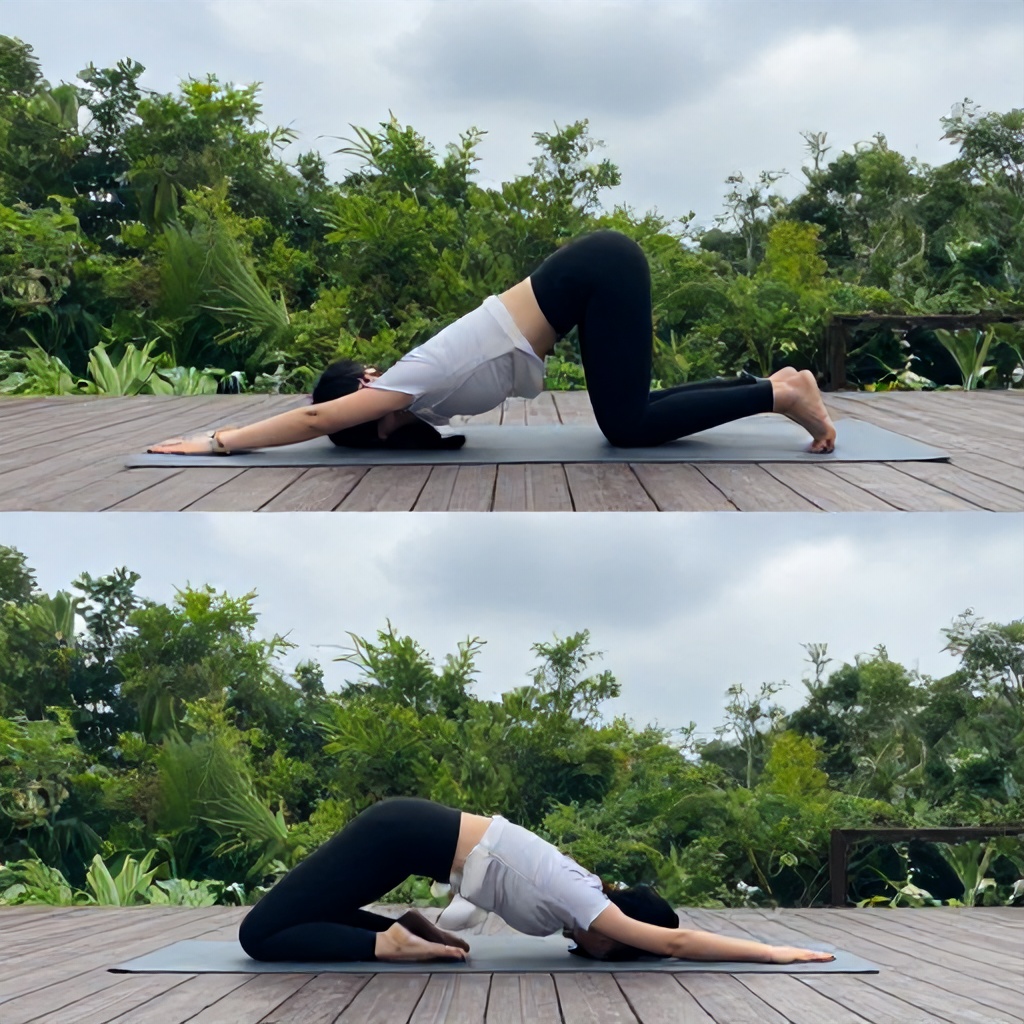
Child’s pose is a resting position that provides a gentle stretch for the hips, thighs, and ankles. Kneel on the floor, touch your big toes together, and sit on your heels. Separate your knees about as wide as your hips. Exhale and lay your torso down between your thighs. Rest your forehead on the mat. You can extend your arms forward or bring them back alongside your body. This is a restorative shape that helps you reconnect with your breath. If your hips feel tight, place a folded blanket under your seat for extra support.

Seated Forward Fold (Paschimottanasana)

This pose targets the hamstrings and the lower back. Sit on the floor with your legs extended straight in front of you. Flex your feet, pointing your toes toward the ceiling. Inhale to lengthen your spine, and exhale to fold forward from your hips, not your waist. Reach for your shins, ankles, or feet. Keep your chest open rather than rounding your back. The visual representation of this pose often emphasizes the long, straight line of the spine. If you cannot reach your feet, use a strap around the soles to maintain proper alignment without straining your shoulders.

Balancing and Inversion Basics

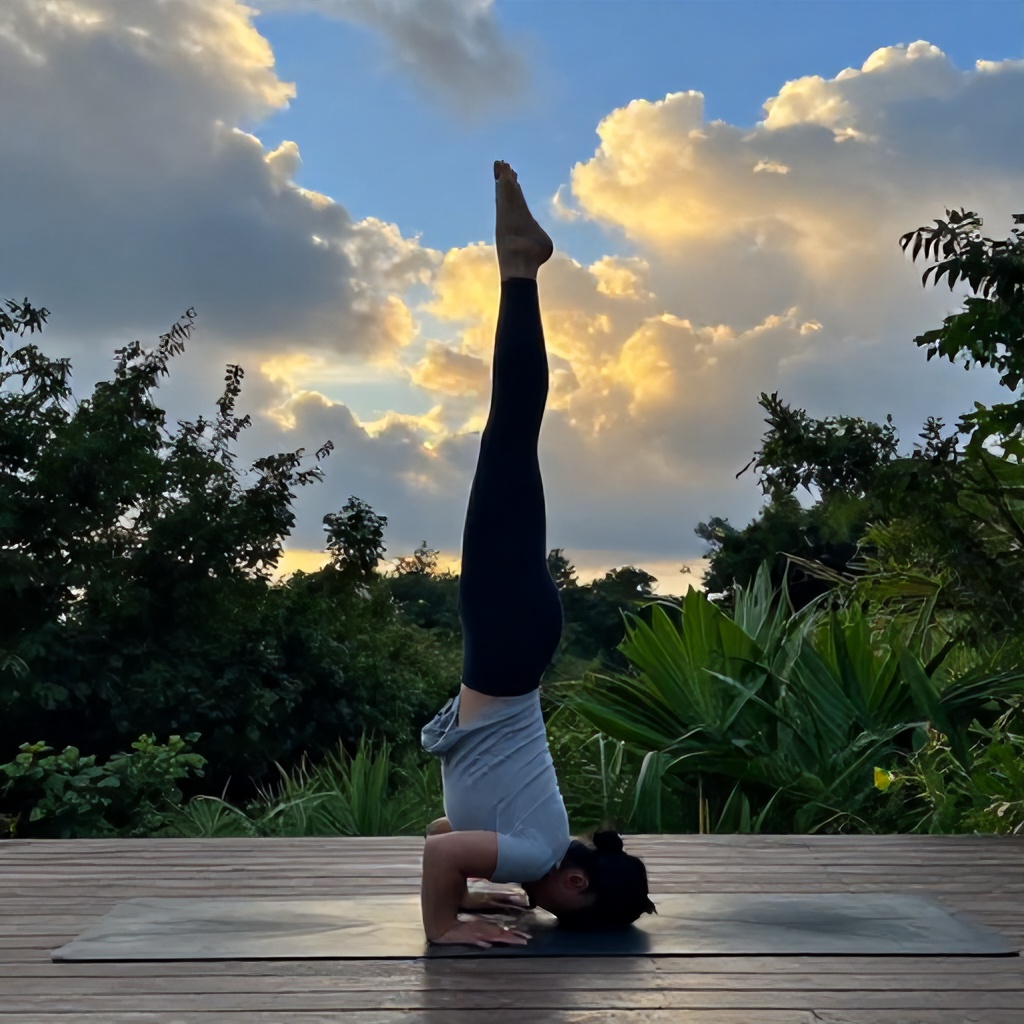
Balancing poses require intense concentration and core stability. They are the most challenging yoga movements for many beginners, but they offer the greatest rewards in terms of focus. Yoga visuals often highlight the gaze point, or drishti, which is essential for maintaining balance.

Tree Pose (Vrksasana)

Tree pose helps improve balance and concentration. Stand in Mountain pose, then shift your weight onto your left foot. Bend your right knee and place the sole of your right foot on your inner left thigh or calf. Avoid placing the foot directly on the knee joint to prevent injury. Bring your hands to your heart in prayer position or extend them overhead like branches. Find a fixed point in front of you to gaze at. This helps keep your body steady. If you wobble, simply reset and try again. The beauty of this pose lies in the minor adjustments your body makes to stay upright.

Downward-Facing Dog (Adho Mukha Svanasana)

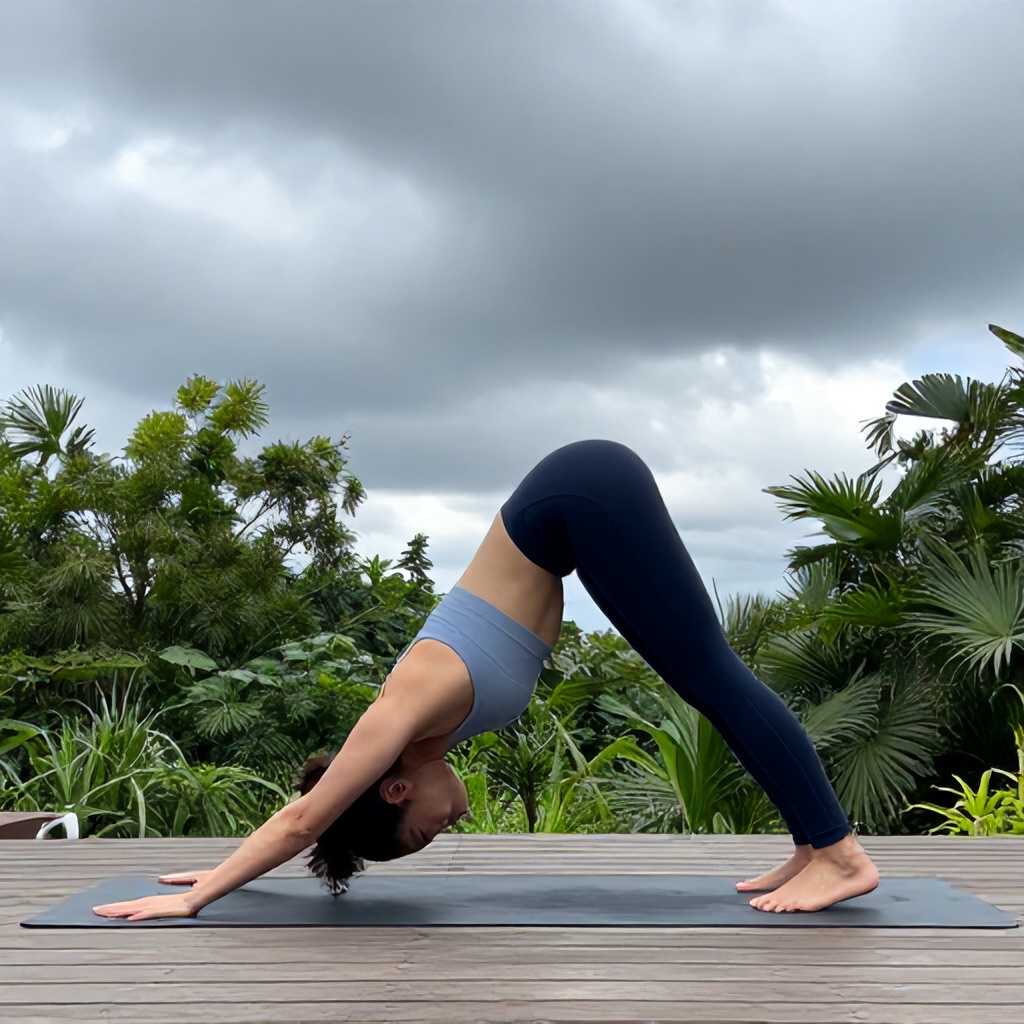
This is perhaps the most iconic of all yoga postures. Start on your hands and knees, then lift your hips toward the ceiling, forming an inverted V-shape. Spread your fingers wide and press firmly into the mat. Your head should hang freely between your upper arms. Focus on lengthening your spine rather than getting your heels to the floor. If your hamstrings are tight, keep your knees bent. This pose is a full-body stretch that engages the arms, back, and legs simultaneously. It is frequently used as a transition in yoga sequences to reset the body.

Refining Your Yoga Alignment

Alignment is the secret to a sustainable practice. When your joints are stacked correctly, you can hold poses longer and with less risk of injury. Think of your body as a series of levers and pulleys. When you move into a pose, check your foundation first. Are your feet grounded? Is your core engaged? Is your breath flowing?

Many people struggle with yoga anatomy because they try to force their bodies into shapes they see in magazines. Instead, focus on how the pose feels. If you are practicing in a space with muted purple decor, let that calm environment influence your pace. Move slowly. Use props like blocks, straps, and bolsters to bring the floor closer to you. There is no shame in using equipment; it is a sign of a smart practitioner who values longevity over ego.

When you look at yoga illustrations, pay attention to the angles. A slight tilt of the pelvis can change the entire sensation of a pose. For example, in a lunge, tucking your tailbone slightly can protect your lower back and deepen the stretch in your hip flexors. These small, subtle shifts are what separate a casual stretch from a true yoga practice.

Integrating Yoga into Your Daily Routine

You do not need an hour to reap the benefits of yoga. Even ten minutes of intentional movement can shift your mood and energy levels. Create a small corner in your home that feels inviting. A peachy-pink background or a simple mat in a neutral color can make your practice space feel like a sanctuary. Consistency matters more than intensity.

Start by picking three poses you enjoy. Maybe you love the grounding nature of Mountain pose, the stretch of Downward-Facing Dog, and the restfulness of Child’s pose. Create a simple flow that moves you from one to the other. Use your breath as the bridge between these shapes. Inhale as you expand, and exhale as you fold or twist. This rhythmic breathing is what turns a series of yoga positions into a moving meditation.

Keep a journal of your progress. Note which poses feel tight and which feel fluid. Over time, you will see how your body changes. You might notice that your shoulders feel less tense after a long day at the desk, or that your balance has improved during everyday activities. These are the real markers of progress, not how deep you can fold or how high you can lift your leg.

Common Mistakes to Avoid

One of the most common errors is holding the breath. When a pose becomes difficult, the natural tendency is to clench the jaw or hold the breath. This signals to your nervous system that you are in danger, which creates tension. Instead, consciously soften your face and deepen your breath. If you find yourself gasping, back out of the pose slightly.

Another mistake is over-stretching. Flexibility is a byproduct of yoga, not the primary goal. Never push into a sharp or shooting pain. If you feel a dull, aching sensation, that is usually a sign that you are pushing too hard. Listen to your body. It will tell you exactly what it needs if you are willing to pay attention. Remember that every day is different; some days you will feel open and flexible, while other days you will feel stiff and tired. Both are perfectly normal.

Finally, avoid comparing yourself to others. Yoga is an individual practice. The person next to you might have a different skeletal structure, a different history of injuries, or a different level of experience. Focus on your own mat. Your yoga practice is a conversation between you and your body, not a performance for anyone else.

The Role of Props and Modifications

Props are not just for beginners. They are tools that help you achieve better alignment. A block under your hand in a triangle pose can prevent you from collapsing your chest. A strap can help you maintain a straight spine in a seated fold. A bolster under your knees in Savasana can release tension in your lower back. Using these items allows you to experience the full benefit of the pose without compromising your form.

Think of your yoga practice as a lifelong project. You are building a relationship with your physical self. As you age, your needs will change, and your practice should evolve with you. What works for you today might look different in five years, and that is perfectly fine. The key is to remain curious and open to the process.

When you are looking for inspiration, seek out high-quality yoga diagrams that explain the mechanics of the pose. Understanding the anatomy—which muscles are lengthening and which are contracting—can help you perform the movements with more precision. This knowledge empowers you to practice safely at home, even without a teacher present.

Creating Your Own Sequences

Once you are comfortable with individual poses, you can start to link them together. A good sequence usually follows a logical progression: starting with gentle warm-ups, moving into more active standing poses, and finishing with cooling floor-based stretches. This structure helps prepare the body for deeper work and ensures a safe transition back to a resting state.

For a morning sequence, focus on poses that wake up the spine and increase circulation. Cat-Cow stretches are excellent for this. Start on your hands and knees. Inhale as you drop your belly and look up, and exhale as you round your spine and tuck your chin. Repeat this ten times to lubricate the vertebrae. Follow this with a few rounds of Sun Salutations to build heat.

For an evening sequence, focus on poses that release the day’s stress. Legs-Up-The-Wall is a fantastic restorative pose. Simply lie on your back and rest your legs vertically against a wall. This helps drain fluid from the legs and calms the nervous system. Stay here for five to ten minutes, focusing on slow, deep breaths. It is the perfect way to signal to your body that it is time to wind down.

Final Thoughts on Your Practice

Yoga is a practice of showing up. It is about the commitment to spend time with yourself, moving in ways that feel good and restorative. Whether you are following a complex sequence or just doing a few simple stretches, the value lies in the attention you bring to the moment. Keep your space clean and inviting, use your props wisely, and always prioritize your breath over the depth of your pose.

As you continue your journey, remember that the poses are just shapes. The real yoga happens in the space between the shapes—in the way you handle the challenge of a difficult pose, the way you breathe through discomfort, and the way you treat yourself with kindness when you fall out of balance. This is the essence of a sustainable and rewarding practice. Enjoy the process of learning your body, one pose at a time.

Stay consistent, stay curious, and keep your practice grounded in the reality of your own experience. There is no right or wrong way to feel in a pose, only the way that is right for you in this exact moment. By focusing on alignment, breath, and mindful movement, you create a foundation that will support you for years to come. Your mat is always there for you, waiting for your next session.
Gentle Lying Down Yoga Flow for Improved Flexibility and Relaxation

Gentle Lying Down Yoga Flow for Improved Flexibility and Relaxation

This gentle lying down yoga flow is designed to boost your flexibility and melt away tension, all from the comfort of your yoga mat. You don’t need to be a seasoned yogi to enjoy these simple yet effective poses. We’ll focus on mindful movement and deep breaths, creating a peaceful sanctuary for your body and mind.

Why Choose a Lying Down Yoga Practice?

Sometimes, the idea of a full yoga practice can feel a bit daunting, especially if you’re feeling tired or stiff. That’s where a lying down yoga flow shines. It’s incredibly accessible, requiring minimal effort and offering maximum benefits. This type of practice, often referred to as supine yoga or floor yoga, is perfect for beginners, those recovering from injury, or anyone seeking a deeply relaxing stretching routine.

The beauty of lying down yoga is its inherent gentleness. Gravity assists you in many of the poses, allowing for a deeper stretch without strain. It’s a fantastic way to cultivate body awareness, gently coaxing tight muscles to release their grip. This mindful movement can also significantly improve your physical well-being and serve as a powerful tool for relaxation techniques.

Preparing Your Space

Before you begin your yoga practice, take a moment to set the scene. Find a quiet space where you won’t be disturbed. Lay out your yoga mat, ensuring it’s comfortable and provides adequate cushioning. Dim the lights if you like, or light a candle to create a calming ambiance. You might even want to put on some soft, instrumental music.

Having a bolster or firm pillow nearby can be helpful for some poses, offering extra support and deepening the sense of relaxation. If you don’t have a bolster, a rolled-up blanket or a few firm pillows will do the trick. Wear comfortable clothing that allows for free movement. The goal is to feel completely at ease.

Your Gentle Lying Down Yoga Sequence

This yoga sequence focuses on poses that can be done entirely lying down, making it ideal for a restorative yoga session. Each pose is held for several breaths, allowing you to sink into the stretch and connect with your body. Remember to breathe deeply and evenly throughout the practice. Inhale through your nose, expanding your belly and chest, and exhale slowly through your nose or mouth, releasing any tension.

1. Reclining Butterfly Pose (Supta Baddha Konasana)

Start by lying on your back. Bring the soles of your feet together, letting your knees fall open to the sides. This is a wonderful hip opener and a great way to begin releasing tension in the lower body. If your knees feel strained, place blocks or rolled-up towels under your outer thighs for support.

Allow your arms to rest by your sides, palms facing up, or place one hand on your heart and the other on your belly to feel your breath. Close your eyes and focus on the gentle opening in your hips and groin. Hold for 5-10 deep breaths, allowing your body to relax into the pose.

2. Supine Spinal Twist (Supta Matsyendrasana)

From Reclining Butterfly, gently draw your knees back together. Extend your arms out to the sides in a T-shape, palms down. Inhale, and as you exhale, slowly let both knees fall to one side. Keep both shoulders grounded on the mat as much as possible.

Turn your head to look in the opposite direction of your knees, if comfortable for your neck. This pose is excellent for releasing tension in the spine and can aid digestion. If your knees don’t reach the floor, place a block or pillow underneath them. Hold for 5-8 breaths on each side, breathing into the gentle twist.

3. Knees-to-Chest Pose (Apanasana)

Return to lying flat on your back. On an exhale, draw both knees into your chest. Wrap your arms around your shins or clasp your hands behind your thighs. Gently rock from side to side, massaging your lower back against the mat. This pose is incredibly soothing for the back and helps to release tension in the hips and hamstrings.

Focus on deep, even breaths. Imagine each exhale releasing a little more tightness from your body. Hold for 5-10 breaths. This is a simple yet effective part of any floor yoga practice.

4. Reclining Pigeon Pose (Supta Kapotasana)

From Knees-to-Chest, lower your feet to the mat, knees bent. Cross your right ankle over your left thigh, just above the knee. Flex your right foot to protect your knee. You should feel a stretch in your right hip and glute.

For a deeper stretch, lift your left foot off the floor and interlace your fingers behind your left thigh, drawing both legs closer towards your chest. Keep your head and shoulders relaxed on the mat. Hold for 5-8 breaths, then switch sides. This variation of pigeon pose is much gentler on the joints than the traditional seated version, making it a great flexibility exercise.

5. Bridge Pose (Setu Bandhasana) – Gentle Variation

Lie on your back with your knees bent and feet flat on the floor, hip-width apart. Your arms should be by your sides, palms down. Inhale and gently lift your hips off the floor, just a few inches. Keep your neck long and avoid pushing your chin towards your chest.

This gentle lift helps to open the chest and strengthen the back muscles. You can interlace your fingers underneath your back and gently roll your shoulders under to deepen the chest opening, or keep your arms by your sides. Hold for 3-5 breaths, then exhale and slowly lower your hips back down. Repeat 3-5 times. This pose can also be supported by placing a block under your sacrum for a more restorative experience.

6. Legs-Up-the-Wall Pose (Viparita Karani) – Modified

This is a wonderfully restorative pose that can be done with a wall or without. If you have a wall available, scoot your hips close to it and extend your legs straight up the wall. Your arms can rest by your sides, palms up, or you can place them on your belly. If you don’t have a wall, simply lie on your back and extend your legs straight up towards the ceiling.

This pose is excellent for improving circulation, calming the nervous system, and relieving tired legs and feet. It’s a cornerstone of many restorative yoga sequences. Sink into the pose and breathe deeply. Stay here for 5-10 minutes, allowing yourself to completely relax.

7. Corpse Pose (Savasana)

The most important pose in any yoga practice! Lie flat on your back, letting your legs extend long and fall open. Allow your arms to rest by your sides, a little away from your body, with your palms facing up. Let your shoulders relax away from your ears.

Close your eyes and consciously release any tension you are holding in your body, starting from your toes and moving all the way up to the crown of your head. Allow your breath to become natural and effortless. Simply be present in this moment of stillness and deep relaxation. Stay here for at least 5-10 minutes, or as long as you feel comfortable. This is where the true healing and integration of your yoga practice happens.

Tips for Enhancing Your Practice

Consistency is key when it comes to improving flexibility and relaxation. Aim to practice this lying down yoga flow a few times a week. Even a short 15-20 minute session can make a significant difference.

Listen to your body. This is not about pushing yourself to your limits. If a pose feels uncomfortable or causes pain, ease out of it or modify it. The goal is gentle movement and mindful awareness, not strain.

Incorporate breathwork. Deep, conscious breathing is a powerful relaxation technique. Focus on your inhales and exhales, letting them guide you deeper into the poses and into a state of calm.

Consider using props. Bolsters, blankets, and blocks can make poses more accessible and comfortable, allowing you to relax more fully and experience the full benefits of this gentle yoga practice. They are essential tools for therapeutic yoga.

Mindfulness is paramount. Pay attention to the sensations in your body. Notice where you feel tightness, where you feel release. This heightened body awareness is a core benefit of any yoga practice, including this supine yoga sequence.

Beyond the Mat

The benefits of this gentle lying down yoga flow extend beyond your mat time. By regularly practicing mindful movement and relaxation techniques, you can cultivate a greater sense of peace and resilience in your daily life. This practice can help reduce stress, improve sleep quality, and foster a more positive outlook on your physical well-being.

Whether you’re looking for a simple stretching routine, a way to unwind after a long day, or a gentle introduction to yoga for beginners, this lying down yoga sequence offers a nurturing and effective approach. Enjoy the journey of discovering greater flexibility and profound relaxation, one breath at a time.

20 Minute Beginner Yoga Routine for Flexibility and Toning

Your 20-Minute Beginner Yoga Routine for Flexibility and Toning

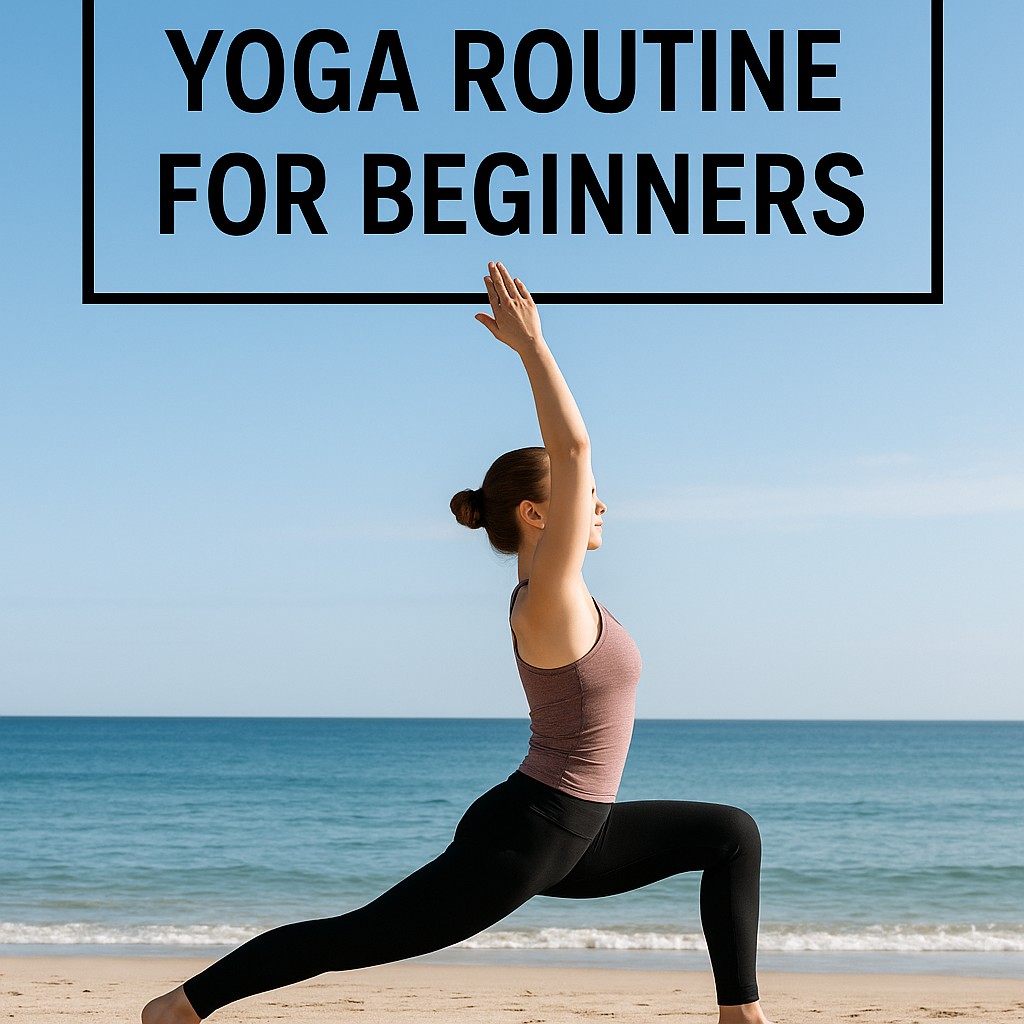
If you’re curious about yoga but feel a bit lost on where to begin, this 20-minute beginner yoga routine is your perfect starting point. It gently guides you through fundamental yoga poses designed to stretch, calm, and tone your entire body. Whatever your reason for exploring yoga, I’m genuinely happy you’ve started this journey, and I’m here to share the incredible benefits yoga offers.

This beginner yoga routine features 16 poses. Aim to hold each pose for about 15 seconds, or roughly five slow, deep breaths. Follow the sequence up to Downward Facing Dog (pose 13), then repeat the first side of the sequence on your other side before moving into the cool-down poses.

This particular 20 minute yoga workout is excellent for building foundational strength, toning your muscles, and significantly improving your flexibility. Remember, this is your practice. Move at your own pace and listen to your body. If holding poses for 15 seconds feels like too much right now, that’s absolutely fine! The most important thing is that you are moving, growing, and learning.

Some of these yoga postures might seem a bit challenging at first glance. However, all the poses in this yoga sequence are beginner friendly, meaning you can easily modify them to suit your current level. I’ve chosen these specific poses because they are dynamic and form essential base poses for developing your yoga practice.

For modifications, having a couple of yoga blocks and a yoga strap can be incredibly helpful. You can find recommendations for these useful yoga tools on our dedicated page.

Tip: If you’re new to yoga, consider having a yoga mat for comfort and grip. Yoga blocks can help bring the floor closer to you, and a yoga strap can assist in reaching further in stretches. These yoga tools are great for supporting your yoga journey.

The poses included in this 20 minute yoga routine are:

  1. Cat-Cow – 3 rounds
  2. Downward Facing Dog – 5 breaths
  3. Standing Forward Fold – 5 breaths
  4. Mountain Pose – 5 breaths
  5. Standing Backbend – 5 breaths
  6. Warrior II – 5 breaths
  7. Triangle Pose – 5 breaths
  8. Extended Side Angle Pose – 5 breaths
  9. Chair Pose – 5 breaths
  10. Standing Forward Fold – 5 breaths
  11. Four Limbed Staff Pose – 5 breaths
  12. Cobra Pose – 5 breaths
  13. Downward Facing Dog – 5 breaths
  14. Pigeon Pose – 5 breaths
  15. Seated Straight Legged Forward Fold – 5 breaths
  16. Savasana (Corpse Pose) – 1-2 minutes

Understanding the Benefits: Tone, Flexibility, and Beyond

Toning Your Body

As you move through this yoga sequence, you’ll notice how many different muscle groups are engaged. Poses like Warrior II and Chair Pose build strength in your legs and core. Even poses that feel more restorative, like Cobra, work to strengthen your back muscles. Consistent practice contributes to overall muscle toning, giving you a more sculpted physique over time. This isn’t just about aesthetics; stronger muscles support your joints and improve your posture.

Improving Flexibility

Flexibility yoga is a cornerstone of many people’s practice, and this routine is designed to enhance just that. Poses like Standing Forward Fold and Seated Straight Legged Forward Fold gently stretch the hamstrings and spine. Cat-Cow warms up the spine, preparing it for deeper movements. Pigeon Pose is excellent for opening up the hips, a common area of tightness for many. Regularly incorporating this stretching routine will lead to noticeable improvements in your range of motion, making everyday movements feel easier and reducing the risk of injury.

Calming Your Mind

Beyond the physical benefits, yoga is profoundly beneficial for mental well-being. The focus required to hold poses and move with your breath helps to quiet the constant chatter of the mind. Savasana at the end of the practice is a vital period of relaxation, allowing your body and mind to integrate the benefits of the session. This mindful approach is a key aspect of the yoga lifestyle, promoting stress reduction and a sense of inner peace.

How Many Calories Does a 20-Minute Yoga Routine Burn?

Many people are turning to yoga for its holistic benefits, including its effectiveness in weight management. A fundamental principle of weight loss involves burning more calories than you consume, and incorporating exercise is a key part of this equation. You might be wondering precisely how many calories a 20-minute yoga workout can burn.

Using a simple online calorie calculator, a person weighing around 150 pounds might burn approximately 62 calories during 20 minutes of Hatha yoga. The actual number of calories burned can vary significantly based on the type of yoga and the intensity of your practice.

For comparison, Vinyasa yoga, which is typically more dynamic and faster-paced, can burn around 198 calories in the same 20-minute period. This substantial difference is because Vinyasa yoga raises your heart rate more significantly than Hatha yoga, which tends to focus more on foundational alignment and basic yoga postures.

Frequently Asked Questions

What if I can’t do a pose perfectly?

That’s completely okay! Yoga is a personal journey, and modifications are your best friend. Don’t worry about perfection; focus on how the pose feels in your body. The goal is progress, not perfection. For example, if a forward fold is too intense, bend your knees generously.

How often should I do this beginner yoga routine?

Consistency is key for seeing results in flexibility and toning. Aim to practice this routine at least 3-4 times a week. You can also sprinkle in individual poses throughout your day as a quick stretching routine whenever you feel the need.

What are the most important yoga foundations to focus on?

For beginners, focusing on your breath (pranayama) and proper yoga alignment is paramount. Pay attention to how your body feels in each pose and try to maintain a steady, even breath. These yoga foundations will support your entire yoga practice as you advance.

Can this routine help with weight loss?

While this routine isn’t as intense as some cardio workouts, it contributes to calorie expenditure and muscle toning, both of which are beneficial for weight loss. When combined with a balanced diet, a regular yoga practice can certainly support your weight loss goals.

What’s the difference between Hatha and Vinyasa yoga?

Hatha yoga generally involves holding poses for longer periods and focuses on breath control and alignment. Vinyasa yoga is more fluid, linking poses together with the breath in a continuous flow. This beginner routine incorporates elements that are accessible from both styles.

Getting Started with Your Yoga Practice

Embarking on your yoga journey is a wonderful decision. This 20-minute routine is designed to be accessible, allowing you to build confidence and strength gradually. Remember that every experienced yogi started somewhere, and this beginner yoga routine provides a solid starting point.

As you become more comfortable, you might explore different types of yoga, like Hatha yoga for its focus on alignment or Vinyasa yoga for a more dynamic workout. The most important thing is to find a yoga lifestyle that resonates with you and supports your overall well-being.

Don’t be discouraged if some yoga postures feel challenging initially. The beauty of yoga is its adaptability. Listen to your body, be patient with yourself, and celebrate every small victory. Your commitment to this practice is the most significant step.

Yoga Tips for Beginners:

  • Listen to your body: Never push yourself into pain. Modify poses as needed.
  • Focus on your breath: Your breath is your anchor. Try to keep it steady and deep.
  • Be patient: Progress takes time. Enjoy the process of learning and growing.
  • Find a comfortable space: A quiet, uncluttered area will help you focus.
  • Don’t compare: Everyone’s yoga journey is unique.
Exit mobile version