
Acne face mapping is a traditional practice suggesting that breakouts in specific facial zones can reveal underlying internal health issues or lifestyle factors, offering a visual guide to potential causes beyond just topical skin conditions.

What is Acne Face Mapping?
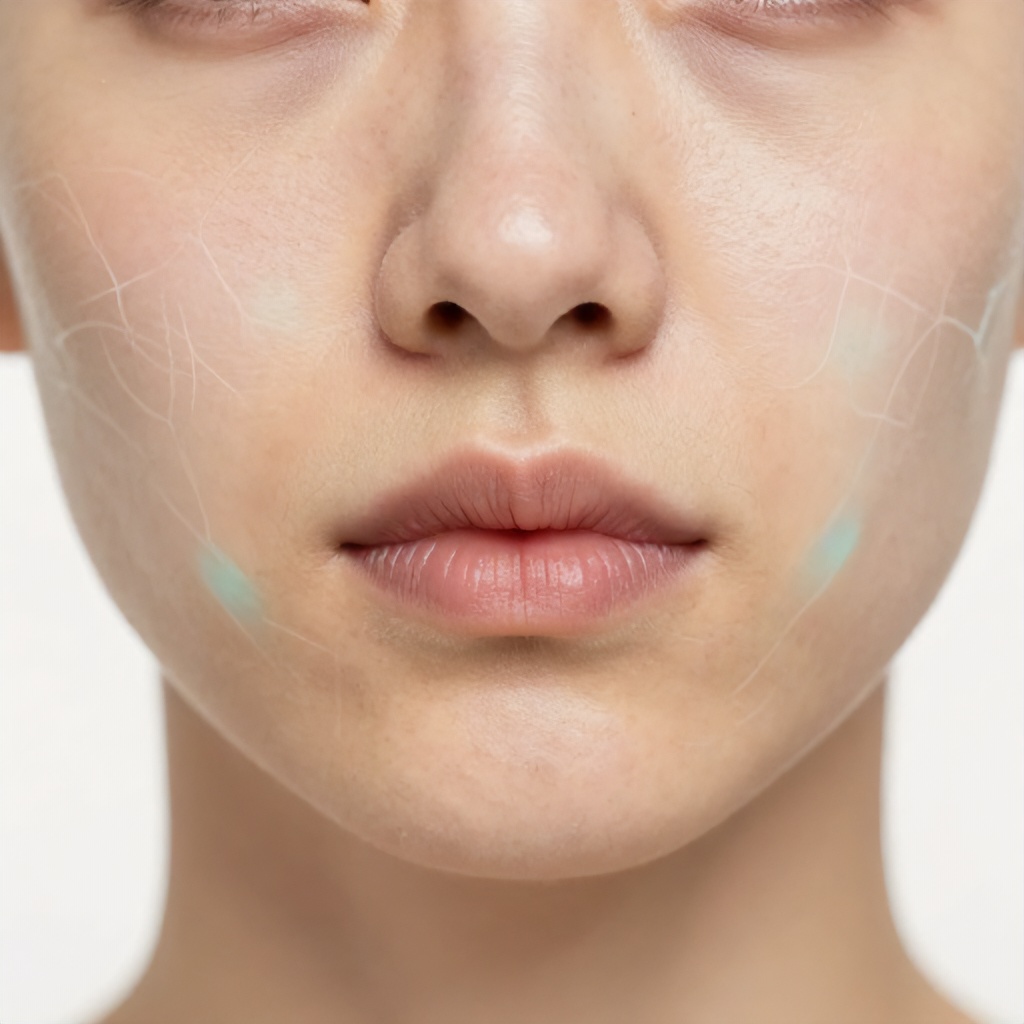
Acne face mapping, often referred to as “face reading” in ancient traditions, is an interpretive method that connects different areas of your face to various organs or systems within your body. This concept posits that your skin acts as a mirror, reflecting your internal state. When certain facial areas experience persistent breakouts or skin concerns, it might indicate an imbalance or issue elsewhere in your body. It’s an informational health content approach, providing a holistic skin analysis that looks beyond surface-level symptoms.
While modern dermatology focuses heavily on bacteria, hormones, and inflammation, face mapping provides an educational format that encourages individuals to consider a broader range of wellness factors. It’s not a definitive medical diagnostic tool, but rather a framework for understanding potential connections between your body and your skin, helping you identify underlying causes that might contribute to your acne.
The Concept Behind Facial Zones and Your Health
The core idea of acne face mapping revolves around the body-skin connection. It suggests that specific facial zones are energetically or physiologically linked to particular organs or bodily systems. For instance, the forehead might relate to the digestive system, while the jawline could signal hormonal fluctuations. This ancient wisdom, originating from traditional Chinese medicine and Ayurveda, offers a unique perspective on skin health. It encourages a more comprehensive look at what might be triggering zonal breakouts, moving beyond just what you put on your skin.
Understanding these facial areas can empower you to make informed lifestyle adjustments. If you consistently break out in a certain zone, face mapping prompts you to consider dietary changes, stress management techniques, or even sleep patterns that could be impacting those linked internal health issues. It’s about seeing your skin as an integrated part of your overall well-being, not just an isolated organ.
How to Use an Acne Face Map as a Visual Guide
Using an acne face map is straightforward. Observe where your breakouts most frequently occur on your human face diagram. Are they concentrated on your forehead, around your mouth, or along your jawline? Once you identify these specific facial areas, you can then refer to the map to see which internal systems or lifestyle factors are traditionally associated with those zones. This visual guide helps you connect the dots between your skin concerns and potential underlying causes.
It’s important to approach this as a starting point for investigation, not a definitive diagnosis. Think of it as a helpful prompt. If the map suggests a connection between forehead acne and digestion, you might then consider adjusting your diet or assessing your gut health. This self-assessment can be a powerful first step in addressing persistent skin issues before seeking professional dermatological insights.
Understanding Each Facial Zone and Its Potential Causes
Let’s break down the common facial zones and what traditional face mapping suggests they might indicate about your internal health and lifestyle.
Forehead: Digestive System, Stress, and Hair Products
Breakouts on the forehead are frequently linked to the digestive system. Issues like an unhealthy diet, poor digestion, or even certain food sensitivities can manifest here. If you’re consuming a lot of processed foods, sugary drinks, or dairy, your forehead might be the first to show it. Stress is another significant factor for this zone; high stress levels can disrupt gut health and trigger breakouts. Lack of sleep also plays a role, as it impacts overall body function and stress response.
Beyond internal factors, external elements are also common acne causes for the forehead. Hair products, especially those containing oils, silicones, or heavy fragrances, can clog pores along the hairline. Headbands, hats, or even bangs that constantly touch the skin can trap sweat and oil, leading to irritation and breakouts. Always consider both internal and topical depth when analyzing forehead acne.
Between the Eyebrows / T-Zone: Liver and Diet
Acne between the eyebrows, often extending into the T-zone (forehead, nose, and chin), is traditionally associated with the liver. This connection suggests that diet plays a significant role. Consuming excessive alcohol, fatty foods, or processed items can put a strain on your liver, which is responsible for detoxification. Allergies, particularly food allergies, can also contribute to inflammation that shows up in this area.
Ensuring adequate hydration and a balanced diet rich in fruits and vegetables can support liver function and potentially reduce breakouts in this central facial area. Pay attention to how your skin reacts after consuming certain foods, as this can offer valuable clues.
Temples: Kidneys and Dehydration
Breakouts on the temples are often linked to the kidneys and issues with hydration. If you’re not drinking enough water throughout the day, your body might struggle to flush out toxins, which can then appear on your skin. Dehydration can also lead to dull, congested skin, making it more prone to breakouts. The kidneys play a vital role in filtering waste from the blood, so supporting their function is key for skin health in this zone.
Aim to drink plenty of water and herbal teas. Reducing intake of dehydrating beverages like excessive caffeine or sugary drinks can also make a difference. This zone highlights the importance of overall fluid balance for clear skin.
Cheeks: Respiratory System, Cell Phones, and Pillowcases
The cheeks are often associated with the respiratory system. People who smoke or live in areas with high air pollution might notice more breakouts here. Allergies and asthma can also be contributing factors to skin conditions in this zone. However, external lifestyle factors are particularly prevalent for cheek acne.
Frequent contact with dirty cell phones is a major culprit. Your phone screen accumulates bacteria and dirt throughout the day, transferring it directly to your cheek every time you make a call. Similarly, pillowcases that aren’t changed regularly can harbor bacteria, dead skin cells, and product residue, leading to persistent breakouts. Sugar intake is another dietary factor often linked to inflammation and breakouts on the cheeks. Regularly cleaning your phone and changing pillowcases are simple yet effective steps for improving skin health in this area.
Nose: Heart and Blood Pressure
Acne on the nose is traditionally linked to the heart and circulatory system, including blood pressure. While this connection might seem less direct, it emphasizes overall cardiovascular health. High blood pressure or issues with circulation could potentially manifest as redness or breakouts on the nose. This zone reminds us to consider factors like diet, exercise, and stress management for heart health, which in turn supports skin health.
While specific breakouts on the nose might also be due to clogged pores or excess oil, considering the broader wellness factors associated with this facial area can offer a more comprehensive understanding.
Mouth / Perioral Area: Hormones, Diet, and Oral Hygiene
Breakouts around the mouth and chin often point to hormonal fluctuations and digestive issues. For women, perioral acne frequently flares up during menstrual cycles, pregnancy, or periods of significant hormonal change. Diet also plays a role, with spicy foods and certain acidic foods sometimes irritating the skin around the mouth. Gut health is another significant factor, as imbalances in the digestive system can lead to inflammation that appears in this area.
Beyond internal factors, external influences like toothpaste containing fluoride or harsh ingredients can irritate the delicate skin around the mouth. Certain lip balms or even saliva can also contribute to clogged pores. This zone requires careful consideration of both internal and external triggers for breakout causes.
Chin / Jawline: Hormones, Stress, and Gut Health
The chin and jawline are perhaps the most commonly recognized zones for hormonal acne. Fluctuations in hormones, particularly androgens, can lead to increased oil production and inflammation in this area. This is why many women experience breakouts here around their menstrual cycle. Stress is another major contributor, as it can throw hormones out of balance. Gut health is also strongly connected, with imbalances in gut bacteria potentially impacting hormonal regulation and skin inflammation.
If you’re experiencing persistent jawline breakouts, it’s wise to consider hormonal testing with a doctor, manage stress levels, and evaluate your diet for gut-friendly foods. This area is a prime example of the body-skin connection in action.
Ears: Kidneys and Dehydration
While less common for visible acne, breakouts or inflammation on the ears are also traditionally linked to the kidneys and dehydration, similar to the temples. This connection reinforces the idea that adequate water intake is vital for detoxification and overall skin health. If you notice persistent issues on or around your ears, assess your daily water consumption.
Additionally, external factors like dirty headphones, hair products, or even certain earrings can cause irritation and breakouts in this sensitive area. Cleanliness and hydration are key.
Neck / Chest: Hormones, Sweat, and Friction
Acne extending to the neck and chest often mirrors the causes of jawline breakouts, particularly hormonal imbalances. This area is also prone to “bacne” or body acne, which can be exacerbated by sweat, friction from clothing, and certain body care products. Tight clothing, especially synthetic fabrics, can trap heat and moisture, creating an ideal environment for bacteria.
Maintaining good hygiene, wearing breathable fabrics, and using non-comedogenic body washes can help. If breakouts are persistent, considering hormonal factors and overall lifestyle choices is important for these facial areas and beyond.
Important Caveats and Modern Perspective
While acne face mapping offers an interesting traditional perspective and can serve as a useful diagnostic tool for self-reflection, it’s crucial to understand its limitations. The scientific evidence directly linking specific facial zones to internal organs in a definitive way is limited. Modern dermatology emphasizes a multifactorial approach to acne, considering genetics, hormones, bacteria (P. acnes), inflammation, and lifestyle factors.
Face mapping should be viewed as a complementary approach, a way to encourage holistic skin analysis and consider wellness factors you might otherwise overlook. It’s an educational format that prompts deeper thought about your body’s signals. However, it should never replace professional dermatological insights. If you have persistent or severe acne, consulting a board-certified dermatologist is always the best course of action. They can provide accurate diagnoses and effective treatment plans based on current medical understanding of skin conditions.
Beyond the Map: General Acne Prevention and Care
Regardless of where your breakouts appear, several general strategies can significantly improve your skin health and reduce acne causes. These practical steps support overall skin wellness, complementing any insights you gain from face mapping.
-
Gentle Cleansing: Wash your face twice daily with a mild cleanser. Avoid harsh scrubbing, which can irritate the skin and worsen breakouts.
-
Non-Comedogenic Products: Choose skincare and makeup products labeled “non-comedogenic” or “non-acnegenic,” meaning they won’t clog pores.
-
Hydration: Drink plenty of water throughout the day. Hydrated skin functions better and is less prone to congestion.
-
Balanced Diet: Focus on whole, unprocessed foods. Reduce intake of sugar, refined carbohydrates, and excessive dairy, which can contribute to inflammation and breakouts.
-
Stress Management: Practice stress-reducing activities like yoga, meditation, deep breathing, or spending time in nature. Stress can significantly impact hormone levels and skin health.
-
Adequate Sleep: Aim for 7-9 hours of quality sleep each night. Your body repairs itself during sleep, which is vital for skin regeneration.
-
Regularly Clean Items: Frequently clean your cell phone, change pillowcases, and wash makeup brushes to minimize bacterial transfer to your face.
-
Sun Protection: Use a broad-spectrum sunscreen daily. Sun exposure can worsen post-inflammatory hyperpigmentation (dark spots left after acne heals).
When to See a Professional
While understanding potential underlying causes through tools like acne face mapping is helpful, there are times when professional dermatological insights are essential. If you experience cystic acne, persistent breakouts that don’t respond to over-the-counter treatments, or if your acne is causing significant emotional distress or scarring, it’s time to consult a dermatologist. They can offer prescription medications, in-office treatments, and personalized advice tailored to your specific skin conditions. Remember, clear skin is achievable with the right approach and sometimes, professional guidance is the most effective path.