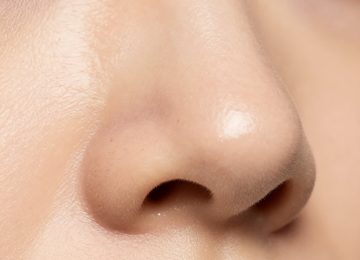
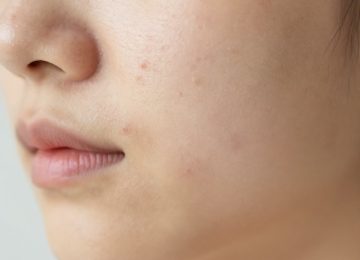
Blackheads are a very common skin concern that many people encounter, appearing as tiny, dark spots on the skin. These stubborn blemishes are a type of acne that forms when pores become clogged with a mix of dead skin cells and sebum, which is the natural oily substance produced by our sebaceous glands. When this clogged pore is exposed to air, the trapped oil oxidizes and turns a dark color, leading to what we commonly call a blackhead. While they can be frustrating, there are many effective treatments and preventative measures available to help keep your skin clear and smooth.
Some content on this site may include affiliate links. This means that if you click on a link to a website and make a purchase or register for something I’ve recommended, I might receive a small commission from that sale. Rest assured, this comes at absolutely no extra cost to you. Your support helps keep this blog running, and I truly appreciate it!
What Exactly Are Blackheads?
Before diving into how to manage blackheads, it helps to understand precisely what they are and how they form beneath the skin’s surface. Blackheads are technically a type of comedo, which is the medical term for a clogged hair follicle. Each of your hair follicles contains a tiny hair and a sebaceous gland. These glands are responsible for producing sebum, a natural oil that keeps your skin and hair moisturized and soft.
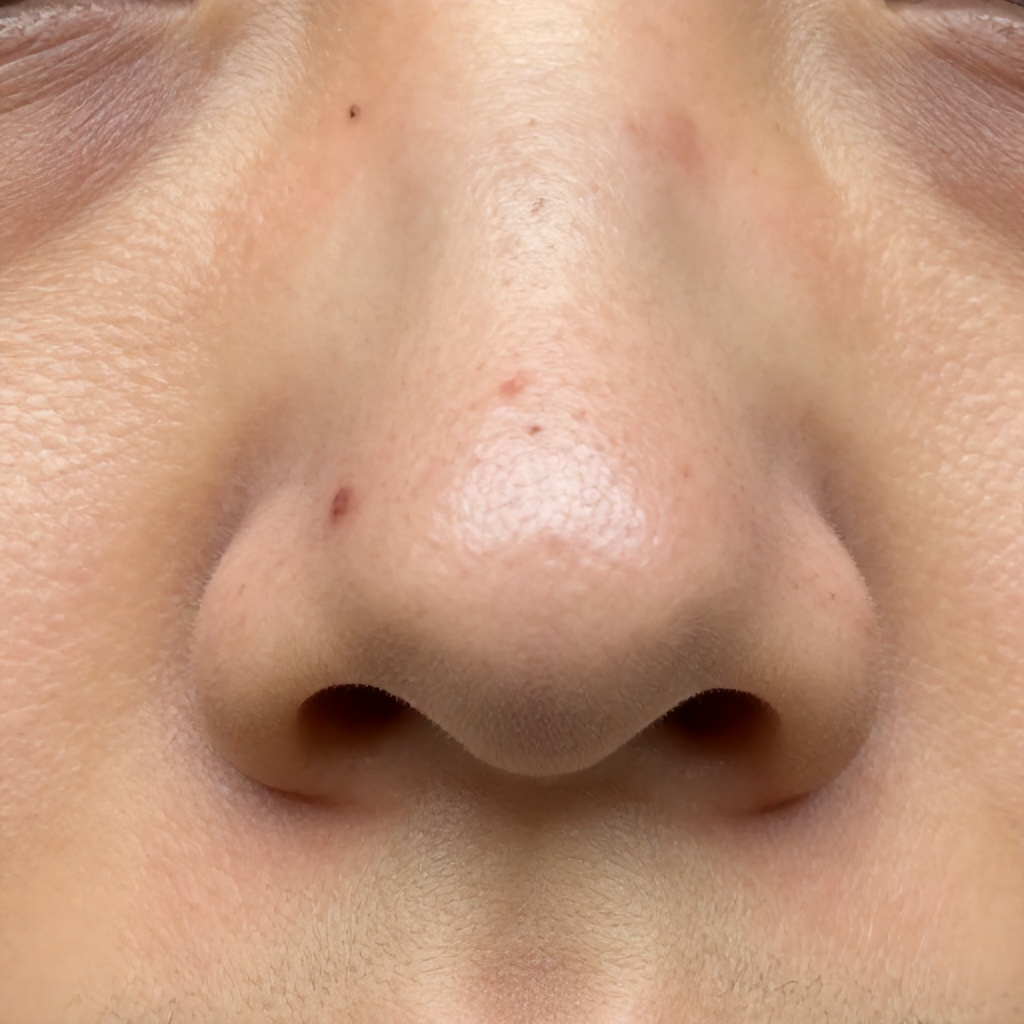
The trouble starts when dead skin cells, instead of shedding naturally, get trapped within the hair follicle. These dead skin cells then mix with the sebum produced by the sebaceous glands. This creates a plug, forming a bump. If the skin covering this bump stays closed, it’s known as a whitehead. However, if the surface of the bump opens up and is exposed to the air, the trapped oil oxidizes, turning a dark brown or black color. This is the distinct appearance of a blackhead.
The Science Behind the Spot
The dark color of a blackhead isn’t dirt, contrary to popular belief. It’s a chemical reaction. The melanin (pigment) in the dead skin cells and the oxidized sebum react with oxygen in the air, causing the dark hue. Understanding this helps dispel myths about blackheads and guides us toward more effective blackhead treatment strategies. They are a direct result of clogged pores, and managing this clogging is key to achieving acne-free skin.
Why Do Blackheads Happen?
Several factors can contribute to the formation of blackheads, making them a common skin concern for many individuals. It’s rarely just one thing, but often a combination of internal and external influences that lead to increased oil production and clogged pores.
Common Triggers for Clogged Pores
-
Hormonal Changes: Fluctuations in hormones are a significant driver of blackhead development. During puberty, menstruation, pregnancy, or even when using certain birth control pills, hormonal shifts can stimulate the sebaceous glands to produce more sebum. This excess oil production makes it easier for pores to become blocked.
-
Certain Medications: Some prescription drugs can have side effects that include increased oiliness and acne. Medications like corticosteroids, lithium, and certain anti-epileptic drugs are known to contribute to the development of blackheads and other forms of acne.
-
Improper Skincare: Not cleansing your face regularly or using products that are too harsh or too heavy can exacerbate the problem. Products that are comedogenic (meaning they tend to clog pores) can directly lead to blackhead formation. A lack of proper exfoliation also allows dead skin cells to accumulate.
-
Genetics: Unfortunately, some people are simply more prone to blackheads due to their genetic makeup. If your parents had oily skin or struggled with acne, you might also have a higher predisposition.
-
Environmental Factors: High humidity, pollution, and even friction from clothing or helmets can irritate the skin and contribute to clogged pores.
-
Diet and Stress: While the link isn’t always direct for everyone, some individuals find that certain foods (especially high-glycemic ones) or periods of high stress can trigger breakouts and increased oil production, indirectly contributing to blackheads.
Your Daily Skincare Routine for Blackhead Prevention
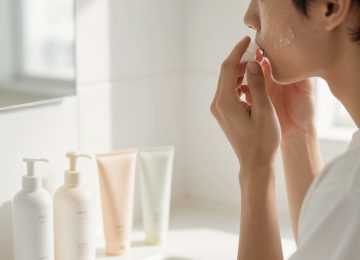
A consistent and thoughtful facial care routine is absolutely essential for preventing blackheads and maintaining skin clarity. It’s not about using a million products, but rather selecting the right ones and applying them correctly every single day. Think of it as a preventative measure, a long-term strategy for clearer skin.
Cleansing: The First Step to Skin Clarity
Cleansing removes dirt, makeup, excess oil, and environmental pollutants that can contribute to clogged pores. This foundational step should happen twice a day, every day – once in the morning and again at night.
-
Choose Wisely: Opt for a gentle cleanser that is appropriate for your skin type. If you have oily or acne-prone skin, look for cleansers containing active ingredients like salicylic acid. Salicylic acid is a beta-hydroxy acid (BHA) that is oil-soluble, meaning it can penetrate into the pore lining to dissolve the mixture of sebum and dead skin cells that form blackheads. Another effective option is benzoyl peroxide, which helps reduce bacteria and excess oil.
-
Technique Matters: Use lukewarm water, not hot, as hot water can strip your skin of its natural oils and cause irritation. Gently massage the cleanser onto your face for about 30-60 seconds, then rinse thoroughly. Avoid harsh scrubbing, which can irritate the skin and potentially worsen breakouts or cause micro-tears.
Exfoliation: Unclogging the Path
Exfoliation is a crucial step in any skincare regimen aimed at preventing blackheads. It helps to remove the buildup of dead skin cells that can otherwise settle into your pores and contribute to blockages. However, it’s a delicate balance; over-exfoliation can lead to skin irritation and actually make things worse.
-
Chemical Exfoliants: These are often preferred for blackhead treatment because they work by dissolving the bonds between dead skin cells. Alpha-hydroxy acids (AHAs) like glycolic acid or lactic acid work on the skin’s surface, improving texture. Beta-hydroxy acids (BHAs), especially salicylic acid, are particularly effective for blackheads because they penetrate oil and exfoliate inside the pore. Start with a lower concentration and use 2-3 times a week.
-
Physical Exfoliants: Scrubs with fine, spherical beads can be used, but avoid anything with harsh, jagged particles (like crushed nut shells) as these can create micro-tears in the skin. Use physical exfoliants sparingly, perhaps once a week, and always with a very light touch.
-
Frequency is Key: For most people, exfoliating 2-3 times a week is sufficient. Listen to your skin; if you notice redness, dryness, or increased sensitivity, reduce the frequency.
Moisturizing: Keeping Skin Balanced
Even if you have oily skin or are prone to blackheads, moisturizing is a non-negotiable step. Skipping moisturizer can actually trick your skin into producing more oil to compensate for dryness, potentially leading to more clogged pores.
-
Choose Non-Comedogenic: Always select a moisturizer labeled “non-comedogenic,” meaning it’s formulated not to clog pores. Look for lightweight, oil-free formulas, especially if your skin tends to be oily.
-
Hydration Benefits: A well-hydrated skin barrier functions better, making it more resilient against environmental stressors and less prone to irritation. Moisturizing after cleansing and exfoliating helps lock in hydration and soothe the skin.
Targeted Treatments: Beyond the Basics
For persistent blackheads, incorporating specific topical treatments can significantly improve skin clarity.
-
Retinoids: Over-the-counter retinoids (like adapalene gel) are excellent for blackhead treatment. They work by increasing cell turnover, which helps to prevent dead skin cells from accumulating and clogging hair follicles. Start slowly, using them a few nights a week, as they can cause initial dryness or sensitivity.
-
Niacinamide: This form of Vitamin B3 is a fantastic ingredient for overall skin health. It helps to regulate oil production, reduce inflammation, and improve the skin barrier function, all of which indirectly contribute to fewer blackheads and a more even skin tone.
Effective Blackhead Treatment Methods
Beyond a solid daily skincare regimen, there are specific blackhead treatment methods that can help clear existing blackheads and prevent new ones from forming. These range from readily available over-the-counter products to professional dermatological solutions.
Over-the-Counter Solutions
Many effective products can be found at your local drugstore or beauty supply store. These are often the first line of defense for a blackhead concern.
-
Salicylic Acid: As mentioned, this BHA is a powerhouse for blackheads. It penetrates oil, helping to break down the material clogging the pore. You can find it in cleansers, toners, and spot treatments. Consistent use is key for maintaining acne-free skin.
-
Benzoyl Peroxide: While primarily known for its effectiveness against inflammatory acne (pimples), benzoyl peroxide also helps reduce excess oil and dead skin cells, making it useful in a broader blackhead treatment plan. It also has antibacterial properties.
-
Topical Retinoids (Adapalene): Adapalene, a type of retinoid, is now available without a prescription. It works by normalizing skin cell turnover, which prevents the formation of new clogged pores. It’s highly effective but requires consistent use over several weeks to see significant results and can cause initial dryness or purging.
Professional Blackhead Removal
For stubborn blackheads or when over-the-counter options aren’t enough, dermatological solutions offered by a professional can be incredibly beneficial.
-
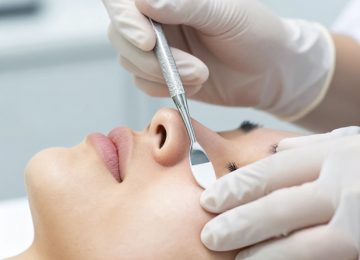
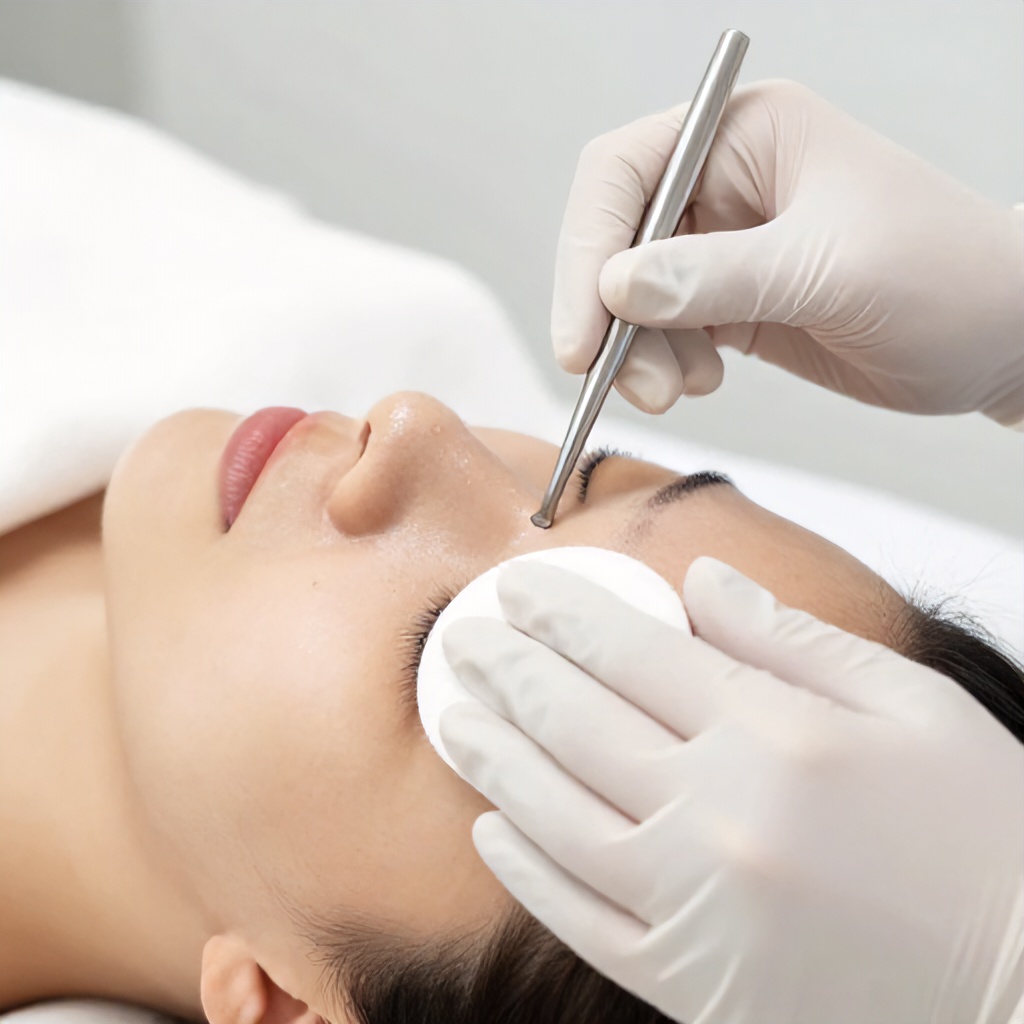
Manual Extractions: A dermatologist or licensed esthetician can safely perform manual extractions using specialized tools. This involves gently applying pressure around the blackhead to remove the clogged material. It’s crucial that this is done by a professional to avoid skin irritation, scarring, or pushing the blockage deeper.
-
Chemical Peels: Superficial chemical peels, often containing AHAs or BHAs in higher concentrations than at-home products, can help exfoliate the skin more deeply. This process removes dead skin cells, promotes cell turnover, and can significantly reduce blackheads over time, improving overall skin clarity.
-
Microdermabrasion: This procedure uses a specialized device to gently abrade the top layer of skin, removing dead skin cells and encouraging healthy cell renewal. It can help to refine skin texture and reduce the appearance of blackheads by keeping pores clear.
-
Prescription Retinoids: If over-the-counter retinoids aren’t strong enough, a dermatologist can prescribe stronger topical retinoids (like tretinoin) that are highly effective at preventing and treating comedones.
Home Remedies: What Works and What Doesn’t
The internet is full of DIY blackhead treatment ideas, but it’s important to approach these with caution to avoid skin irritation or damage.
-
Steam: Steaming your face can help soften the hardened sebum in your pores, making blackheads potentially easier to extract (if done professionally). However, steam alone won’t remove them, and excessive heat can sometimes irritate sensitive skin.
-
Clay Masks: Many clay masks are excellent for absorbing excess oil and drawing out impurities from the pores. Look for masks containing bentonite or kaolin clay. These can be a helpful addition to your skincare regimen once or twice a week.
-
Pore Strips: While satisfying to peel off, pore strips offer only a temporary solution. They remove the very top layer of oxidized sebum but don’t address the underlying issue of clogged pores or prevent future blackheads. They can also be irritating for sensitive skin.
-
Avoid DIY Extractions: Trying to squeeze or pick at blackheads yourself can lead to skin irritation, inflammation, infection, and even permanent scarring. Leave extractions to the professionals.
Preventative Measures for Acne-Free Skin
Beyond your daily facial care routine and specific treatments, several lifestyle adjustments and habits can significantly contribute to preventing blackheads and maintaining truly acne-free skin. These preventative measures are about creating an environment where your skin can thrive.
Lifestyle Choices for Clearer Skin
Your overall health and daily habits play a bigger role in skin clarity than you might think.
-
Diet and Hydration: While diet isn’t a direct cause for everyone, some people notice a correlation between high-glycemic foods (sugary snacks, refined carbs) and breakouts. Focus on a balanced diet rich in fruits, vegetables, and whole grains. Staying well-hydrated by drinking plenty of water also supports healthy skin function.
-
Stress Management: Stress can trigger hormonal responses that increase oil production, making your skin more prone to blackheads. Incorporate stress-reducing activities into your routine, such as exercise, meditation, yoga, or spending time in nature.
-
Regular Exercise: Physical activity boosts circulation, which helps deliver oxygen and nutrients to skin cells. Just remember to cleanse your face promptly after sweating to prevent sweat and dirt from clogging pores.
-
Change Pillowcases Regularly: Your pillowcase can accumulate oil, dead skin cells, and bacteria from your hair and face. Changing it every few days can reduce exposure to these pore-clogging culprits.
Makeup and Product Choices
What you put on your skin matters, especially when you’re trying to prevent clogged pores.
-
Go Non-Comedogenic: Always look for makeup, sunscreen, and other skincare products labeled “non-comedogenic” or “non-acnegenic.” These are formulated to be less likely to clog pores.
-
Clean Your Makeup Brushes: Dirty makeup brushes harbor bacteria, oil, and old makeup, which can transfer to your face and contribute to blackheads and pimple removal challenges. Clean them regularly with a gentle soap or brush cleanser.
-
Remove Makeup Thoroughly: Never go to bed with makeup on. Use a dedicated makeup remover, followed by your regular cleanser, to ensure all traces of makeup are gone.
The Importance of Not Picking
It can be tempting to try and squeeze blackheads, but this is one of the worst things you can do for your skin. Picking at any skin concern can cause significant damage.
-
Risk of Skin Irritation and Inflammation: Aggressive squeezing can push the contents of the blackhead deeper into the skin, leading to more severe inflammation, redness, and even painful cysts.
-
Scarring: Improper extraction can damage the skin tissue, resulting in post-inflammatory hyperpigmentation (dark spots) or even permanent pitted scars.
-
Spreading Bacteria: Your fingers carry bacteria. Picking can introduce new bacteria into the pore, potentially leading to infection or turning a simple blackhead into an inflamed pimple.
When to See a Professional
While many blackheads can be managed with a consistent skincare regimen and over-the-counter products, there are times when it’s best to seek the advice of a dermatologist. They can offer stronger treatments and personalized guidance for your specific skin concern.
-
Persistent Blackheads: If you’ve been diligently following a routine for several weeks and still see no improvement, or if your blackheads seem to be getting worse, a dermatologist can help identify underlying causes and prescribe more potent blackhead treatment options.
-
Severe Acne: If your blackheads are accompanied by painful cysts, nodules, or widespread inflammatory acne, a dermatologist can provide comprehensive dermatological solutions, including prescription medications like oral antibiotics or isotretinoin, if necessary.
-
Skin Irritation or Sensitivity: If your skin becomes excessively dry, red, or irritated from your current products, a professional can help adjust your skincare regimen to be both effective and gentle.
-
Concerns About Scarring: If you’re worried about existing dark spots or potential scarring from blackheads or pimple removal attempts, a dermatologist can offer treatments like chemical peels, laser therapy, or microneedling to improve skin texture and tone.
Taking a proactive and consistent approach to your skincare, combined with healthy lifestyle choices, is your best bet for achieving and maintaining clear, healthy skin. Blackheads don’t have to be a permanent fixture; with the right knowledge and tools, you can effectively manage and prevent them.