
Understanding Moles: What They Are, Why They Matter, and What to Do
Moles are common skin growths that most people have, and they typically aren’t a cause for concern. These small, often pigmented spots or bumps develop when pigment-producing cells in your skin, called melanocytes, grow in clusters. While most moles are harmless, it’s important to know what to look for and when to seek professional advice, as some moles can indicate a higher risk of skin cancer.


What Exactly Are Moles?
Moles, scientifically known as melanocytic nevi, are essentially clusters of melanocytes. Melanocytes are the cells responsible for producing melanin, the pigment that gives our skin, hair, and eyes their color. When these cells group together instead of being spread evenly throughout the skin, a mole forms. They can appear anywhere on the body, and their appearance can vary greatly.
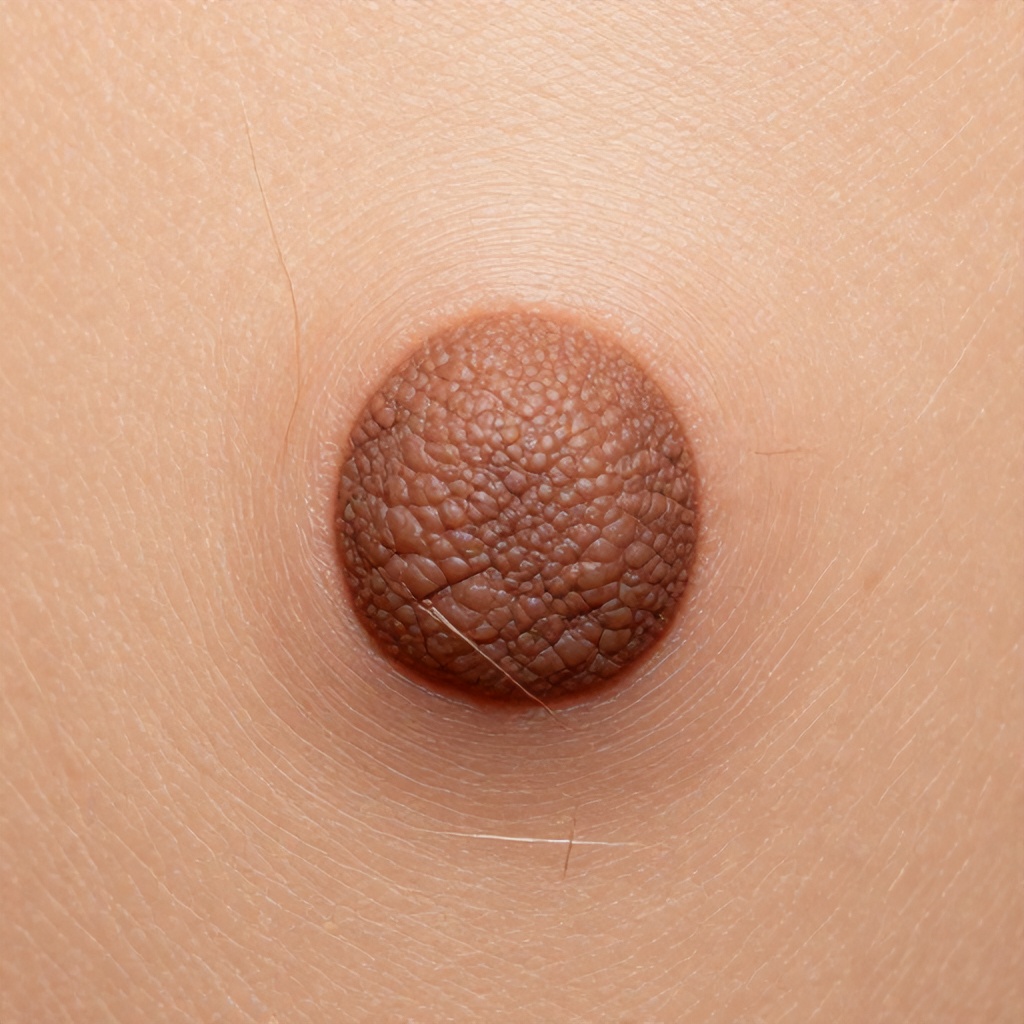
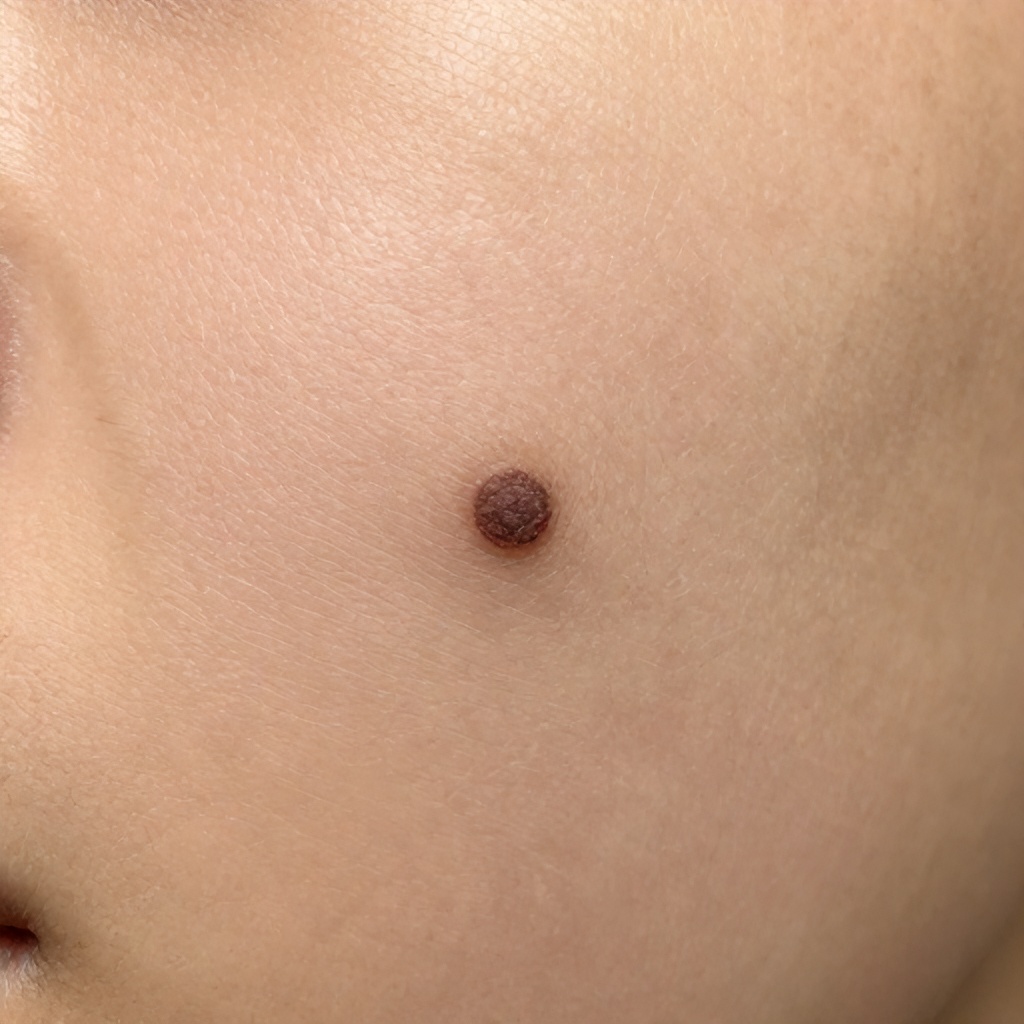
Moles can be flat or raised. They might feel smooth to the touch, or they could have a rough, even wart-like texture. Some moles even have hair growing out of them, which is perfectly normal. The color of moles can range from tan, yellow, brown, blue-gray, to almost black. Sometimes, a mole might appear red initially, especially if it’s irritated, but they usually darken over time. The size of moles also varies; most are small, but some can be larger.
The number of moles a person has can be influenced by genetics and sun exposure. People with fairer skin tones tend to have fewer moles than those with darker skin, though moles can occur on all skin types. It’s also common for moles to appear during childhood and adolescence, and new moles can continue to develop into adulthood. Hormonal changes, such as those during pregnancy or puberty, can sometimes cause existing moles to darken or new ones to appear.
Types of Moles
There are several types of moles, and understanding these differences can be helpful:
- Common Moles: These are the most frequent type, usually small (less than 6 millimeters, or about the size of a pencil eraser), symmetrical, and have a uniform color and border. They are generally benign.
- Atypical Moles (Dysplastic Nevi): These moles are often larger than common moles and tend to have irregular borders and varied colors, with shades of tan, brown, or pink. They can sometimes resemble melanoma, making them important to monitor. While most atypical moles are benign, having many of them can increase your risk of developing melanoma.
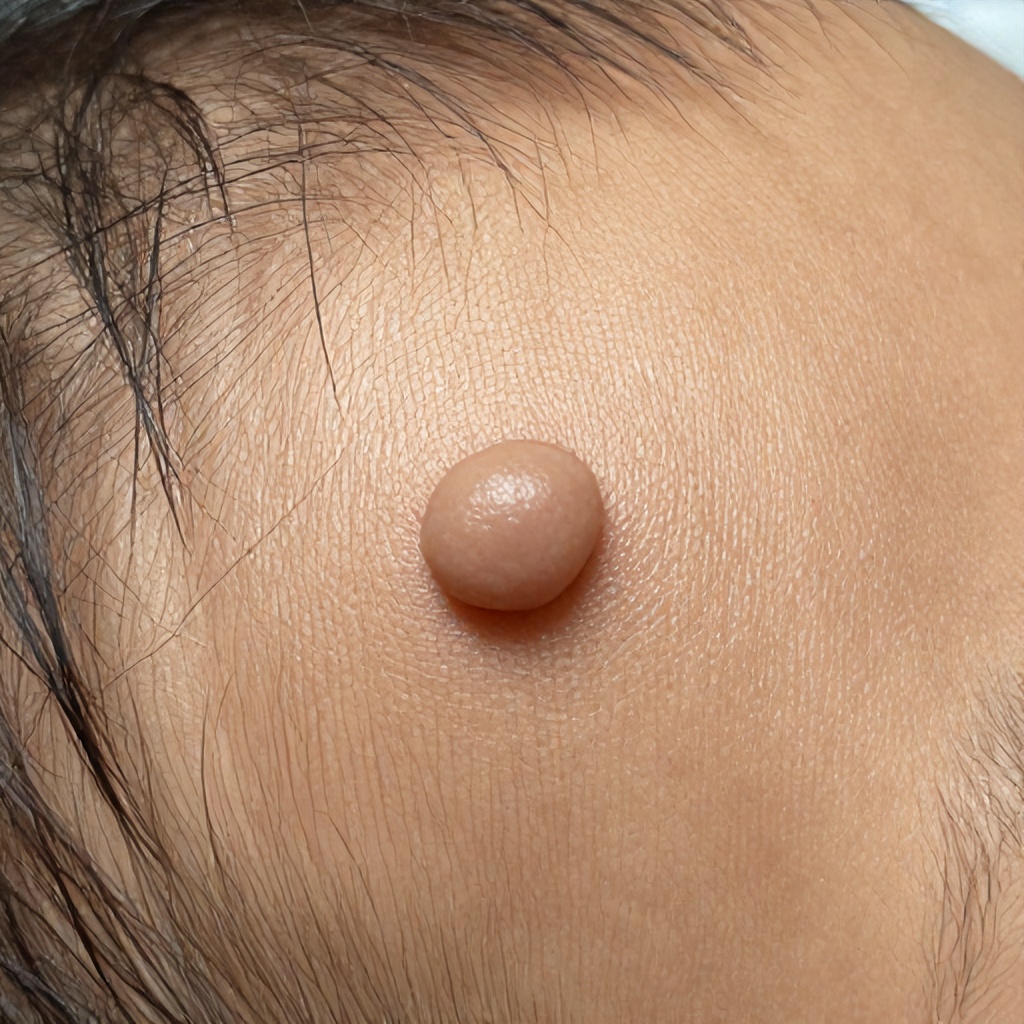
- Congenital Moles: These are moles present at birth. They can vary in size and may be more likely to develop into melanoma than common moles, especially if they are very large.
- Spitz Moles: These moles often appear suddenly and can grow quickly. They are typically pink, raised, and dome-shaped, and can sometimes be mistaken for melanoma, requiring careful evaluation by a dermatologist.
- Acquired Moles: These are moles that develop after birth, typically in response to sun exposure and genetic factors.
Why Do Moles Matter?
For the most part, moles are simply a normal part of our skin’s landscape. However, they matter for a few key reasons:
Firstly, moles are indicators of melanocyte activity. While most are benign skin growths, they are also the most common site where melanoma, a serious form of skin cancer, can develop. Understanding the characteristics of your moles and noticing any changes is a vital part of early detection. Early detection of melanoma significantly improves treatment outcomes and survival rates.
Secondly, the tendency to develop certain types of moles, particularly atypical moles, can be hereditary. If skin cancer or numerous moles run in your family, it’s a signal to be more vigilant about your own skin health. This hereditary skin condition aspect means that family history is an important piece of information for your doctor.
Thirdly, even benign moles can sometimes cause discomfort or cosmetic concerns. Moles that are located in areas prone to friction, like under a belt or bra strap, can become irritated and painful. For some individuals, the appearance of moles, especially if they are numerous or unusually located, can affect their self-esteem. In such cases, mole removal might be considered for comfort or aesthetic reasons.
Finally, the presence of a large number of moles, particularly over 50, is associated with a slightly increased risk of melanoma. This doesn’t mean everyone with many moles will get melanoma, but it does mean they should be extra diligent about self-monitoring and regular dermatological examinations. This increased skin cancer risk underscores the importance of proactive skin care.
What Causes Moles to Appear and Change?
The development of moles is primarily influenced by genetics and sun exposure. Melanocytes are responsible for producing melanin, which protects our skin from the sun’s harmful ultraviolet (UV) rays. When these cells are stimulated by UV radiation, they can multiply and cluster, forming moles. This is why people who have had significant sun exposure, especially blistering sunburns, often have more moles.
Hormonal fluctuations can also play a role. During puberty, pregnancy, and even with the use of certain hormonal medications, moles may appear, darken, or change in size. This is because hormones can stimulate melanocytes.
As we age, moles can also change. Some moles may fade or disappear over time, while new ones can emerge. It’s not uncommon for moles to become slightly raised or change in texture as a person gets older. However, any rapid or significant change should always be evaluated by a healthcare professional.
It’s important to distinguish between normal changes and potentially concerning ones. While some evolution of moles is natural, dramatic shifts in appearance are what warrant attention. The key is to be familiar with your own skin and its usual patterns.
Recognizing Potentially Problematic Moles: The ABCDEs
One of the most effective tools for self-monitoring moles is the ABCDEs of melanoma. This mnemonic helps you remember the key warning signs that a mole might be changing into something more serious, like melanoma. Regularly checking your moles using these guidelines can be a lifesaver.
- A is for Asymmetry: If you draw a line through the middle of a mole, the two halves should look similar. If one half doesn’t match the other, it’s a sign of asymmetry and could be concerning.
- B is for Border: The edges of a normal mole are usually smooth and even. If a mole has irregular, notched, blurred, or scalloped borders, it’s a warning sign.
- C is for Color: Most moles are a single shade of brown or tan. If a mole has multiple colors within it, such as different shades of brown, black, tan, or even patches of red, white, or blue, it needs to be checked.
- D is for Diameter: Melanomas are often larger than 6 millimeters (about the size of a pencil eraser) when diagnosed, but they can start smaller. If a mole is larger than this, or if it’s growing larger, pay attention.
- E is for Evolving: This is perhaps the most important sign. Any change in a mole’s size, shape, color, elevation, or any new symptom such as bleeding, itching, or crusting, should be evaluated. Moles that look different from your other moles (the “ugly duckling” sign) also warrant attention.
It’s crucial to remember that not all melanomas will fit these criteria perfectly, and some benign moles might exhibit one or two of these features. However, if you notice any of these changes, especially multiple changes occurring together, it’s essential to consult a dermatologist promptly. This self-monitoring is a critical step in managing your skin cancer risk.
When to See a Doctor: Diagnosis and Evaluation
If you notice any of the ABCDEs in your moles, or if a mole simply looks different from the others on your body, it’s time to schedule an appointment with a healthcare professional. This usually means seeing your primary care physician or, ideally, a dermatologist. They are experts in diagnosing skin conditions.
The diagnostic process typically begins with a thorough dermatological examination. The doctor will carefully inspect your skin, looking at all your moles, paying close attention to any that you’ve identified as concerning. They may use a dermatoscope, a special magnifying instrument with a light source, which allows them to see the structures within the mole more clearly than the naked eye.
If a mole appears suspicious, the next step is often a biopsy. This is a minor surgical procedure where a sample of the mole, or the entire mole, is removed. The skin lesion is then sent to a laboratory for dermatopathology, where a pathologist examines the cells under a microscope to determine if they are cancerous or benign. The procedure is usually done under a local anesthetic, making it relatively painless.
There are a few ways a biopsy can be performed:
- Shave Biopsy: The doctor shaves off the top layers of the suspicious lesion.
- Punch Biopsy: A small, circular tool is used to “punch” out a small core of the lesion.
- Excisional Biopsy: The entire mole or suspicious area is surgically cut out. This is often done for moles that are highly suspicious for melanoma.
The results of the biopsy will tell the doctor whether the mole is benign, atypical, or malignant. This information is critical for determining the best course of action, whether it’s simply monitoring the area, removing more tissue if cancer is found, or treating the condition.
Treatment Options for Moles
The treatment for moles depends entirely on their nature. Most moles, being benign, do not require any treatment at all.
When Treatment is Recommended
Treatment is generally considered in a few situations:
- Suspicion of Melanoma or Other Skin Cancer: If a biopsy reveals melanoma or another type of skin cancer, prompt and appropriate treatment is essential. This might involve further surgical excision to ensure all cancerous cells are removed, and in some cases, additional treatments like immunotherapy or targeted therapy may be necessary, depending on the stage of the cancer.
- Atypical Moles: If a mole is diagnosed as significantly atypical (dysplastic), a dermatologist may recommend its removal to prevent it from potentially developing into melanoma. This is especially true for moles with severe atypia or those that are large.
- Cosmetic Concerns: If a mole is bothersome due to its appearance and affects your self-confidence, you can discuss mole removal options with your dermatologist.
- Irritation or Discomfort: Moles that are frequently irritated by clothing, shaving, or other activities can be removed to prevent ongoing discomfort or potential complications like infection or bleeding.
Methods of Mole Removal
If mole removal is deemed necessary, several methods are available:
- Surgical Excision: This is the most common method for removing moles, especially those that are suspicious for cancer. The dermatologist numbs the area with a local anesthetic and then surgically cuts out the entire mole, along with a small margin of surrounding healthy skin. The wound is then closed with stitches. This method ensures that the entire lesion is removed for examination and provides the best chance of removing all cancerous cells if present.
- Shave Excision: For moles that are raised above the skin’s surface and are not suspected of being cancerous, a shave excision might be used. After numbing the area, the dermatologist uses a surgical blade to shave off the mole at the level of the surrounding skin. This method is quick and often leaves minimal scarring, but it doesn’t remove the entire depth of the mole, so it’s not suitable for suspicious lesions.
- Cryotherapy (Freezing): This method uses liquid nitrogen to freeze and destroy the mole tissue. It’s typically used for small, non-cancerous growths.
- Laser Treatment: Lasers can be used to break down pigment in moles or to remove superficial moles. This is often used for cosmetic purposes or for very small, benign moles. However, it may not be suitable for all types of moles, especially those that are deep or suspicious.
The choice of removal method will depend on the size, location, depth, and suspected nature of the mole. Your dermatologist will discuss the best option for your specific situation.
Prevention and Self-Monitoring: Taking Charge of Your Skin Health
While you can’t always prevent moles from forming, especially those influenced by genetics, you can take steps to reduce your risk of developing concerning moles and melanoma, and to catch any problems early.
Sun Protection is Key: The most significant environmental factor contributing to mole development and skin cancer is exposure to ultraviolet (UV) radiation from the sun and tanning beds. Practicing sun safety is paramount:
- Seek Shade: Especially during peak sun hours (typically 10 a.m. to 4 p.m.).
- Wear Protective Clothing: Long-sleeved shirts, pants, wide-brimmed hats, and UV-blocking sunglasses can offer significant protection.
- Use Sunscreen Daily: Apply a broad-spectrum sunscreen with an SPF of 30 or higher to all exposed skin, even on cloudy days. Reapply every two hours, or more often if swimming or sweating.
- Avoid Tanning Beds: These emit intense UV radiation and significantly increase your risk of skin cancer.
Regular Self-Monitoring: Get to know your skin. Perform a full-body skin check at least once a month. Use a full-length mirror and a hand-held mirror to see hard-to-reach areas like your back, scalp, and between your toes. Look for any new moles or changes in existing ones, using the ABCDEs as your guide. If you have a family history of skin cancer or a large number of moles, consider having a partner or family member help you check areas you can’t see easily.
Professional Skin Examinations: Schedule regular check-ups with a dermatologist. The frequency of these visits will depend on your individual risk factors, such as your skin type, history of sun exposure, family history of skin cancer, and the number and type of moles you have. For many people, an annual skin exam is recommended, but your dermatologist will advise you on the best schedule for your needs.
Be Aware of Your Family History: If skin cancer or hereditary skin conditions related to moles are prevalent in your family, be sure to inform your doctor. This information can help them tailor their screening and advice for you.
By combining diligent sun protection with regular self-monitoring and professional dermatological diagnosis, you can significantly reduce your risk of developing advanced skin cancer and ensure that any skin growths are addressed promptly and appropriately.
Simple Do’s and Don’ts for Mole Care
DO:
- Regularly examine your skin for new or changing moles.
- Use the ABCDEs of melanoma as a guide during self-checks.
- Wear sunscreen with SPF 30 or higher daily.
- Seek shade during peak sun hours.
- See a dermatologist for any concerning moles or for regular skin check-ups.
- Know your family history of skin cancer.
DON’T:
- Ignore moles that change in size, shape, or color.
- Use tanning beds or artificial tanning devices.
- Pick at or scratch your moles.
- Delay seeing a doctor if you have a suspicious mole.
- Assume a mole is harmless just because it’s been there for a long time.
Understanding moles is about being informed and proactive. While most are benign, paying attention to their appearance and any changes is a crucial part of maintaining good skin health and reducing the risk of skin cancer. If you have any doubts or concerns about a mole, always consult with a qualified healthcare professional.