
Clinical acne treatment creates a measurable shift in skin health that goes far beyond just clearing up active breakouts. When you move from over-the-counter trial and error to professional dermatological intervention, the goal shifts from simple spot-treating to long-term dermal health. You are essentially resetting the skin’s baseline, addressing the root causes of congestion, and actively working to reverse the damage left behind by years of inflammation. The visible results of this process often unfold in distinct stages, moving from the calming of active inflammatory lesions to the gradual smoothing of skin texture refinement.

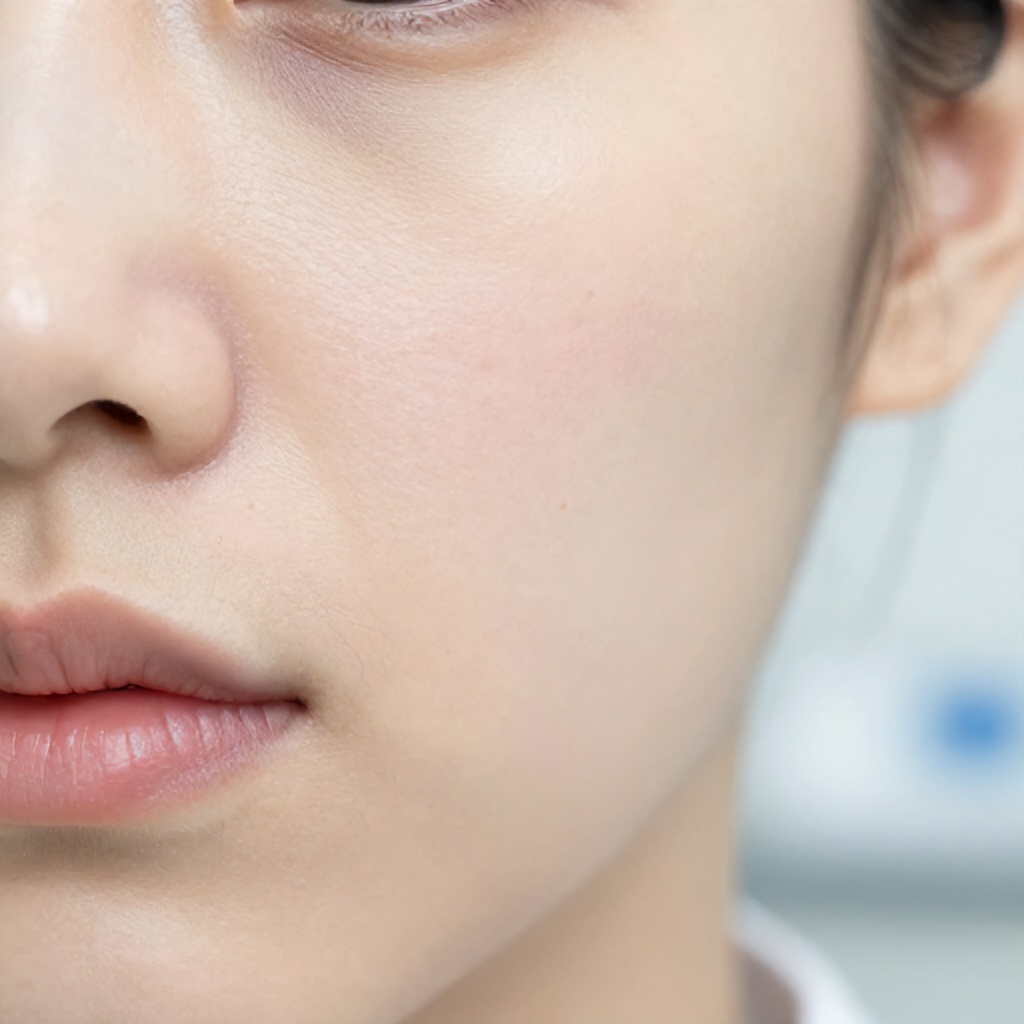
The First Phase: Calming the Storm
The initial weeks of a professional acne management plan focus almost entirely on stabilization. If your skin is currently dealing with active, painful breakouts, the first priority is reducing cutaneous inflammation. This phase is rarely about immediate perfection. Instead, it is about stopping the cycle of new lesions. A dermatologist might prescribe topical retinoids, oral medications, or specific chemical peels to control the rate of cell turnover and kill bacteria deep within the follicle.
During this period, you might notice facial erythema, or persistent redness, as the skin adjusts to potent active ingredients. This is a normal part of the process. Your skin barrier repair is the most important factor here. If you strip the skin too aggressively, you invite more irritation. Focus on a gentle, non-comedogenic cleanser and a moisturizer that supports the lipid barrier. The goal is to create a calm environment where the skin can actually heal itself.
Managing Expectations During the Purge
Many people experience a temporary worsening of their skin during the first month of treatment. This phenomenon, often called purging, happens because the treatment is accelerating cell turnover, bringing underlying congestion to the surface faster than usual. It feels like a setback, but it is actually a sign that the medication is working. Do not stop your routine. Keep the skin hydrated and protected from the sun. The purge is temporary, usually lasting two to four weeks, and it is the necessary precursor to the clearer skin you are aiming for.
The Middle Phase: Addressing Texture and Tone
Once the active breakouts have subsided, the focus shifts to the aftermath. Acne management is only half the battle; the other half is dealing with the physical evidence left behind. This is where you start to see real complexion improvement. Hyperpigmentation reduction is often the most noticeable change during this stage. Those stubborn dark spots that linger after a pimple heals are essentially trapped pigment, and professional treatments like targeted chemical peels or laser therapy can help break that pigment down.
Skin tone evening is a slow process, but it is incredibly rewarding. You will notice that your foundation or concealer covers more easily, or perhaps you find you do not need as much coverage at all. This is the result of consistent dermatological efficacy. The skin is no longer fighting constant inflammation, so it can focus its energy on repairing the surface layer. You might also notice pore minimization as the follicles are cleared of debris and the surrounding skin becomes firmer and more elastic.
The Role of Professional Resurfacing
If you are dealing with deeper acne scarring, topical creams alone will not provide the results you want. Skin resurfacing procedures, such as microneedling or fractional laser treatments, work by creating controlled micro-injuries in the skin. This triggers the body’s natural healing response, stimulating collagen production and filling in indented scars. The before and after results of these procedures are often dramatic, but they require patience. You are essentially rebuilding the structure of your skin from the inside out.
- Microneedling sessions are typically spaced four to six weeks apart to allow for full healing.
- Laser resurfacing requires significant downtime, often involving a week of redness and peeling.
- Chemical peels vary in strength, with lighter peels requiring no downtime and deeper peels requiring a recovery period of several days.
- Always follow your provider’s post-treatment recovery instructions to ensure the best possible therapeutic skin outcomes.
Long-Term Maintenance and Dermal Health
Achieving clear skin is not a one-time event. It is a commitment to a lifestyle that supports your skin’s ongoing needs. Once you have reached your desired level of visible skin clarity, the goal changes to maintenance. This means sticking to a routine that prevents future congestion while continuing to support the health of your skin barrier. You might transition to a lower-strength retinoid or incorporate antioxidants like Vitamin C to protect against environmental damage and maintain that bright, even tone you worked so hard to achieve.
Aesthetic dermatology is not just about fixing problems; it is about preventative care. Regular check-ins with your dermatologist allow you to adjust your routine as your skin changes with the seasons, your age, or your stress levels. Acne-prone skin requires a specific type of care that balances potency with gentleness. Never assume that because your skin is clear, you can stop using your prescribed products. Consistency is the primary driver of long-term success.
Protecting Your Investment
Sun protection is the single most important step in maintaining your results. UV rays can darken post-acne marks, making them last months longer than they otherwise would. Furthermore, sun damage weakens the skin structure, which can make scarring appear more pronounced. Use a broad-spectrum sunscreen every single day, regardless of the weather. Look for formulas labeled non-comedogenic or oil-free to ensure they will not clog your pores while you are out and about.
Understanding the Science of Transformation
The dermatological transformation you see in the mirror is the result of complex biological processes. When we talk about epidermal rejuvenation, we are talking about the removal of dead, damaged cells and the promotion of healthy, new cell growth. This is why professional treatments are so effective; they are designed to bypass the limitations of over-the-counter products by delivering active ingredients deeper into the skin or by physically removing the top layers of the epidermis.
Inflammatory lesions are not just surface-level issues. They involve the entire follicle, often reaching deep into the dermis. This is why acne scarring occurs—the inflammation is so severe that it damages the collagen fibers that give the skin its structure. By treating the inflammation early and effectively, you are preventing the long-term structural damage that leads to deep, permanent scarring. This is the true value of professional intervention.
- Consultation: A professional assesses your skin type, history, and goals.
- Treatment Plan: A customized regimen is created, often combining topicals and procedures.
- Active Phase: The focus is on clearing current breakouts and reducing inflammation.
- Refinement Phase: The focus shifts to texture, tone, and scar reduction.
- Maintenance Phase: A long-term routine is established to keep the skin clear and healthy.
Common Misconceptions About Clinical Results
There is a lot of misinformation regarding how quickly skin can change. Social media often highlights instant results, but real clinical skincare results take time. You are working with the biological clock of your skin cells, which typically turn over every 28 to 40 days. Any treatment that claims to fix deep-seated issues overnight is likely ignoring the reality of how skin heals. Be wary of products that promise miracles without a clear explanation of how they work.
Another common mistake is thinking that more is better. Using too many active ingredients at once can lead to a compromised skin barrier, which actually makes acne worse. Your skin needs time to recover between treatments. If you are using a retinoid, you do not need to use a harsh physical scrub or a high-percentage acid toner on the same day. Keep your routine simple, focused, and evidence-based. If you are unsure about a product, ask your dermatologist before adding it to your regimen.
The Emotional Impact of Skin Improvement
While we often focus on the physical aspects of skin health, the emotional component is just as significant. Dealing with acne can be incredibly isolating and frustrating. Seeing your skin improve, watching the redness fade, and feeling the texture smooth out can have a profound effect on your confidence. This is not vanity; it is about feeling comfortable in your own skin. The process of healing your skin often leads to a deeper understanding of your own body and what it needs to thrive.
Take photos throughout your journey. It is easy to forget where you started when you are looking at your skin every single day. A side-by-side comparison after three or six months can be incredibly motivating. You will likely see changes that you did not notice in the moment—a subtle brightening here, a smoother patch there. These small wins add up to a significant overall improvement in your complexion.
Building a Sustainable Routine
The best routine is the one you can actually stick to. If you have a ten-step process that takes thirty minutes every night, you will eventually stop doing it. Focus on the essentials: a gentle cleanser, a treatment product recommended by your professional, a moisturizer, and sunscreen. If you want to add more, do it slowly. Introduce one new product at a time and wait at least two weeks to see how your skin reacts before adding anything else.
Remember that your skin is a living organ. It will react to your diet, your sleep, your stress levels, and the environment. There will be days when your skin looks perfect and days when it looks less than ideal. This is normal. The goal is not to have perfect skin every single day, but to have a healthy, resilient skin barrier that can handle the ups and downs of life. By focusing on consistent, professional-grade care, you are giving your skin the best possible chance to look and feel its best for years to come.
Final Thoughts on Your Skin Journey
Your path to clearer skin is unique to you. What works for one person may not work for another, which is why a personalized approach is so essential. Do not be afraid to ask questions, seek second opinions, and advocate for your own skin health. You are the expert on your own experience, and your dermatologist is the expert on the science. Together, you can create a plan that delivers real, lasting results.
The journey from active acne to clear, healthy skin is a marathon, not a sprint. It requires patience, dedication, and a willingness to trust the process. When you look back at your before and after photos, you will see more than just a change in your skin. You will see the result of your commitment to your own well-being. Keep going, stay consistent, and celebrate the progress you make along the way. Your skin will thank you for it.
As you continue your journey, keep an eye on how your skin feels, not just how it looks. A healthy skin barrier feels soft, hydrated, and comfortable. If your skin feels tight, itchy, or constantly inflamed, it is a sign that your routine needs adjustment. Listen to these signals. They are your skin’s way of communicating what it needs. A balanced approach that prioritizes both treatment and nourishment will always yield the best long-term outcomes.
Finally, remember that your worth is not tied to the clarity of your skin. While it is wonderful to see improvements and feel more confident, your value remains the same regardless of what you see in the mirror. Use your skincare routine as a moment of self-care, a way to show yourself kindness and respect. When you approach your skin health from a place of care rather than a place of frustration, the entire process becomes much more sustainable and rewarding.
Stay focused on the long-term goals. The small, daily actions—the consistent application of sunscreen, the gentle cleansing, the regular use of your prescribed treatments—are what build the foundation for a lifetime of healthy skin. You are doing the work, and the results will follow. Keep your head up, stay consistent, and enjoy the process of becoming more comfortable in your own skin.
The beauty of modern dermatology is that we have more tools than ever before to manage and treat acne effectively. Whether you are dealing with mild congestion or severe, scarring acne, there is a path forward. By combining professional guidance with a practical, consistent home routine, you can achieve the skin you have always wanted. It takes time, but the results are well worth the effort. Your skin is resilient, and with the right support, it can heal, renew, and thrive.
Keep learning about your skin. The more you understand about how your skin functions, the better equipped you will be to make informed decisions about your care. Read reputable sources, ask your dermatologist questions, and pay attention to how your skin responds to different ingredients. You are the best advocate for your own skin health, and the knowledge you gain today will serve you for the rest of your life.
As you move forward, remember that every step you take is progress. Even on the days when you feel like you are not seeing changes, your skin is working hard to repair and renew itself. Trust the process, stay consistent with your routine, and be kind to yourself. You are on the right track, and the results you are working toward are within reach. Keep going, stay patient, and enjoy the journey to healthier, clearer skin.
The final result of your dermatological journey is not just a clear complexion, but a sense of empowerment. You have taken control of your skin health, learned what works for your unique needs, and invested in your long-term well-being. That is a significant achievement. Wear your clear skin with pride, knowing that you earned it through dedication and care. You have built a foundation that will support your skin for years to come, and that is the most important result of all.