
Improving your flexibility through beginner yoga is about creating a sustainable routine that helps you move through daily life with less stiffness and more ease. Flexibility training is not just about performing impressive shapes on a mat; it is about lengthening tight muscles and improving your overall range of motion so that simple tasks like reaching for a high shelf or bending to tie your shoes feel effortless. By focusing on consistent practice, you can address common issues like back pain and poor posture while building a foundation for long-term physical health.

Understanding the Benefits of Flexibility
When you commit to a regular yoga practice, you are doing more than just stretching. You are teaching your nervous system to relax into new positions, which allows your muscles to become more pliable over time. Many people carry stress in their shoulders, hips, and lower back, leading to chronic discomfort. Yoga foundations help you identify these areas of tension and provide the tools to release them safely.
One of the primary life-changing benefits of this practice is the reduction of back pain. Many of us spend hours hunched over desks or looking down at screens, which causes the muscles in the chest to tighten and the muscles in the back to weaken. Through specific yoga poses for flexibility, you can counteract this slouching, leading to noticeable posture improvement. As your spine becomes more mobile, you will likely find that you stand taller and breathe more fully.
Mobility is another key factor. While flexibility refers to the length of your muscles, mobility refers to how well your joints move through their full range. A good stretching routine addresses both. When your muscles are supple and your joints are lubricated, you are less likely to experience the aches that often accompany aging or sedentary lifestyles. You will find that you can move with more grace and confidence, whether you are playing with your kids, gardening, or simply walking through your home.
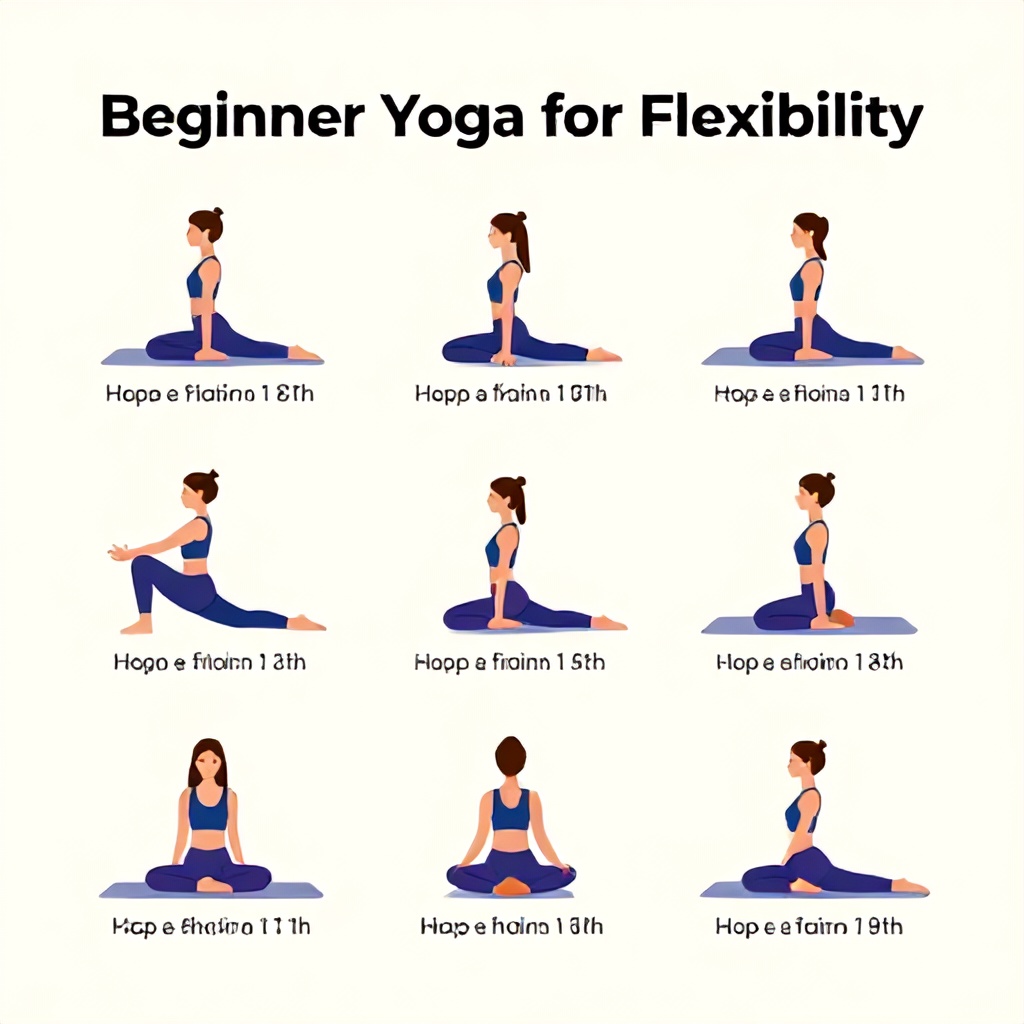
Always prioritize good form over depth. It is better to perform a pose with a slight bend in your knees and a straight spine than to force your body into a position that causes pain. Use yoga props like blocks or straps to bring the floor closer to you if you feel like you are straining to reach your toes.
Essential Poses for Your Routine
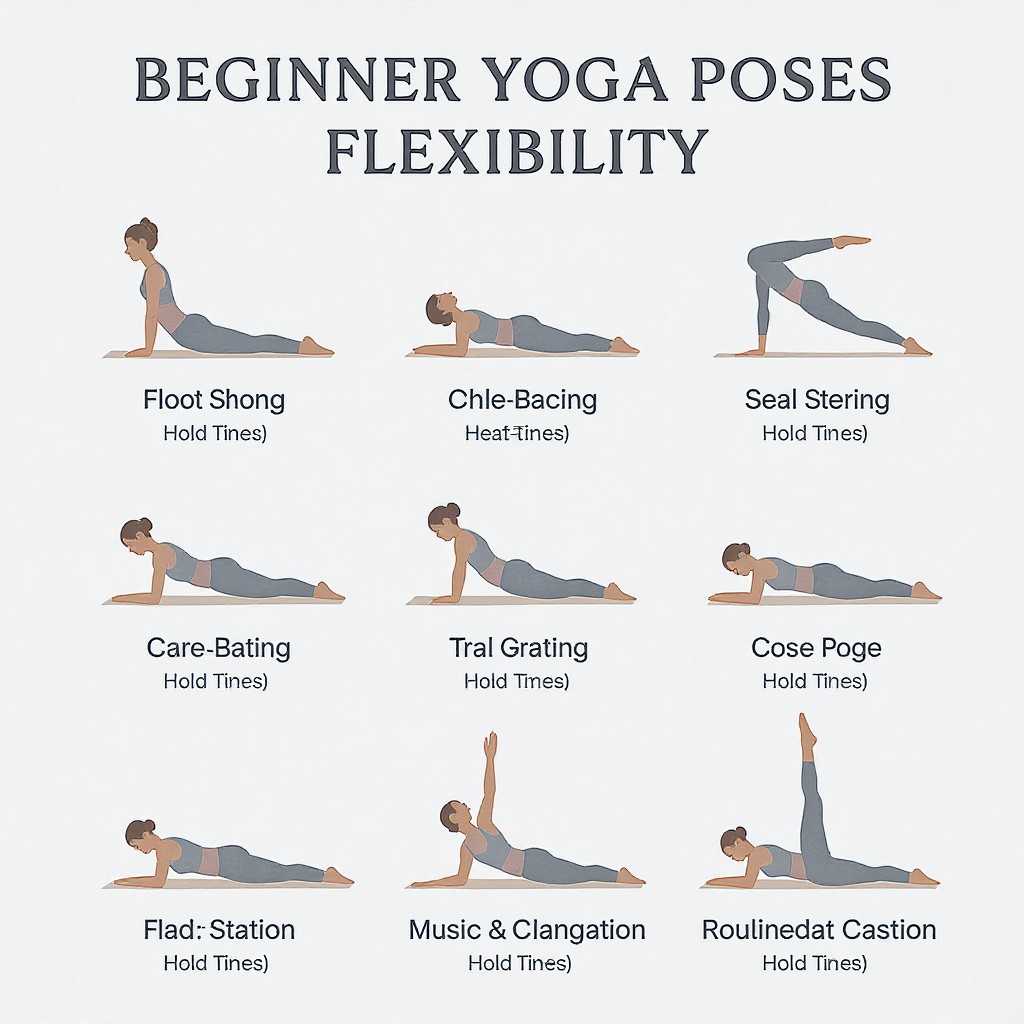
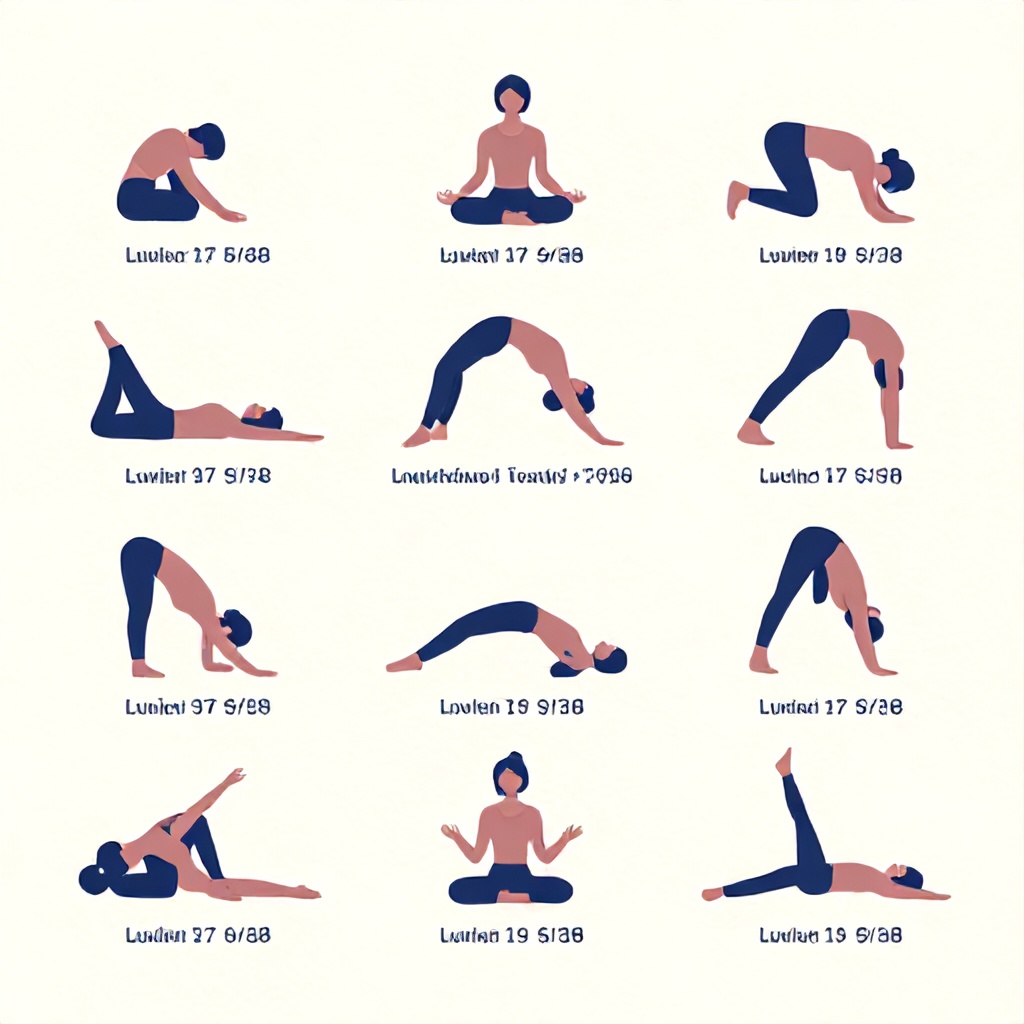
Starting a new habit can feel overwhelming, but you only need a few foundational movements to see progress. These nine poses are designed to target the most common areas of tightness in the body.
1. Mountain Pose (Tadasana)
This is the starting point for all standing postures. Stand with your feet hip-width apart or together, grounding all four corners of your feet into the mat. Engage your thighs, lengthen your tailbone, and roll your shoulders back. This pose teaches you how to stack your bones correctly, which is the secret to better posture.
2. Forward Fold (Uttanasana)
From a standing position, hinge at your hips to fold your torso over your legs. Keep a generous bend in your knees if your hamstrings feel tight. This pose is excellent for calming the mind and stretching the entire back line of the body, from your heels up to your neck.
3. Cat-Cow Stretch (Marjaryasana-Bitilasana)
Come onto your hands and knees. As you inhale, drop your belly toward the floor and look up for Cow. As you exhale, round your spine toward the ceiling and tuck your chin for Cat. This movement warms up the spine and helps you coordinate your breath focus with physical movement.
4. Low Lunge (Anjaneyasana)
Step one foot forward between your hands and lower your back knee to the floor. Keep your front knee stacked over your ankle. This is a powerful hip opening pose that targets the hip flexors, which often become tight from sitting for long periods.
5. Seated Forward Bend (Paschimottanasana)
Sit on the floor with your legs extended straight in front of you. Inhale to lengthen your spine, and exhale to fold forward from your hips. If you cannot reach your feet, use a strap around your soles to maintain a straight back. This pose is a classic for lengthening the hamstrings and calming the nervous system.
6. Butterfly Pose (Baddha Konasana)
Sit with the soles of your feet together and let your knees fall open to the sides. Hold onto your ankles or feet and sit tall. This pose gently stretches the inner thighs and groin, areas that are often neglected in standard workouts.
7. Child’s Pose (Balasana)
Kneel on the floor, touch your big toes together, and sit back on your heels. Fold forward and rest your forehead on the mat. This is a resting pose that stretches the hips, thighs, and ankles while providing a moment to ease stress.
8. Supine Twist (Supta Matsyendrasana)
Lie on your back, hug your knees to your chest, and then let them fall to one side while you extend your arms out like a T. This gentle rotation helps release tension in the lower back and improves spinal mobility.
9. Corpse Pose (Savasana)
Lie flat on your back with your arms by your sides and palms facing up. Close your eyes and let your entire body go limp. This is the most important pose for integrating the benefits of your practice and allowing your muscles to fully recover.
The Role of Breath and Consistency
Flexibility training is not just physical; it is deeply connected to how you breathe. When you hold a stretch, your body’s natural reaction might be to tense up. By practicing deep belly breathing, you send a signal to your brain that it is safe to relax. Focus on slow exhalations, which help you release tension in the muscles you are trying to stretch. If you find yourself holding your breath, you are likely pushing too hard.
Building a yoga habit requires patience. You do not need to spend an hour on the mat every day. Even 10 to 15 minutes of consistent practice will yield better results than one long session once a week. Try to link your practice to an existing part of your day, such as right after you wake up or just before you go to bed. Keeping your mat unrolled or your space clean and inviting can also make it easier to show up for yourself.
Never force a stretch to the point of sharp pain. You should feel a mild, manageable sensation of tension. If you feel a pinching or stabbing sensation, back out of the pose immediately. Your body needs time to adapt, and pushing past your limits can lead to injury rather than progress.
Tracking Your Progress
It is easy to feel like you aren’t making progress when you are looking at your body every day. To stay motivated, keep a simple journal where you track your range of motion. Note how far you can reach in a forward fold or how much easier it feels to sit cross-legged. Over time, these small markers will show you that your consistent practice is working. Remember that some days you will feel more flexible than others, and that is perfectly normal. Factors like sleep, stress, and hydration play a huge role in how your muscles feel.
Optimizing Your Results
To get the most out of your flexibility training, treat your body like an athlete. Stay hydrated, as hydrated muscles are more pliable and less prone to cramping. If you are doing a more intense stretching routine, warm up your body first with some light movement or a few rounds of sun salutations. Stretching after workouts is also highly effective because your muscles are already warm and more receptive to lengthening.
If you are struggling with specific poses, do not hesitate to use props. A block can bring the floor to you, and a strap can act as an extension of your arms. These tools are not a sign of weakness; they are a sign of intelligence. They allow you to maintain good form, which is the only way to safely increase your range of motion over time.
Frequently Asked Questions
1. How often should I practice for flexibility?
Aim for at least 3 to 5 times per week. Consistency is more important than duration, so shorter, frequent sessions are better than one long, infrequent one.
2. How long will it take to see results?
Some improvements in how your body feels can be noticed in just a few weeks. Significant changes in range of motion usually take a few months of regular practice.
3. Can I do these poses if I’m not flexible at all?
Yes, yoga is for everyone. You do not need to be flexible to start; you practice to become flexible. Use props, go slow, and listen to your body.
4. Should I warm up before yoga?
A gentle warm-up is always a good idea. Even five minutes of walking or light movement helps prepare your muscles for deeper stretching.
5. Can I combine this with other workouts?
Yes, yoga complements strength training and cardio perfectly. It helps balance out the tightness that can come from repetitive movements in other sports.
Final Thoughts on Your Practice
Building a beginner yoga routine is a journey of self-discovery. As you learn to listen to your body, you will find that you are not just gaining physical flexibility, but also a greater sense of mental clarity. The ability to sit with discomfort, breathe through it, and release it is a skill that translates to every area of your life. Keep showing up, stay patient with your progress, and enjoy the process of becoming more comfortable in your own skin.