Understanding Blackheads and How to Manage Them
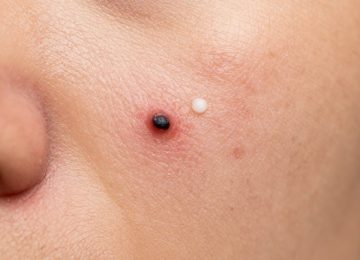
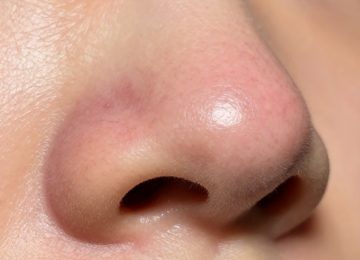
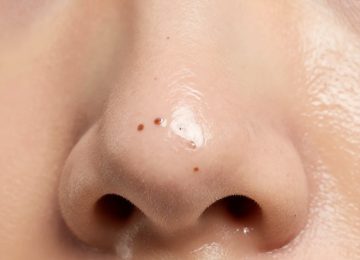
Blackheads are essentially stubborn, open pores that have become blocked by a mixture of excess oil, known as sebum, and accumulated dead skin cells. When this mixture reaches the surface of your skin and reacts with oxygen, it oxidizes and turns into those familiar black dots on skin that many of us struggle to clear. While they are a common frustration, they are not permanent fixtures, and you can manage them effectively with the right approach to skin exfoliation and routine care.

Why Blackheads Form
Your skin naturally produces oil to keep itself hydrated and healthy. However, when your oil glands go into overdrive, that excess oil can get trapped inside your hair follicles. If you have oily skin, your pores are more prone to getting clogged because your body produces more sebum than necessary. When this oil mixes with environmental debris and dead skin, it forms a plug. If the pore stays open, the air turns that plug dark, resulting in a blackhead.
Squeezing blackheads is a significant mistake. Applying pressure to these spots can force the debris deeper into the follicle, potentially causing skin scarring or even more inflammation. Furthermore, your hands carry bacteria that can turn a simple clogged pore into a painful, infected breakout.
The Role of Chemical Keratolytics
While manual extraction might seem satisfying, it is often harsh and can lead to open pores that appear larger over time. Instead of physical force, skincare experts often recommend chemical keratolytics. These are ingredients that gently dissolve the bonds holding dead skin cells together, allowing the pore to clear itself naturally. Common examples include salicylic acid, which penetrates deep into the oil, and glycolic acid, which works on the surface to refine texture. Retinol is another powerhouse that speeds up cell turnover, preventing the buildup that leads to blackheads in the first place.
12 Home Remedies for Clearer Skin
Many effective solutions for stubborn pores are likely already sitting in your kitchen cabinets. These natural remedies focus on balancing oil production and gently removing debris.
1. Baking Soda Scrub
Baking soda acts as a mild abrasive that physically loosens packed debris within the pore. Because it has an alkaline pH, it can also help neutralize excess oil. Use it sparingly to avoid disrupting your skin’s natural moisture barrier.
- Mix one teaspoon of baking soda with a few drops of water to form a thick paste.
- Gently massage the mixture onto damp skin using circular motions for sixty seconds.
- Rinse thoroughly with lukewarm water and follow up with a hydrating moisturizer.
2. Raw Honey
Honey is a natural humectant, meaning it draws moisture into the skin while providing antibacterial properties. It helps soothe the skin while softening the material clogging your pores, making it easier for them to clear out without irritation.
3. Green Tea Extract
Green tea is packed with antioxidants that help reduce inflammation and lower the amount of sebum your skin produces. You can use cooled green tea as a facial rinse or apply a damp, used tea bag directly to the affected area for a few minutes.
4. Clay Masks
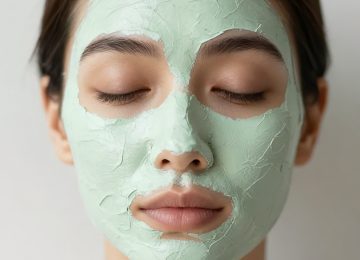
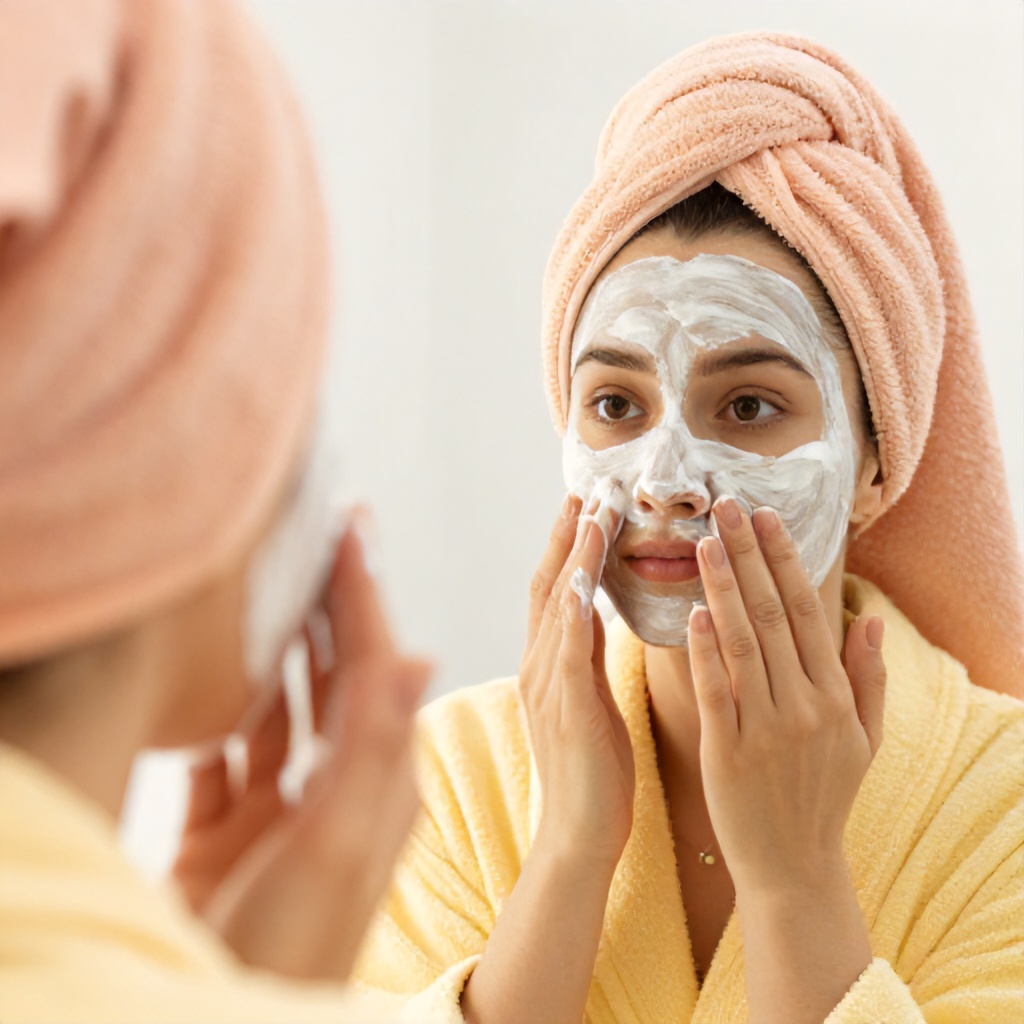
Bentonite or kaolin clay acts like a magnet for impurities. These masks draw out excess oil and dirt from deep within the pore. Apply a thin layer once a week to keep your skin feeling clean and refined.
5. Lemon Juice and Sugar
The citric acid in lemon juice acts as a natural chemical exfoliant, while sugar provides the grain needed to lift away dead skin cells. Only use this at night, as lemon juice can make your skin sensitive to sunlight.
6. Egg White Mask
Egg whites are rich in proteins that help tighten the skin and temporarily shrink the appearance of pores. Whisk an egg white, apply a thin layer to your face, and let it dry before rinsing it off with warm water.
7. Oatmeal and Yogurt
Yogurt contains lactic acid, a gentle alpha-hydroxy acid that dissolves dead skin. Mix it with ground oatmeal to create a soothing, exfoliating paste that calms redness while clearing out your pores.
8. Aloe Vera
Pure aloe vera gel is excellent for soothing irritated skin. It helps regulate oil production and provides hydration, which is essential if you are using other drying treatments like salicylic acid.
9. Tea Tree Oil
Known for its potent antibacterial properties, tea tree oil can help kill the bacteria trapped inside a clogged pore. Always dilute it with a carrier oil like jojoba or almond oil to prevent skin irritation.
10. Witch Hazel
Witch hazel is a natural astringent that helps tighten pores and remove excess surface oil. Use it as a toner after cleansing to keep your skin balanced and matte.
11. Apple Cider Vinegar
Diluted apple cider vinegar can help restore your skin pH balance. Use a mixture of one part vinegar to three parts water as a quick toner to keep your skin environment hostile to acne-causing bacteria.
12. Turmeric Paste
Turmeric has powerful anti-inflammatory and antiseptic qualities. Mix a small amount of turmeric powder with water or coconut oil to create a spot treatment that helps reduce the appearance of blackheads and prevents further clogging.
Consistency is more important than intensity. You do not need to use all these remedies at once. Pick one or two that suit your skin type and stick to them for at least four weeks to see real results.
When to See a Professional
If you have tried consistent skincare habits and natural remedies without success, it may be time to visit a dermatologist. Sometimes, deep-seated blackheads require professional extraction, which is performed in a sterile environment to prevent scarring. A professional can also provide a personalized plan involving prescription-strength retinoids or chemical peels that are far more effective than DIY methods for severe congestion.
Maintaining Clear Pores Long-Term
Prevention is the best strategy for managing blackheads. Focus on a simple routine: cleanse twice daily to remove sweat and oil, exfoliate gently once or twice a week, and always use a non-comedogenic moisturizer. By keeping your skin hydrated, you prevent your glands from overproducing oil, which is the root cause of most clogged pores. Keep your hands off your face, change your pillowcases frequently, and monitor how your skin reacts to new products. With patience and a steady hand, you can maintain a clear, healthy complexion.