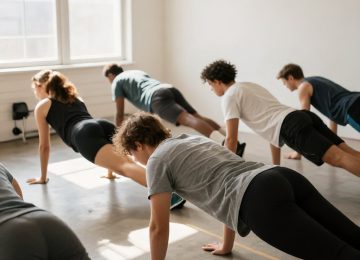
Breaking free from prolonged sitting and needing a quick, effective full body stretch without any special gear is completely achievable with a simple standing yoga sequence you can do almost anywhere. This easy routine, perfect for yoga for beginners, offers a powerful way to reset your body and mind in just a few minutes, making it an ideal daily yoga practice for anyone looking to improve their well-being.
Why Standing Yoga is Your New Best Friend
Life often keeps us glued to chairs, whether at a desk, in a car, or on the couch. This sedentary lifestyle can lead to stiffness, poor posture, and a general feeling of sluggishness. That’s where standing yoga comes in, offering a refreshing antidote. It’s an accessible, equipment-free yoga option that doesn’t require a mat, special clothes, or even much space.
What Exactly is Standing Yoga?
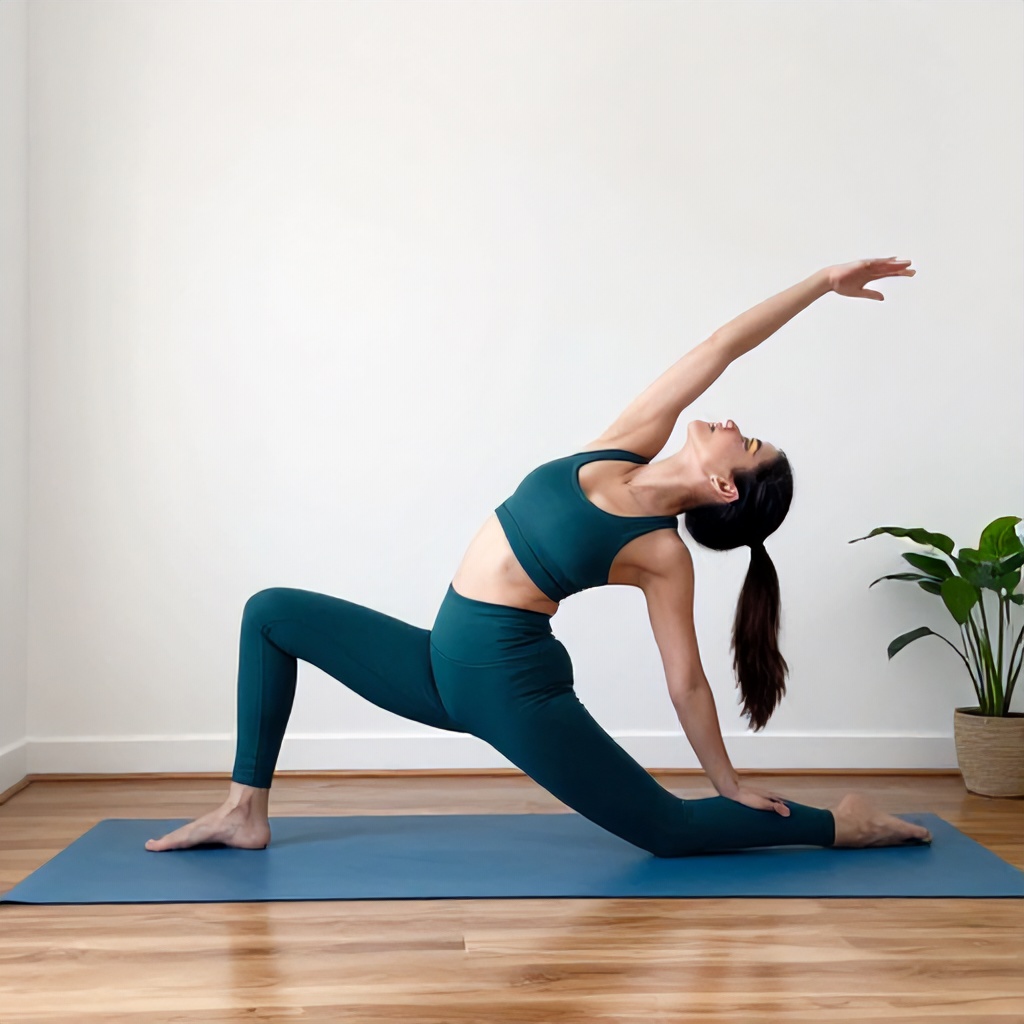
Standing yoga involves performing a series of yoga poses while remaining on your feet. Unlike floor-based practices, these movements are designed to be done upright, making them incredibly convenient for quick breaks throughout your day. It’s a fantastic way to get an energy boost and a mental reset, especially if you have a desk job yoga routine that keeps you seated for hours. These poses are excellent for posture improvement, helping to counteract the slumping that often comes with computer work.
This form of yoga is also perfect if you want to build a strong yoga foundation without feeling overwhelmed by complex pose names or intricate transitions. You can practice on your own, at your own pace, focusing on body awareness and how each movement feels. The beauty of it is that you can sneak in a quick standing yoga break anytime you need one – in your office, kitchen, or even while waiting for coffee.
The Amazing Yoga Benefits You’ll Feel
Engaging in a regular standing yoga sequence brings a cascade of positive changes, touching both your physical health and your mental state. It’s more than just a stretching routine; it’s a holistic approach to feeling better.
Physical Perks: Moving Better, Feeling Stronger
- Posture Improvement: Standing poses inherently encourage you to lengthen your spine and align your body, directly addressing the slouched posture many of us adopt. This is particularly beneficial for those engaged in desk job yoga, helping to alleviate common aches.
- Balance Exercises: Many standing yoga poses challenge your stability, requiring you to engage core muscles and focus. This consistent practice enhances your overall balance, which is crucial for everyday activities and preventing falls as you age.
- Flexibility Training: While standing, you can gently stretch major muscle groups, improving your range of motion in joints like the hips, shoulders, and spine. This contributes to a full body stretch that feels incredibly liberating.
- Strength and Endurance: Holding standing yoga poses, even for short periods, builds strength, particularly in your legs and core. This lower body strengthening is foundational for overall physical resilience and stamina.
- Blood Circulation: Moving your body, especially with arm circles yoga and other dynamic stretches, helps to get your blood flowing more efficiently, delivering oxygen and nutrients to your muscles and brain.
- Mobility Improvement: Regular movement through a standing yoga sequence helps to lubricate your joints and keep your muscles supple, preventing stiffness and improving your ability to move freely and easily.
Mental Calm: Finding Your Inner Peace
- Muscle Tension Relief: Physical stretches directly address areas where stress often accumulates, such as the neck, shoulders, and lower back. Releasing this tension provides immediate physical comfort.
- Stress Elimination: The combination of mindful movement and focused breathing inherent in yoga helps to calm the nervous system, reducing feelings of anxiety and promoting a sense of peace. It’s an effective way to achieve stress elimination.
- Mental Reset: Taking a few minutes to step away from tasks and connect with your body offers a powerful mental reset. It clears your head, improves focus, and can boost your productivity for the rest of the day.
- Mindfulness Practice: Standing yoga encourages you to pay attention to your body’s sensations, your breath, and the present moment. This mindfulness practice cultivates a deeper body awareness, helping you feel more connected and grounded.
Your 5-Minute Standing Yoga Sequence: A Full Body Stretch for Beginners
This simple standing yoga sequence is designed to be quick, effective, and accessible for everyone, especially yoga for beginners. It provides a comprehensive full body stretch, targeting common areas of tension and promoting overall well-being. No equipment-free yoga is needed, just a little space and your own body.
1. Gentle Arm Circles Yoga
This is a fantastic warm-up for your upper body and a great way to kickstart blood circulation. It prepares your shoulders and arms for gentle movement.
- Stand tall with your feet hip-width apart, arms relaxed by your sides.
- Inhale and slowly lift your arms forward and up towards the ceiling.
- Exhale and gently bring them down and back, making large, smooth circles.
- Repeat for 5-8 circles in one direction, then reverse for another 5-8 circles. Focus on the gentle rotation in your shoulder joints.
2. Standing Cat-Cow Pose
This pose brings wonderful mobility to your spine, mimicking the traditional Cat-Cow on the floor but from a standing position. It’s excellent for posture improvement and can offer a quick mental reset.
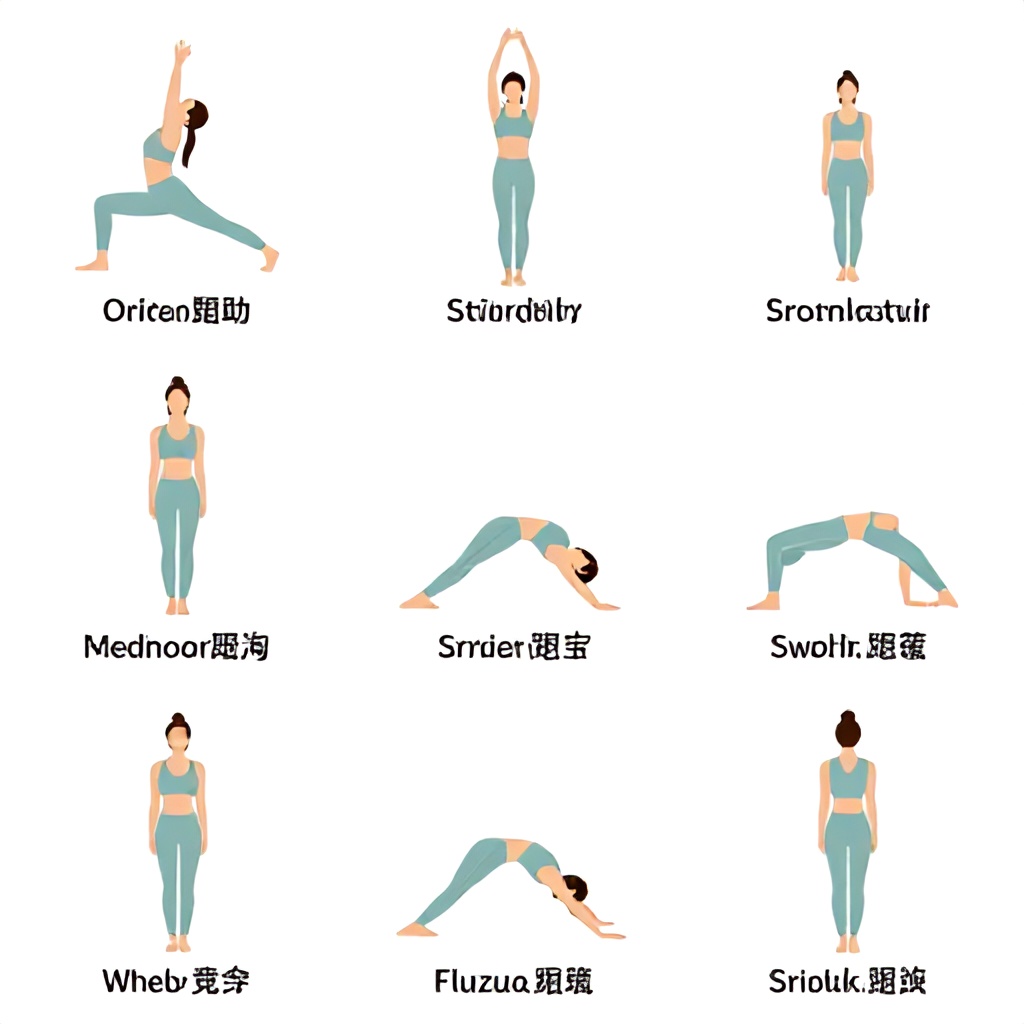
- Stand with your feet hip-width apart, knees slightly bent. Place your hands on your thighs, just above your knees.
- Inhale, arch your back slightly, lift your chest, and gently look up (Cow pose). Feel a gentle stretch across your chest.
- Exhale, round your spine, tuck your chin towards your chest, and draw your navel towards your spine (Cat pose). Feel the stretch in your upper back and neck.
- Flow between these two movements for 5-8 breaths, coordinating with your breath.
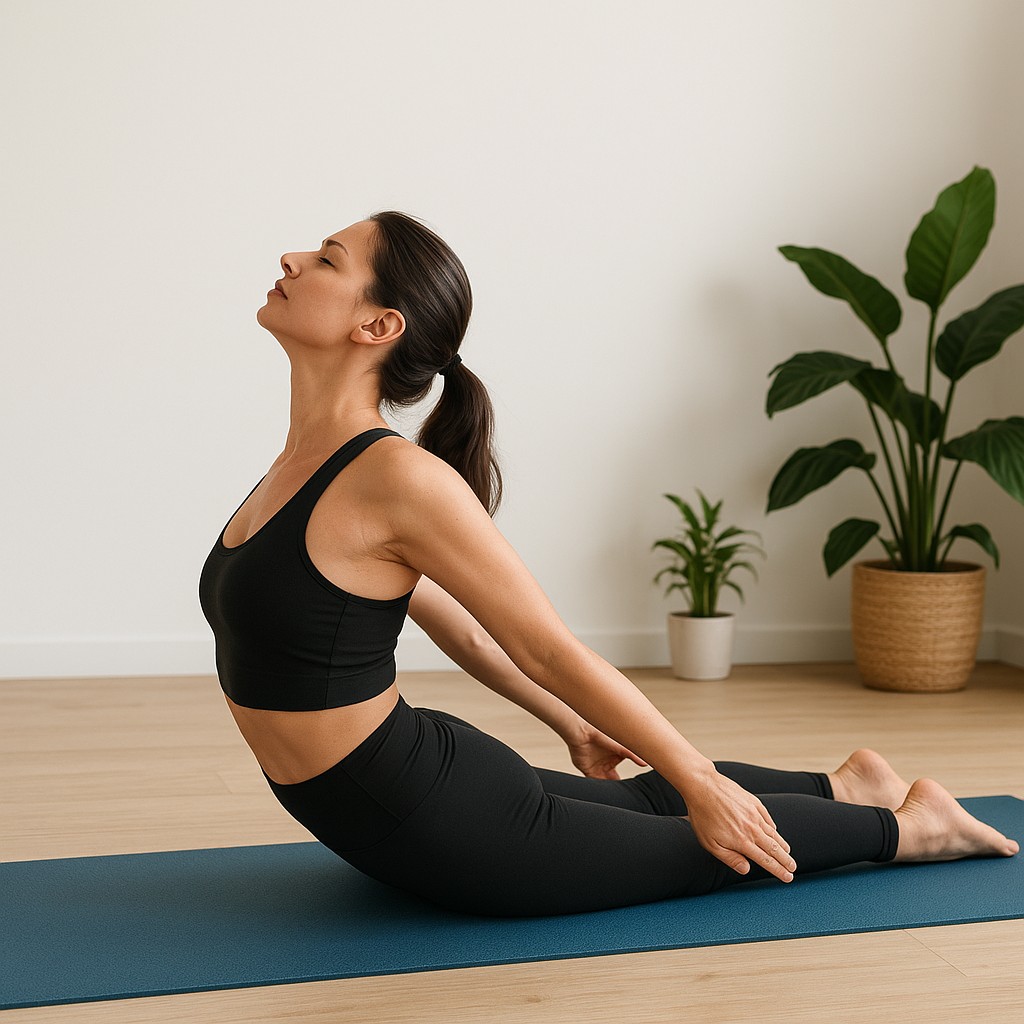
3. Open-Hearted Standing Backbends
Counteracting the forward hunch of sitting, standing backbends gently open the chest and shoulders, releasing tension and promoting a sense of openness. This is great for stress elimination.
- Stand tall, feet hip-width apart. Place your hands on your lower back, fingers pointing down or out, elbows gently drawing towards each other.
- Inhale, lift your chest towards the ceiling, and gently arch your upper back. Keep your neck long, avoiding crunching it.
- Exhale, return to a neutral spine.
- Repeat 3-5 times, focusing on a gentle, expansive breath. Only go as far as feels comfortable for your lower back.
4. Grounding Forward Fold
This pose offers a deep hamstring stretch and releases tension in the lower back, providing a calming effect. It’s a crucial part of any full body stretch.
- Stand tall with your feet hip-width apart.
- Inhale, lengthen your spine.
- Exhale, hinge from your hips, keeping your back long, and fold forward. Allow your head and neck to relax completely.
- You can keep a generous bend in your knees, especially if your hamstrings feel tight. Let your arms hang or hold opposite elbows.
- Breathe deeply here for 5-8 breaths, feeling the stretch along the back of your legs and spine.
- To come up, bend your knees deeply, engage your core, and slowly roll up one vertebra at a time, letting your head be the last to rise.
5. Side Body Lengthening
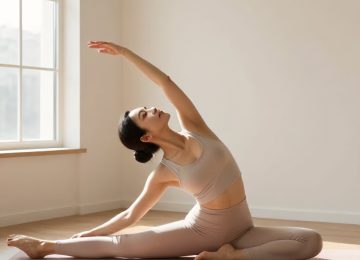
This stretch targets the often-neglected sides of your torso, improving spinal mobility and releasing tension in your obliques and intercostal muscles.
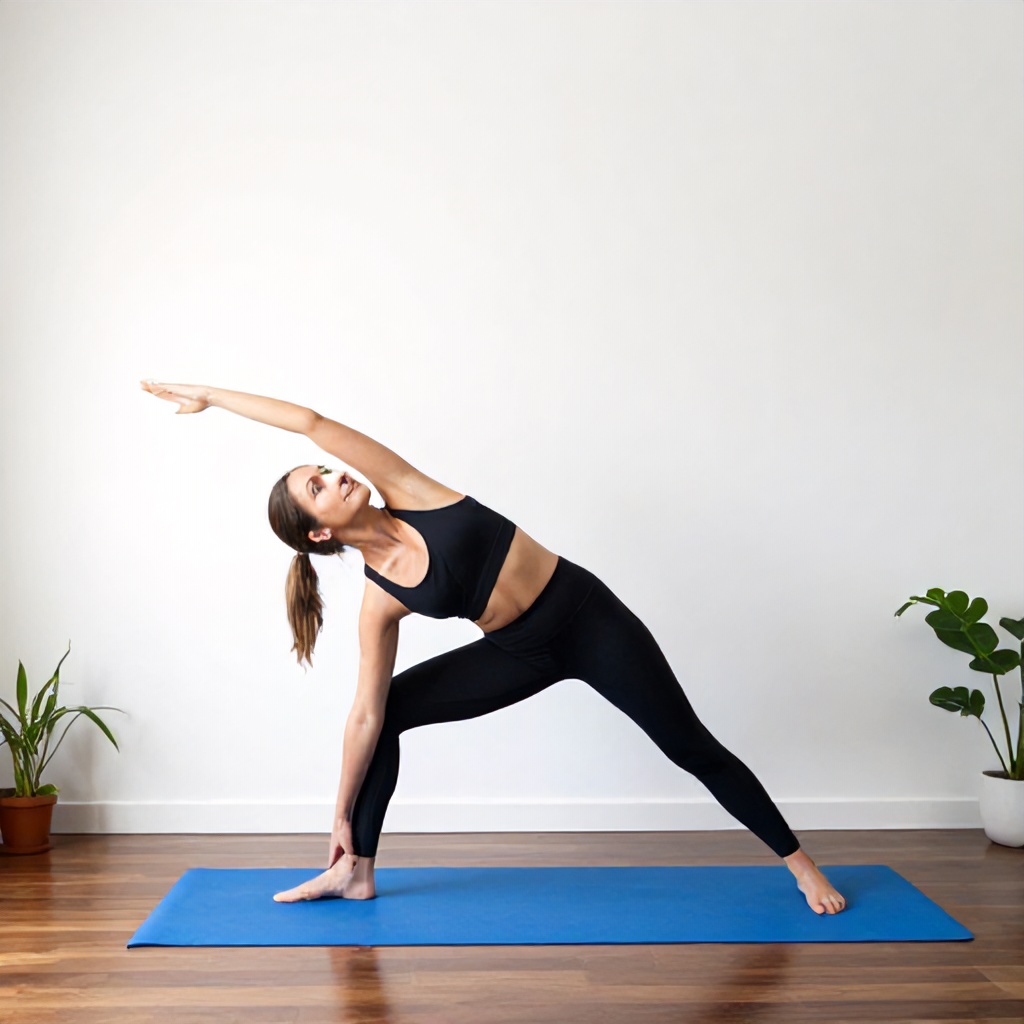
- Stand with your feet hip-width apart. Inhale, reach your right arm overhead, palm facing left.
- Exhale, gently lean to your left, stretching the entire right side of your body. Keep both feet grounded.
- Hold for 3-5 breaths, feeling the length from your right hip to your fingertips.
- Inhale to come back to center, then switch sides, reaching your left arm overhead and leaning to your right.
- Repeat 2-3 times on each side.
6. Gentle Leg Swings (for Balance and Hips)
These dynamic movements are excellent balance exercises and help improve hip mobility, contributing to lower body strengthening and flexibility.
- Stand tall, perhaps holding onto a wall or chair for support if needed, with your weight shifted slightly onto your left foot.
- Gently swing your right leg forward and back like a pendulum. Keep the movement controlled and fluid, not forced.
- Repeat 8-10 swings, then switch legs.
- Next, gently swing your leg side to side across your body, opening up the hips. Repeat 8-10 swings per leg.
7. Mountain Pose: Finding Your Center
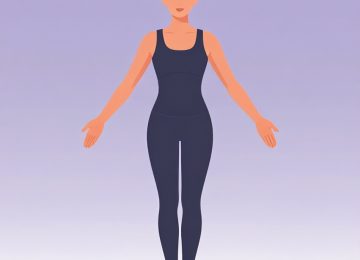
End your sequence with this grounding pose to integrate the benefits and cultivate a sense of calm and stability. It’s the foundation for all standing yoga poses and excellent for body awareness.
- Stand tall with your feet hip-width apart, or even together if comfortable.
- Press down through all four corners of your feet, feeling rooted to the earth.
- Engage your leg muscles, gently lift your kneecaps.
- Draw your navel slightly in and up, lengthening your spine.
- Roll your shoulders back and down, letting your arms hang naturally by your sides, palms facing forward.
- Gently tuck your chin, keeping your neck long.
- Close your eyes if comfortable, or soften your gaze. Breathe deeply, noticing your posture improvement and the stability you feel.
- Hold for 5-10 breaths, embracing this moment of mindfulness practice.
Making This Your Daily Yoga Practice
The key to experiencing the full yoga benefits of this standing yoga sequence is consistency. Even just 5 minutes a day can make a profound difference. Think of it as a micro-break for your body and mind. You don’t need to dedicate a large chunk of time; simply integrating this stretching routine into your day, perhaps during a work break or while waiting for dinner to cook, is enough. This equipment-free yoga truly fits into any schedule, making it an achievable daily yoga practice for everyone, especially yoga for beginners.
Who Benefits Most from This Stretching Routine?
This specific standing yoga sequence is incredibly versatile and beneficial for a wide range of individuals. It’s particularly impactful for anyone looking for flexibility training, muscle tension relief, and improved body awareness. If you spend long hours seated, this desk job yoga routine will be a game-changer for your posture improvement and overall comfort. Anyone seeking a quick mental reset, stress elimination, or a boost in blood circulation will find immense value in these simple yoga poses. It’s designed to be accessible, making it a perfect entry point for yoga for beginners, while still offering tangible benefits for more experienced practitioners.
A Note on Yoga Sequencing (for Those Curious)
The way yoga poses are ordered, known as yoga sequencing, is intentional. For beginners, starting with gentle warm-ups like arm circles yoga, moving to spinal mobility with standing cat-cow pose, then opening the chest with standing backbends, and finally grounding with a forward fold and mountain pose creates a balanced and safe flow. This specific order ensures that the body is gradually prepared for deeper stretches, maximizes the full body stretch benefits, and helps to integrate the physical and mental aspects of the practice. It’s designed to build body awareness and confidence without overwhelming new practitioners.
Listen to Your Body: Important Tips for Practice
While this standing yoga sequence is gentle and designed for yoga for beginners, it’s always important to listen to your body. Never push into pain. A stretch should feel like a gentle opening, not a strain. If a pose doesn’t feel right, modify it, or skip it entirely. Keep a soft bend in your knees in most standing poses to protect your joints, and focus on your breath throughout the entire stretching routine. Deep, steady breaths enhance the mindfulness practice and help to deepen the stretches, making your daily yoga practice more effective and enjoyable.