
Thyroid disease affects over 20 million Americans, yet many people overlook the direct link between their grocery cart and their endocrine health. Your thyroid gland function acts as the master switch for your metabolic regulation, influencing everything from your energy levels to your body temperature. When you consume specific dietary triggers, you may inadvertently interfere with hormone secretion and trigger an autoimmune response. Protecting your thyroid requires more than just medication; it requires a conscious shift in what you put on your plate every single day.


Understanding the Thyroid Connection
Every cell in your body relies on thyroid hormones to function correctly. Think of your thyroid as the engine room of your metabolism. If that engine room is compromised, the entire system slows down or becomes erratic. Many people living with thyroid issues find that their symptoms—fatigue, weight gain, brain fog, and cold sensitivity—persist despite taking prescribed medication. This often happens because allopathic medicine focuses on replacing hormones rather than addressing the root causes of systemic inflammation or autoimmune triggers.
When your thyroid gland function is impaired, your body struggles to maintain hormonal balance. This creates a ripple effect. You might notice changes in your cholesterol metabolism or shifts in your progesterone levels. Because thyroid disease is frequently autoimmune in nature, your immune system may be attacking your own tissues. By removing specific thyroid-disrupting foods, you can reduce the burden on your immune system and allow your body to focus on healing.

1. Soy and Its Derivatives
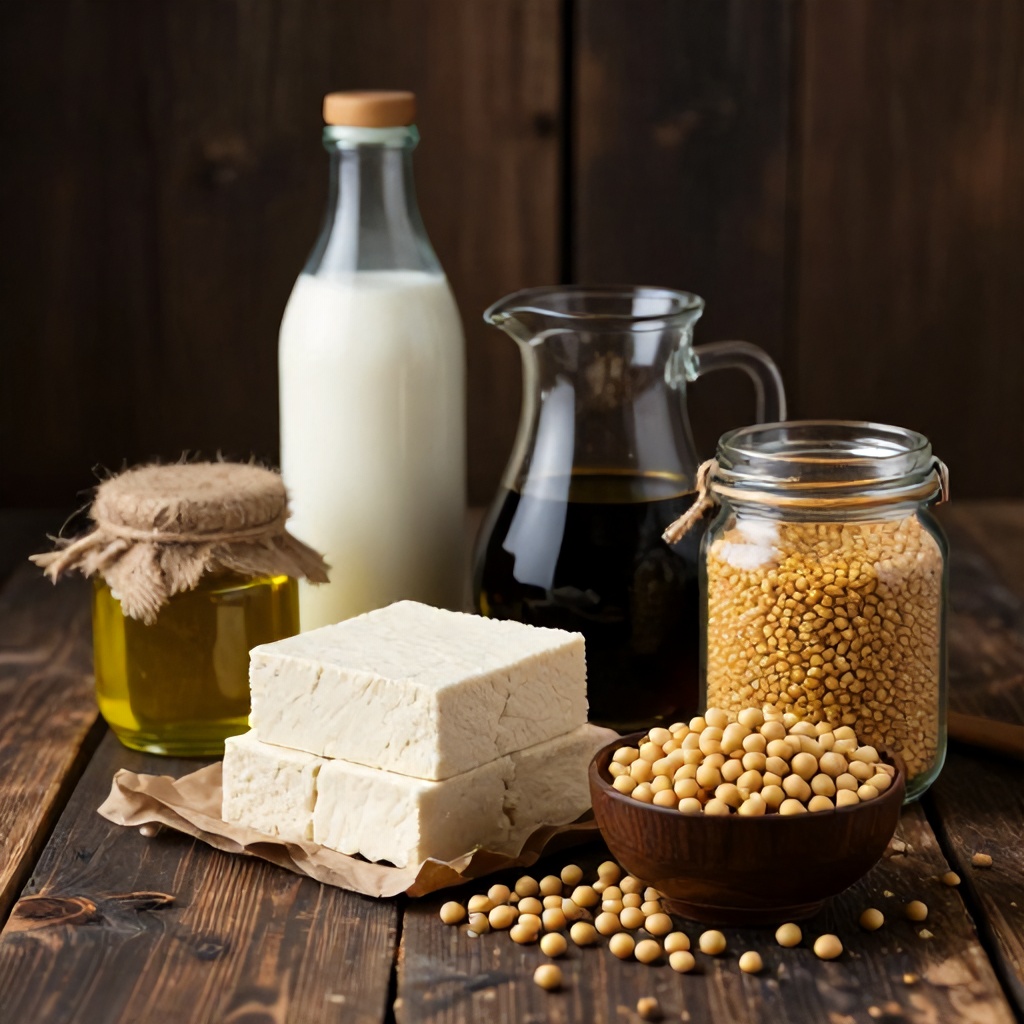
Soy is perhaps the most controversial item in the modern diet. Decades ago, marketing campaigns pushed soy as a heart-healthy alternative to traditional fats. This led to a massive influx of soy-based diets, including tofu, soy milk, and processed soy protein isolates. Unfortunately, soy contains compounds that can act as goitrogens, which are substances that interfere with the thyroid’s ability to use iodine effectively.
Beyond the goitrogenic effect, soy is often highly processed. Many soy products found in supermarkets are derived from genetically modified crops treated with pesticides. These chemicals can act as endocrine disruptors, further complicating your hormonal health. If you are struggling with thyroid nourishment, it is wise to look at labels carefully. Soy lecithin, soy protein isolate, and soybean oil are hidden in everything from protein bars to salad dressings.
2. Polyunsaturated Fats
The shift away from traditional saturated fats toward polyunsaturated oils has been a disaster for metabolic health. These oils, which include corn, sunflower, safflower, and cottonseed oil, are highly unstable. When they are heated or processed, they oxidize easily. This oxidation creates dietary inflammation, which is a major driver of autoimmune disorders.
These oils interfere with the thyroid gland function at a cellular level. They can block the movement of thyroid hormones through your circulatory system and prevent your tissues from responding to those hormones. When your body cannot use thyroid hormone efficiently, your metabolism drops. This often leads to a state of estrogen dominance, where your body struggles to produce enough progesterone and pregnenolone. By swapping these unstable oils for stable saturated fats like butter, coconut oil, or tallow, you support better hormonal balance.
3. Refined Sugars and High-Fructose Corn Syrup
Excessive sugar intake creates a roller coaster for your blood glucose levels. When your blood sugar spikes and crashes, your body releases stress hormones like cortisol. Chronic elevation of cortisol is a known inhibitor of thyroid hormone conversion. Your body needs to convert T4 (the inactive hormone) into T3 (the active hormone) to feel energized. High cortisol levels put a stop to this conversion process.

Furthermore, refined sugar contributes to systemic inflammation. For those with autoimmune thyroid conditions, inflammation is the enemy. It keeps the immune system in a state of high alert, potentially increasing the autoimmune response against the thyroid gland. Choosing whole-food sources of carbohydrates, such as fruit or root vegetables, provides the energy your body needs without the inflammatory baggage of processed sweeteners.
4. Gluten and Grains
Gluten is a protein found in wheat, barley, and rye. For many people with autoimmune thyroid disease, gluten is a significant trigger. The molecular structure of gluten is similar to the structure of the thyroid gland. When you consume gluten, your immune system may produce antibodies to fight it, and in a case of mistaken identity, these antibodies may also attack your thyroid tissue. This is known as molecular mimicry.
Removing gluten is often the first step in nutritional therapy for those with Hashimoto’s or other thyroid-related autoimmune disorders. While some people tolerate ancient grains better than modern wheat, many find that a grain-free approach provides the most relief. If you choose to eat grains, focus on properly prepared options like sourdough, which uses fermentation to break down some of the difficult-to-digest proteins.
5. Conventional Dairy
While high-quality, raw, or grass-fed dairy can be a source of nutrients, conventional dairy is a different story. Many cows are fed soy-based diets and treated with hormones, which can end up in the milk. Additionally, the pasteurization process can denature proteins, making them harder for your body to digest. If you have a sensitive gut, these proteins can trigger an immune response.
Dairy also contains lactose, which can cause digestive distress for many. Since a healthy gut is essential for proper thyroid function, anything that causes bloating or inflammation in the digestive tract should be monitored. If you suspect dairy is a problem, try removing it for 30 days to see if your energy levels or skin health improve. You might find that you can reintroduce high-quality goat or sheep dairy later without issues.
6. Cruciferous Vegetables in Excess
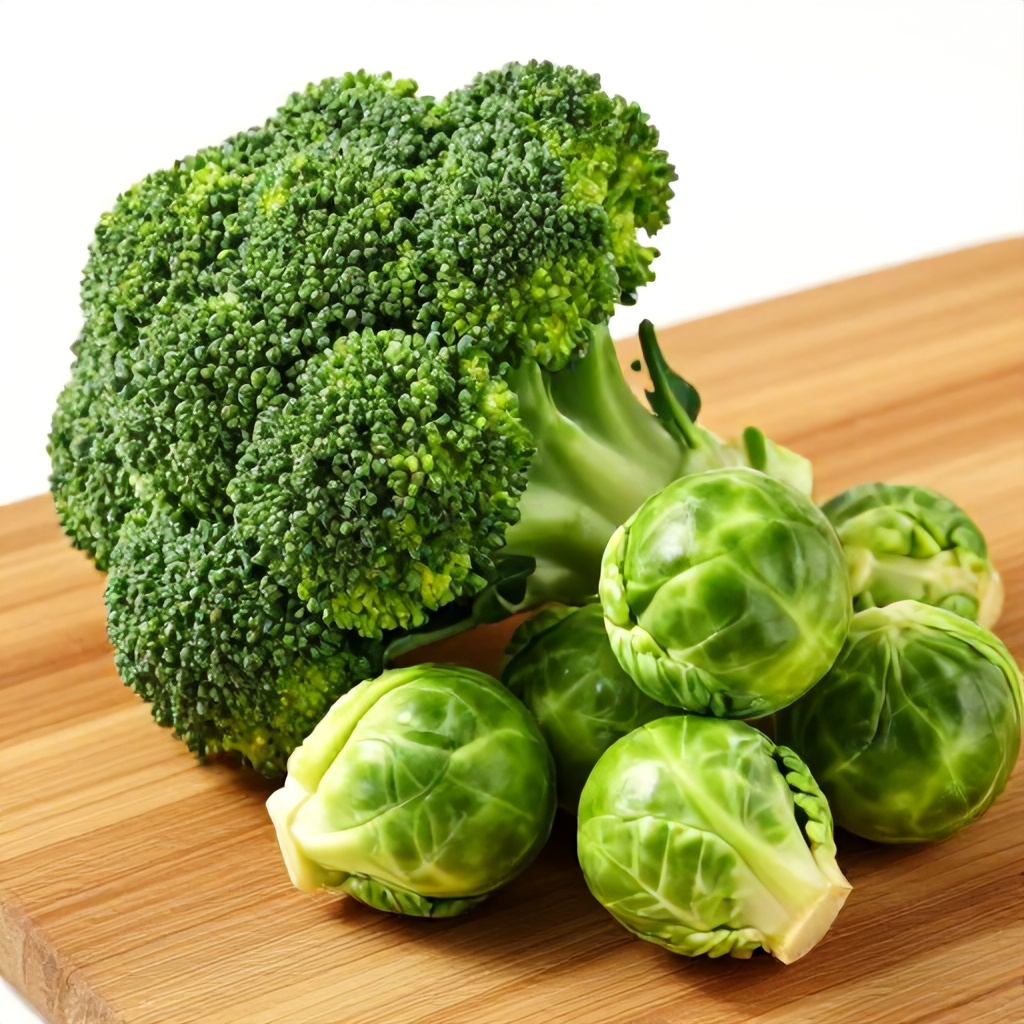
Cruciferous vegetables like broccoli, kale, cauliflower, and Brussels sprouts are generally healthy. However, they contain goitrogens that can inhibit iodine uptake if consumed in large, raw quantities. If you have a diagnosed iodine deficiency or a sluggish thyroid, eating massive amounts of raw kale smoothies might be counterproductive.
The solution is not to avoid these vegetables entirely, but to prepare them correctly. Cooking cruciferous vegetables significantly reduces their goitrogenic activity. Steaming, roasting, or sautéing makes these vegetables much easier on your endocrine system. You get the fiber and micronutrients without the risk of suppressing your thyroid hormone secretion.
7. Processed Meats and Nitrates
Deli meats, hot dogs, and sausages are often loaded with nitrates and other preservatives. These additives are known to cause inflammation and can be taxing on your liver. Your liver is responsible for a large portion of your thyroid hormone conversion. If your liver is bogged down by processing chemicals and additives, your thyroid health will suffer.
Focus on high-quality, pasture-raised proteins. Fresh meat, wild-caught fish, and eggs are excellent sources of the nutrients your thyroid needs to thrive, such as selenium, zinc, and iodine. By choosing whole, unprocessed foods, you provide your body with the building blocks for hormone production rather than the chemicals that tear it down.
Actionable Steps for Thyroid Nourishment
Focus on Nutrient Density
Your thyroid requires specific minerals to function. Ensure you are getting enough selenium from Brazil nuts, zinc from red meat, and iodine from sea vegetables or high-quality sea salt. These nutrients are the fuel for your endocrine system.
Monitor Your Symptoms
Keep a food journal for two weeks. Note how you feel after eating specific meals. If you notice increased fatigue, brain fog, or joint pain after consuming certain foods, those are clear signals that your body is struggling with that ingredient.
How do I know if I have thyroid-disrupting foods in my pantry?
Read labels for hidden soy, vegetable oils (canola, corn, soybean), and high-fructose corn syrup. If you cannot pronounce the ingredients or if the list is longer than five items, it is likely a processed food that does not support your metabolic health.
Moving Toward Holistic Wellness
Healing your thyroid is a process of removing the obstacles that prevent your body from doing its job. By eliminating the foods that trigger inflammation and autoimmune responses, you give your body the space it needs to recover. This is not about perfection; it is about making better choices that align with your long-term health goals. Start by clearing out the processed oils and soy products in your kitchen. Replace them with whole, nutrient-dense foods that support your metabolism and provide the energy you need to live your life fully.
Remember that your endocrine system is highly sensitive to your environment and your diet. Small, consistent changes often yield the best results. Focus on eating foods that are as close to their natural state as possible. Prioritize quality fats, clean proteins, and properly prepared vegetables. As you remove the dietary triggers that have been holding you back, you will likely find that your energy returns, your mood stabilizes, and your body begins to function with the efficiency it was designed to have.
Managing thyroid disease requires a proactive approach. Do not wait for your symptoms to become unmanageable before you look at your diet. Take control of your health by choosing foods that nourish your cells rather than those that cause systemic stress. Your thyroid is the foundation of your metabolic health; treat it with the care it deserves, and your entire body will thank you.