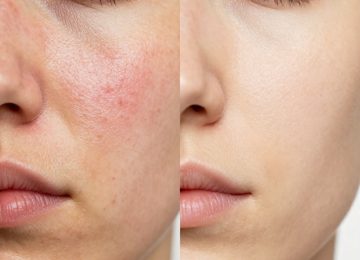
Effective acne management relies on patience, consistency, and a realistic understanding of how skin cells actually turn over. When you look at those dramatic before and after photos online, you are seeing the result of months of cellular repair, not an overnight miracle. Achieving a clear complexion requires a shift from treating individual spots to supporting the overall health of your skin barrier. True skin clarity happens when you stop fighting your skin and start providing the specific tools it needs to regulate oil production and shed dead cells efficiently.
The Reality of Skin Transformation Timelines
Skin cells typically follow a cycle that lasts between twenty-eight and forty days. This biological fact explains why you cannot judge a new routine after just three days of use. When you start a new regimen for acne-prone skin, the first few weeks often involve a period of adjustment. During this phase, your skin might purge, which is simply the process of bringing underlying congestion to the surface faster than usual. This is a normal part of dermatological progress, even if it feels like a step backward.
Patience is the most difficult ingredient in any skincare transformation. Most clinical studies on acne treatments show that significant blemish reduction becomes visible around the three-month mark. By this time, your skin has completed at least two full turnover cycles. You will notice that the frequency of new breakouts decreases, and the intensity of existing inflammation subsides. This is the foundation of long-term epidermal health.
Stages of Visual Skin Analysis
Monitoring your progress requires more than just a glance in the mirror. You should take photos in the same lighting, at the same time of day, every two weeks. This objective approach helps you see the subtle shifts in skin texture refinement that are easy to miss when you look at your reflection daily.
- Weeks 1-4: The adjustment phase where your skin barrier restoration begins. You might see minor irritation or increased dryness as the skin adapts to active ingredients.
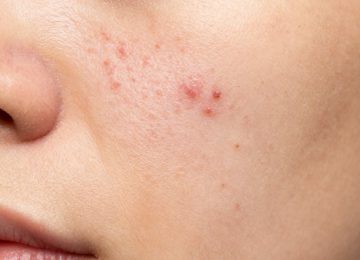
- Weeks 5-8: Inflammation starts to calm down. Redness around active spots fades, and the skin begins to look more uniform in tone.
- Weeks 9-12: This is when you see the most dramatic changes. Pore minimization becomes more apparent, and the overall surface feels smoother to the touch.
- Months 3-6: Maintenance and refinement. The focus shifts from active breakout prevention to fading post-inflammatory hyperpigmentation and improving overall skin surface smoothing.
Core Components of an Effective Routine
A successful routine for acne management does not need to be complicated. In fact, layering too many active ingredients often leads to a compromised barrier, which ironically triggers more breakouts. You need a balance of gentle cleansing, targeted treatment, and intense hydration. If your skin feels tight or squeaky clean after washing, your cleanser is likely too harsh, stripping away the natural oils that keep your barrier resilient.
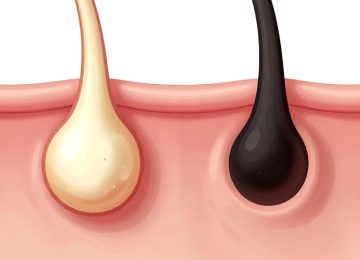
Look for products that support the skin rather than just attacking the bacteria. Ingredients like salicylic acid are excellent for pore minimization because they are oil-soluble, meaning they can penetrate deep into the follicle to clear out debris. On the other hand, retinoids are the gold standard for long-term skin resurfacing. They encourage faster cell turnover, which prevents dead skin cells from clumping together and forming new clogs.
The Role of Hydration in Acne Management
Many people with oily or acne-prone skin make the mistake of skipping moisturizer. This is a counterproductive habit. When you dehydrate your skin, it compensates by producing even more oil, which can lead to further congestion. A lightweight, non-comedogenic moisturizer acts as a protective seal, keeping the skin supple and preventing the irritation that often accompanies acne treatments. Think of hydration as the buffer that allows your active ingredients to work without causing excessive peeling or redness.
Addressing Skin Texture Refinement
Beyond just stopping breakouts, many people seek treatment to improve the overall look and feel of their skin. Acne often leaves behind uneven texture, enlarged pores, and scarring. Facial skin rejuvenation is possible, but it requires a different set of tools than those used for active inflammatory acne. Chemical exfoliation, when done correctly, is one of the most effective ways to achieve a smoother surface.
Exfoliation works by dissolving the glue that holds dead skin cells to the surface. When these cells are removed, the skin looks brighter and feels softer. However, over-exfoliation is a common trap. If you notice your skin becoming shiny, sensitive, or prone to stinging, you are likely exfoliating too often. Stick to a schedule that respects your skin’s sensitivity, usually two to three times per week for chemical exfoliants, rather than daily scrubbing.
Managing Post-Treatment Appearance
Once the active breakouts have subsided, you are left with the task of complexion correction. Post-inflammatory hyperpigmentation, or those dark spots left behind by old pimples, can take months to fade on their own. Using ingredients like niacinamide, vitamin C, or azelaic acid can speed up this process significantly. These ingredients work by inhibiting excess pigment production and brightening the skin tone.
Sun protection is non-negotiable during this phase. UV rays darken existing acne scars, making them stay visible for much longer. A daily broad-spectrum sunscreen is the most important step in your routine for ensuring that your hard-earned results actually last. Without it, you are essentially undoing the work of your other treatments every time you step outside.
Common Pitfalls in Skincare Transformation
Consistency is often derailed by the temptation to try every new product that hits the market. When you switch products too frequently, you never give your skin a chance to stabilize. This “product hopping” is a major barrier to achieving dermatological results. Stick to a simple, effective routine for at least three months before deciding if it works for you.
Another common mistake is picking or squeezing spots. While it is tempting to try to remove a blemish manually, this almost always leads to deeper inflammation and scarring. When you break the skin, you introduce bacteria and increase the risk of permanent marks. Instead, use a hydrocolloid patch to draw out impurities and protect the area from your fingers.
When to Seek Professional Help
Sometimes, over-the-counter solutions are not enough. If you have deep, painful, cystic acne, or if your breakouts are leaving permanent scars, it is time to consult a professional. Aesthetic dermatology offers options that go beyond what you can buy in a store. Procedures like chemical peels, laser therapy, or prescription-strength topical treatments can provide a level of skin resurfacing that is difficult to achieve at home.
- Assess your current skin condition and identify your primary concerns, such as active breakouts, scarring, or uneven texture.
- Consult with a dermatologist to rule out underlying hormonal issues or other medical conditions that might be contributing to your acne.
- Follow the prescribed treatment plan strictly, even if you do not see immediate results.
- Keep a journal of your skin’s reaction to different products to identify any potential triggers or sensitivities.
- Adjust your routine based on seasonal changes, as your skin’s needs will shift between summer and winter.
The Science of Barrier Restoration
Your skin barrier is the outermost layer of your skin, and it acts as a shield against environmental stressors and bacteria. When this barrier is damaged, your skin becomes vulnerable to inflammation and infection. Many acne treatments, especially those containing high concentrations of benzoyl peroxide or retinoids, can weaken this barrier if used incorrectly. This is why incorporating ceramides, fatty acids, and cholesterol into your routine is so important.
These ingredients mimic the natural lipids found in your skin, helping to repair the gaps in your barrier and lock in moisture. When your barrier is healthy, your skin is better able to tolerate the active ingredients needed to treat acne. This balance is the secret to successful long-term skin clarity. You are not just treating the acne; you are building a stronger, more resilient foundation for your skin.
Long-Term Maintenance for Clear Skin
Once you have achieved your desired results, the goal shifts to breakout prevention. You do not necessarily need to stop using your acne-fighting products, but you might be able to reduce the frequency of their use. Many people find that a maintenance routine involves using a retinoid a few nights a week and a gentle cleanser and moisturizer daily. This keeps the pores clear and the cell turnover rate steady without over-stressing the skin.
Pay attention to your lifestyle factors as well. While diet and stress are not the sole causes of acne, they can certainly exacerbate it for some people. Keeping a balanced diet, managing stress levels, and ensuring you get enough sleep all contribute to your overall health, which is reflected in your skin. Your skin is an organ, and it responds to how you treat your body as a whole.
Understanding Ingredients for Skin Clarity
Navigating the world of skincare ingredients can feel overwhelming, but focusing on a few proven performers makes the process much easier. Salicylic acid is a beta-hydroxy acid that works by exfoliating inside the pore. It is ideal for those with blackheads and whiteheads. Benzoyl peroxide is an antibacterial agent that kills the bacteria responsible for inflammatory acne. It is very effective but can be drying, so it is best used as a spot treatment or in a wash-off formula.
Retinoids, such as adapalene or prescription-strength tretinoin, are the heavy hitters. They increase cell turnover and prevent the buildup of dead skin cells. They are the most effective tool for long-term acne management and skin texture refinement. If you are new to retinoids, start slowly—perhaps twice a week—and gradually increase the frequency as your skin builds tolerance. This approach minimizes the risk of irritation and helps you reach your goals safely.
The Psychological Aspect of Skin Transformation
The journey to clearer skin is as much about your mindset as it is about your routine. It is easy to become discouraged when you do not see the results you want immediately. Remember that your skin is a living organ that changes constantly. Some days will be better than others, and that is perfectly okay. Focus on the progress you have made, even if it feels small.
Celebrate the small wins, like a reduction in redness or a smoother texture in a specific area. These are signs that your efforts are working. By focusing on the process rather than just the final result, you will find it much easier to stay consistent. Your skin will thank you for the patience and care you provide, and the results will be well worth the wait.
Final Thoughts on Your Skincare Journey
Achieving a clear complexion is a marathon, not a sprint. By focusing on gentle, consistent care and understanding the science behind your skin, you can achieve lasting results. The transformation you see in the mirror is a reflection of the commitment you make to your skin’s health every single day. Stay the course, listen to your skin, and enjoy the process of watching your complexion improve over time.
Remember that everyone’s skin is unique, and what works for one person might not work for another. Do not be afraid to experiment with different products until you find the combination that works best for your specific needs. With the right approach, you can manage your acne effectively and enjoy the confidence that comes with healthy, clear skin. Your skin has the ability to heal and regenerate, and with the right support, you can help it reach its full potential.