A minimalist skincare regimen relies on three core pillars: cleansing, moisturizing, and sun protection. By stripping away unnecessary layers, you allow your skin barrier to function without the irritation often caused by over-application of active ingredients. This approach focuses on consistency rather than complexity, ensuring that your daily beauty guide remains sustainable and effective for long-term skin health.
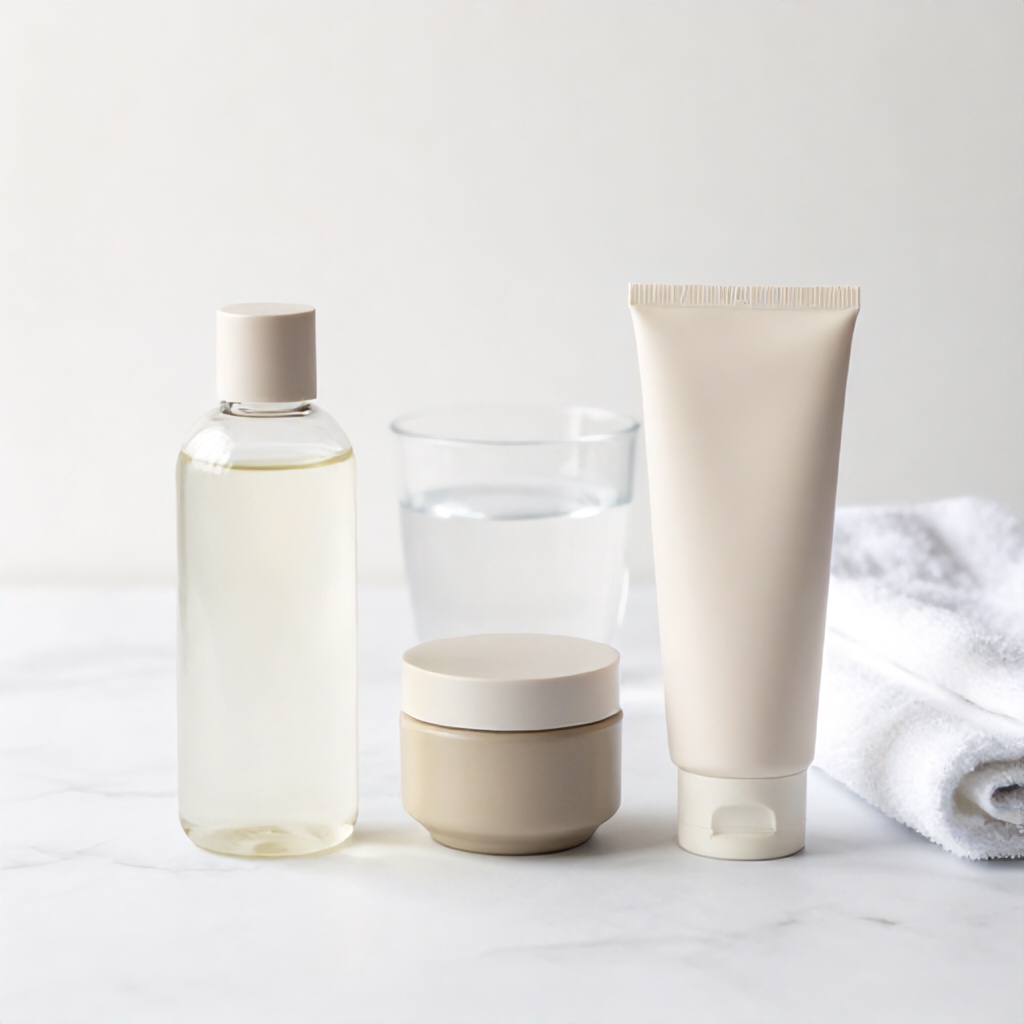
The Morning Skincare Steps
Morning routines should prioritize protection and hydration. Your skin faces environmental stressors like pollution and UV rays as soon as you step outside, so your products must act as a shield.
Step 1: Gentle Cleansing
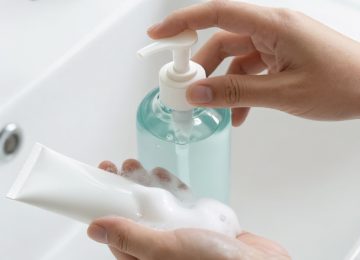
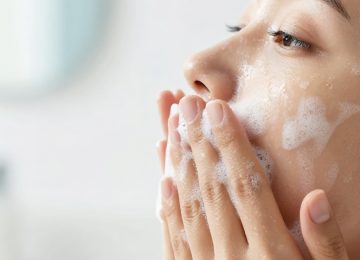
Start your day by removing sweat or residue from your nighttime products. Use a mild, water-based cleanser that does not strip the skin of its natural oils. If your skin feels tight or dry after washing, your cleanser is likely too harsh. Pat your face dry with a clean, soft towel rather than rubbing, which can cause unnecessary friction.
Step 2: Hydration
Apply a lightweight moisturizer while your skin is still slightly damp to lock in water. Look for ingredients like hyaluronic acid or glycerin, which pull moisture into the dermis. If you prefer a lighter texture, a facial mist can provide a quick boost of hydration before you seal it in with your cream. This step is vital for maintaining a plump, healthy complexion throughout the day.
Step 3: Sun Protection
Sunscreen is the most important part of any facial care routine. Choose a broad-spectrum SPF 30 or higher to prevent premature aging and protect against UV damage. Apply it as the final layer of your morning skincare steps, ensuring you cover your neck and ears. This single habit does more for skin maintenance than any expensive serum on the market.
The Nighttime Skincare Ritual
Nighttime is when your skin switches into repair mode. Your evening routine should focus on removing the day’s buildup and supporting the skin barrier as you sleep.
Step 1: Deep Cleansing
The cleansing ritual at night must be thorough. If you wear makeup or heavy sunscreen, start with an oil-based cleanser or micellar water to break down the pigments and waxes. Follow this with your regular gentle cleanser to ensure every pore is clear. This double-cleansing method prevents clogged pores and breakouts, keeping your skin texture smooth.
Step 2: Targeted Treatment
If you have specific concerns like acne or hyperpigmentation, this is the time to apply a topical treatment. Keep this step simple. A single active ingredient, such as a retinoid or a mild chemical exfoliant, is usually enough. Apply a pea-sized amount to clean, dry skin. Allow it to absorb fully before moving to the next layer.
Step 3: Sealing and Recovery
Finish with a thicker, nourishing moisturizer. Night creams often contain ceramides or peptides that help reinforce the skin barrier while you rest. If you live in a dry climate, a heavier balm can prevent trans-epidermal water loss. Think of this as a protective blanket for your face.
Choosing Your Products
Minimalist beauty is not about buying the cheapest items, but about choosing versatile, high-quality products. Overloading your bathroom cabinet with dozens of jars often leads to confusion and expired products.
- Check ingredient lists for simplicity. Fewer ingredients often mean a lower risk of allergic reactions.
- Prioritize fragrance-free options to keep your skin barrier support steady.
- Look for multi-purpose items, such as a moisturizer that already contains antioxidants.
- Store your products in a cool, dry place to maintain their stability.
Common Mistakes to Avoid
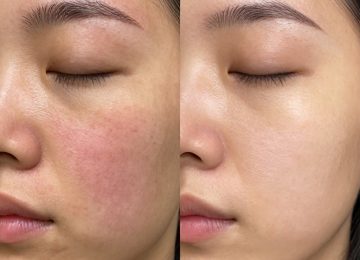
Many people fall into the trap of over-exfoliating. Using scrubs or strong acids every day can damage the skin barrier, leading to redness, sensitivity, and chronic dryness. Limit physical exfoliation to once a week, or skip it entirely if your skin feels sensitive.
Another frequent error is ignoring the neck and chest. These areas show signs of aging just as quickly as the face. Whatever you apply to your cheeks and forehead, bring it down to your collarbone. This simple extension of your routine ensures uniform skin health.
Avoid switching products too frequently. It takes roughly four to six weeks for the skin cycle to turn over. If you introduce a new item every few days, you will never know which one is actually working or which one is causing a reaction. Patience is a key component of effective skin maintenance.
Building a Sustainable Habit
Consistency is the secret to a glowing complexion. A perfect routine that you only follow once a week will yield fewer results than a basic routine performed every single morning and night. Keep your skincare organization simple by placing your products in the order you use them on your vanity or shelf.
If you find yourself feeling overwhelmed, strip your routine back even further. On days when you are exhausted, a simple wash and a basic moisturizer are enough. Self-care practices should feel restorative, not like a chore. By keeping your routine manageable, you are far more likely to stick with it over the long term.
Understanding Your Skin Type
A minimalist approach requires knowing what your skin actually needs. Oily skin types might prefer gel-based moisturizers, while dry skin types usually thrive with cream-based formulas. Pay attention to how your skin feels at midday. If it feels greasy, you might be using too much product. If it feels tight, you need more hydration.
Your dermatological routine should evolve with the seasons. During the winter, you might need a heavier cream to combat indoor heating. In the summer, a light lotion might suffice. Adjusting your products based on the environment is a hallmark of an intuitive beauty routine.
The Role of Lifestyle in Skin Health
Topical application is only half the battle. Your complexion reflects your internal health. Drinking enough water, managing stress, and getting adequate sleep all contribute to the effectiveness of your skincare products. When the body is stressed, the skin barrier often becomes compromised, making it harder for your serums and creams to do their job.
Focus on a balanced diet rich in antioxidants. Leafy greens, berries, and healthy fats support the skin from the inside out. When you combine these habits with a consistent, minimalist topical routine, you create the best possible conditions for healthy, vibrant skin.
Final Thoughts on Aesthetic Skincare
Minimalism in beauty is about intentionality. It is the practice of choosing quality over quantity and function over trends. By focusing on the fundamentals, you stop chasing temporary fixes and start building a foundation for long-term health. Keep your steps simple, your products focused, and your approach consistent. Your skin will thank you for the clarity and the care.