Fueling Your Future: Everyday Foods for a Longer, Healthier Life
What you choose to eat each day significantly impacts your potential for a longer, healthier life. While genetics play a part in how long we live, the foods you put on your plate, alongside other healthy lifestyle habits, hold immense power in shaping your health improvement and overall life expectancy.
For a long time, many believed that our lifespan was mostly set by our genes. While your genetic factors certainly contribute, research suggests that they might only account for about 20% of how long you live. The vast majority, a powerful 80%, comes down to your lifestyle choices. This includes your dietary patterns, your environment, how much physical activity you get, and even your social connections. Modern medicine undeniably helps us live longer, but truly healthy aging isn’t just about reaching a certain age; it’s about living those years with vitality and wellness.
Beyond Genetics: The Power of Lifestyle
The idea that lifestyle choices are paramount for longevity has gained significant traction. It’s not just about avoiding illness; it’s about actively promoting a robust and fulfilling life well into your later years. A nutritious diet, consistent movement, and positive social interactions are all pieces of this intricate puzzle that contribute to a higher quality of life and extended health.
Lessons from the Blue Zones
In recent years, a lot of attention has focused on what are known as the Blue Zones. These are five specific regions around the world where people consistently live to be over 100 years old, often referred to as centenarians, with remarkable health. These areas include Okinawa (Japan), Sardinia (Italy), Nicoya (Costa Rica), Icaria (Greece), and Loma Linda (California, USA). What’s truly fascinating is that while these cultures are diverse, they share several common healthy habits, particularly when it comes to their eating.
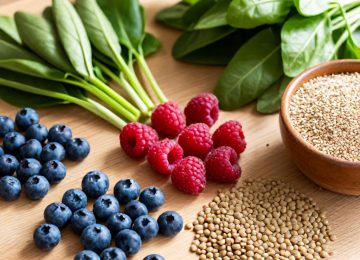
A cornerstone of the Blue Zones’ approach to optimal nutrition is an emphasis on plant-based foods. Their plates are typically overflowing with a wide variety of vegetables, often consuming between three to ten cups daily. Regular consumption of legumes like beans and lentils, along with whole grains, forms the backbone of their daily meals. These dietary patterns are rich in fiber, vitamins, and minerals, providing sustained energy and supporting overall health improvement.
The Mediterranean Diet: A Blueprint for Longevity
Another well-researched dietary pattern consistently linked to living longer is the Mediterranean Diet. This way of eating also centers around an abundance of plant-based foods. It’s not a strict diet plan but rather a lifestyle inspired by the traditional eating habits of people in countries bordering the Mediterranean Sea.
Registered dietitians often point to the Mediterranean Diet as a gold standard for longevity. It’s a highly nutritious way of eating that includes a generous amount of plant foods such as whole grains, fruits, vegetables, nuts, seeds, beans, and healthy oils like extra virgin olive oil. Seafood is also a regular feature, enjoyed several times a week, while lean meats, poultry, and dairy are consumed in smaller, more moderate amounts. In this style of eating, plant foods often take center stage on the plate, with other foods serving as complementary sides. This focus on whole, unprocessed foods supports an anti-aging diet by reducing inflammation and providing essential nutrients.
The Powerhouse Foods for a Longer Life
While overall dietary patterns make the biggest impact on longevity, certain powerhouse foods stand out for their exceptional contributions to healthy aging. Incorporating these into your regular routine can significantly boost your wellness journey.
1. Berries
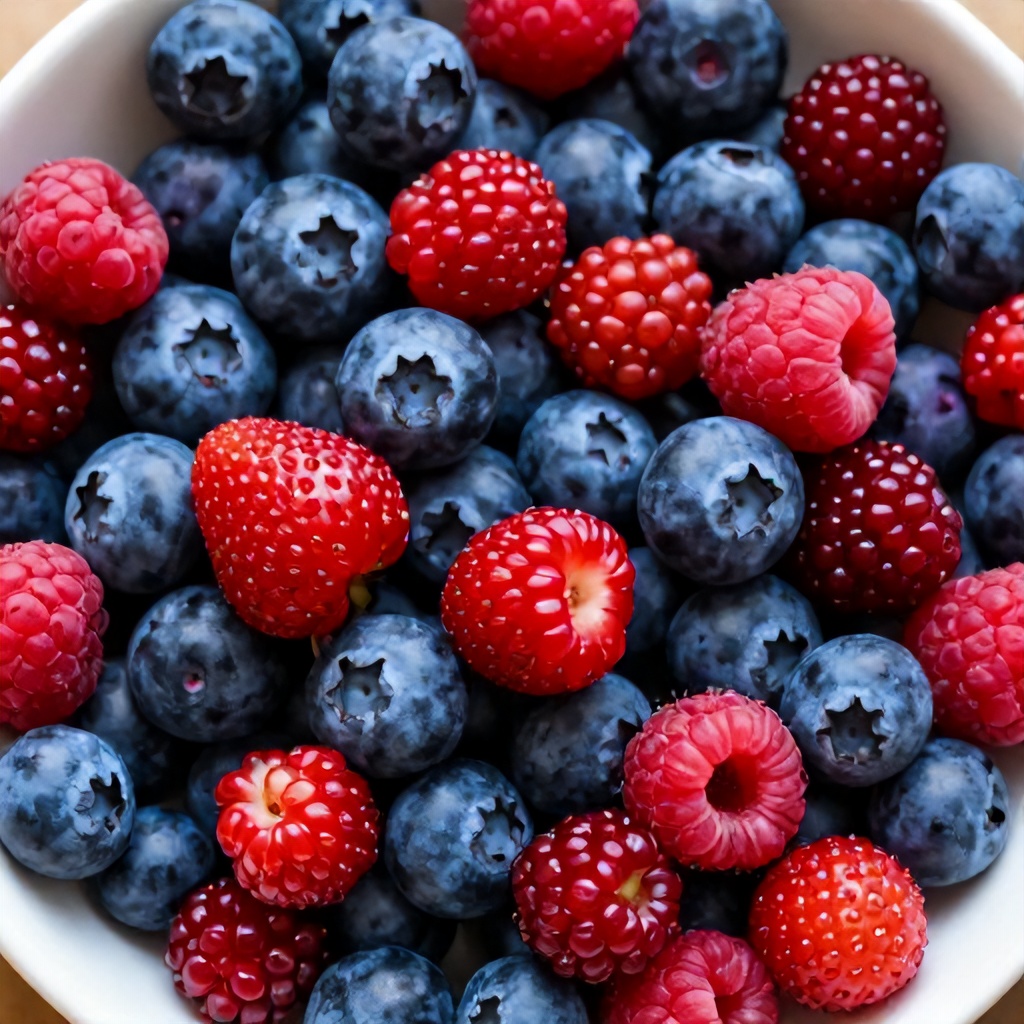
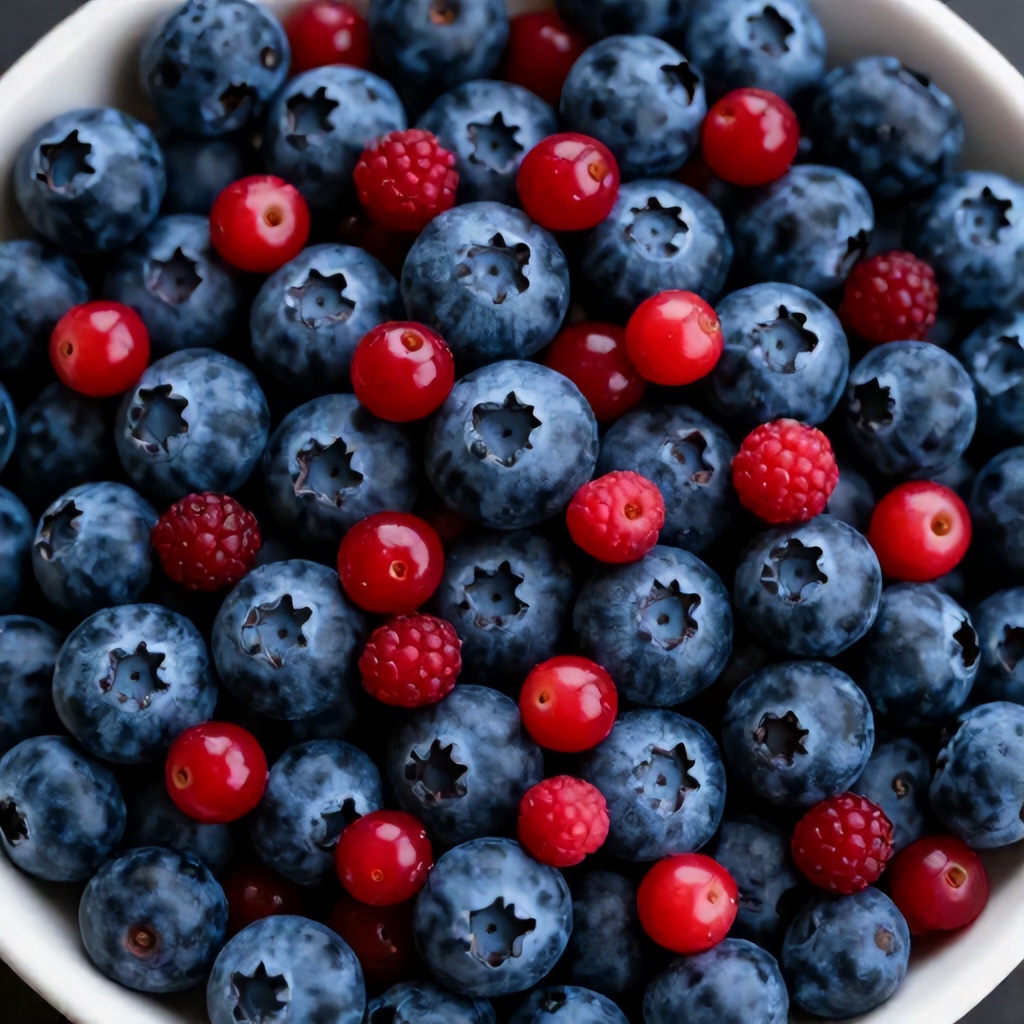
These small, vibrant fruits are nutritional superstars. Think blueberries, strawberries, raspberries, and blackberries. They are packed with antioxidants, particularly anthocyanins, which give them their rich colors. These compounds are crucial for fighting oxidative stress in the body, a process that contributes to aging and chronic diseases. Regular consumption of berries can support brain health, reduce inflammation, and improve heart health, all vital components of a long, healthy life. Adding a handful to your morning oatmeal or yogurt is an easy way to get their benefits.
2. Leafy Green Vegetables
Kale, spinach, collard greens, Swiss chard – these are some of the most nutrient-dense foods available. They are loaded with vitamins K, A, and C, along with folate, fiber, and various antioxidants. Vitamin K, for instance, is important for bone health and may play a role in preventing arterial calcification, which is linked to heart disease. The high fiber content in leafy greens aids digestion and helps maintain a healthy gut microbiome, another key factor in overall wellness and longevity. Aim to include a generous serving of leafy greens in your meals daily, whether in salads, smoothies, or cooked dishes.
3. Legumes
Beans, lentils, chickpeas, and peas are staples in the diets of centenarians in the Blue Zones, and for good reason. These humble foods are incredibly rich in plant-based protein, fiber, and complex carbohydrates, providing sustained energy without spiking blood sugar. They are also excellent sources of essential minerals like iron, zinc, and magnesium. The fiber in legumes helps lower cholesterol, manage blood sugar levels, and promote digestive health. Incorporating legumes into your diet a few times a week, perhaps in soups, stews, or as a meat alternative, can be a simple yet powerful step towards a more nutritious diet.

4. Whole Grains
Unlike refined grains, whole grains like oats, brown rice, quinoa, and whole wheat retain all parts of the grain kernel – the bran, germ, and endosperm. This means they keep their fiber, vitamins, and minerals. The fiber content in whole grains is vital for gut health, helping to regulate digestion and reduce the risk of chronic diseases like type 2 diabetes and heart disease. Studies consistently link higher whole grain intake to a lower risk of premature death and better life expectancy. Swapping white bread for whole-wheat, or choosing oats for breakfast, are easy ways to boost your intake.
5. Nuts and Seeds
Almonds, walnuts, chia seeds, flax seeds – these small powerhouses are packed with healthy fats, protein, fiber, vitamins, and minerals. Walnuts, in particular, are rich in omega-3 fatty acids, which are beneficial for heart and brain health. Nuts and seeds can help lower cholesterol levels, reduce inflammation, and provide a feeling of fullness, which can aid in weight management. A handful of nuts as a snack or seeds sprinkled over salads and yogurts can contribute significantly to your optimal nutrition goals and support an anti-aging diet.
6. Fatty Fish
Salmon, mackerel, sardines, and trout are excellent sources of omega-3 fatty acids, specifically EPA and DHA. These essential fats are incredibly important for heart health, brain function, and reducing inflammation throughout the body. Regular consumption of fatty fish has been linked to a lower risk of heart disease, stroke, and cognitive decline, all factors that impact longevity. Aim for two servings of fatty fish per week to reap these significant health benefits. If you’re not a fish eater, a registered dietitian might suggest an omega-3 supplement derived from algae.

7. Olive Oil
A cornerstone of the Mediterranean Diet, extra virgin olive oil is far more than just a cooking fat. It’s rich in monounsaturated fatty acids and powerful antioxidants called polyphenols. These compounds are known for their anti-inflammatory properties and their ability to protect against heart disease. Using extra virgin olive oil as your primary cooking oil and drizzling it over salads can be a delicious way to incorporate this longevity-promoting food into your daily routine. Its benefits are well-documented in food science research.
8. Tomatoes
These versatile fruits (yes, botanically they’re fruits!) are a fantastic source of lycopene, a potent antioxidant responsible for their red color. Lycopene has been extensively studied for its role in reducing the risk of certain cancers and protecting against heart disease. Interestingly, lycopene is more bioavailable (easier for your body to absorb) when tomatoes are cooked and consumed with a little healthy fat, like olive oil. So, enjoy your cooked tomato sauces, soups, and stews for maximum benefit.
9. Garlic and Onions
These aromatic vegetables are more than just flavor enhancers; they are packed with beneficial compounds. Garlic contains allicin, a sulfur compound with powerful medicinal properties, including anti-inflammatory and immune-boosting effects. Onions, especially red onions, are rich in quercetin, an antioxidant that can help reduce blood pressure and improve heart health. Regular consumption of garlic and onions can contribute to a robust immune system and overall wellness, supporting your journey toward healthy aging.
Putting It All Together: Your Path to Healthy Aging
While focusing on these specific foods is beneficial, remember that the bigger picture of your dietary patterns and lifestyle choices is what truly matters for longevity. It’s not about a strict “anti-aging diet” but rather adopting sustainable, healthy habits that you can maintain over time. A registered dietitian can help you tailor an optimal nutrition plan that fits your individual needs and preferences.
Beyond the Plate: A Holistic Approach
-
Consistent Physical Activity: Regular movement, whether it’s walking, gardening, or structured exercise, is just as vital as diet for a long life. It strengthens your heart, muscles, and bones, and improves mental well-being.
-
Stress Management: Chronic stress can take a toll on your body and accelerate aging. Finding healthy ways to manage stress, such as mindfulness, hobbies, or spending time in nature, is crucial.
-
Quality Sleep: Adequate, restful sleep allows your body to repair and rejuvenate. Prioritizing sleep is a non-negotiable part of a healthy lifestyle.
-
Social Connection: Strong social ties and a sense of community are hallmarks of the Blue Zones and contribute significantly to mental health and life expectancy.
Embracing a lifestyle rich in plant-based foods, healthy fats, and whole grains, combined with regular physical activity and mindful living, provides a powerful foundation for a longer, healthier, and more vibrant life. Small, consistent changes can lead to profound health improvement over time, helping you enjoy every year to its fullest.