
The Magic of Soft Focus: Achieving That Dreamy Portrait Look
Soft focus in portraits is your secret weapon for creating images that feel incredibly ethereal and flattering, making skin appear smoother and expressions gentler.

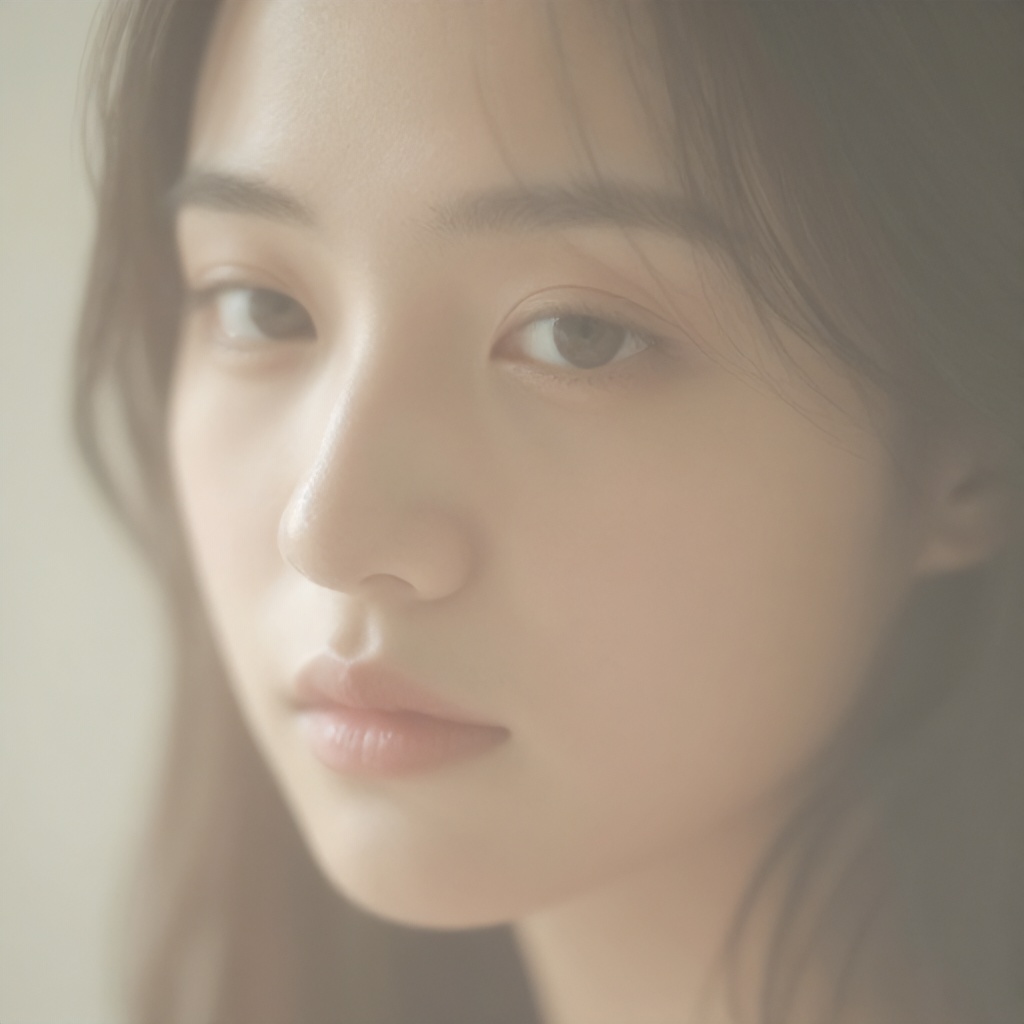
It’s a technique that has been around for ages, but it’s seeing a huge resurgence, especially on platforms like Pinterest, because it just works. It’s not about hiding imperfections; it’s about drawing attention to the essence of the person, their quiet beauty, and the subtle nuances of their face.
Think about those portraits that just pull you in, the ones that feel like a whispered secret or a fond memory. That’s often the power of soft focus at play. It softens the harsh edges, blurs out distracting details, and bathes the subject in a dreamy glow.
This isn’t just for professional photographers either. Understanding the principles behind soft focus can help anyone capture more captivating images, whether you’re using a fancy camera or just your smartphone.
What Exactly Is Soft Focus?
At its core, soft focus is a deliberate photographic technique where the image is not rendered with absolute sharpness. Instead, there’s a gentle diffusion of light, creating a dreamy, hazy quality.
It’s different from being out of focus, which usually looks like a mistake. Soft focus is controlled. It’s intentional. It’s about a pleasing lack of sharp detail, a subtle blur that enhances rather than detracts.
This effect can be achieved in a few ways. Historically, photographers used special lenses designed to create this effect, or even added physical filters to their lenses. Today, it’s also easily achievable through post-processing software, allowing for a lot of control over the intensity and style of the soft focus.
The goal is to create a visually pleasing aesthetic, one that feels less clinical and more artistic. It’s about evoking a mood, a feeling, and drawing the viewer into the subject’s world.
Why Soft Focus Works Wonders for Portraits
The primary reason soft focus is so beloved in portraiture is its incredible ability to flatter the subject. It’s like putting a gentle filter over reality, one that highlights the best aspects of a person’s features.
One of the most significant benefits is how it smooths skin texture. In a sharp, high-definition portrait, every pore, every fine line, every tiny blemish can be visible. While there’s beauty in that realism, sometimes we want an image that feels more idealized, more serene. Soft focus diffuses the light in a way that makes the skin appear incredibly smooth and luminous, without looking artificial or airbrushed to oblivion.
This gentle diffusion also has a remarkable effect on facial expressions. A soft focus portrait can make a smile seem even more tender, a thoughtful gaze more profound, and a quiet moment more intimate. It takes away the starkness that sharp focus can sometimes impose, allowing the subtle emotions of the person to shine through more delicately.
It’s particularly effective for beauty portraits and headshots where the emphasis is on the person’s face and their overall presence. The soft aesthetic created by this technique is universally appealing.
Achieving Soft Focus: Techniques and Tips
Whether you’re shooting with a professional camera or your phone, there are several ways to incorporate soft focus into your portraits.
Lens Choice and Settings
For those with DSLRs or mirrorless cameras, the lens you choose makes a big difference. Lenses with wider apertures (lower f-numbers like f/1.4, f/1.8, or f/2.8) inherently produce a shallower depth of field. This means that only a narrow plane of your image will be in sharp focus, while the background and foreground will be beautifully blurred.
When you shoot with a wide aperture, you can strategically choose your focus point. Focusing on the eyes is almost always the best bet for a portrait. The areas around the eyes, like the skin on the cheeks or forehead, will then fall into a pleasing softness.
Experimenting with focal length also plays a role. Longer focal lengths (like 85mm or 100mm) tend to compress the background more, enhancing the blur and the feeling of isolation for your subject.
A close-up shot, focusing tightly on the face, is where soft focus really shines. It allows you to control the level of detail you’re presenting.
Lighting is Key
The type of lighting you use can dramatically influence the soft focus effect. Warm lighting is your best friend here.
Think about the golden hour – that magical time just after sunrise or before sunset. The sun is lower in the sky, casting a warm, diffused light that naturally softens features and creates beautiful highlights. This kind of subtle lighting is perfect for achieving a soft aesthetic.
Muted lighting, or diffused light, is also fantastic. Avoid harsh, direct sunlight which can create strong shadows and emphasize skin texture. Instead, opt for overcast days, shoot near a window with sheer curtains, or use diffusers on your light sources.
The goal is to wrap your subject in light that is gentle and flattering, not stark and revealing. This interplay between light and shadow is what gives a soft focus portrait its depth and mood.
Composition Matters
The way you frame your subject can amplify the soft focus effect. An angled shot, for instance, can create interesting planes and allow certain areas of the face to fall out of sharp focus more naturally.
Consider a side profile. This often emphasizes delicate features and can lead to a more intimate mood. When combined with soft focus, a side profile can feel incredibly poetic.
Think about the overall composition. Do you want a tight headshot, or a wider shot that includes the neck and shoulders? The latter can sometimes offer more opportunities for subtle focus transitions.
The aim is to create an image that feels balanced and harmonious, where the soft focus enhances the natural beauty of the person.
Post-Processing for the Perfect Finish
Even with the best shooting techniques, a little bit of post-processing can take your soft focus portraits to the next level.
Most editing software, like Adobe Lightroom or Photoshop, has tools specifically designed for creating or enhancing soft focus. You can often apply a subtle blur effect selectively to areas you want to soften, like the background or even parts of the skin, while keeping the eyes sharp.
Be careful not to overdo it. The goal is a gentle diffusion, not a complete loss of detail. You want to enhance the natural aesthetic, not erase it.
Adjusting contrast and color balance can also contribute to the soft aesthetic. Muted tones and slightly desaturated colors often complement the soft focus effect beautifully.
Experiment with different blur filters and their settings. Sometimes, a very subtle Gaussian blur applied to specific areas can achieve a beautiful, natural-looking softness.
When to Use Soft Focus
Soft focus isn’t for every single portrait, but it excels in specific scenarios.
Creating an Intimate and Quiet Mood
This technique is perfect for capturing an intimate mood. When you want to convey a sense of closeness, vulnerability, or quiet contemplation, soft focus draws the viewer in. It makes the portrait feel personal, like you’re sharing a private moment with the person.
Imagine a portrait of someone lost in thought, or a candid moment of tenderness. Soft focus enhances these quiet moods, making them feel more profound and emotionally resonant.
Highlighting Delicate Features
For individuals with delicate features, soft focus can be incredibly flattering. It draws attention to the grace of their facial features without the harshness that sharp focus can sometimes impose. Think of the curve of a lip, the shape of an eye, or the line of a jaw. Soft focus makes these elements appear even more refined.
This is especially true for people with fine skin texture or subtle skin tones. The gentle diffusion of light can make their complexion appear even more luminous and flawless.
Enhancing Natural Beauty
Soft focus is a fantastic way to celebrate natural beauty. It’s not about creating an artificial look, but about enhancing the existing beauty of a person. It’s about capturing their essence in a way that feels soft, approachable, and undeniably lovely.
It’s ideal for portraits where the person has long hair, especially dark hair, as the soft focus can create beautiful bokeh effects in the background and frame the face gently.
Specific Portrait Styles
Certain portrait styles naturally lend themselves to soft focus. Think of:
- Beauty portraits: Where the focus is on skin, makeup, and overall aesthetic.
- Fashion portraits: Especially for softer, more romantic styles of clothing.
- Maternity portraits: Capturing the gentle glow and anticipation.
- Newborn portraits: Emphasizing the delicate nature of a new life.
- Artistic portraits: When the goal is to create an evocative and mood-driven image.
Things to Be Mindful Of
While soft focus is wonderful, there are a few things to keep in mind to ensure your portraits are successful.
Maintaining Sharpness Where It Counts
The most important rule with soft focus is to keep the eyes sharp. The eyes are the windows to the soul, and if they are blurred, the portrait can lose its connection with the viewer. Always ensure your focus is precisely on the subject’s eyes.
Avoiding Over-Processing
It’s easy to get carried away with editing tools. Too much blur can make a portrait look muddy or unrealistic. The best soft focus is subtle, enhancing the natural beauty rather than masking it.
Think of it as a whisper, not a shout. The effect should be felt more than overtly seen.
Understanding Your Subject’s Skin Tone
While soft focus generally smooths skin, be mindful of how it interacts with different skin tones. In some cases, excessive blurring can make darker skin tones appear to lose richness. Always check your results and adjust accordingly to ensure the skin tone remains vibrant and true.
The Difference Between Soft Focus and Bokeh
It’s worth noting that soft focus is different from bokeh, though they often go hand-in-hand. Bokeh refers to the aesthetic quality of the blur in the out-of-focus parts of an image, often seen as pleasingly round or soft shapes of light. Soft focus is the overall lack of sharp detail across the image, or specific parts of it.
You can have bokeh without soft focus (a sharp subject with a blurred background), and you can have soft focus without pronounced bokeh (a generally soft image with less distinct background blur). In portraits, you often aim for both – a softly focused subject with a pleasingly blurred background.
Embrace the Gentle Art of Soft Focus
Soft focus portraiture is a beautiful way to capture the gentle essence of a person. It’s a technique that emphasizes smooth skin texture and allows for a more tender and intimate expression to shine through.
By understanding the interplay of lenses, lighting, composition, and thoughtful post-processing, you can create portraits that are not just images, but evocative pieces of art that resonate with warmth and emotion. Experiment with these techniques, and you’ll find yourself creating some of your most captivating work yet.