Smoother, Even-Toned Skin: A Real Look at the Transformation
Achieving a smoother, more even skin tone is a common goal, and seeing the tangible results can be incredibly motivating. This isn’t about unrealistic perfection, but about noticeable cosmetic improvement and a boost in confidence through enhanced skin quality.
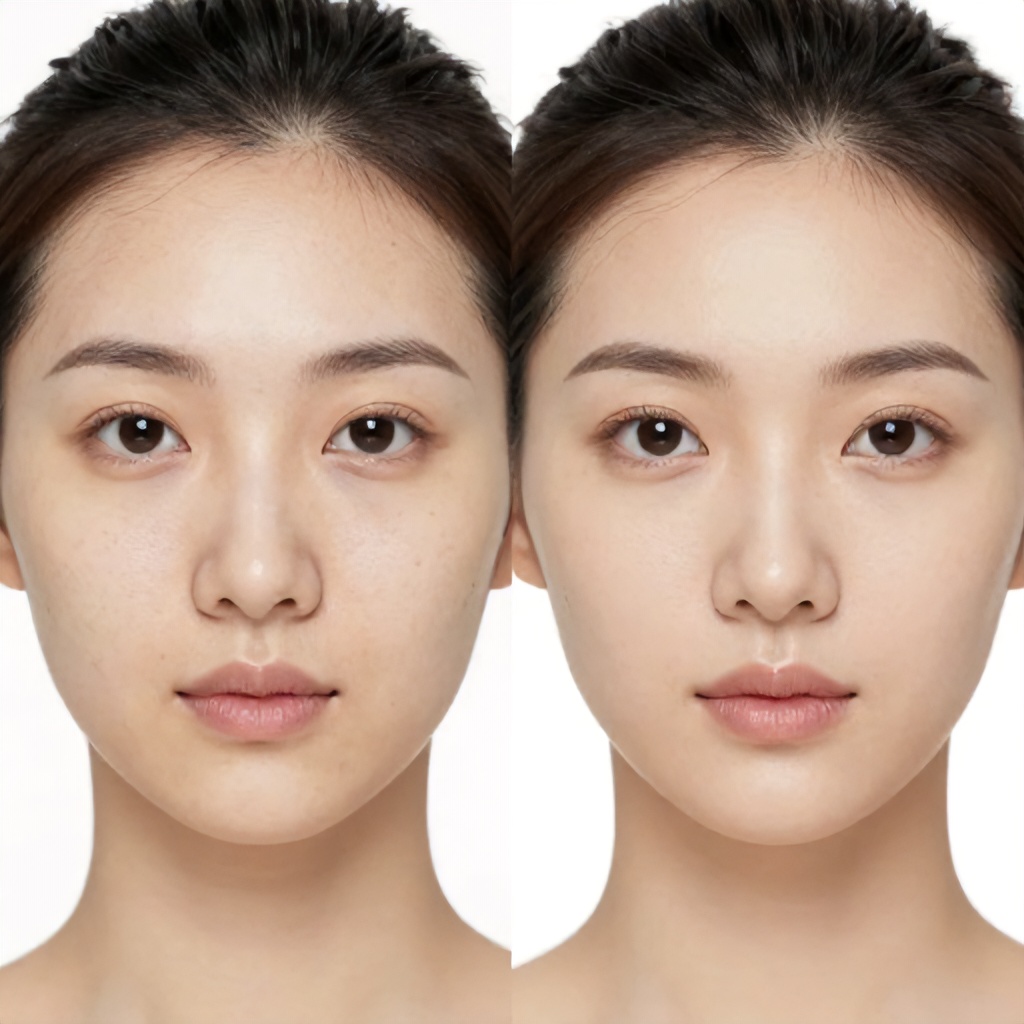
The journey to better skin often involves understanding what’s happening on the epidermal layer and addressing specific dermal concerns. We’re talking about tackling everything from subtle skin tone variation and uneven pigmentation to the general appearance of skin texture. Let’s explore what a “before and after” comparison really looks like, focusing on the visual contrast and the practical steps involved.
Understanding Your Starting Point: The “Before” Picture
Before we even think about improvement, it’s vital to honestly assess your current skin. What are you seeing when you look in the mirror, especially in good lighting?
Common Skin Concerns Affecting Tone and Texture
Many of us deal with a mix of issues that contribute to a less-than-even complexion. These are totally normal and very common.
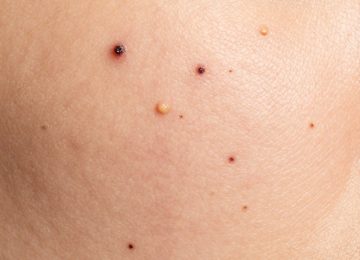
- Pigmentation Irregularities: This is a big one. It can manifest as sun spots, age spots, or post-inflammatory hyperpigmentation (PIH) – those lingering dark marks left behind after acne or other skin irritations. Light brown pigmentation is particularly common, often appearing on the cheeks and jawline.
- Uneven Skin Texture: This refers to the feel and appearance of your skin’s surface. It can include roughness, enlarged pores, fine lines, or even subtle bumps. Sometimes, this is due to dehydration, dead skin cell buildup, or a lack of collagen.
- Redness and Rosacea: Persistent redness, especially on the cheeks, can make the skin appear less uniform. Conditions like rosacea can exacerbate this, leading to visible blood vessels and inflammatory bumps.
- Freckles and Moles: While often loved, a significant number of freckles or larger moles can contribute to a varied skin tone, which some people aim to even out.
- Dullness: A lack of radiance or a general tired appearance can make the skin seem less healthy and even-toned, even if there aren’t obvious dark spots.
Looking at your facial skin critically helps identify which of these dermal concerns are most prominent for you. This initial understanding is the foundation for any effective skincare routine or treatment plan. Without knowing what you’re working with, it’s hard to measure progress.
The Importance of Close-Up Comparison
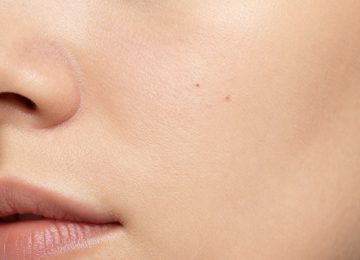
Sometimes, the most significant changes are best observed with a close-up comparison. This means taking clear, well-lit photos of your skin – perhaps on your cheek or jawline – under consistent conditions. This isn’t about vanity; it’s about objective tracking. You might notice subtle skin imperfections that you hadn’t fully registered before, like the exact pattern of your light brown pigmentation or the specific areas of redness.
The Path to Smoother, Even-Toned Skin: Strategies and Treatments
Once you have a clear picture of your “before,” you can start implementing strategies to achieve that desired “after.” The good news is that there are many effective approaches, ranging from simple at-home care to professional treatments.
At-Home Skincare Essentials
Consistent, targeted at-home care is the backbone of most skin improvement journeys. It’s about building a routine that addresses your specific needs.
- Gentle Cleansing: Start with a mild cleanser that removes impurities without stripping your skin’s natural oils. Over-cleansing can lead to irritation and exacerbate redness, counteracting your efforts for an even skin tone.
- Exfoliation is Key: This is crucial for improving skin texture and fading pigmentation.
- Chemical Exfoliants: Ingredients like AHAs (glycolic acid, lactic acid) and BHAs (salicylic acid) work wonders. AHAs help shed dead skin cells on the surface, revealing brighter skin and diminishing superficial pigmentation. BHAs penetrate pores, making them excellent for acne-prone skin and preventing future blemishes that can lead to PIH. Start slowly, perhaps once or twice a week, to avoid over-irritation.
- Physical Exfoliants: Gentle scrubs with fine particles can also help, but be very careful not to be too abrasive, as this can cause micro-tears and inflammation.
- Targeted Treatments: Incorporate serums and treatments designed to tackle specific issues.
- Vitamin C Serums: A powerhouse antioxidant, Vitamin C brightens the complexion, fades dark spots and light brown pigmentation, and protects against environmental damage. Look for stable forms of Vitamin C.
- Niacinamide: This versatile ingredient helps improve skin barrier function, reduce redness, minimize the appearance of pores, and can even help with hyperpigmentation. It’s often well-tolerated by most skin types.
- Retinoids: Prescription-strength retinoids (like tretinoin) or over-the-counter retinol are incredibly effective for skin rejuvenation. They speed up cell turnover, which helps with texture, fine lines, and fading pigmentation. Start with a low concentration and use it only at night, gradually increasing frequency as your skin tolerates it. Always use sunscreen when using retinoids, as they increase sun sensitivity.
- Hydration and Moisturization: Well-hydrated skin looks plumper, smoother, and more luminous. Choose a moisturizer suited to your skin type. Ingredients like hyaluronic acid attract moisture, while ceramides help maintain the skin barrier.
- Sun Protection, Non-Negotiable: This is the single most important step in preventing future pigmentation and protecting your skin from further damage. Use a broad-spectrum SPF 30 or higher daily, even on cloudy days. Reapply as needed. Sunscreen prevents existing pigmentation from darkening and new spots from forming.
- Chemical Peels: These use higher concentrations of acids than at-home treatments to deeply exfoliate the skin, effectively addressing pigmentation, texture issues, and fine lines.
- Laser and Light Therapies: Various lasers and IPL (Intense Pulsed Light) treatments are highly effective at targeting specific chromophores in the skin, such as melanin (responsible for pigmentation) and hemoglobin (responsible for redness). They can significantly reduce the appearance of sun spots, freckles, and diffuse redness, leading to a more even skin tone and a luminous finish.
- Microneedling: This procedure creates tiny micro-injuries in the skin, stimulating collagen production and promoting skin rejuvenation. It can improve skin texture, reduce the appearance of acne scars, and help fade hyperpigmentation.
- Prescription Topical Treatments: Dermatologists can prescribe stronger formulations of retinoids, hydroquinone (for stubborn hyperpigmentation), or other agents to address specific skin concerns.
- Reduced Pigmentation: Dark spots and patches of light brown pigmentation appear lighter or have faded significantly. The overall skin tone variation is less pronounced.
- Smoother Skin Texture: The skin feels softer and looks more refined. Pores may appear smaller, and the surface is less rough.
- Increased Radiance: The complexion looks brighter and more luminous, with a healthy glow.
- Diminished Redness: If redness was a concern, you’ll likely see a more even, less inflamed skin appearance.
- Improved Clarity: The skin looks clearer, with fewer visible imperfections.
- Continue Sun Protection: This cannot be stressed enough. Daily SPF is your best friend for long-term results.
- Maintain a Consistent Skincare Routine: Keep up with your cleansing, targeted treatments, and moisturizing. You might adjust frequency or product types based on your skin’s needs.
- Address New Concerns Promptly: If new spots of pigmentation or texture issues arise, address them early before they become more established.
- Healthy Lifestyle Habits: Diet, hydration, sleep, and stress management all play a role in overall skin quality and appearance.
Professional Treatments for Enhanced Results
For more significant cosmetic improvement or stubborn dermal concerns, professional treatments can offer a more accelerated aesthetic outcome.
Consulting with a dermatologist or a qualified aesthetician is the best way to determine which professional treatments are most suitable for your skin type and desired results. They can provide a tailored plan for your facial skin.
The “After” Picture: What to Expect
The “after” isn’t about achieving flawless, poreless skin, which is often an unrealistic expectation. Instead, it’s about noticeable improvements in skin quality and appearance.
Visual Contrast and Key Changes
When you compare your “before” and “after” photos, you’ll likely see several positive changes:
It’s important to remember that skin rejuvenation is a process. The aesthetic outcome is cumulative, meaning consistent effort yields the best results. What might seem like small improvements over time add up to a significant visual contrast.
Maintaining Your Results
Once you’ve achieved your desired skin appearance, the work isn’t over. Maintenance is key to preserving your smoother, even-toned complexion.
The journey to smoother, even-toned skin is a personal one, and the “before and after” is a testament to your dedication and the effectiveness of the right strategies. It’s about enhancing what you have, celebrating a healthier skin appearance, and feeling more confident in your own skin.