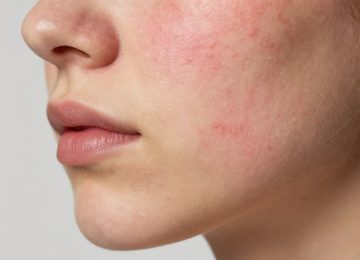
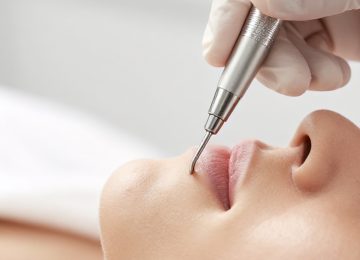
Using tweezers for blemish extraction on your skin is almost always a bad idea, carrying significant risks of infection, scarring, and worsening the very skin imperfections you’re trying to fix. While the idea of precise removal with a high-magnification view might seem appealing, household tweezers are not designed for safe dermatological procedures and can cause more harm than good, especially when attempting pimple removal or comedone extraction without proper training or sterile conditions.
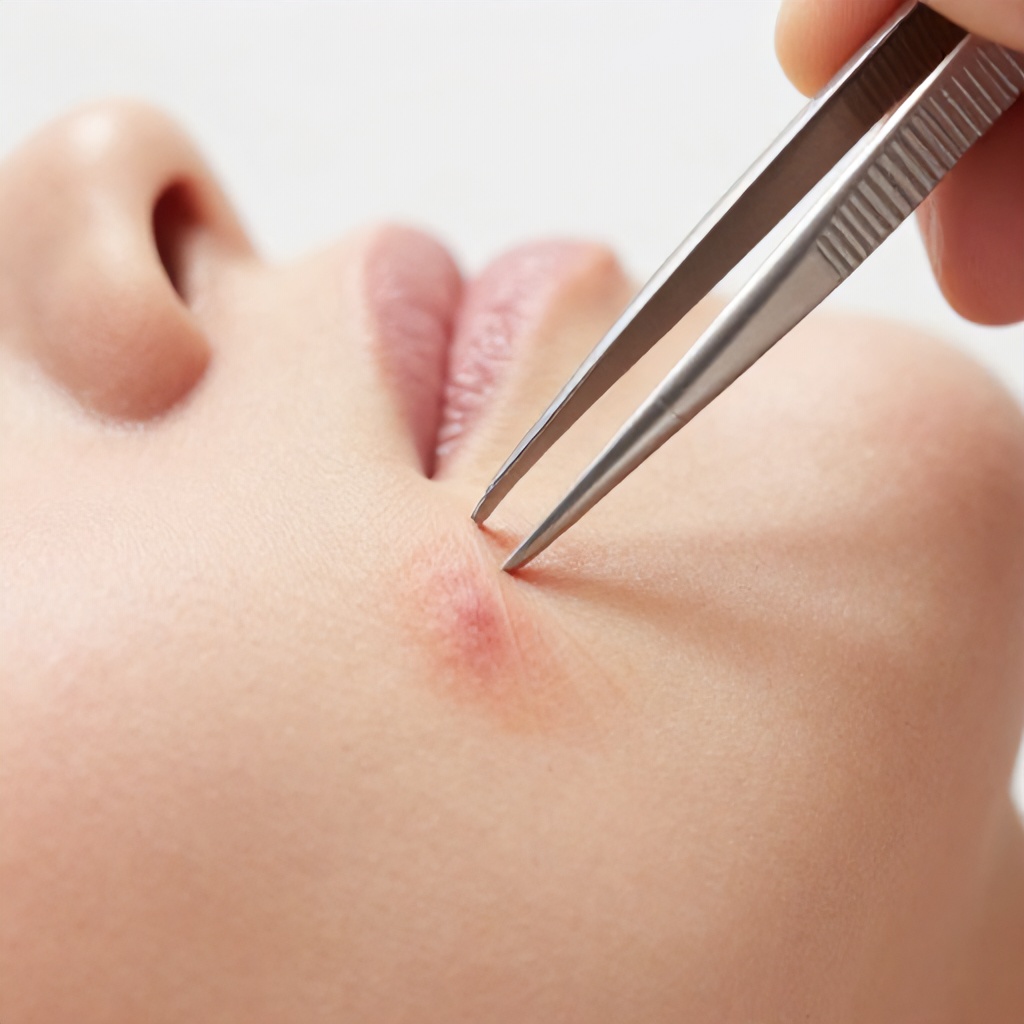
The Allure of DIY Extraction and Its Hidden Dangers
Many people are tempted to tackle minor skin issues themselves when they spot a blemish. The thought of having a tool that offers a close-up, magnified skin view, like a pair of fine-tipped tweezers, can make DIY extraction seem like a quick fix. You might feel you have better control, aiming to carefully remove whatever is bothering you. However, this common impulse often leads to regrettable outcomes because the skin is a delicate organ, and manipulating skin without the right expertise or tools can have lasting negative consequences.
Why Tweezers Are Not Your Skin’s Friend for Blemishes
While tweezers excel at plucking stray hairs, their design and typical use make them unsuitable for most forms of blemish extraction. The tips, even fine ones, are often too blunt or sharp in the wrong places for safely opening pores or gently coaxing out blockages. Applying pressure with tweezers can easily tear the skin, push bacteria deeper into the pore, or rupture the blemish internally, leading to more inflammation and a higher risk of post-inflammatory hyperpigmentation or permanent scarring. This is a far cry from a controlled, professional extraction.
Understanding the Risks of At-Home Blemish Extraction
Attempting to remove blemishes with tweezers at home introduces a host of potential problems that can significantly impact your skin health and appearance. These risks are why expert blemish extraction is always recommended over self-treatment for most skin lesions.
Infection is a Major Concern
One of the most immediate dangers of DIY extraction is the risk of infection. Your tweezers, even if wiped down, are unlikely to be truly sterile. Introducing bacteria from unsterilized tools, your fingers, or the surrounding environment directly into an open pore or wound is a recipe for disaster. This can turn a minor blemish into a painful, pus-filled infection that may require medical attention and leave a more prominent scar than the original imperfection.
Skin Damage and Scarring
The delicate nature of your skin means it’s easily damaged. Using tweezers to squeeze, pinch, or pull at a blemish can cause bruising, tearing, or even create small open wounds. This trauma can lead to immediate redness and swelling, but more concerning are the long-term effects. Repeated or aggressive manipulation of skin can result in permanent scarring, including ice pick scars, boxcar scars, or hypertrophic scars, which are much harder to treat than the initial blemish. It can also cause post-inflammatory hyperpigmentation, leaving dark spots that can linger for months or even years.
Worsening the Blemish
Instead of clearing the blemish, you might inadvertently make it worse. Pushing the contents of a blackhead or whitehead deeper into the pore can rupture the follicular wall, spreading bacteria and inflammatory mediators into the surrounding tissue. This can transform a simple comedone into a larger, more painful cyst or nodule, which is much more difficult to resolve and significantly increases the likelihood of scarring. What started as a small issue becomes a much more noticeable and persistent problem.
Misidentification of Skin Lesions
What you perceive as a simple blemish might actually be something else entirely. Skin can develop various types of growths, bumps, and lesions, some of which require specific medical diagnosis and treatment. Attempting to extract a mole, skin tag, or other dermatological issue with tweezers can cause unnecessary pain, bleeding, and potentially complicate a proper diagnosis. A clinical examination by a dermatologist is essential for identifying these minor skin issues correctly and ensuring appropriate care.
When Extraction Is Appropriate (and How Professionals Do It)
While DIY extraction with tweezers is discouraged, professional extraction is a legitimate and often beneficial dermatological procedure for certain types of skin imperfections. Licensed professionals use specialized tools and techniques to ensure safety and efficacy.
Professional Comedone Extraction
Dermatologists and licensed estheticians perform professional comedone extraction for blackheads (open comedones) and whiteheads (closed comedones). They use sterile, specialized tools like comedone extractors, which apply even pressure around the pore to gently release the blockage without tearing the skin. For whiteheads, a sterile lancet might be used to create a tiny opening before extraction, allowing the contents to be expressed safely. This process is done under bright light with a magnified skin view, ensuring precision and minimizing trauma to the surrounding skin.
The Role of a Dermatologist
When dealing with persistent acne, deep cysts, or any suspicious skin lesion, a dermatologist is your best resource. They conduct a thorough skin analysis and can differentiate between various skin conditions. They have the expertise for safe professional extraction and can recommend appropriate treatments, whether it’s a topical examination, prescription medications, or other in-office procedures. Their goal is to improve your overall skin health, not just address individual blemishes.
Ingrown Hairs: A Rare Exception (with Extreme Caution)
The only scenario where tweezers might be considered for a skin issue is for a superficial ingrown hair where the hair loop is clearly visible and just under the skin’s surface, not deeply embedded or inflamed. Even then, extreme caution is paramount:
- Sterilization is Key: Use fine-tipped tweezers that have been thoroughly sterilized with rubbing alcohol.
- Gentle Lift: Do not dig or pull. Gently lift the visible loop of hair out from under the skin.
- Do Not Pluck: Once the hair is freed, do not pluck it immediately unless it comes out with almost no resistance. Allow the skin to heal, and then consider hair removal if desired.
- Stop if Inflamed: If the area is red, painful, or shows signs of infection, leave it alone and consult a professional.
For most ingrown hairs, especially those causing inflammation or bumps, professional help is still the safest bet. They can perform a sterile, precise removal with minimal risk of scarring or infection.
Understanding Different Blemishes and Why Tweezers Fail Them
Different types of blemishes require different approaches. Understanding what you’re dealing with highlights why a one-size-fits-all tool like tweezers is ineffective and often harmful.
Blackheads (Open Comedones)
These are pores clogged with sebum and dead skin cells that have oxidized, giving them a dark appearance. They are open to the air. Tweezers can pinch the skin around a blackhead but rarely apply the even pressure needed to gently push out the plug. Instead, they can tear the pore lining or push the contents deeper.
Whiteheads (Closed Comedones)
These are similar to blackheads but are covered by a thin layer of skin, making them appear as small, flesh-colored bumps. Trying to “grab” a whitehead with tweezers is futile and will only damage the skin, as there’s no open pore to extract from. These often require a tiny, sterile incision by a professional before gentle extraction.
Pustules and Pimples
These are inflamed lesions containing pus. Using tweezers to squeeze or pop a pustule is highly discouraged. It almost guarantees pushing bacteria and inflammatory material deeper, leading to more significant inflammation, larger lesions, and a much higher risk of scarring. These are best treated with topical medications or, if severe, professional drainage.
Cysts and Nodules
These are deep, painful, and often large lesions that are embedded far beneath the skin’s surface. They are not amenable to any form of manual extraction, especially not with tweezers. Attempting to extract these at home is extremely dangerous and can lead to severe infection, extensive scarring, and prolonged healing. Medical intervention, often involving prescription medication or corticosteroid injections, is necessary for these types of acne.
Milia
Milia are tiny, pearly white cysts that form when keratin gets trapped under the skin. They are not pores and cannot be squeezed out. Tweezers are completely ineffective for milia and will only damage the surrounding skin. Professional removal involves a tiny, sterile lancing tool to create an opening, followed by gentle extraction.
Prioritizing Skin Health: A Better Approach to Clearer Skin
Instead of resorting to risky DIY extraction methods, focus on a consistent and effective skincare routine that promotes overall skin health and helps prevent blemishes. This approach aligns with good aesthetic skincare practices and reduces the need for emergency interventions.
A Solid Skincare Foundation
- Gentle Cleansing: Wash your face twice daily with a mild cleanser to remove dirt, oil, and makeup without stripping the skin.
- Targeted Treatments: Incorporate ingredients like salicylic acid (a beta-hydroxy acid that exfoliates inside the pore), benzoyl peroxide (to kill acne-causing bacteria), or retinoids (to promote cell turnover and prevent clogged pores). These are often the first line of defense against various skin imperfections.
- Moisturize: Even oily or acne-prone skin needs hydration. Choose a non-comedogenic moisturizer to maintain the skin’s barrier function.
- Sun Protection: Daily use of broad-spectrum SPF prevents sun damage, which can worsen hyperpigmentation and compromise skin health.
When to Seek Professional Help
If you’re struggling with persistent acne, frequent breakouts, deep or painful blemishes, or if you have any concerns about growths on your skin, it’s always best to consult a dermatologist. They can provide a comprehensive skin analysis, diagnose specific conditions, and recommend personalized treatment plans, which may include professional extraction as part of a broader dermatological procedure. They have the proper dermatological tools and expertise to address your concerns safely and effectively.
The Professional Difference: Expertise and Equipment
The contrast between attempting blemish extraction with household tweezers and undergoing a professional procedure is stark. Professionals bring a level of expertise, specialized equipment, and a sterile environment that simply cannot be replicated at home.
Sterile Environment and Tools
A professional setting ensures a sterile environment, minimizing the risk of infection. Dermatologists and estheticians use medical-grade, sterilized instruments, including various types of comedone extractors, lancets, and sometimes micro-needles, each designed for specific types of extractions and skin lesions. These tools are far superior to tweezers for safely addressing blockages within pores.
High-Magnification and Lighting
Professionals work under powerful magnifying lamps and specialized lighting. This high-magnification view allows them to clearly see the blemish, the surrounding skin, and the direction of the pore, enabling precise manipulation of skin without causing unnecessary trauma. This level of visual clarity is crucial for effective and safe extraction.
Clinical Examination and Dermal Analysis
Before any extraction, a professional conducts a clinical examination and dermal analysis. They assess your skin type, condition, and the nature of the blemish. This allows them to determine if extraction is appropriate, what type of tool to use, and how much pressure to apply. They can also identify if a “blemish” is actually a more serious skin lesion requiring different medical attention.
Post-Extraction Care
After extraction, professionals apply soothing, antiseptic, or anti-inflammatory treatments to help the skin heal and prevent infection. They also provide guidance on post-procedure care, helping you maintain the results and prevent future breakouts. This holistic approach ensures better outcomes and supports long-term skin health.
Ultimately, while the desire for clear skin is strong, the risks associated with using tweezers for blemish extraction far outweigh any perceived benefits. Trusting your skin to experienced professionals for expert blemish extraction ensures safety, minimizes damage, and provides the best path to achieving and maintaining a healthy, clear complexion.