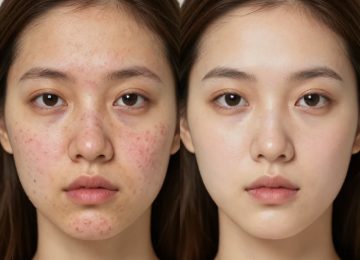
Blackheads are small, dark spots that form when skin follicles become clogged with a combination of sebum buildup and dead skin cells. These comedones appear as tiny, dark bumps on the surface, often concentrated around the nose, chin, and forehead. While they are a common concern for people of all ages, managing them effectively requires a consistent approach to skin hygiene rather than harsh, aggressive scrubbing.
Understanding the Mechanics of Skin Congestion
To treat blackheads, you must first understand why they happen. Your skin is covered in tiny openings called pores, which are actually the ends of hair follicles. Each follicle contains a sebaceous gland that produces oil, known as sebum. This oil is necessary to keep your skin hydrated and supple. However, when the body produces too much oil, or when dead skin cells do not shed properly, they mix together and form a plug inside the follicle.
The dark color of a blackhead is not caused by dirt. Instead, it is the result of oxidation. When the plug of oil and skin debris is exposed to the air, it turns dark. This is why washing your face with harsh soaps often fails to clear them; the issue is occurring deep within the pore, not just on the surface. Effective epidermal care focuses on keeping these follicles clear without stripping the skin of its natural moisture barrier.

Gentle Exfoliation and Deep Pore Cleansing
Exfoliation is the process of removing dead skin cells from the surface of your face. When done correctly, it prevents these cells from falling into your pores and mixing with sebum. Physical scrubs can be effective, but they must be used with caution to avoid micro-tears in the skin. Chemical exfoliation, even using simple kitchen ingredients, can be a safer alternative for many.
Natural skincare remedies often rely on ingredients that provide both physical and chemical benefits. For instance, sugar acts as a gentle physical exfoliant, while the natural acids found in citrus or dairy can help break down the bonds holding dead skin cells together. Consistency is the key to seeing a change in your skin texture improvement.
Always perform a patch test on your inner arm before applying any DIY mixture to your face. Ingredients like lemon juice or essential oils can be irritating to sensitive skin types.
Effective DIY Methods for Clearer Skin
The Steam and Extraction Technique
One of the most effective ways to manage oil-trapped follicles is to soften the plug before attempting any removal. A warm shower or a facial steam bath helps to open pores and loosen the hardened sebum. Once the skin is warm and supple, the extraction process becomes much less traumatic for the surrounding tissue.
Gelatin and Milk Masks
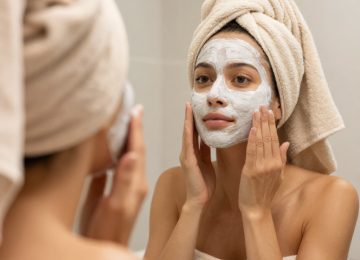
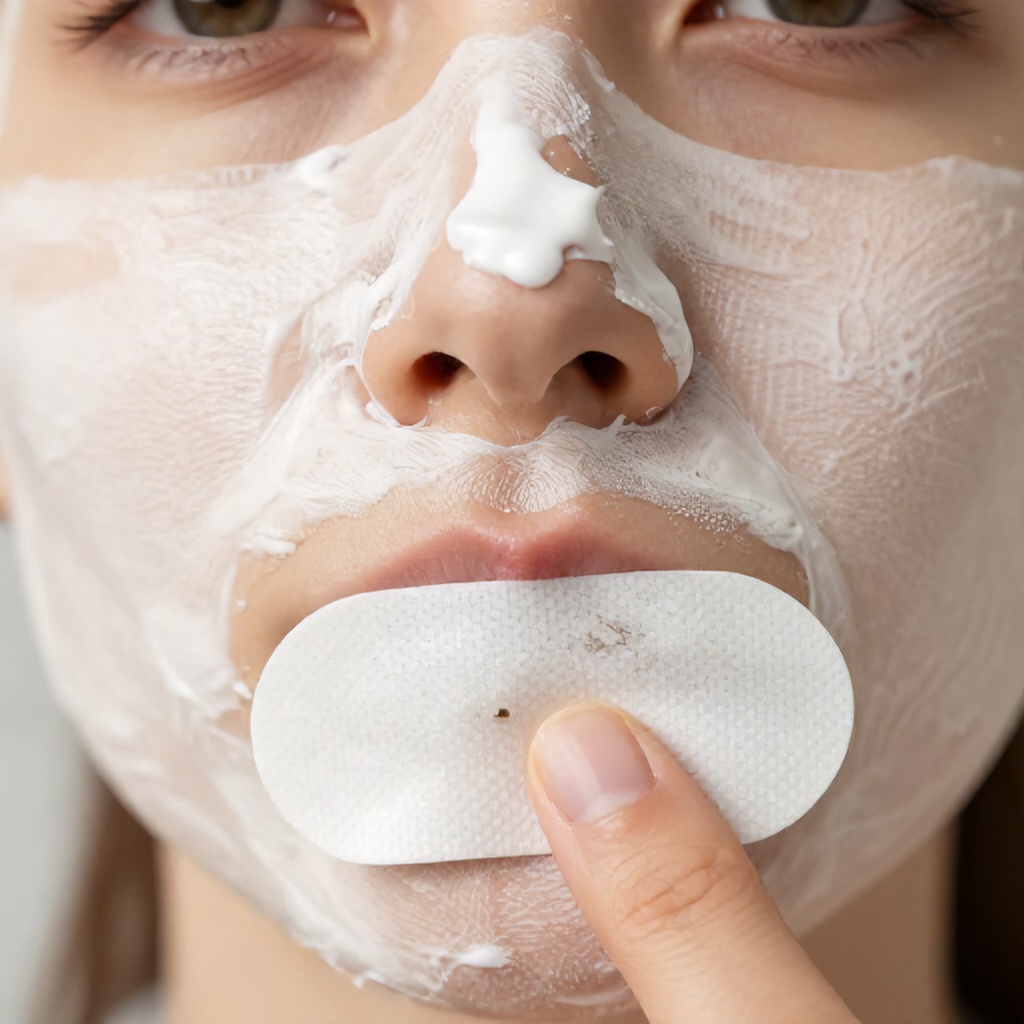
A popular method for deep pore cleansing involves creating a homemade peel-off mask. By mixing unflavored gelatin with a small amount of milk, you create a substance that adheres to the surface of the skin. As it dries, it grips the top of the comedones. When you peel it away, it pulls out skin debris and surface-level congestion. This is a quick 15-minute treatment that leaves the skin feeling smooth.
Activated Charcoal and Bentonite Clay
For those dealing with persistent skin impurities, a mask made from activated charcoal and bentonite clay is a powerhouse. Bentonite clay is known for its ability to absorb excess oil, while activated charcoal acts like a magnet for toxins and impurities. Mixing these with water creates a paste that draws out deep-seated gunk from the pores. This is one of the most effective DIY beauty treatments for those with oily or combination skin.
You should never squeeze blackheads with your fingernails. This practice can force bacteria deeper into the follicle, leading to inflammation, scarring, or even a full-blown infection. Always prioritize skin hygiene over the temporary satisfaction of manual extraction.
Natural Ingredients for Daily Maintenance
Honey is a natural disinfectant that can be used as a spot treatment or a gentle cleanser. Its antibacterial properties help keep the skin clean, while its humectant nature ensures that the skin remains hydrated. When combined with a tiny amount of sugar, it creates a gentle scrub that clears away dead skin without causing irritation.
Lemon juice is another common ingredient, prized for its ability to brighten the skin and cut through oil. However, it is highly acidic. When using lemon, always dilute it with honey or water and avoid sun exposure immediately after application, as it can make your skin more sensitive to UV rays.

Creating Your Own Pore Strips
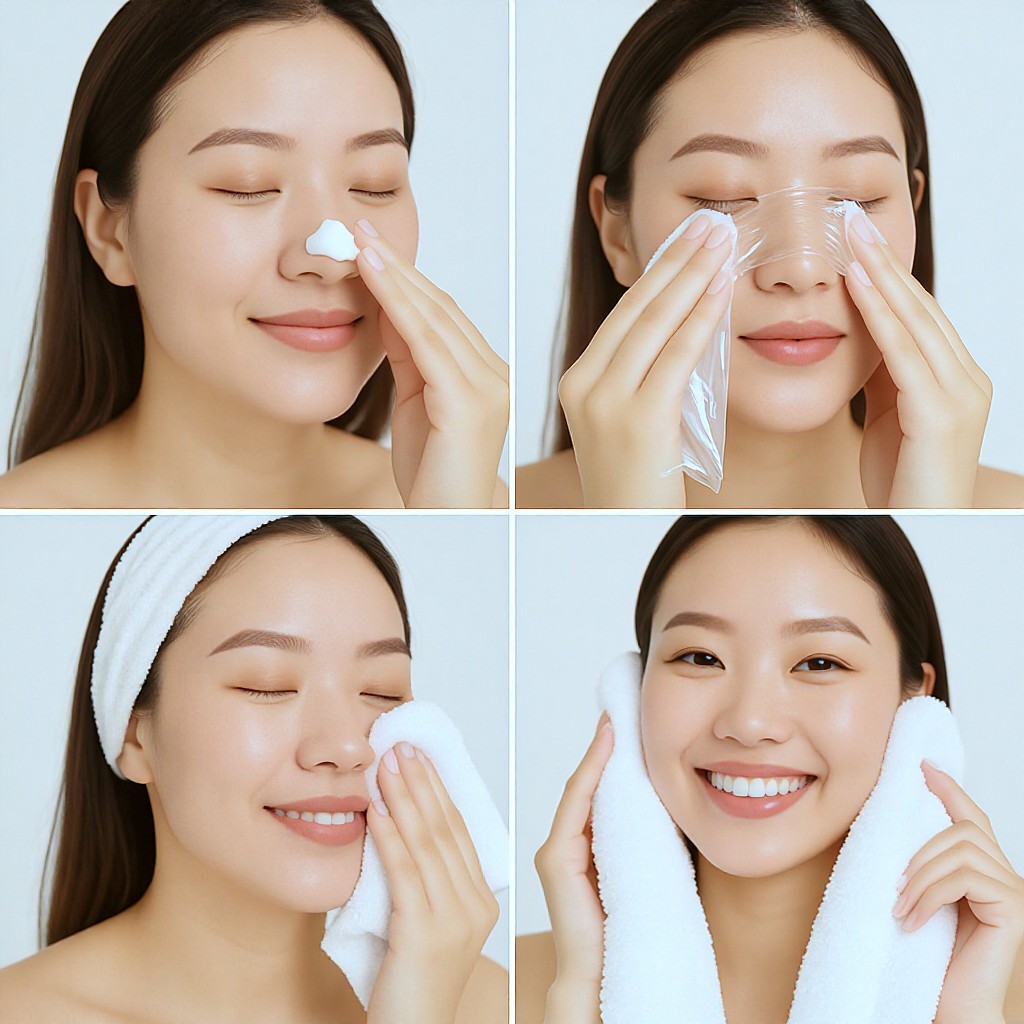
Commercial pore strips are often expensive and can be harsh on the skin. You can easily make your own using egg whites and thin paper, such as a tissue or a clean paper towel. The egg white acts as a natural glue. By applying a thin layer to the nose, placing the paper over it, and letting it dry completely, you create a custom-fit strip that lifts away surface impurities effectively.
The Role of Toothpaste and Salt
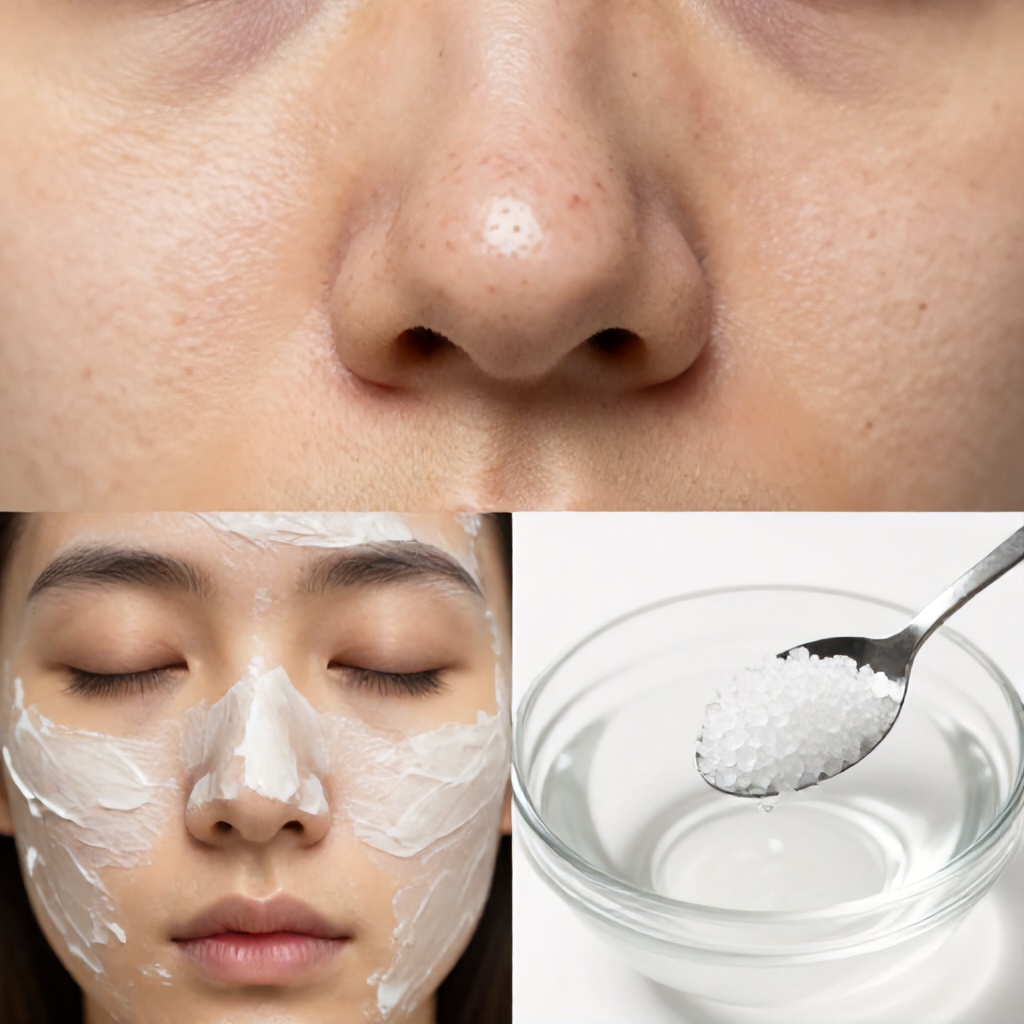
Some people swear by the use of toothpaste and salt to clear stubborn blackheads. The mint in toothpaste provides a cooling sensation and can help open pores, while the salt acts as a natural disinfectant and exfoliant. While this method is popular, it should be used sparingly. Toothpaste is formulated for teeth, not the delicate skin of your face, so it can be drying if left on for too long.
Maintaining Results Over Time
Removing blackheads is only half the battle. To prevent them from returning, you must maintain a routine that supports dermatological health. This includes daily facial cleansing to remove environmental pollutants and excess oil. If you wear makeup, ensure that you are using non-comedogenic products that will not clog your pores.
Focus on your diet and hydration levels as well. While external treatments are important, the health of your skin is a reflection of your overall well-being. Drinking plenty of water and eating a diet rich in antioxidants can help regulate oil production from the inside out.
When to See a Professional
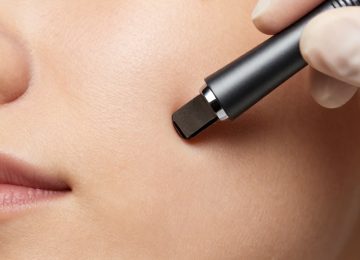
If you find that your blackheads are accompanied by deep, painful cysts or if they do not respond to any natural skincare remedies, it may be time to consult a dermatologist. Persistent congestion can sometimes be a sign of hormonal imbalances or other underlying conditions that require professional intervention. A dermatologist can provide safe, clinical-grade pore extraction and recommend medical-grade treatments that are tailored to your specific skin type.
Summary of Best Practices
- Always start with a clean face before applying any DIY mask or treatment.
- Use warm steam to soften the skin before attempting any form of extraction.
- Be gentle. Your skin is a delicate organ and does not respond well to aggressive scrubbing or picking.
- Consistency is more important than intensity. A mild, regular routine is better than a harsh, once-a-month treatment.
- Listen to your skin. If a remedy causes redness, stinging, or excessive dryness, stop using it immediately.
By incorporating these natural methods into your routine, you can effectively manage blackheads and improve your overall skin texture. Remember that everyone’s skin is different, so what works for one person might not work for another. Experiment with these methods, keep track of how your skin reacts, and enjoy the process of caring for your complexion in a way that is both natural and effective.
The journey to clearer skin is a marathon, not a sprint. By focusing on the health of your follicles and keeping your pores clear of debris, you can achieve a radiant, healthy look without relying on expensive, chemical-heavy products. Stay patient, stay consistent, and your skin will thank you.