
Achieving clearer, smoother facial skin after struggling with acne is a very real and attainable goal, often leading to a significant improvement in both appearance and confidence.

Understanding Acne and Its Impact on Facial Skin
Acne is a common skin condition characterized by various types of blemishes, including pimples, blackheads, whiteheads, cysts, and nodules. These skin imperfections typically appear on the face, but can also affect the chest, back, and shoulders. The condition arises when hair follicles become clogged with oil (sebum) and dead skin cells, creating an ideal environment for bacteria to thrive.
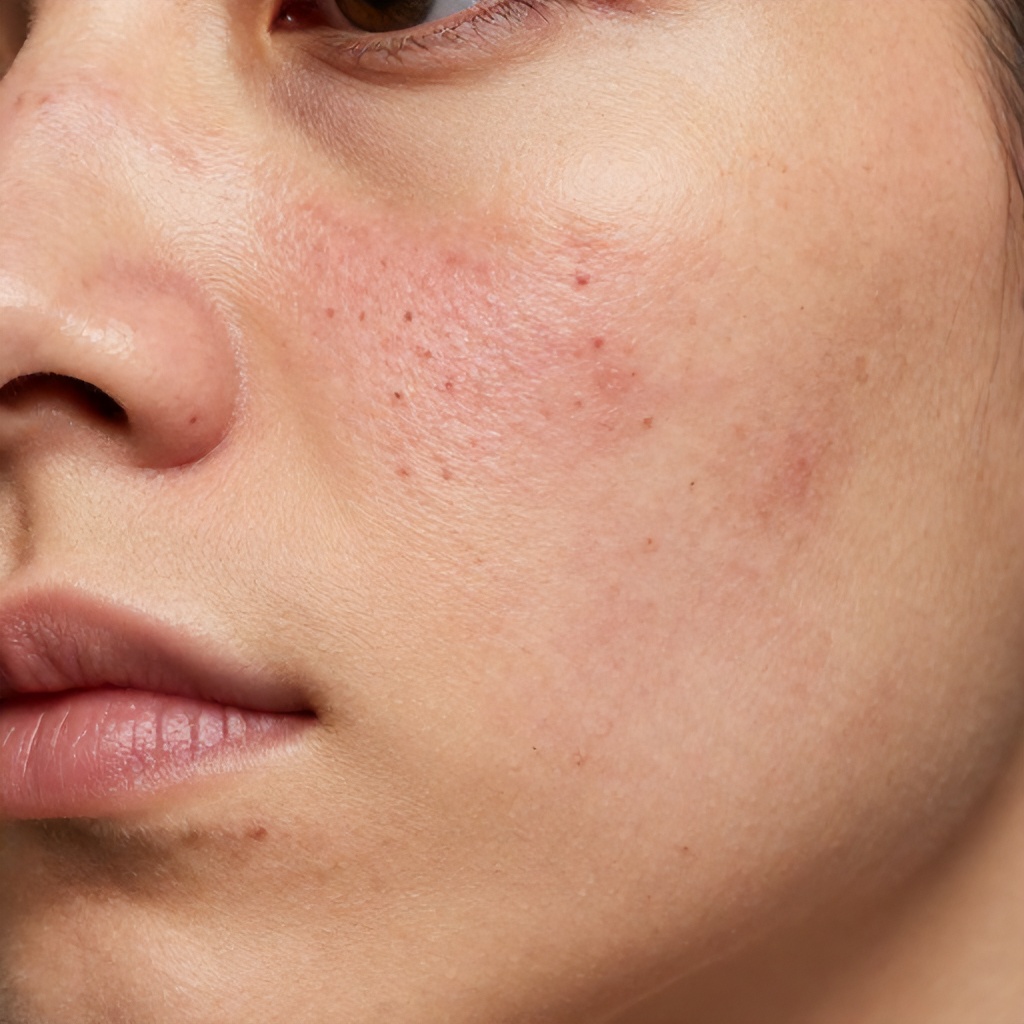
The visual impact of acne can be profound. Many people experience red spots, inflamed lesions, and an overall uneven skin texture. This can range from mild breakouts with a few scattered pimples to severe cystic acne that causes deep, painful bumps and can leave lasting scars. Common areas for acne lesions include the forehead, nose, chin, cheek acne, and jawline acne, often presenting as persistent skin blemishes that affect the overall even skin tone and luminous tone of the complexion.
The “Before” Picture: What Acne Looks Like
Before starting an effective acne treatment, facial skin often exhibits a range of issues. You might see active breakouts, which are inflamed red spots or pustules. There could be numerous blackheads and whiteheads, especially across the T-zone. The skin might feel rough to the touch due to texture irregularities caused by clogged pores and developing lesions. For many, there are also lingering post-inflammatory hyperpigmentation (PIH) marks – those dark or red spots that remain long after a pimple has healed. These various skin imperfections contribute to an uneven skin texture and can make the skin appear dull or irritated.
The “After” Picture: The Vision of Clearer, Smoother Skin
The goal of any comprehensive acne treatment is to achieve clearer skin and smoother skin. This means a significant reduction in active breakouts and new acne lesions. The skin’s surface becomes more uniform, with fewer visible pores and a softer feel. Red spots and hyperpigmentation begin to fade, leading to a more even skin tone and a radiant complexion. Ultimately, the aim is a skin transformation that results in improved skin clarity, a luminous tone, and an overall healthier appearance. This complexion improvement is what we strive for, moving from a troubled skin condition to one of improved skin health.
Building an Effective Acne Treatment Plan
A successful acne treatment plan is rarely a one-size-fits-all solution. It often requires a multi-pronged approach, combining topical treatments, sometimes oral medications, and lifestyle adjustments. Consistency is key, and patience is absolutely essential. Results won’t appear overnight, but with dedication, a significant skin transformation is possible.
Topical Treatments: Your First Line of Defense
Topical treatments are creams, gels, or lotions applied directly to the skin. Many effective options are available over-the-counter, while others require a prescription. They work by targeting different aspects of acne formation.
- Benzoyl Peroxide: This ingredient kills acne-causing bacteria and helps shed dead skin cells. It’s effective for inflammatory acne, such as pustules and papules. Start with a lower concentration to minimize irritation.
- Salicylic Acid: A beta-hydroxy acid (BHA), salicylic acid exfoliates inside the pore, helping to unclog them and prevent new blackheads and whiteheads. It’s excellent for mild acne and improving skin texture.
- Retinoids (Retinol, Adapalene, Tretinoin): These vitamin A derivatives are powerful. They normalize skin cell turnover, preventing pores from becoming clogged, and reduce inflammation. Adapalene is available over-the-counter, while stronger retinoids like tretinoin require a prescription. They are fundamental for long-term acne management and can significantly improve overall skin clarity.
- Azelaic Acid: This acid has antibacterial and anti-inflammatory properties. It’s particularly useful for reducing redness and treating post-inflammatory hyperpigmentation, contributing to a more even skin tone.
When using topical treatments, it’s important to introduce them slowly. Applying too many active ingredients at once can cause irritation, dryness, and redness, potentially worsening your skin condition temporarily. Always follow product instructions carefully.
Oral Medications: For More Stubborn Cases
For moderate to severe acne, or when topical treatments aren’t enough, dermatologists may prescribe oral medications. These work systemically throughout the body to address the root causes of acne.
- Antibiotics: Oral antibiotics reduce bacteria and inflammation. They are usually prescribed for a limited time to avoid antibiotic resistance and are often used in conjunction with topical retinoids.
- Isotretinoin (Accutane): This powerful vitamin A derivative is reserved for severe, cystic acne that hasn’t responded to other treatments. It dramatically reduces oil production, prevents clogged pores, and has long-lasting effects. It requires strict medical supervision due to potential side effects.
- Hormonal Therapies: For women, certain birth control pills or anti-androgen medications can help control acne linked to hormonal fluctuations, particularly common with jawline acne.
Oral medications are a serious step and should always be discussed thoroughly with a dermatologist. They can offer a profound skin transformation for those with persistent breakouts.
Professional Treatments for Enhanced Complexion Improvement
Beyond daily routines, dermatological treatment options performed by professionals can accelerate progress and address specific concerns like scarring or stubborn blemishes.
Chemical Peels
Superficial chemical peels, using acids like salicylic, glycolic, or lactic acid, exfoliate the top layers of the skin. This helps to unclog pores, reduce active breakouts, and improve the appearance of red spots and uneven skin texture. Regular peels can contribute significantly to improved skin clarity and a more luminous tone.
Microdermabrasion and Dermaplaning
These physical exfoliation methods remove dead skin cells from the surface. Microdermabrasion uses fine crystals or a diamond tip to abrade the skin, while dermaplaning uses a sterile blade to gently scrape off dead cells and vellus hair. Both can help refine skin texture and promote a smoother, more radiant complexion.
Laser and Light Therapies
Various laser and light treatments can target different aspects of acne. Blue light therapy kills acne-causing bacteria. Pulsed dye lasers can reduce the redness of post-inflammatory erythema (red spots). Fractional lasers can improve the appearance of acne scars and overall skin texture, leading to a much smoother skin surface.
Acne Extractions
Performed by a trained professional, extractions involve safely removing blackheads and whiteheads using sterile tools. This can immediately improve the appearance of clogged pores and prevent them from developing into inflamed lesions. It’s important never to attempt extractions at home, as this can lead to scarring and worsening of the skin condition.
Lifestyle Factors Supporting Skin Health
While medical treatments are essential, daily habits play a significant role in supporting overall skin health and preventing breakouts.
- Gentle Skincare Routine: Use a mild cleanser twice a day, avoid harsh scrubbing, and always moisturize, even if your skin is oily. Over-drying can trigger more oil production.
- Sun Protection: Many acne treatments make skin more sensitive to the sun. Daily use of a broad-spectrum SPF 30+ sunscreen is vital. Sun exposure can also worsen post-inflammatory hyperpigmentation.
- Diet: While the link between diet and acne is complex and individual, some find that reducing dairy, high-glycemic foods, and processed sugars can help manage breakouts. Focus on a balanced diet rich in fruits, vegetables, and whole grains.
- Stress Management: Stress can trigger hormonal fluctuations that exacerbate acne. Incorporate stress-reducing activities like exercise, meditation, or hobbies into your routine.
- Avoid Picking: Picking or squeezing pimples can push bacteria deeper into the skin, leading to more inflammation, larger lesions, and permanent scarring. It’s one of the quickest ways to worsen skin imperfections and create texture irregularities.
- Cleanliness: Regularly wash pillowcases, phone screens, and anything else that frequently touches your facial skin.
Tracking Your Progress: The Visual Comparison
One of the most motivating aspects of an acne treatment journey is seeing the progress. This is where “before and after” truly comes to life. Taking consistent photos is an excellent way for progress tracking.
How to Document Your Skin Transformation
- Consistent Lighting: Always take photos in the same lighting conditions, ideally natural daylight without direct sun.
- Same Angle: Stand in the same spot, holding the camera at the same height and angle for each photo. Take pictures of your full face, and close-ups of specific problem areas like cheek acne or jawline acne.
- No Makeup: Ensure your skin is clean and free of makeup for accurate comparison.
- Regular Intervals: Take photos every 2-4 weeks. Acne treatment takes time, so don’t expect daily changes.
- Focus on Details: Look for changes in the number of active breakouts, the fading of red spots, the improvement in uneven skin texture, and the overall complexion improvement.
Reviewing these photos over time provides tangible evidence of your skin transformation. You’ll notice the reduction in acne lesions, the gradual improvement in skin clarity, and how your skin moves towards a more even skin tone and smoother appearance. This visual comparison can be incredibly encouraging during periods when you might feel discouraged.
Maintaining Clearer, Smoother Skin
Once you’ve achieved your desired results, the journey isn’t over. Maintaining clearer skin requires ongoing effort and a consistent routine. Acne is a chronic condition for many, and prevention is key.
Continue with your prescribed or recommended skincare regimen. Do not stop using effective topical treatments just because your skin looks good. Often, a maintenance phase involves using retinoids a few times a week to keep pores clear and prevent new breakouts. Regular check-ups with your dermatologist can help adjust your routine as needed, ensuring your skin health remains optimal.
Be aware of potential triggers that might cause a resurgence of skin blemishes. This could be stress, certain foods, or hormonal changes. Having a plan to address minor flare-ups quickly can prevent them from escalating into significant breakouts. The goal is to sustain that radiant complexion and enjoy the long-term benefits of your hard work.
When to Seek Professional Help
While many mild cases of acne can be managed with over-the-counter products and lifestyle changes, knowing when to consult a dermatologist is crucial. If you experience cystic or nodular acne, if over-the-counter products haven’t worked after several weeks, or if your acne is causing significant emotional distress or scarring, it’s time to seek professional dermatological treatment. A dermatologist can accurately diagnose your specific skin condition, recommend stronger prescription medications, and offer in-office procedures that can dramatically accelerate your journey towards clearer, smoother facial skin.
Remember, achieving a healthier, more luminous tone for your facial skin is a process. It involves understanding your skin, committing to a treatment plan, and celebrating every step of your skin transformation. The before and after journey is a testament to perseverance and the power of effective care.