Spironolactone: The Unexpected Acne Fighter
Spironolactone, a medication you might know for treating high blood pressure or heart failure, is also a powerful ally in the fight against stubborn acne, especially for adult women. This prescription drug works by targeting the hormonal imbalances that often fuel persistent breakouts, offering a new path to clearer skin for those who have tried countless other treatments without success.
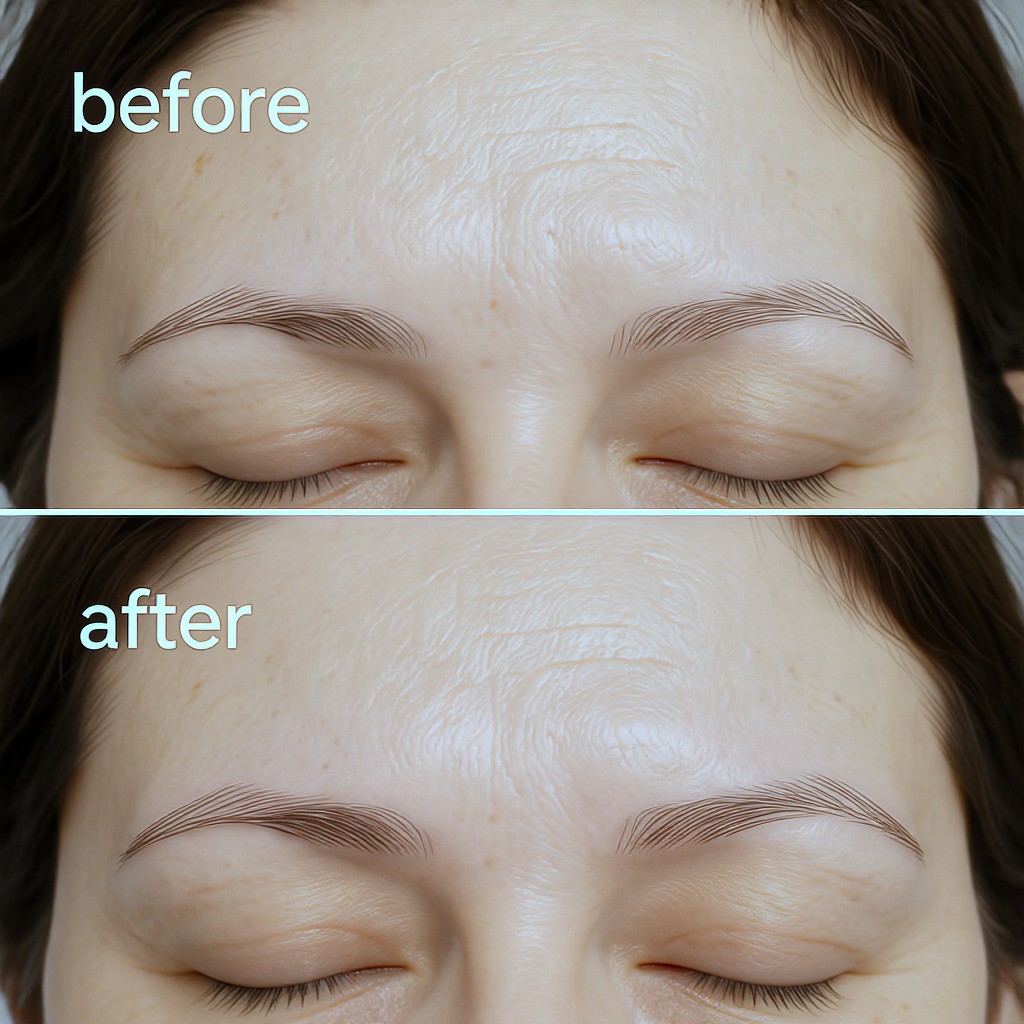
Alice Lang, a 23-year-old blogger from North Wales, experienced this firsthand. After a decade of battling acne and cycling through various prescribed medications, including birth control pills, she found her skin at its worst while living and working in Vietnam. This challenging period spurred her to seek more effective solutions. Before her next doctor’s appointment, Lang took matters into her own hands, researching potential causes and treatments. Her investigation led her to spironolactone, a drug often associated with hormonal disorders like Polycystic Ovarian Syndrome (PCOS), a condition known to trigger acne.
Armed with this knowledge, Lang approached a dermatologist in Vietnam. She explained her findings and, with the doctor’s supervision, began a course of spironolactone. The initial results were not immediate. “I started taking 50 milligrams a day,” she recounted to Popsugar. “It didn’t work at all for around two months—in fact, my acne seemed to get worse at first.” This initial worsening is not uncommon as the body adjusts to the medication. However, persistence paid off. “But suddenly, my acne began clearing up and now, four months later, I have no acne at all. It’s amazing!” Lang’s journey culminated in a dramatic transformation, showcasing the potential of this medication.
Lang shared her remarkable experience, complete with striking before-and-after photos, on her personal blog in January. The images vividly illustrated the profound impact of spironolactone on her skin health. She described the “before” picture, noting, “Here is a [before-and-after] photo on Spironolactone. The top image is what my face looked like at this stage (the reason there’s yellow patches is because the only thing which would help heal my spots was turmeric—which also stained your skin for a few days. What a mess).” The “after” photo, taken with a makeup-free face, revealed a complexion dramatically free of blemishes.
![[Google AI Error] 503 UNAVAILABLE for model gemini-3.1-flash-lite-preview](https://fits-health.com/wp-content/uploads/2026/05/Spironolactone_Common_Blood_Pressure_Medication_Cleared_Acn_2.jpg)
Lang’s personal success story highlights a significant, yet often overlooked, application of spironolactone. But is this medication truly a safe and effective option for acne treatment? According to Dr. Joshua Zeichner, director of cosmetic and clinical research in dermatology at Mount Sinai Hospital in New York City, the answer is a resounding yes. He considers spironolactone a “special weapon” in his arsenal for treating acne in adult women, emphasizing its safety profile.
Dr. Zeichner explains that spironolactone is particularly effective for hormonal breakouts because of its unique mechanism of action. Unlike many topical treatments that focus on surface-level issues, spironolactone works internally to address the root cause of hormonal acne. “It’s formulated to block oil production,” he states. This reduction in oil, or sebum, is key to preventing acne. When oil glands produce less sebum, there are fewer opportunities for pores to become clogged. Clogged pores are the breeding ground for acne-causing bacteria, and less oil means less fuel for these bacteria to multiply, leading to fewer pimples and reduced inflammation. Furthermore, decreased oil production can also lead to less overall shininess on the skin’s surface.
The timeline for seeing results with spironolactone can vary. While some individuals might notice improvements within a few weeks, Dr. Zeichner indicates that the medication typically reaches its “peak effect” around the three-month mark. This means that even if you don’t see dramatic changes immediately, continued use is often rewarded with significant skin clearing. The clinical research supporting its use in cosmetic dermatology is robust, with many dermatologists relying on it as a go-to treatment for specific types of acne.
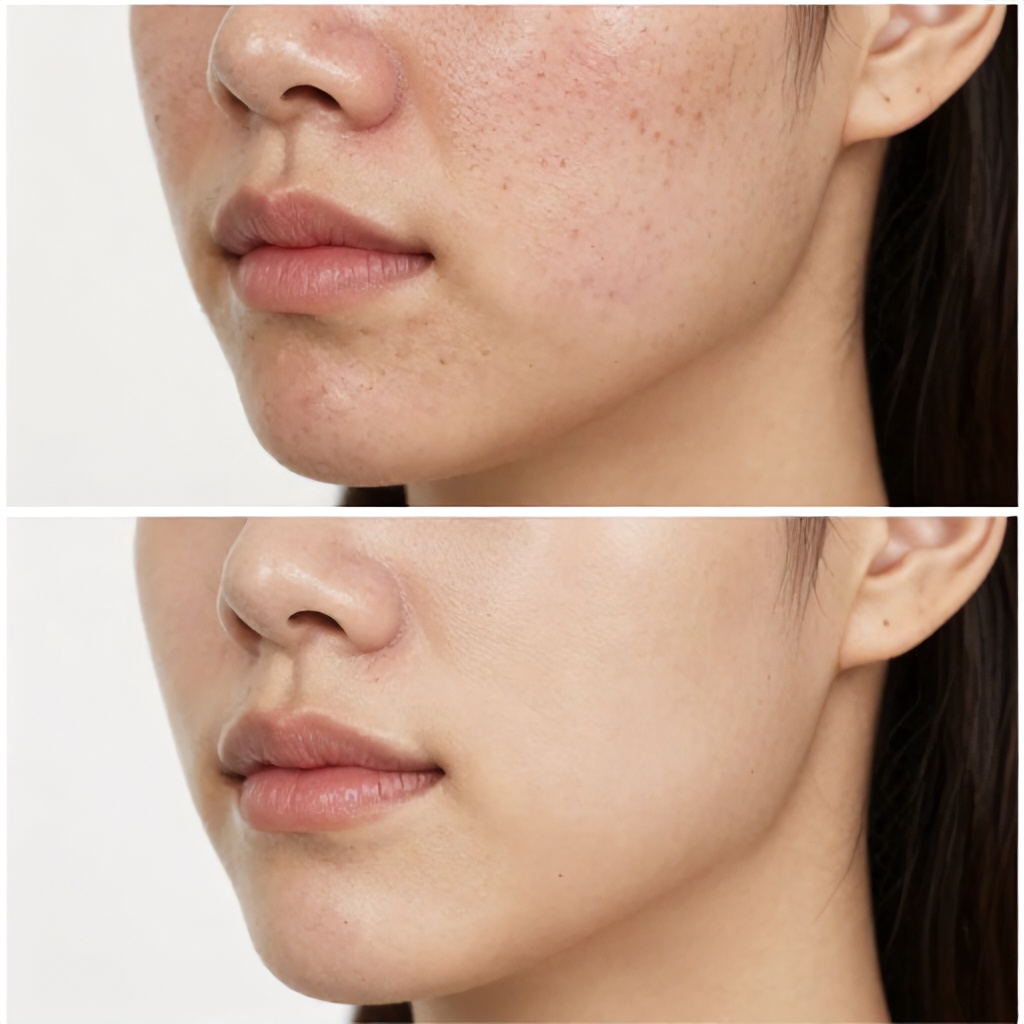
A crucial point to understand about spironolactone, as highlighted by Dr. Zeichner, is its dependence on continuous use. “While spironolactone will prove effective as long as you’re on it, when, and if, you go off the medication, your body will revert back to developing pimples,” he cautions. This means that spironolactone is not a cure in the traditional sense, but rather a highly effective management tool. Once clear skin is achieved, discontinuing the medication will likely lead to a resurgence of acne, as the underlying hormonal influences return. This is a common characteristic of many hormonal treatments and underscores the importance of discussing long-term management strategies with your dermatologist.
Understanding How Spironolactone Works for Acne
Spironolactone’s effectiveness as an acne treatment stems from its primary function as an anti-androgen. Androgens are a group of hormones, often referred to as “male hormones,” although they are present in both men and women. In women, androgens play roles in various bodily functions, but an excess or imbalance can lead to skin issues. These hormones can stimulate the sebaceous glands in the skin to produce more oil. When these glands become overactive, they can lead to clogged pores, inflammation, and the development of pimples, particularly in areas like the jawline, chin, and neck, which are common sites for hormonal breakouts.
Spironolactone works by blocking the effects of androgens on these oil glands. It essentially tells the glands to slow down their oil production. By reducing the amount of sebum produced, spironolactone helps to prevent the formation of comedones (blackheads and whiteheads) and reduces the environment that allows acne-causing bacteria, such as Cutibacterium acnes, to thrive. This multi-pronged approach makes it a powerful tool for tackling acne that is resistant to other treatments.
The drug’s origin as a medication for high blood pressure and heart failure is due to its diuretic properties. It helps the body get rid of excess salt and water, which can lower blood pressure. However, its anti-androgenic side effects were observed and subsequently explored for dermatological applications. This dual action means that in some cases, spironolactone can offer benefits beyond just acne treatment, though its use for acne is typically at lower doses than those prescribed for cardiovascular conditions.
The clinical research behind spironolactone’s use in acne treatment has been ongoing for decades. Early studies and anecdotal evidence from dermatologists paved the way for its wider acceptance. Mount Sinai Hospital, a leading medical institution, has been at the forefront of this research, with dermatologists like Dr. Zeichner contributing significantly to our understanding of its efficacy and safety. The consensus among many cosmetic dermatology experts is that spironolactone is one of the most effective oral medications available for treating hormonal acne in adult women.
It’s important to distinguish hormonal acne from other types of acne. Hormonal acne is often characterized by deep, painful cysts and nodules that appear cyclically, particularly around a woman’s menstrual period. It’s less about surface-level pore blockages and more about internal hormonal fluctuations. While topical treatments might offer some relief, they often fail to address the underlying hormonal cause. This is where spironolactone shines, offering a systemic solution.
The journey to clear skin with spironolactone is often a gradual one. Patience is key, as the medication needs time to work its way through the body and influence hormone levels and oil production. The initial phase might involve some adjustment, and it’s not uncommon for acne to temporarily worsen before it improves. This is a sign that the medication is starting to take effect, and the body is responding. The consistent use of spironolactone, as prescribed by a dermatologist, is paramount to achieving and maintaining clear skin.
Who Can Benefit from Spironolactone?
Spironolactone is primarily prescribed for adult women experiencing hormonal acne. This type of acne is often linked to conditions like Polycystic Ovarian Syndrome (PCOS), a common hormonal disorder that can cause a range of symptoms, including irregular periods, excess androgen levels, and, consequently, acne. However, even women without a formal PCOS diagnosis can experience hormonal acne due to natural fluctuations in their hormone levels throughout their menstrual cycle or during other life stages, such as perimenopause.
The characteristic pattern of hormonal acne often includes breakouts along the jawline, chin, and neck. These lesions can be deep, inflamed, and painful, often referred to as cystic acne. Unlike teenage acne, which can be more widespread across the face, hormonal acne in adult women tends to be more localized and persistent. If you find that your acne flares up predictably around your period, or if it doesn’t respond to over-the-counter treatments or typical prescription topicals, spironolactone might be a suitable option for you to discuss with your dermatologist.
While spironolactone is a prescription drug, its use for acne is considered off-label in some regions, meaning it wasn’t originally approved by regulatory bodies specifically for acne treatment. However, its efficacy and safety for this purpose are well-established through extensive clinical research and years of practical application by dermatologists worldwide. The American Academy of Dermatology and other professional organizations recognize its value in treating recalcitrant acne in women.
It’s important to note that spironolactone is generally not prescribed for men with acne. This is because of its anti-androgenic effects, which can lead to unwanted side effects in males, such as gynecomastia (breast enlargement) and decreased libido. Therefore, its use is almost exclusively limited to women.
The decision to prescribe spironolactone is made on a case-by-case basis by a qualified dermatologist. They will consider your medical history, the type and severity of your acne, and any other medications you are currently taking. They will also discuss the potential benefits and risks associated with the drug. For many women, spironolactone represents a turning point, offering relief from persistent and often emotionally distressing acne that has not responded to other interventions.
The journey with spironolactone often begins with a low dose, such as 25mg or 50mg per day, and may be gradually increased by the dermatologist based on your response and tolerance. The goal is to find the lowest effective dose that provides significant improvement in your skin while minimizing potential side effects. This personalized approach is a hallmark of effective dermatological care.
Tips for Discussing Spironolactone with Your Dermatologist
- Be prepared to discuss your acne history in detail: when it started, where it occurs, its severity, and what treatments you’ve tried.
- Mention any hormonal conditions you have been diagnosed with, such as PCOS, or any symptoms that suggest hormonal imbalance.
- Be open about your menstrual cycle and any patterns you’ve noticed with your breakouts.
- Ask about the typical timeline for seeing results and what to expect during the initial weeks of treatment.
- Inquire about potential side effects and how to manage them.
- Discuss the long-term plan for managing your acne once it’s under control.
Potential Side Effects and What to Watch For
Like all medications, spironolactone can have side effects. While many people tolerate it well, it’s essential to be aware of what to look out for and to discuss any concerns with your doctor. The most common side effects are related to its diuretic properties and its hormonal effects.
Increased urination is a frequent side effect because spironolactone is a diuretic. This means it helps your body eliminate excess fluid and salt. You might find yourself needing to use the restroom more often, especially when you first start taking the medication or if the dose is increased. Staying hydrated is important, but be mindful of this increased frequency.
Another common side effect can be dizziness or lightheadedness, particularly when standing up quickly. This is also linked to its blood pressure-lowering and diuretic effects. It’s advisable to rise slowly from sitting or lying positions to avoid feeling faint.
Some individuals may experience changes in their menstrual cycle. This can include lighter periods, irregular bleeding, or spotting between periods. These changes are usually temporary and resolve as your body adjusts to the medication. If you experience persistent or concerning changes, inform your dermatologist.
Breast tenderness or enlargement can occur, especially at higher doses, due to the anti-androgenic effects. This is more common in men but can affect women as well. If this becomes bothersome, discuss it with your doctor.
Electrolyte imbalances are a potential concern, particularly with potassium levels. Spironolactone can cause potassium levels to rise, which can be dangerous if it becomes too high. Your doctor will likely monitor your potassium levels through blood tests, especially if you have other risk factors for hyperkalemia (high potassium) or are taking other medications that can affect potassium. It’s crucial to avoid potassium supplements or salt substitutes that contain potassium unless specifically advised by your doctor.
Other less common side effects can include fatigue, nausea, headaches, and changes in libido. While rare, more serious side effects can occur, and it’s important to seek medical attention if you experience any severe or unusual symptoms.
The clinical research on spironolactone’s side effects is extensive, and dermatologists are trained to manage these potential issues. They will carefully assess your individual risk factors before prescribing the medication and will monitor you throughout your treatment. Open communication with your healthcare provider is key to ensuring your safety and maximizing the benefits of spironolactone.
Important Warnings Regarding Spironolactone
- Spironolactone is a prescription medication and should only be used under the supervision of a qualified healthcare professional.
- Do not take potassium supplements or use potassium-containing salt substitutes without consulting your doctor.
- If you are pregnant or planning to become pregnant, inform your doctor immediately, as spironolactone can cause harm to a developing fetus. It is not recommended during pregnancy.
- Inform your doctor about all other medications and supplements you are taking, as spironolactone can interact with certain drugs.
- If you experience severe dizziness, fainting, or signs of an allergic reaction (rash, itching, swelling, severe dizziness, trouble breathing), seek immediate medical attention.
The Long-Term Outlook and Alternatives
For many adult women, spironolactone offers a long-term solution for managing hormonal acne. The key is consistent use. As Dr. Zeichner pointed out, the benefits typically persist as long as the medication is taken. This means that achieving clear skin is often the first step, followed by a maintenance regimen to prevent breakouts from returning. Your dermatologist will work with you to determine the lowest effective dose for long-term control, which might be lower than the initial dose used to clear active acne.
The decision to go off spironolactone should always be made in consultation with your dermatologist. If you choose to discontinue the medication, your acne will likely return, as the underlying hormonal influences that spironolactone was managing will reassert themselves. Some individuals may find that their acne is less severe after a course of spironolactone, or they may be able to manage it with less intensive treatments once their skin has cleared. However, for many, it becomes a necessary part of their skincare routine.
When considering spironolactone, it’s also helpful to understand its place within the broader landscape of acne treatments. For mild to moderate acne, topical treatments like retinoids (e.g., tretinoin, adapalene), benzoyl peroxide, and salicylic acid are often the first line of defense. Antibiotics, both topical and oral, may be prescribed for inflammatory acne. For severe or cystic acne, oral isotretinoin (Accutane) is a powerful option, but it comes with its own set of significant side effects and requires rigorous monitoring.
Birth control pills are another common hormonal treatment for acne in women. Many oral contraceptives work by suppressing ovulation and reducing androgen production, thereby decreasing oil production. Spironolactone can be used in conjunction with birth control pills or as an alternative, depending on the individual’s specific needs and response. Some women find that a combination of birth control and spironolactone offers the best results.
For those who cannot take spironolactone or are looking for non-medication approaches, lifestyle modifications can play a supporting role. While not a substitute for medical treatment for moderate to severe acne, a balanced diet, stress management, and a consistent, gentle skincare routine can contribute to overall skin health. Avoiding harsh scrubbing and pore-clogging ingredients in makeup and skincare products is also beneficial. Some anecdotal evidence suggests that certain natural remedies, like turmeric, can have anti-inflammatory properties, as Alice Lang noted in her experience, though their efficacy for significant acne is not as well-established as prescription medications.
Ultimately, the journey to clear skin is often a personalized one. Spironolactone has emerged as a vital tool in the dermatologist’s toolkit, offering a targeted and effective solution for hormonal acne that has plagued many adult women for years. Its ability to address the root cause of oil production makes it a game-changer for those seeking lasting relief and improved skin health.
Frequently Asked Questions about Spironolactone for Acne
Is spironolactone a birth control pill?
No, spironolactone is not a birth control pill. While it is a prescription drug that affects hormones and is sometimes used by women, its primary function is not contraception. It is a diuretic and an anti-androgen, used to treat conditions like high blood pressure, heart failure, and hormonal acne. Some women may take it alongside birth control pills for acne management.
How long does it take for spironolactone to clear acne?
It typically takes several weeks to months to see significant improvement. Many people notice initial changes within 4-8 weeks, but the “peak effect” is often observed around three months of consistent use. Patience is key, and it’s important to continue the medication as prescribed by your dermatologist.
Can I stop taking spironolactone once my acne is clear?
While you might achieve clear skin with spironolactone, stopping the medication will likely cause your acne to return because the underlying hormonal influences will reassert themselves. It is best to discuss discontinuing or adjusting your dosage with your dermatologist, who can help you create a long-term management plan.
Is spironolactone safe for long-term use?
For many adult women, spironolactone is considered safe for long-term use when prescribed and monitored by a healthcare professional. Your doctor will monitor for potential side effects, such as electrolyte imbalances, and adjust your dosage as needed. Regular check-ups and blood tests are often part of long-term management.
What are the main differences between spironolactone and topical acne treatments?
Topical treatments (like creams and gels) work directly on the skin’s surface to unclog pores, reduce inflammation, or kill bacteria. Spironolactone, on the other hand, is an oral medication that works systemically by blocking the effects of androgens, thereby reducing oil production at its source. It is particularly effective for hormonal acne, which often doesn’t respond well to topical treatments alone.