Washing your face every single day, especially if you struggle with acne-prone skin, might actually be doing more harm than good for your complexion, contrary to common skincare advice.

Many of us have been told that daily cleansing is the secret to clear skin, sometimes even twice a day. However, this frequent washing can often backfire, especially when dealing with skin problems like acne and greasy skin. Even Hollywood actor Cameron Diaz, who has openly shared her experiences with acne and rosacea, has admitted to a less-is-more approach, a strategy that dermatologist Dr. Eva Melegh supports, suggesting it could be highly beneficial for her skin health.
Dr. Melegh explains why daily facial washes aren’t necessarily the path to calm, clear, and glowing skin. Here are five key reasons why cutting back on daily face washing could be a game-changer for your skin.
Daily Washing Doesn’t Reduce Greasiness
Understanding Sebum and Its Role
Your skin naturally produces an oily, waxy substance called sebum. This isn’t just a nuisance; it’s a vital component made by your body’s sebaceous glands, designed to coat, moisturize, and protect your skin. We absolutely need sebum for healthy skin. It forms a protective barrier, keeping moisture in and irritants out. Think of it as your skin’s built-in moisturizer and shield.

The Problem with Over-Washing
People who experience hormonal acne, teen acne, or adult acne often find themselves producing higher levels of sebum. This can be influenced by various factors, including genetics, hormonal disruptions like puberty, pregnancy, or menopause, and even stress, which can significantly increase sebum production. The natural instinct is often to wash more frequently, reaching for facial washes and cleansers specifically marketed for greasy skin, which contain detergents and solvents designed to strip away oil.
The paradox here is that while these products remove natural oils from the skin’s surface, they also leave your skin feeling drier. Your body, sensing this dryness and lack of protection, often goes into overdrive to compensate. The result? Your sebaceous glands produce even MORE sebum, trapping you in a cycle of washing and increased oiliness. This counterproductive approach often exacerbates the very skin problems you’re trying to solve.
A Better Approach for Sebum Production Control
Instead of harsh stripping, a gentler approach is far more effective. Consider using a non-comedogenic facial cleansing oil, which can effectively clean without stripping, followed by gentle exfoliation. Doing this once every one to two days is often much better for controlling sebum production than daily washing with aggressive facial washes aimed at dissolving grease. This method respects your skin’s natural balance, promoting healthier sebum levels and overall skin health.

Daily Washing Doesn’t Stop Acne From Forming
The Real Cause of Acne: Oxidized Sebum
It’s a common misconception that excess sebum itself directly causes acne. That’s not entirely accurate. Simply trying to wash away sebum daily doesn’t address the root cause of acne formation. The real culprit is often the oxidisation of sebum. This happens when sebum, as it nears the skin’s surface, mixes with air and external bacteria. This process can cause the sebum to go “rancid” and become sticky, leading to blockages within the skin pores. These blockages then trap dead skin cells and bacteria, leading to inflammation and ultimately, pimples and acne.
So, the key to reducing acne isn’t just about getting rid of sebum; it’s about preventing it from oxidizing and becoming problematic. Your goal should be to keep the sebum healthy and free-flowing, rather than constantly trying to strip it away.
Protecting Sebum and Preventing Blockages
This is where products known as sebum “preservatives” can be incredibly helpful. These formulations are designed to help keep the sebum from becoming contaminated and oxidizing as it moves out through the skin pore. This allows your skin to remain protected and moisturized by its natural sebum, without it turning rancid and causing pore blockages. By preserving the quality of your sebum, you can significantly reduce the likelihood of inflammation and pimples.

Interestingly, if sebum is allowed to flow freely and isn’t constantly being washed away, your body often starts to regulate itself. Over time, the sebaceous glands can gradually produce less sebum, achieving a more balanced state. The paradox is clear: people with greasy skin and acne often immediately increase their washing frequency, which, in turn, actually boosts sebum production, making the problem worse.
Effective Acne Prevention Strategies
A more effective strategy for acne prevention involves gently cleaning your skin with a mild exfoliant once a day, followed by a sebum purifying serum. This combination works to control sebum production, keep pores clear, and help prevent pimples and acne from forming, promoting overall skin health without harsh stripping.
Over-Washing Damages Your Skin’s Protective Barrier
The Importance of Your Skin Barrier
Your skin isn’t just a covering; it’s a complex organ with a crucial protective layer known as the skin barrier or lipid barrier. This barrier is made up of skin cells and lipids (fats) that work together like a brick wall, keeping moisture locked in and protecting your body from environmental aggressors, irritants, and harmful bacteria. A healthy skin barrier is fundamental for overall skin health and resilience.

How Daily Washing Weakens the Barrier
When you wash your face daily, especially with harsh facial washes or cleansers that contain strong detergents, you’re not just removing dirt and excess oil. You’re also stripping away these essential natural oils and lipids that form your skin’s protective barrier. This can lead to a compromised barrier, making your skin more vulnerable. You might notice increased dryness, tightness, or a feeling of sensitivity after washing. This weakened barrier struggles to retain moisture, leading to dehydration, and becomes less effective at keeping out irritants, making your skin more susceptible to damage and inflammation.
Rebuilding and Protecting Skin Health
A damaged skin barrier can also make existing skin problems worse and even trigger new ones. It can lead to increased sensitivity, redness, and a heightened risk of breakouts because the skin is less able to defend itself. To support your skin health, it’s vital to use gentle, non-stripping cleansers less frequently. Opt for products that help maintain the integrity of your skin barrier, allowing it to function optimally and protect your complexion naturally.
Frequent Washing Can Worsen Sensitivity and Rosacea
Understanding Sensitive Skin Conditions
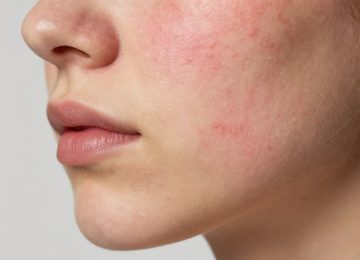
For individuals with sensitive skin conditions like rosacea, the impact of daily face washing can be particularly detrimental. Rosacea is a chronic inflammatory skin condition characterized by redness, visible blood vessels, bumps, and sometimes pimples. Sensitive skin, in general, reacts more strongly to environmental factors and product ingredients, often experiencing irritation, stinging, or burning sensations.
The Irritating Effects of Over-Cleansing
Harsh or frequent washing can significantly exacerbate these conditions. The detergents and chemicals in many facial washes can strip away the delicate protective layer of sensitive skin, leading to increased redness, inflammation, and discomfort. For someone with rosacea, this can trigger flare-ups, making the skin appear even redder and more irritated. The mechanical action of washing itself, even with gentle products, can sometimes be too much for an already compromised or highly reactive skin barrier. This is why a dermatologist often advises a minimalist and extremely gentle skincare routine for those with sensitive skin or rosacea.
Gentle Care for Calm Skin
Instead of daily washing, focusing on extremely gentle cleansing only when necessary, perhaps every other day or even less frequently, can make a world of difference. Using lukewarm water, avoiding scrubbing, and choosing cleansers specifically formulated for sensitive skin that are free from fragrances, sulfates, and harsh chemicals are crucial steps. The goal is to minimize irritation and allow the skin’s natural defenses to recover and strengthen, promoting a calmer and healthier complexion. This approach supports overall skin health and helps manage skin problems effectively.
Daily Washing Disrupts Your Skin’s Natural Microbiome
The Skin’s Invisible Ecosystem
Just like your gut, your skin is home to a vast and complex ecosystem of microorganisms, including bacteria, fungi, and viruses, collectively known as the skin microbiome. This community plays a vital role in your skin health. Many of these microbes are beneficial, acting as a natural defense system. They help protect against harmful pathogens, modulate the immune system, and contribute to the skin barrier’s integrity. A balanced skin microbiome is essential for keeping your skin healthy, resilient, and free from various skin problems.
How Cleansing Can Cause Imbalance
When you wash your face daily, especially with strong antibacterial or harsh facial washes, you don’t just remove dirt; you also strip away a significant portion of these beneficial bacteria. This disruption can lead to an imbalance in your skin’s microbiome. When the good bacteria are diminished, harmful bacteria can proliferate, making your skin more susceptible to issues like acne, inflammation, and infections. This imbalance can compromise your skin’s natural defenses, leading to a vicious cycle of irritation and breakouts. It’s like clear-cutting a forest and expecting the ecosystem to thrive.
Nurturing a Healthy Microbiome for Acne Prevention
To support a healthy skin microbiome, it’s important to adopt a gentler approach to cleansing. Reducing the frequency of washing and opting for mild, pH-balanced cleansers that respect the skin’s natural environment can help maintain this delicate balance. Some products even contain prebiotics or probiotics designed to nourish and support the beneficial bacteria on your skin. By nurturing your skin’s natural ecosystem, you’re not only promoting better skin health but also enhancing its ability to naturally protect itself against environmental stressors and contributing to long-term acne prevention.
Recent Posts
- 4 hacks to reduce itchy scalp and dry scalp from braids, dreadlocks and extensions May 15, 2026
- 6 Spring Scares for Psoriasis Prone Skin April 28, 2026
- Woman in therapy due to her acne clears skin with mustard cream April 20, 2026
- 5 expert tips to tame a cold sore outbreak April 15, 2026
- Pregnancy triggered rosacea for young mum April 13, 2026
What to Do Next: Rethinking Your Skincare Advice
It’s time to reconsider the traditional skincare advice that pushes daily, or even twice-daily, face washing. For many, especially those dealing with greasy skin, hormonal acne, or adult acne, less truly can be more. The goal isn’t to eliminate sebum, but to manage its production and prevent its oxidisation, while preserving your skin’s natural barrier and beneficial microbiome.
Practical Steps for Better Skin Health
-
Reduce Washing Frequency: Try washing your face once a day, or even every other day. Observe how your skin responds. You might find that your skin feels less tight, less oily, and generally calmer. This simple change can significantly impact sebum production and overall skin health.
-
Choose Gentle Cleansers: Ditch the harsh, stripping facial washes. Opt for non-comedogenic, mild facial cleansing oils or creamy cleansers that don’t contain strong detergents or sulfates. Look for products designed to respect your skin’s natural oils rather than stripping them away. This is a crucial step for acne prevention and maintaining a healthy skin barrier.
-
Incorporate Gentle Exfoliation: Regular, gentle exfoliation (1-2 times a week, not daily) can help remove dead skin cells and prevent blockages without over-drying. This helps keep skin pores clear and supports the natural flow of sebum, reducing the risk of pimples and inflammation.
-
Consider Sebum-Balancing Products: Look for products that act as sebum preservatives or contain ingredients that help control sebum production. A sebum purifying serum, for example, can be an excellent addition to your routine to help keep sebum from oxidizing and causing issues. These specialized products offer targeted skincare advice for managing greasy skin effectively.
-
Listen to Your Skin: Your skin is unique. Pay attention to how it reacts to different products and routines. If you notice increased redness, dryness, or breakouts, it might be a sign that your current routine is too aggressive. Consulting a dermatologist can provide personalized skincare advice, especially if you have persistent skin problems like rosacea or severe acne.
By adopting a more mindful and less aggressive approach to cleansing, you can help your skin rebalance itself, reduce excessive sebum production, prevent blockages, and foster a healthier, clearer complexion. It’s about working with your skin’s natural processes, not against them, to achieve lasting skin health.