
Maintaining spinal health requires a basic understanding of how the vertebral column functions as a kinetic chain rather than a static stack of bones. Your spine consists of thirty-three individual vertebrae categorized into distinct regions: the cervical, thoracic, and lumbar spine. Each segment holds specific responsibilities for weight-bearing, flexibility, and protecting the spinal cord. When you move, these segments interact with the intervertebral discs, which act as shock absorbers between the bony structures. Engaging in targeted spinal stretches helps preserve the integrity of these discs and keeps the surrounding musculature balanced.

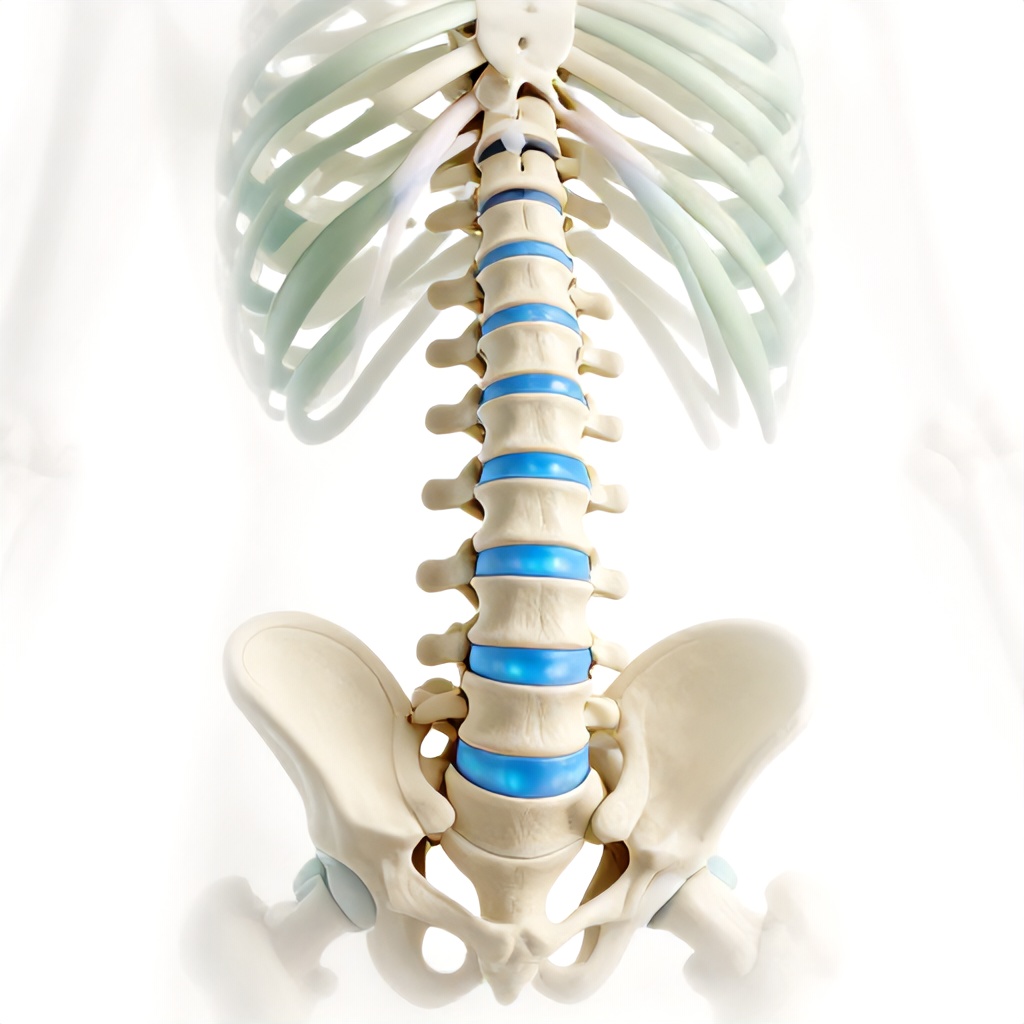
Understanding the Spinal Column Segments
The cervical spine sits at the top, supporting the weight of your head and allowing for a wide range of neck rotation. Because this area is highly mobile, it is also prone to tension from poor posture. Below this, the thoracic spine connects to your rib cage. This section is naturally more rigid than the others, designed to protect your vital organs. Finally, the lumbar spine carries the bulk of your body weight. This is where most people experience discomfort, as it is the primary site for lower back strain.
The Role of Core Stabilization
Spinal alignment depends heavily on the muscles that surround your torso. Core stabilization is not just about abdominal strength; it involves the deep muscles that wrap around your spine like a natural corset. When these muscles are weak, the vertebrae take on extra pressure. Strengthening the core provides a stable base, which allows for safer spinal mobility during daily tasks. Think of your core as the support system that keeps your spinal biomechanics functioning efficiently.
Safe Spinal Stretches for Daily Maintenance
Before beginning any routine, ensure your movements are slow and controlled. Jerky motions can trigger protective muscle spasms. If you feel sharp pain, stop immediately. These movements are intended to improve spinal flexibility, not to force your body into positions that cause distress.
Cervical Spine Release
To address tension in the neck, sit upright with your shoulders relaxed. Gently tilt your head toward your right shoulder until you feel a light stretch along the left side of your neck. Hold this position for fifteen seconds. Repeat on the opposite side. Avoid pulling on your head with your hands, as this adds unnecessary force to the cervical vertebrae.
Thoracic Extension
The thoracic spine often becomes rounded due to desk work. To counter this, sit in a chair with a low backrest. Place your hands behind your head, interlacing your fingers. Lean back over the top of the chair, focusing the movement on your upper back rather than your lower back. Keep your gaze forward to maintain proper spinal alignment. This movement encourages spinal extension in an area that often loses mobility over time.
Lumbar Decompression
The child’s pose is a staple in physical therapy exercises for a reason. Kneel on the floor, bring your big toes together, and sit back on your heels. Reach your arms forward along the floor while lowering your forehead toward the mat. This position creates space between the vertebrae in the lumbar spine, offering gentle spinal decompression. Stay here for thirty seconds, breathing deeply into your back.
Musculoskeletal Exercises for Long-Term Health
Consistent movement patterns build resilience in the vertebral column. Incorporating these exercises into your weekly schedule supports vertebral health and prevents the stiffness associated with sedentary habits.
- Cat-Cow stretch: Transition between arching and rounding your back on all fours to mobilize every segment of the spine.
- Bird-Dog: Extend the opposite arm and leg while on your hands and knees to challenge core stabilization and balance.
- Pelvic tilts: Lie on your back with knees bent and gently press your lower back into the floor to activate deep abdominal muscles.
- Wall slides: Stand against a wall and move your arms up and down to improve thoracic mobility and postural alignment.
Practical Guidelines for Spinal Safety
Not every movement is appropriate for every body. If you have a history of disc herniation or spinal fractures, consult a professional before attempting new stretches. Understanding your own physical limits is the most important part of any fitness journey.
- Prioritize consistency over intensity. Five minutes of daily movement is more effective than one hour of intense exercise once a week.
- Listen to your body. A dull, stretching sensation is generally acceptable, but shooting pain or numbness is a sign to stop.
- Focus on breathing. Holding your breath increases internal pressure, which can be counterproductive during spinal stretches.
- Keep your movements rhythmic. Avoid holding your breath or tensing your shoulders while trying to relax your spine.
Addressing Common Misconceptions
Many people believe that back pain is an inevitable part of aging, but this is rarely true. While some wear and tear on the intervertebral discs is a natural process, proactive care can significantly delay or reduce symptoms. Regular therapeutic movement helps maintain the hydration of these discs, keeping them plump and functional. When you remain active, you provide the necessary blood flow to the tissues surrounding your spinal column.
The Importance of Postural Alignment
Your posture throughout the day dictates the health of your spine more than any single exercise. Slouching puts uneven pressure on the vertebrae, leading to chronic strain. When you work, ensure your monitor is at eye level and your feet are flat on the floor. These small adjustments reduce the load on your lumbar spine and prevent the forward-head posture that plagues the cervical spine. Think of your spine as a stack of building blocks; when they are perfectly aligned, they support heavy loads with ease. When they are tilted, the structure becomes unstable.
Integrating Movement into Your Routine
You do not need a gym membership to improve your spinal health. Simple habits, such as standing up every thirty minutes to stretch, can make a massive difference. Use these moments to perform a quick thoracic extension or a gentle side stretch. By breaking up long periods of sitting, you prevent the muscles from shortening and the vertebrae from becoming locked in a fixed position. Your spinal column is designed for movement, and it thrives when you provide it with variety.
When to Seek Professional Guidance
If you experience persistent pain that radiates down your legs or arms, this may indicate nerve involvement. In such cases, physical therapy exercises should be guided by a licensed professional. They can provide an anatomical illustration of your specific issue and tailor a program that addresses your unique needs. Never ignore symptoms like tingling, weakness, or loss of sensation, as these require a medical evaluation to rule out more serious conditions.
Taking care of your back is a lifelong commitment. By understanding the basics of spinal anatomy and practicing safe, evidence-based stretches, you protect your mobility for the future. Focus on the quality of your movement rather than the quantity. As you become more attuned to your body, you will learn which stretches provide the most relief and which ones to avoid. Keep your movements gentle, stay consistent, and prioritize the alignment of your spine in everything you do.