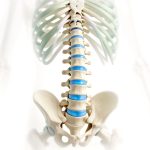
Consistent daily movement keeps joints lubricated and muscles pliable, preventing the stiffness that often builds up during long hours of sitting. By focusing on specific yoga poses, you improve your range of motion and support long-term musculoskeletal health without needing a gym membership or expensive equipment.
The Science of Daily Stretching
Flexibility training works by gradually lengthening muscle fibers and the surrounding connective tissue. When you practice yoga, you are not just stretching muscles; you are signaling your nervous system to allow a greater range of motion. This process, known as neuromuscular efficiency, helps your body move more fluidly throughout the day.
Joint mobility differs from flexibility. While flexibility focuses on the muscle, mobility is about how well the joint itself moves within its socket. Healthy joints rely on synovial fluid, which acts as a natural lubricant. Regular movement keeps this fluid circulating, which is why static stretching alone is rarely enough. You need a mix of dynamic warm-up movements and held postures to maintain functional movement patterns.
Understanding Your Limits
Listen to your body during every session. Pain should never be the goal. If you feel sharp, stabbing sensations, stop immediately. A mild, dull ache in the belly of the muscle is normal, but joint pain is a red flag. Proper postural alignment is the foundation of every asana practice. If your form breaks down, your joints lose the stability they need to stay safe.
Essential Daily Yoga Sequences
You do not need an hour to see results. Ten minutes of focused movement performed daily will yield more benefits than a single, intense session once a week. These poses target the kinetic chain, ensuring that your muscles and joints work in harmony.
Cat-Cow Stretch
Start on your hands and knees. Align your wrists directly under your shoulders and your knees under your hips. Inhale as you drop your belly toward the floor and lift your gaze, arching your back gently. Exhale as you round your spine toward the ceiling, tucking your chin to your chest. This movement wakes up the spine and encourages spinal fluidity.
Downward-Facing Dog
This pose provides a deep tissue release for the entire back body. From your hands and knees, tuck your toes and lift your hips high toward the sky. Keep a slight bend in your knees if your hamstrings feel tight. Press firmly into your palms to lengthen your spine. This position improves muscle elasticity in the calves and hamstrings while building upper body strength.
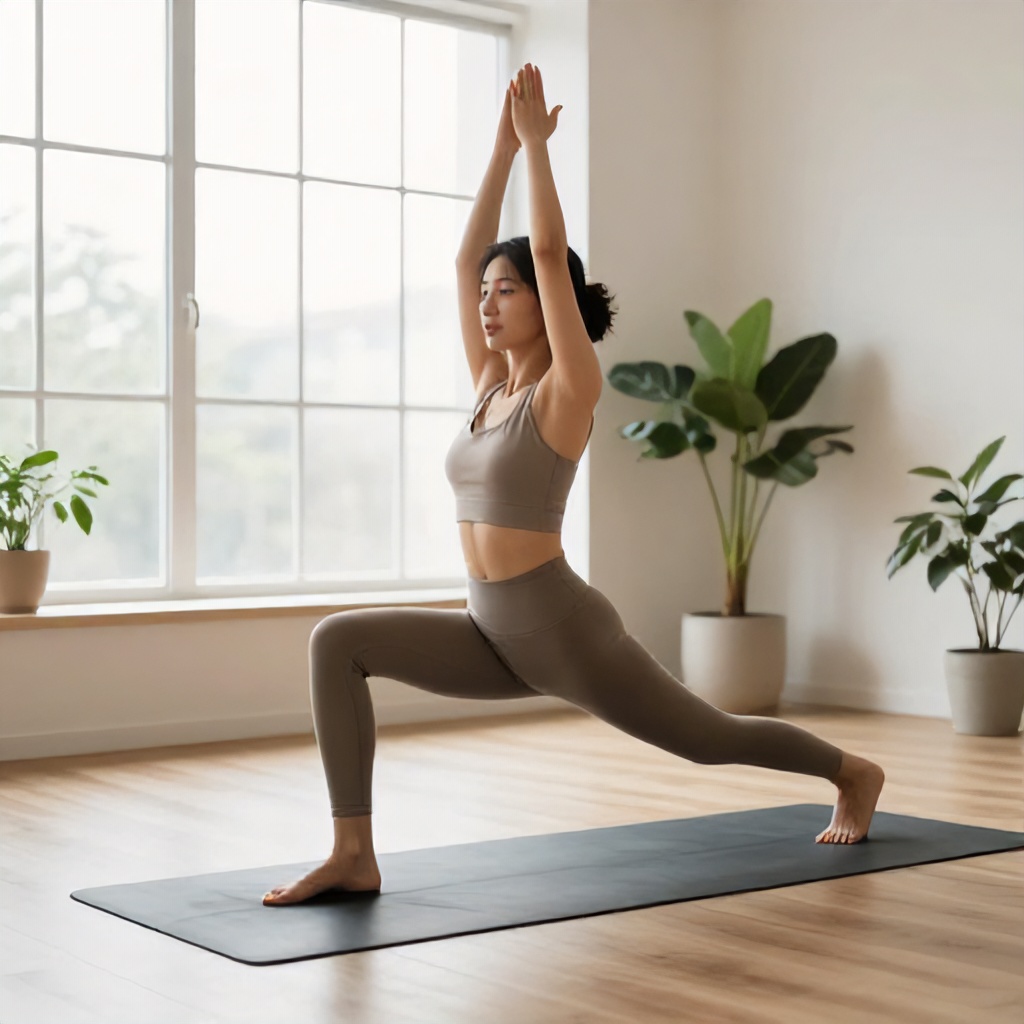
Low Lunge
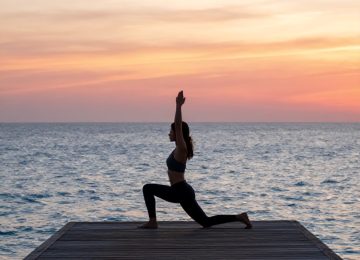
Step one foot forward between your hands and lower your back knee to the floor. Keep your front knee stacked over your ankle. Sink your hips forward and down to stretch the hip flexors. Tight hips are a common cause of lower back pain, making this pose essential for anyone who spends most of their day in a chair.
Building a Sustainable Routine
Consistency is the primary driver of physical wellness. Treat your mat time like an appointment you cannot miss. If you are short on time, pick two poses and hold them for five breaths each. The goal is to create a habit, not to perform complex acrobatics.
- Create a dedicated space where your mat is already rolled out.
- Practice at the same time every day to build a mental cue.
- Use props like blocks or folded blankets to support your joints.
- Focus on your breath, as deep inhales and exhales help the body relax into a stretch.
Safety and Injury Prevention
Many people mistake aggressive stretching for progress. Forcing a muscle into a position it is not ready for can lead to micro-tears and inflammation. Myofascial release, or the gentle massage of the connective tissue, happens naturally when you hold poses for longer durations with relaxed muscles.
Common Mistakes to Avoid
- Bouncing into a stretch: This triggers the stretch reflex, causing the muscle to contract rather than lengthen.
- Holding your breath: Oxygen is necessary for muscle recovery and relaxation.
- Ignoring asymmetric tightness: It is normal for one side of the body to be tighter than the other. Spend extra time on the tighter side.
- Overextending joints: Keep a micro-bend in your elbows and knees to protect the ligaments.
Integrating Somatic Awareness
Body awareness is the ability to sense where your limbs are in space. As you move through your yoga sequences, pay attention to how your weight shifts. Notice which muscles engage and which ones release tension. This focus turns a simple physical exercise into a practice of somatic movement, where your mind and body communicate more effectively.
Regular practice helps you identify postural imbalances before they become chronic issues. If you notice your shoulders rounding forward while you work, use your daily yoga time to prioritize heart-opening poses. If your lower back feels stiff, focus on gentle twists and hip openers. This targeted approach ensures your routine remains relevant to your specific needs.
Long-Term Benefits of Flexibility Training
Improved range of motion makes everyday tasks easier. Reaching for a high shelf, bending to tie your shoes, or playing with your children becomes less taxing when your body is supple. Furthermore, maintaining mobility as you age is a critical component of physical rehabilitation and long-term health. By keeping your joints moving through their full range, you reduce the risk of stiffness and injury.
Hatha yoga, which emphasizes slow, deliberate movements and held poses, is an excellent starting point for beginners. It allows you to focus on the alignment of each pose without the pressure of a fast-paced environment. As you become more comfortable, you can explore more challenging variations, but always prioritize the quality of your movement over the depth of the stretch.
Next Steps for Your Practice
Begin by committing to five minutes of movement tomorrow morning. Focus on the Cat-Cow stretch and the Downward-Facing Dog. Observe how your body feels before and after. If you feel energized, add one more pose the following day. Keep a simple log or just notice the changes in your daily comfort levels.
Do not feel pressured to mimic the poses you see in photographs. Everyone has different bone structures and anatomical limits. Your version of a pose is the correct one as long as it feels steady and comfortable. Focus on the sensation of the stretch rather than the visual aesthetic of the shape.
Stay patient with your progress. Muscles and connective tissues change slowly. You might not notice a massive increase in flexibility in a single week, but over several months, the cumulative effect will be significant. Your joints will feel more fluid, your muscles will hold less tension, and your overall movement quality will improve. Keep showing up for yourself, one stretch at a time.