Understanding SmartEar Gaze Technology
SmartEar Gaze combines eye-tracking sensors with advanced hearing aid processing to help users focus on specific speakers in crowded rooms. By monitoring where a person is looking, the device automatically adjusts the directional microphones of the hearing aid to amplify sound from that exact direction. This reduces background noise interference, which remains a primary challenge for people wearing traditional hearing aids in social settings.
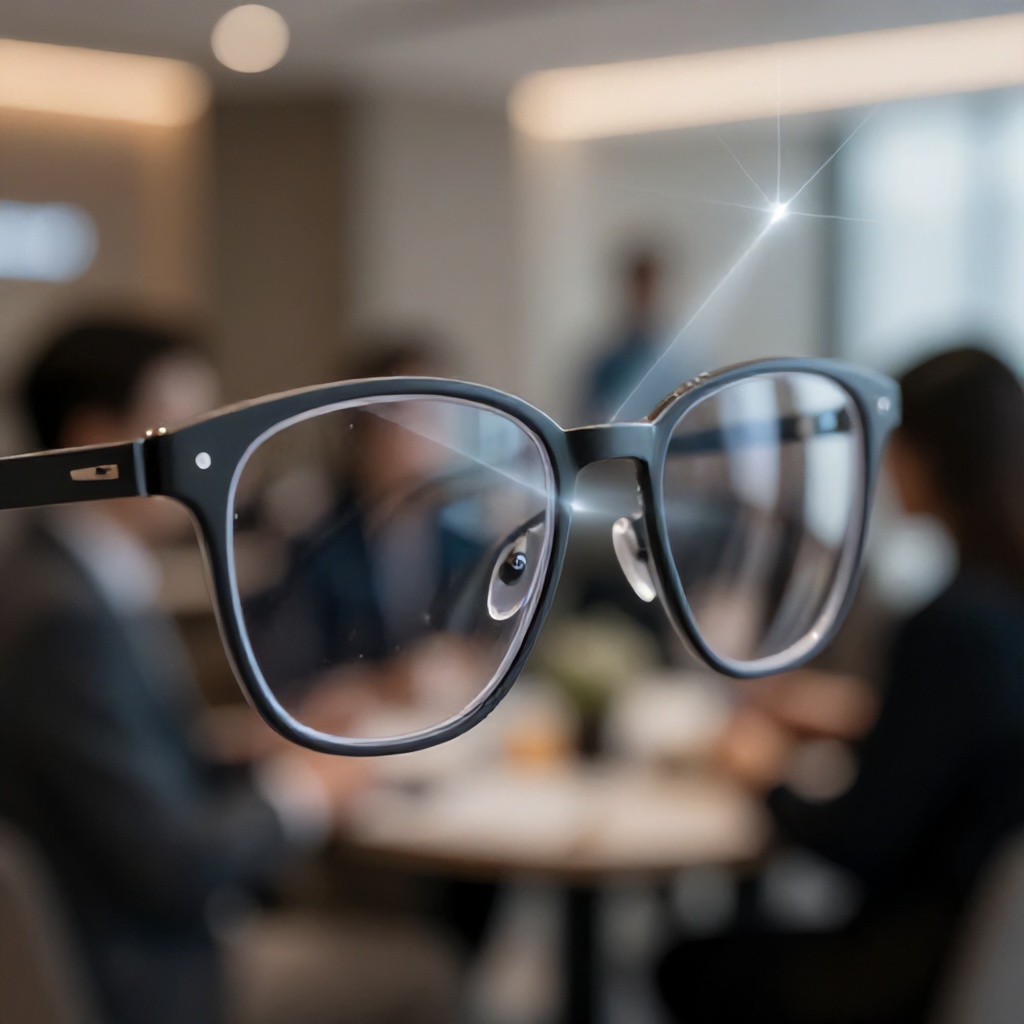
The core mechanism relies on small, low-power infrared sensors integrated into the frame of glasses or the casing of a hearing aid. These sensors detect the minute movements of the pupils and the orientation of the head. When the system identifies a focal point, it signals the digital signal processor to narrow the beam of sound reception. This creates a virtual spotlight for the ears, mimicking the natural ability of the human brain to filter out irrelevant noise when concentrating on a conversation.
How Eye-Tracking Enhances Auditory Focus
Human hearing is naturally selective. In a quiet room, the brain processes all sounds, but in a noisy environment, it relies on visual cues to prioritize one voice over others. This process is known as the cocktail party effect. SmartEar Gaze technology attempts to replicate this biological function through technical hardware.
The Mechanics of Sound Directionality
Traditional hearing aids often use omnidirectional microphones, which pick up sound from every direction equally. While this helps with general environmental awareness, it often makes understanding a single person in a busy restaurant nearly impossible. SmartEar Gaze changes this by:
- Tracking the gaze vector in real-time to determine the user’s focus.
- Adjusting microphone gain to prioritize audio coming from the direction of the eyes.
- Suppressing audio signals originating from behind or to the side of the user.
- Updating the focus point within milliseconds to keep up with shifting conversations.
Reducing Cognitive Fatigue
Listening with hearing loss requires significant mental effort. Because the brain has to work harder to fill in the gaps of missing audio information, users often experience exhaustion after social events. By automating the selection of sound sources, SmartEar Gaze lowers the cognitive load. Users spend less energy straining to isolate a voice, which leaves more mental capacity for engaging with the content of the conversation itself.
Practical Applications for Daily Life
Integrating eye-tracking into hearing assistance is most effective in environments with high ambient noise. These devices are not intended to replace standard hearing aids but rather to augment them during specific activities.
- Business meetings where multiple people speak at different intervals.
- Family dinners where background chatter often masks the speech of the person sitting across the table.
- Public transit or busy street corners where wind and traffic noise usually drown out speech.
- Large lecture halls or classrooms where the speaker is at a distance.
Safety and Usage Guidelines
Adopting new assistive technology requires a period of adjustment. Users should approach these devices with realistic expectations regarding their limitations and proper maintenance.
Do
- Wear the devices consistently during the first week to allow the brain to adapt to the new sound processing logic.
- Clean the infrared sensors regularly with a soft, dry cloth to ensure the eye-tracking remains accurate.
- Consult with an audiologist to calibrate the sensitivity of the gaze-tracking sensors to match your natural eye movement patterns.
- Keep the firmware updated to ensure the latest noise-reduction algorithms are active.
Don’t
- Use the device while operating heavy machinery or driving, as the narrowing of the sound field may reduce your ability to hear peripheral warning sounds like sirens or horns.
- Attempt to modify the sensor housing, as this can misalign the tracking lasers.
- Expect the technology to work perfectly in total darkness, as many infrared eye-tracking systems require a baseline level of ambient light or specific sensor configurations to function.
- Rely on the device as a sole source of environmental awareness in high-risk professional environments.
Evaluating the Technology for Your Needs
Not every person with hearing loss will benefit from gaze-assisted technology. The effectiveness of the system depends heavily on the user’s specific type of hearing loss and their typical daily environments. If you primarily struggle with hearing in quiet, one-on-one settings, the complexity of eye-tracking may offer little added value over standard high-quality hearing aids.
Conversely, those who lead active social lives or work in collaborative environments often find the technology provides a noticeable improvement in clarity. The best approach involves a trial period. Many clinics now offer demonstration kits that allow potential users to test the equipment in their actual work or home environments rather than just in a controlled sound booth.
Future Directions in Assistive Hearing
The field of assistive hearing is moving toward deeper integration with wearable tech. Researchers are currently looking at ways to combine eye-tracking with neural feedback. This would allow the hearing aid to adjust not just based on where you are looking, but based on which sound source your brain is actively trying to process. This brain-computer interface could eventually remove the need for manual adjustments entirely.
Current models are becoming smaller and more discreet. Early versions of eye-tracking glasses were bulky and obvious, but modern iterations are now being built into the stems of standard-looking frames. This shift toward aesthetics is important for user adoption, as many people prefer devices that do not signal their hearing status to the public.
Maintenance and Long-Term Care
Like any electronic device, SmartEar Gaze hardware is sensitive to moisture and debris. Sweat and hair products can interfere with the infrared sensors, leading to jumpy or inaccurate tracking. Establishing a routine of wiping down the frames after use prevents buildup. If the tracking feels sluggish or inaccurate, a simple recalibration through the companion smartphone app usually resolves the issue.
Battery life remains a factor to monitor. Because the system is constantly tracking eye movement and processing audio, it consumes more power than a standard hearing aid. Users should carry a portable charging case or power bank to ensure the device lasts through a full day of activity. When traveling, keep the charging cables organized and check that the device is fully powered before entering a long meeting or social gathering.
Finding Professional Support
If you suspect that gaze-assisted hearing technology could improve your quality of life, the first step is a comprehensive hearing evaluation. An audiologist can determine if your specific hearing profile is compatible with directional microphone technology. They can also explain the differences between various brands and models, as not all manufacturers utilize the same eye-tracking software.
When searching for a provider, look for clinics that specialize in advanced hearing technology. Ask specifically about their experience with gaze-tracking or directional beamforming devices. A provider who is familiar with the software interface can save you hours of trial and error by setting up the sensitivity and response time correctly during your initial fitting appointment.
Hearing health is a journey, and technology is only one piece of the puzzle. Combining these tools with clear communication strategies, such as asking speakers to face you directly and choosing quiet seating in restaurants, will provide the best possible results. Technology works best when it supports your natural communication habits rather than trying to replace them entirely.