7-Minute Morning Yoga Routine for Enhanced Flexibility and a Brighter Start
This quick yoga sequence is designed to gently awaken your body, improve your flexibility, and set a positive tone for your day, all in just seven minutes.
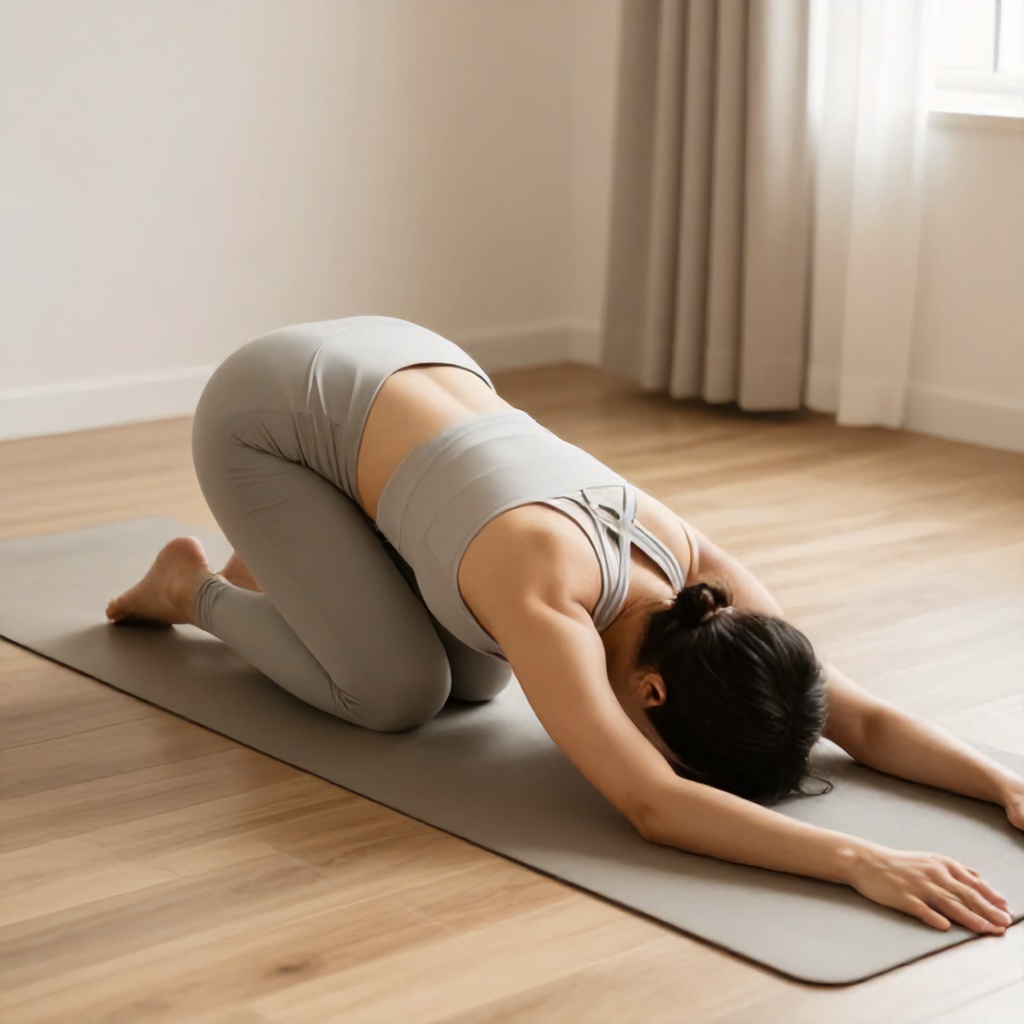
Why a Morning Yoga Practice Matters
Waking up can feel like a battle. Your muscles might be stiff from sleep, and your mind can be groggy. A short, consistent yoga practice in the morning can make a significant difference. It’s not about advanced poses or hour-long sessions; it’s about mindful movement that prepares you for the day ahead.
Yoga, at its core, is about connecting your breath with your body’s movements. This connection can calm your nervous system, reduce stress, and increase your awareness. For many, the biggest hurdle is finding the time. That’s where a 7-minute routine shines. It’s achievable, even on your busiest mornings.
Regular practice can lead to improved flexibility over time. This means less stiffness, a greater range of motion in your joints, and potentially reduced risk of everyday aches and pains. Think of it as gently coaxing your body out of slumber, rather than jolting it awake.
Preparing for Your Morning Flow
Before you begin, find a quiet space where you won’t be disturbed. Lay down a yoga mat or a soft rug for comfort and grip. Wear comfortable clothing that allows for easy movement. The most important element is your intention to be present and gentle with yourself.
Don’t worry about perfection. The goal is to move, breathe, and feel. Listen to your body. If a pose feels uncomfortable or painful, ease out of it or skip it. Modifications are always welcome. This is your practice, tailored to your needs.
The 7-Minute Morning Yoga Routine
This routine flows from gentle stretches to slightly more active poses, incorporating breathwork throughout. Aim to hold each pose for about 30 seconds to a minute, focusing on deep, steady breaths.
1. Seated Easy Pose with Deep Breathing (1 minute)
Start by sitting comfortably on your mat with your legs crossed. You can also sit on a cushion or block if it helps your hips feel more relaxed. Rest your hands on your knees, palms up or down, whatever feels natural. Close your eyes.
Begin to focus on your breath. Inhale deeply through your nose, feeling your belly and chest expand. Exhale slowly through your nose, letting go of any tension. Continue this deep, diaphragmatic breathing for the full minute. This helps to calm the mind and oxygenate the body.
2. Cat-Cow Pose (Marjaryasana-Bitilasana) (1 minute)
Come onto your hands and knees in a tabletop position. Ensure your wrists are directly under your shoulders and your knees are under your hips. Your spine should be neutral.
As you inhale, drop your belly towards the mat, arch your back, and lift your gaze towards the ceiling. This is Cow Pose. Feel a stretch in your abdomen and chest.
As you exhale, round your spine towards the ceiling, tuck your chin towards your chest, and draw your navel towards your spine. This is Cat Pose. Feel a stretch across your back.
Flow between Cat and Cow with your breath for one minute. This movement is excellent for warming up the spine and improving spinal flexibility.
3. Downward-Facing Dog (Adho Mukha Svanasana) (1 minute)
From your tabletop position, tuck your toes under and lift your hips up and back, forming an inverted V-shape with your body. Your hands should be shoulder-width apart, and your feet hip-width apart.
You can keep a slight bend in your knees, especially if your hamstrings feel tight. Focus on pressing your palms into the mat and lengthening your spine. Let your head hang heavy between your arms.
Gently pedal your feet by bending one knee and then the other, allowing your heels to reach towards the mat. This helps to stretch your hamstrings, calves, and shoulders. This pose is a fantastic full-body stretch and helps to energize the body.
4. Low Lunge (Anjaneyasana) (1 minute per side)
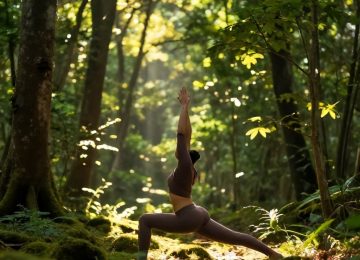
From Downward-Facing Dog, step your right foot forward between your hands. Lower your back knee gently to the mat. Ensure your front knee is stacked directly over your ankle.
You can keep your hands on the mat for support, or if you feel stable, you can lift your torso upright and bring your hands to your front thigh or even reach them overhead.
Feel the stretch in the front of your left hip and thigh. Breathe deeply into the stretch. Hold for 30 seconds, then switch sides.
To switch, gently bring your right knee back to meet your left in tabletop, then step your left foot forward between your hands, lowering your right knee. Repeat the lunge on the left side for 30 seconds.
This pose is excellent for opening the hips and stretching the quadriceps. It also builds a little strength in the legs.
5. Seated Forward Bend (Paschimottanasana) (1 minute)
Return to a seated position with your legs extended straight out in front of you. Your feet can be flexed, toes pointing up towards the ceiling.
Inhale and lengthen your spine, reaching your arms overhead. As you exhale, hinge forward from your hips, keeping your back as straight as possible. Reach your hands towards your feet, shins, or the floor.
Don’t worry if you can’t touch your toes. The goal is to feel a stretch in your hamstrings and the back of your legs. Keep your neck long and avoid rounding your upper back excessively.
If your hamstrings are very tight, you can place a rolled-up blanket or cushion under your knees. This pose is wonderful for calming the mind and stretching the entire back of the body.
6. Spinal Twist (Ardha Matsyendrasana variation) (30 seconds per side)
Sit with your legs extended. Bend your right knee and place your right foot flat on the floor outside your left thigh. You can keep your left leg extended or bend it, tucking your left foot near your right hip.
Inhale and lengthen your spine. As you exhale, twist your torso to the right. You can hug your right knee with your left arm, or place your left elbow on the outside of your right knee for a deeper twist.
Turn your gaze gently over your right shoulder. Feel the gentle twist in your spine and the stretch in your torso. Hold for 30 seconds, breathing deeply.
To release, inhale and return to center. Then, repeat on the other side: bend your left knee, place your left foot outside your right thigh, and twist to the left. Hold for 30 seconds.
Spinal twists are great for improving spinal mobility and aiding digestion. They also help to release tension in the back and shoulders.
7. Savasana (Corpse Pose) (1 minute)
Lie down on your back with your legs extended and your arms resting by your sides, palms facing up. Allow your feet to fall open naturally.
Close your eyes and consciously relax every part of your body, from your toes to the crown of your head. Let go of any effort. Simply be present.
Allow your breath to return to its natural rhythm. This pose is crucial for allowing your body and mind to integrate the benefits of the practice. It’s a moment of deep rest and rejuvenation before you start your day.
Tips for Consistency and Safety
Listen to your body: This is the golden rule of yoga. Never push into pain. If something feels wrong, modify it or skip it. Flexibility is built gradually.
Focus on your breath: Your breath is your guide. Deep, conscious breaths will enhance the benefits of each pose and help calm your mind.
Be patient: Progress in flexibility takes time. Don’t get discouraged if you don’t see dramatic changes immediately. Consistency is key.
Hydrate: Drink a glass of water before or after your practice to help rehydrate your body.
Avoid inversions if you’re new: This routine is designed to be accessible. If you’re new to yoga, stick to these poses. More complex inversions require proper instruction.
Consult a professional: If you have any pre-existing medical conditions or injuries, it’s always a good idea to consult with your doctor or a qualified yoga instructor before starting a new routine.
Making it a Habit
The beauty of a 7-minute routine is its manageability. Set your alarm a few minutes earlier, lay out your mat the night before, or even do it immediately upon waking before your feet hit the floor. The more you practice, the more natural it will become, and the more you’ll look forward to that moment of calm and movement.
Over time, you might find yourself naturally wanting to hold poses longer or add a few extra stretches. That’s a sign your body is benefiting and craving more. But for now, this simple, effective sequence is a powerful way to start your day feeling more flexible, centered, and ready for whatever comes your way.