Yoga and Flexibility Training: Your Ticket to a Greater Range of Motion
Boosting your body’s flexibility and improving your range of motion is absolutely achievable, and yoga and dedicated flexibility training are fantastic ways to get there. It’s not just about touching your toes; it’s about moving with more ease, reducing discomfort, and enhancing your overall physical well-being. Think of your joints and muscles like well-oiled machinery – the more fluidly they can move, the better they perform and the less likely they are to break down.
Why Range of Motion Matters More Than You Think
Our range of motion (ROM) refers to the full movement potential of a joint. When this is limited, everyday tasks can become a challenge. Reaching for something on a high shelf, bending down to tie your shoes, or even just turning your head to look over your shoulder can feel stiff and restricted. This limitation often stems from tight muscles, stiff joints, or even scar tissue from past injuries. Poor ROM can lead to compensatory movements, putting undue stress on other parts of your body and increasing the risk of injury.
Consider the athlete. Enhanced range of motion is not just a nice-to-have; it’s a performance enhancer. A swimmer with greater shoulder mobility can achieve a more powerful stroke. A runner with flexible hamstrings can stride more efficiently. Even for those who aren’t competitive athletes, improved ROM translates to better posture, reduced muscle soreness after physical activity, and a general feeling of being more capable in your own body. It’s about unlocking your body’s natural potential.
The Power of Yoga for Flexibility Gains
Yoga, with its focus on mindful movement and holding specific yoga postures, is a time-tested method for increasing flexibility. It’s a holistic approach that works on multiple levels. The slow, controlled movements and sustained stretches in yoga poses gently lengthen muscles and improve joint mobility. This isn’t about forcing your body into positions; it’s about working with your body’s current capabilities and gradually expanding them.
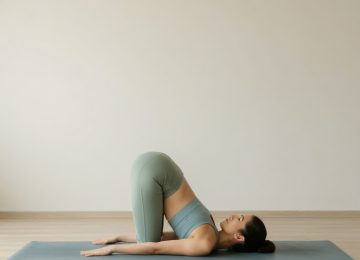
Different types of yoga offer varying degrees of challenge and focus. Hatha yoga, for instance, is often a great starting point for beginners, emphasizing foundational poses and breathwork. Vinyasa yoga, characterized by its flowing sequences, can also build flexibility while simultaneously improving cardiovascular health. Restorative yoga, on the other hand, uses props to support the body in gentle poses for extended periods, promoting deep relaxation and allowing tight tissues to release over time. The consistent practice of yoga postures, or asanas, cultivates both physical flexibility and a heightened sense of body awareness.
Key Yoga Poses for Enhanced Flexibility
Certain yoga poses are particularly effective for targeting common areas of tightness. Downward-Facing Dog (Adho Mukha Svanasana) is a classic for a reason. It stretches the hamstrings, calves, shoulders, and spine all at once. It’s a foundational pose that opens up the entire back body.
Forward folds, like Standing Forward Bend (Uttanasana) and Seated Forward Bend (Paschimottanasana), are excellent for lengthening the hamstrings and the muscles along the back of the legs. Even if you can’t touch your toes, focus on the sensation of the stretch and keep your knees slightly bent if needed. The goal is gradual improvement, not immediate perfection.
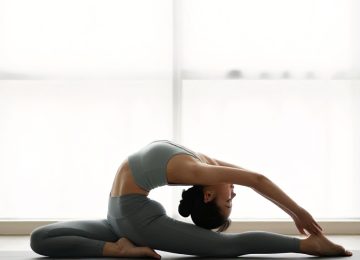
Hip openers are crucial, as tight hips can affect everything from your lower back to your knees. Poses like Pigeon Pose (Eka Pada Rajakapotasana) and Lizard Pose (Utthan Pristhasana) work deeply into the hip flexors and external rotators. These can be intense, so using props like blocks or blankets under your hips can make them more accessible and safer.
Twists, such as Seated Spinal Twist (Ardha Matsyendrasana), are fantastic for improving spinal mobility and releasing tension in the back. They also aid in digestion and can help detoxify the body.
Flexibility Training: Beyond the Yoga Mat
While yoga is a powerhouse for flexibility, dedicated flexibility training, which often incorporates various stretching techniques, can further enhance your range of motion. This can include both static and dynamic stretching, each serving a different purpose in your physical conditioning.
Static Stretching: Holding for Gains
Static stretching involves holding a stretch for a period, typically 15-30 seconds, at the point of mild tension. This is what most people envision when they think of stretching. It’s effective for increasing muscle elasticity and improving flexibility over time. Static stretching is best performed when muscles are warm, such as after a light cardio warm-up or at the end of a workout. Holding a hamstring stretch, for example, allows the muscle fibers to lengthen gradually.
It’s important to breathe deeply and relax into static stretches. Pushing too hard can lead to muscle strain or injury. The key is consistency; regular static stretching sessions will yield noticeable flexibility gains.
Dynamic Stretching: Moving Through Your Range
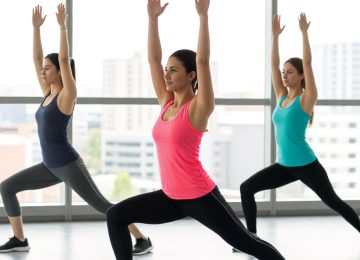
Dynamic stretching involves moving your joints and muscles through their full range of motion in a controlled manner. Think of leg swings, arm circles, or torso twists. Unlike static stretching, dynamic stretching is typically done as part of a warm-up before exercise. It helps prepare the muscles and joints for activity, increasing blood flow and reducing the risk of injury.
Dynamic stretching mimics the movements you’ll perform during your workout or sport, making it highly functional. For example, a golfer might do torso rotations, while a runner might incorporate walking lunges with a twist. This type of stretching actively engages the muscles, improving coordination and agility alongside flexibility.
Integrating Flexibility Training into Your Routine
Making flexibility a priority doesn’t require hours of dedicated time each day. Small, consistent efforts yield significant results. Here’s how you can weave it into your life:
-
Start with a warm-up: Always begin any stretching routine with 5-10 minutes of light cardio, like brisk walking, jogging in place, or jumping jacks, to get your blood flowing and muscles warm.
-
Incorporate yoga poses: Aim for 2-3 yoga sessions per week. Even a 20-minute session focusing on a few key poses can make a difference.
-
Add targeted stretches: On days you don’t do yoga, dedicate 10-15 minutes to static stretching, focusing on areas where you feel the most tightness.
-
Use dynamic stretches before workouts: Include 5-10 minutes of dynamic movements tailored to your activity before you start your main exercise session.
-
Listen to your body: Never push into pain. Stretching should feel like a gentle pull, not a sharp or burning sensation. If you have any pre-existing conditions or injuries, consult with a healthcare professional or physical therapist before starting a new flexibility program.
-
Be patient and consistent: Flexibility gains take time. Celebrate small victories and trust the process. Regular practice is more important than intensity.
The Mind-Body Connection: More Than Just Muscles
One of the profound benefits of yoga and mindful movement is the cultivation of body awareness. As you move through yoga postures and flexibility exercises, you become more attuned to how your body feels. You learn to recognize the subtle signals of tightness, tension, and release. This heightened body awareness is invaluable. It helps you identify imbalances, understand how your posture affects your well-being, and make better choices about how you move throughout the day.
This connection between mind and body is also a powerful tool for stress reduction. The focus required for yoga and stretching can act as a form of meditation, calming the nervous system and promoting mental clarity. When your body feels more open and less restricted, your mind often follows suit, leading to a greater sense of ease and well-being.
Flexibility Training for Injury Prevention and Rehabilitation
Improved range of motion is a cornerstone of injury prevention. When your muscles and joints are flexible and mobile, they can absorb impact and adapt to stress more effectively. This reduces the likelihood of strains, sprains, and tears. For athletes, this means staying in the game longer and performing at their peak. For everyday individuals, it means navigating life with greater resilience.
Furthermore, flexibility training plays a vital role in rehabilitation exercises. Following an injury, regaining lost range of motion is often a primary goal of physical therapy. Gentle stretching and mobility work help to restore function, reduce stiffness, and prevent long-term limitations. Yoga poses and specific flexibility exercises can be adapted by professionals to suit individual needs, aiding in recovery and building a stronger, more resilient body.
Achieving Your Flexibility Goals
Whether your goal is to touch your toes, reduce back pain, improve your athletic performance, or simply move through life with more freedom, incorporating yoga and flexibility training is a powerful strategy. It’s a journey of self-discovery, where you learn to understand and nurture your body’s capabilities. By consistently engaging in mindful movement and dedicated stretching routines, you unlock a greater range of motion, enhancing your physical conditioning and overall quality of life. The benefits extend far beyond the physical, fostering a deeper connection with yourself and a more empowered approach to movement.