A consistent yoga flow sequence builds strength, improves mobility, and encourages a deeper connection between your mind and body. This practice relies on linking breath with movement, an approach often called vinyasa flow, to create a kinetic flow that warms the muscles and prepares the joints for deeper work. By following a logical progression from standing poses to seated asanas and finally reclined yoga positions, you ensure a balanced physical exercise routine that supports overall wellness.
Establishing Your Foundation
Safe yoga practice begins with body alignment. Before moving through any yoga postures, take a moment to find your center. Stand at the top of your mat with feet hip-width apart, grounding through all four corners of your feet. Engage your core muscles gently and lengthen your spine toward the ceiling. This initial phase of your yoga practice guide sets the tone for mindful movement, helping you remain present throughout the session.
The Importance of Breath
Breath serves as the anchor for your yoga flow. Aim for slow, rhythmic inhales and exhales through the nose. When you match your movement to your breath, you avoid rushing through transitions. This methodology prevents injury and allows you to notice subtle sensations in your muscles. If you find your breath becoming jagged or shallow, pause in a resting pose until your heart rate stabilizes.
Standing Yoga Poses for Energy
Standing poses build heat and stability. These movements challenge your balance while strengthening the legs and core. Incorporate these shapes early in your routine to wake up the body.
- Mountain Pose: Stand tall with arms at your sides, palms facing forward.
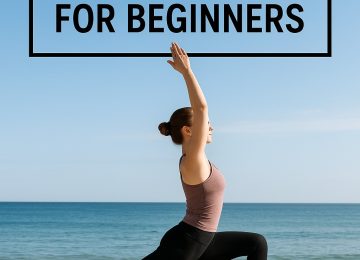
- Warrior I: Step one foot back, keep the front knee bent, and reach your arms overhead.
- Warrior II: Open your hips to the side, extending your arms parallel to the floor while gazing over your front middle finger.
- Triangle Pose: Straighten the front leg and reach your hand toward your shin or a block, keeping your chest open.
Focus on your body mechanics during these standing shapes. Keep your knees tracking over your ankles rather than collapsing inward. If your shoulders feel tight, widen your stance or keep your hands on your hips. Consistency matters more than depth; you do not need to touch your toes to reap the benefits of flexibility training.
Transitioning to Seated Asanas
After building heat, move toward the floor to focus on lengthening the hamstrings and opening the hips. Seated asanas provide a necessary shift in intensity. These shapes allow for deeper stretching and invite a sense of calm into your wellness workout.
Gentle Hip Openers
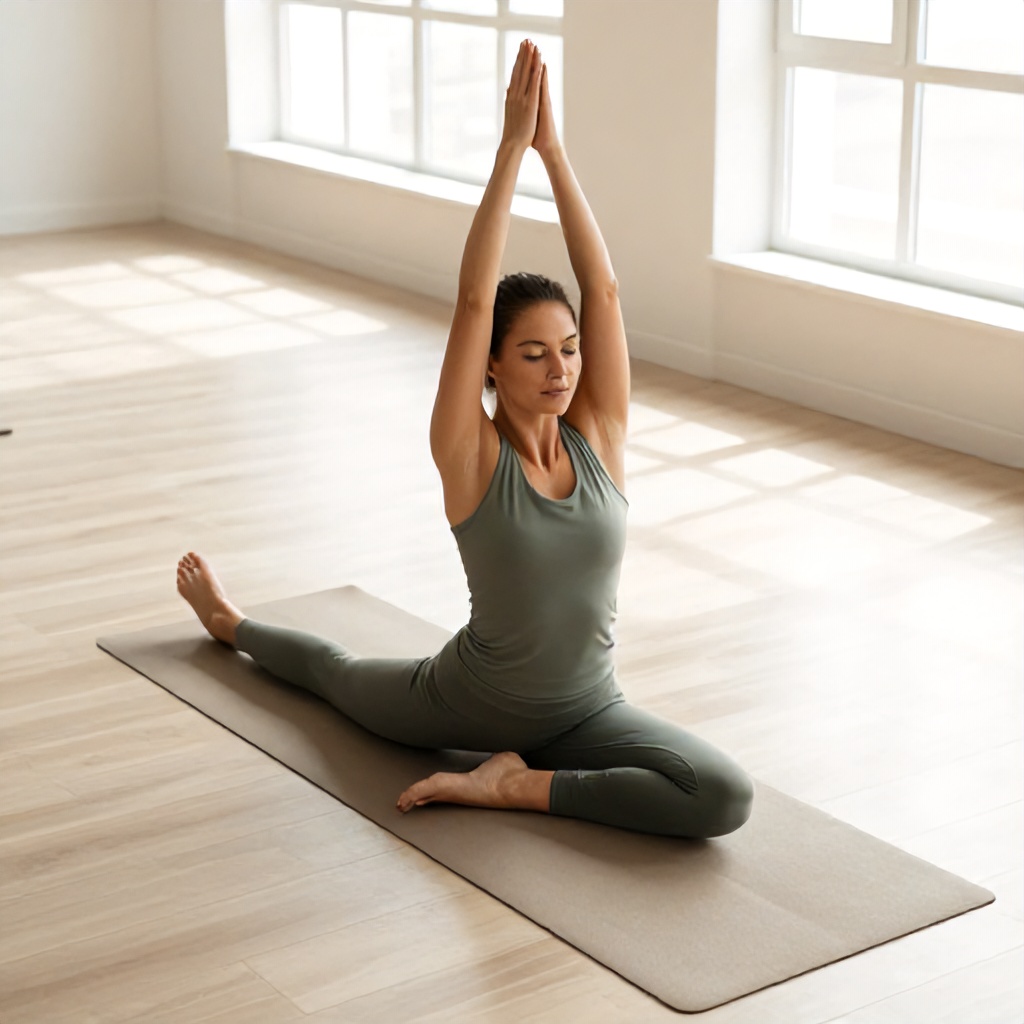
Sit with your spine tall and your legs extended. Bend your right knee and place the sole of your foot against your left inner thigh. Fold forward slowly, keeping your back flat rather than rounding your shoulders. Hold this position for five to ten breaths. Switch sides to maintain symmetry. This focus on somatic movement helps release tension stored in the lower back and pelvis.
Spinal Twists
Twists are essential for maintaining a healthy range of motion in the torso. Sit with both legs extended. Cross your right foot over your left knee. Hug your right knee with your left arm and gently rotate your chest to the right. Keep your sit bones firmly on the mat. These movements act as a massage for your internal organs and help improve posture over time.
Reclined Yoga Positions for Recovery
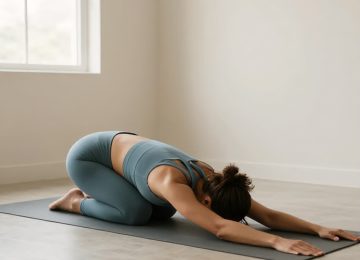
The final phase of your yoga sequencing involves reclined postures. These shapes are restorative postures that signal to your nervous system that it is time to wind down. This part of your fitness routine is just as important as the active standing phase, as it allows your heart rate to return to resting levels.
- Bridge Pose: Lie on your back, bend your knees, and lift your hips toward the ceiling.
- Supine Twist: Bring your knees into your chest and let them fall gently to one side.
- Happy Baby: Hold the outside edges of your feet while lying on your back, pulling your knees toward your armpits.
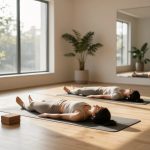
- Savasana: Extend your legs, let your feet flop open, and rest your arms by your sides.
During Savasana, close your eyes and let your muscles go completely soft. Do not worry about controlling your breath anymore. Allow your body to absorb the work you just completed. This stillness is often the most challenging part of the practice, yet it provides the most significant mental clarity.
Safety and Practical Tips
Yoga is a personal discipline, not a competition. Listen to your body every single day, as your flexibility will fluctuate based on sleep, hydration, and stress levels. If a specific movement causes sharp pain, stop immediately and modify the shape.
Common Mistakes to Avoid
Avoid locking your joints, especially the knees and elbows. Keep a micro-bend in these areas to protect your ligaments. Do not hold your breath to force yourself deeper into a stretch; this triggers a fight-or-flight response that tightens the muscles you are trying to lengthen. Instead, use props like blocks, straps, or folded blankets to bring the floor closer to you.
Developing a Sustainable Routine
You do not need an hour to practice effectively. Even fifteen minutes of mindful movement can improve your mood and physical comfort. Create a space that feels inviting, whether that means clearing a corner of your living room or using a specific mat that you associate with your practice. Consistency is the primary factor in seeing improvements in your range of motion and overall strength.
When you approach your mat, view it as an opportunity to check in with yourself. The yoga aesthetics of a perfect pose matter far less than the internal experience of moving with intention. Keep your movements slow and deliberate. By focusing on the quality of your transitions rather than the final shape, you build a practice that supports your body for years to come.
Remember that every session is a chance to refine your technique. If you feel wobbly in a standing pose, use a wall for support. If your hamstrings feel tight during seated work, sit on a folded blanket to elevate your hips. These small adjustments are signs of a mature and thoughtful approach to your health. Stay patient with your progress, and enjoy the quiet space you create for yourself during each flow.