The Unfiltered Truth: Close-Up Human Skin Texture Revealed
Understanding your skin’s close-up texture, including visible pores and blackheads, is the first step to achieving a healthier complexion.
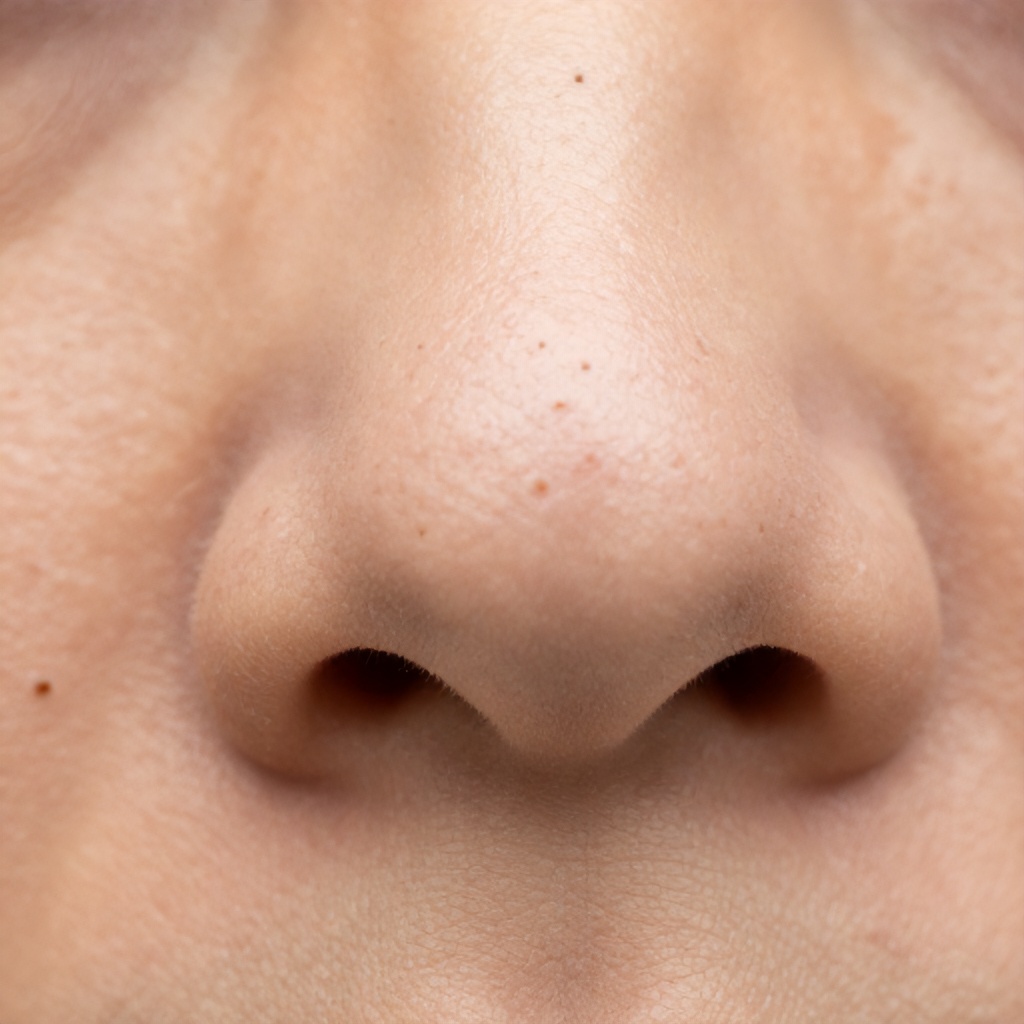
Forget the airbrushed perfection you see everywhere. The reality of human skin, when you zoom in, is a fascinating landscape. It’s a dynamic dermal surface, a topographical map etched with fine lines, subtle variations in skin coloration, and yes, those notorious visible pores and blackheads. This isn’t about hiding imperfections; it’s about understanding the natural skin structure and what it tells you.
The Pore Picture: More Than Just Holes
Let’s talk about pores. They’re not just empty spaces on your skin. Each pore is actually a follicular opening, a tiny gateway to a sebaceous gland. This gland produces sebum, an oil that helps keep your skin lubricated and protected. So, pores are essential for healthy skin function. Their visibility, however, is where things get interesting.
Why do some pores seem larger than others? It’s a common skin topography feature. Several factors contribute to pore visibility. Genetics plays a significant role, determining the natural size and density of your follicular openings. Age is another factor; as we get older, our skin loses elasticity, which can make pores appear more prominent. Sun damage also breaks down collagen and elastin, the proteins that keep skin firm and pores tightened. And then there’s the buildup within the pore itself.
Sebaceous filaments are often mistaken for blackheads. These are naturally occurring, fine, hair-like structures that line the inside of pores. They are filled with sebum and dead skin cells. When they are exposed to air, they oxidize and can appear as small, dark dots. This is a normal part of skin morphology for many people.
Blackheads: The Culprits of Clogged Pores
Blackheads, or open comedones, are a type of skin blemish that occurs when a pore becomes clogged with excess sebum and dead skin cells. Unlike whiteheads, which are closed, blackheads are open to the air. This exposure causes the trapped material to oxidize and turn dark. It’s not dirt, as many people believe, but a chemical reaction.
The epidermal layer is constantly shedding dead skin cells. Sometimes, these cells don’t shed properly and mix with sebum. This mixture can then plug the follicular opening. If the plug remains open to the air, it becomes a blackhead. If it’s covered by a thin layer of skin, it forms a whitehead.
Visible pores and blackheads tend to be more noticeable in areas where you have more sebaceous glands, like the T-zone (forehead, nose, and chin). This is because these areas produce more oil. The appearance of these skin surface features can significantly impact skin complexion.
Beyond Pores: Other Skin Texture Details
The skin topography is rich with detail. Beyond pores and blackheads, you might notice:
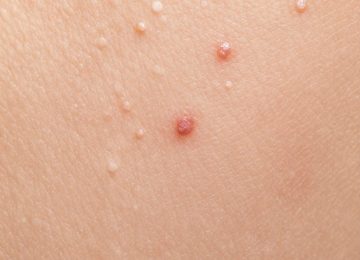
- Raised bumps: These can be anything from minor irritations to more significant skin conditions. They are a part of the skin structure that can be influenced by various factors.
- Fine hairs: We all have vellus hair, or “peach fuzz,” on our skin. These are naturally occurring and contribute to the overall skin surface features.
- Uneven skin tone: Skin coloration can vary due to sun exposure, post-inflammatory hyperpigmentation, or underlying skin conditions.
- Texture variations: Some areas of the skin might feel smoother or rougher than others, contributing to the overall skin appearance.
Looking at your skin with a microscopic view can be eye-opening. It reveals the intricate details of the dermal surface that are usually hidden from plain sight. This detailed skin analysis helps in understanding specific skin conditions and how to address them.
Why Understanding Skin Texture Matters
Appreciating the natural skin structure, including its visible pores and potential for blackheads, is crucial for effective skincare. When you understand what you’re seeing, you can choose the right products and treatments.
For instance, if you’re struggling with blackheads, harsh scrubbing might not be the answer. Instead, ingredients that help to exfoliate dead skin cells and regulate sebum production, like salicylic acid, can be more beneficial. These ingredients work by penetrating the pore and dissolving the mixture of oil and dead skin cells. Regular cleansing is also vital to remove excess oil and debris from the skin surface.
Visible pores can be managed by keeping them clear and by using ingredients that help to tighten the skin. While you can’t change your genetic pore size, you can influence how prominent they appear. Keeping the skin hydrated and supporting collagen production can make a difference in the overall skin appearance.
Addressing Skin Imperfections: A Gentle Approach
When it comes to skin imperfections like blackheads and enlarged pores, a gentle, consistent approach is usually best. Aggressive treatments can sometimes irritate the skin, leading to inflammation and potentially worsening the appearance of pores or causing new blemishes.
Here are some practical steps:
- Consistent Cleansing: Wash your face twice daily with a gentle cleanser. This helps remove excess oil, dirt, and makeup that can contribute to clogged pores. Look for cleansers that are non-comedogenic, meaning they won’t clog pores.
- Exfoliation is Key: Incorporate an exfoliating treatment a few times a week. Chemical exfoliants like salicylic acid (a BHA) are excellent for penetrating pores and dissolving blockages. AHAs (like glycolic or lactic acid) are great for removing dead skin cells from the surface, improving overall skin texture and tone.
- Targeted Treatments: For stubborn blackheads, consider using a clay mask. Clay helps to draw out impurities from the pores. Retinoids, both prescription and over-the-counter, are also highly effective at increasing cell turnover and preventing pore blockages, leading to a smoother skin appearance.
- Moisturize Wisely: Don’t skip moisturizer, even if you have oily skin. Dehydrated skin can actually produce more oil to compensate. Choose a lightweight, oil-free, non-comedogenic moisturizer.
- Sun Protection: Daily use of sunscreen is non-negotiable. UV damage breaks down collagen and elastin, making pores appear larger and contributing to overall skin aging.
Remember, the goal isn’t to eliminate pores entirely – that’s impossible and undesirable. The aim is to manage the factors that make them appear more prominent and to keep the skin healthy and clear. This includes managing sebaceous filaments and preventing the buildup that leads to blackheads.
The Beauty of Imperfection
Seeing your skin up close, with its natural texture, visible pores, and occasional blackheads, can be a journey of self-acceptance. It’s a reminder that real skin is varied and complex. The dermal characteristics that make each person’s skin unique are part of what makes us human.
Instead of striving for an unattainable ideal, focus on nurturing your skin. Understand its needs, address concerns with appropriate care, and appreciate the intricate beauty of your own skin topography. A healthy skin complexion is about balance and well-being, not flawless uniformity. The skin surface features tell a story, and it’s a story worth understanding.