The Truth About Squeezing Whiteheads: What Works and What Doesn’t
Let’s talk about whiteheads. That little white bump on your skin, often appearing when you least expect it, can be incredibly tempting to squeeze. But is it the best approach for clear skin? We’re going to break down what a whitehead actually is, why you might want to rethink that urge to pick, and what you can do for healthier, clearer skin instead.
What Exactly is a Whitehead?
A whitehead, medically known as a closed comedone, is a type of acne lesion. It forms when a pore becomes clogged. Think of your pores as tiny openings in your skin that have hair follicles and oil glands attached. Normally, these pores help your skin breathe and stay moisturized. But sometimes, dead skin cells and oil (sebum) can get trapped inside, creating a blockage.
When this blockage is covered by a thin layer of skin, it appears as a small, white or yellowish bump. Unlike blackheads, which are open to the air and oxidize to a dark color, whiteheads are closed off. This trapped sebum and dead skin cell mixture is what gives it that characteristic white tip. Sometimes, a tiny bit of downy hair might be involved in the clog, but the main culprits are typically sebum and keratin, a protein found in skin cells.
It’s important to distinguish whiteheads from other skin bumps. For instance, milia are tiny, pearly white cysts that are often mistaken for whiteheads. These are actually trapped keratin but don’t involve the oil glands in the same way and are usually much harder and smaller.

Why the Urge to Squeeze?
The visual satisfaction of seeing a whitehead disappear can be powerful. It feels like an immediate fix, a quick way to remove an unwelcome blemish. For many, it’s a learned behavior, something we’ve done since we were teenagers battling acne. The immediate, albeit temporary, relief of removing the visible bump can be quite compelling. It’s a primal urge to “cleanse” or remove something perceived as “dirty” or an “impurity” from the skin.
However, this immediate gratification often comes with a hidden cost. The skin is a delicate organ, and forcefully manipulating it can lead to more problems than it solves. While the idea of removing skin impurities might seem logical, the method is often where things go wrong.
The Risks of Squeezing
So, what happens when you give in to that squeezing urge? It’s rarely as simple as the YouTube videos might suggest. Here’s the reality:
- Inflammation and Redness: Pushing and prodding at a whitehead forces the trapped material deeper into the pore and surrounding skin. This can cause significant inflammation, making the spot redder and more noticeable than it was before.
- Infection: Your fingernails and the skin around them are not sterile, even if you’ve just washed your hands. Introducing bacteria into an open pore is a direct invitation for infection. This can lead to more painful pimples or even a deeper skin infection.
- Scarring: This is perhaps the most significant long-term risk. When you damage the skin’s structure by squeezing too aggressively, you can disrupt the collagen and elastin fibers. This can result in permanent acne scars, like pitted scars or dark spots (post-inflammatory hyperpigmentation), which are much harder to treat than the original whitehead.
- Spreading Bacteria: Squeezing can push the bacteria and inflammatory substances from the infected pore into other nearby pores, potentially leading to more breakouts.
- Damage to Surrounding Skin: The pressure applied can also damage the healthy skin tissue around the whitehead, leading to irritation and prolonged healing time.
Think of your skin’s pores like tiny tunnels. When you squeeze, you’re not just emptying the tunnel; you’re potentially collapsing it, pushing debris further down, and introducing new contaminants. It’s a bit like trying to clear a clogged pipe by banging on it – you might dislodge something, but you’re also likely to cause more damage.
It’s worth noting that some videos show what appears to be successful squeezing. These often involve very specific types of clogs, sometimes even showing the removal of downy hair or a keratin plug under magnification. However, even in these cases, the technique is usually performed by professionals or with specialized tools, and the risks remain for the untrained individual.
The KeanaTankentai Perspective
The channel KeanaTankentai has gained a significant following by showcasing extreme close-up videos of various skin extractions. These videos often feature the removal of blackheads (keratin plugs), whiteheads, and even milia. They also sometimes show the extraction of beard hair, detailing the downy hair, hair root, and root sheath. The channel uses microscopes and specialized tools to provide a detailed, almost scientific, look at these processes.

[Highlight] / keanatankentai
While these videos can be fascinating, they are not a guide for self-treatment. They demonstrate the what and how of extraction in a controlled environment, often highlighting the nature of skin impurities. However, they also implicitly show the potential for trauma to the skin if not done correctly. The sheer volume of views suggests a widespread curiosity about these skin phenomena, but it’s crucial to remember that watching is not the same as doing.
Safer Alternatives for Clearer Skin
If squeezing is out, what’s in for achieving and maintaining skin clarity? A consistent and gentle skincare routine is your best bet for fighting whiteheads and preventing future breakouts. The goal is to keep pores clear and skin healthy.
Gentle Cleansing
Start with a good cleanser. Look for a mild, non-comedogenic formula that won’t strip your skin of its natural oils. Wash your face twice a day, morning and night, to remove excess sebum, dirt, and any makeup.
Exfoliation is Key
Exfoliation helps remove dead skin cells that can clog pores. There are two main types:
- Chemical Exfoliants: These use acids like salicylic acid (a beta-hydroxy acid or BHA) or glycolic acid (an alpha-hydroxy acid or AHA). Salicylic acid is particularly effective for acne because it’s oil-soluble and can penetrate into the pores to break down blockages. AHAs help to slough off dead skin cells from the surface.
- Physical Exfoliants: These are scrubs with fine particles. Be cautious with these, as harsh scrubbing can irritate the skin and worsen acne. Opt for gentle formulas with fine grains.
Incorporate an exfoliant into your routine a few times a week, depending on your skin’s tolerance. Over-exfoliating can lead to redness and irritation.
Topical Treatments
Over-the-counter treatments often contain ingredients that can help reduce inflammation and unclog pores:
- Benzoyl Peroxide: This ingredient kills acne-causing bacteria and helps to reduce inflammation. It can be drying, so start with a lower concentration.
- Retinoids (like Adapalene): These are vitamin A derivatives that help to speed up cell turnover, preventing pores from becoming clogged. They can be very effective but may cause initial dryness or peeling.
Apply these treatments to the affected areas as directed.
Hydration Matters
Even oily, acne-prone skin needs hydration. Skipping moisturizer can actually cause your skin to produce more oil to compensate. Choose an oil-free, non-comedogenic moisturizer to keep your skin balanced.
Professional Help
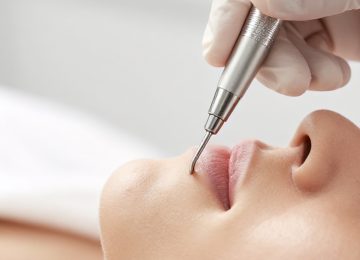
If you have persistent or severe acne, don’t hesitate to consult a dermatologist. They can offer prescription-strength treatments, in-office procedures, and personalized advice for your specific skin concerns. They can also help differentiate between whiteheads, blackheads, and other skin conditions like milia or cystic acne.
What About Pore Strips and Tweezers?
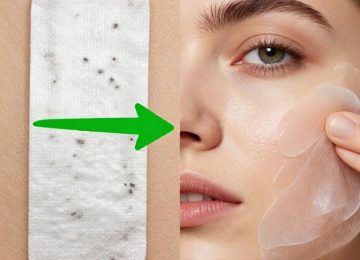
Pore strips, like Biore strips, are designed to adhere to the surface of your pores and lift out debris when you peel them off. They can be somewhat effective at removing the visible blackheads on the surface, which are essentially oxidized sebum and dead skin cells. However, they don’t address the underlying cause of clogged pores and can sometimes be too harsh, potentially irritating the skin or even removing fine, downy hairs.
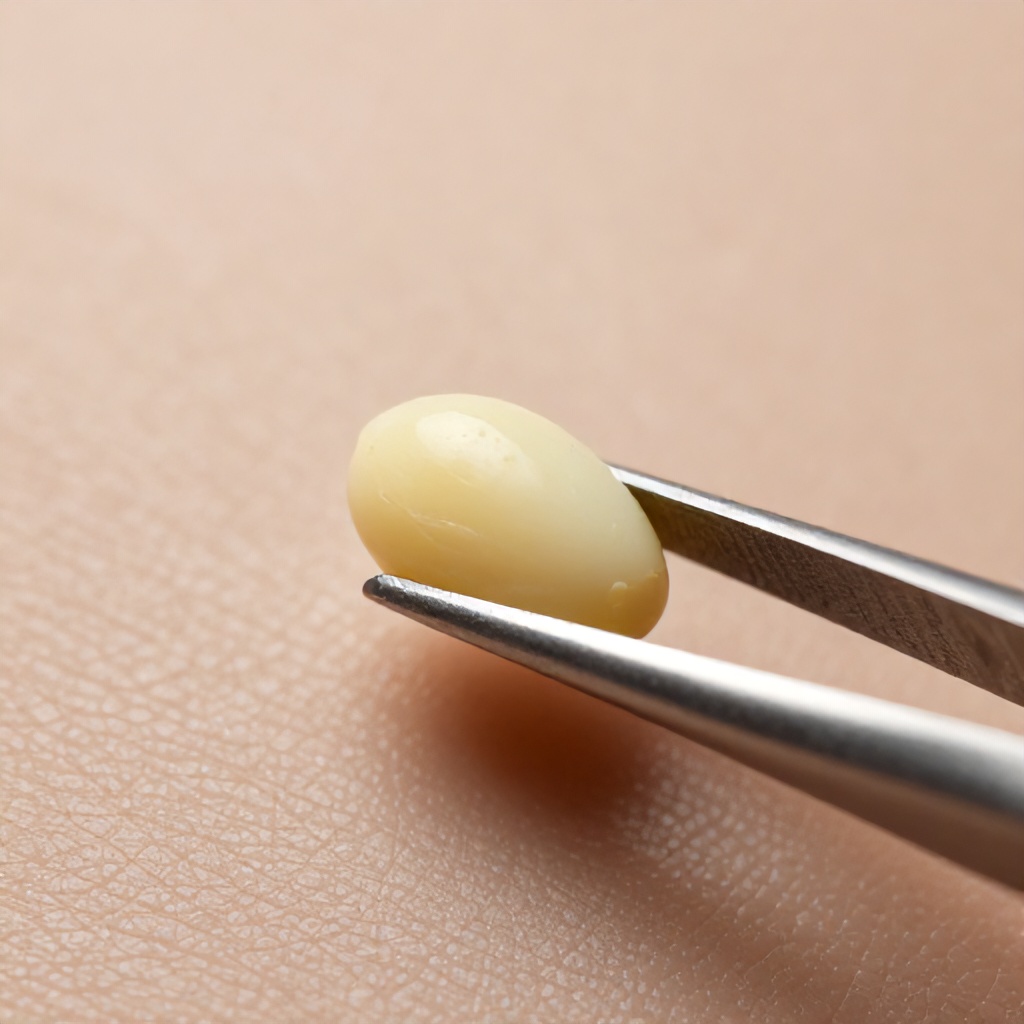
Using tweezers for extraction is generally a bad idea. Tweezers are not designed for delicate skin extraction and can easily cause damage, bruising, and infection. They are tools for precision tasks, not for manipulating skin blemishes. The microscopic view of pore strips and tweezers being used for extraction, as seen in some videos, highlights the mechanical nature of these tools but doesn’t endorse their use for at-home treatments.
When to Seek Professional Help
While many whiteheads can be managed with a good at-home skincare routine, there are times when professional intervention is necessary. If you experience:
- Deep, painful cysts that don’t come to a head.
- Acne that is spreading rapidly or covering large areas of your face or body.
- Signs of infection, such as increased redness, swelling, warmth, or pus.
- Acne that is leaving significant scarring.
In these situations, a dermatologist can provide advanced treatments and prevent long-term damage. They have the expertise and tools to safely address stubborn skin impurities and recommend the best skin treatment for your needs.
The Takeaway: Patience and Prevention
Achieving and maintaining clear skin is a marathon, not a sprint. While the quick fix of squeezing might seem appealing, it often leads to more problems. Focus on building a consistent, gentle skincare routine that prioritizes prevention and healthy skin habits. Your skin will thank you for it in the long run, leading to a more consistently acne-free complexion.
What is the difference between a whitehead and a blackhead?
A whitehead (closed comedone) is a pore clogged with sebum and dead skin cells, covered by a thin layer of skin, appearing white or yellowish. A blackhead (open comedone) is also a clogged pore, but it’s open to the air, causing the trapped sebum and dead skin cells to oxidize and turn dark.
Can squeezing a whitehead cause permanent scars?
Yes, aggressive squeezing can damage the skin’s structure, leading to permanent scarring, such as pitted scars or dark spots (post-inflammatory hyperpigmentation).
Gentle Extraction Technique (Professional Only)
If you absolutely must attempt to extract a blemish, ensure your hands are thoroughly washed and use a clean cotton swab or a specialized comedone extractor tool. Apply gentle, even pressure around the blemish, not directly on it. If it doesn’t come out easily, stop. This method is best left to dermatologists or estheticians.
Warning: Avoid Using Sharp Objects
Never use needles, pins, tweezers, or any sharp objects to try and pop or extract blemishes. This significantly increases the risk of infection, deep scarring, and spreading bacteria.