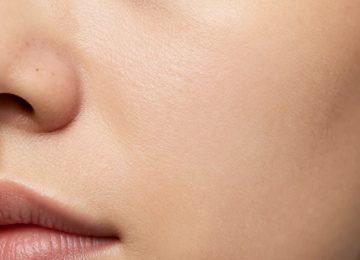
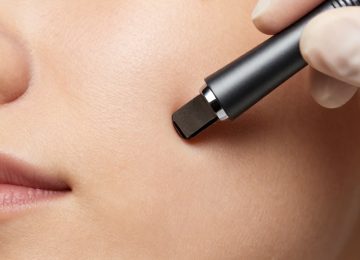
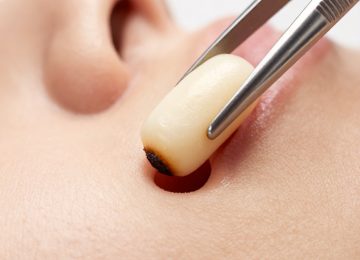
Tiny, uninvited guests called
Demodex folliculorum live right inside the
pores of the skin on your face, and understanding their presence is a huge motivator for consistent
facial cleansing and thorough
makeup removal.
What Exactly Are These Tiny Creatures?
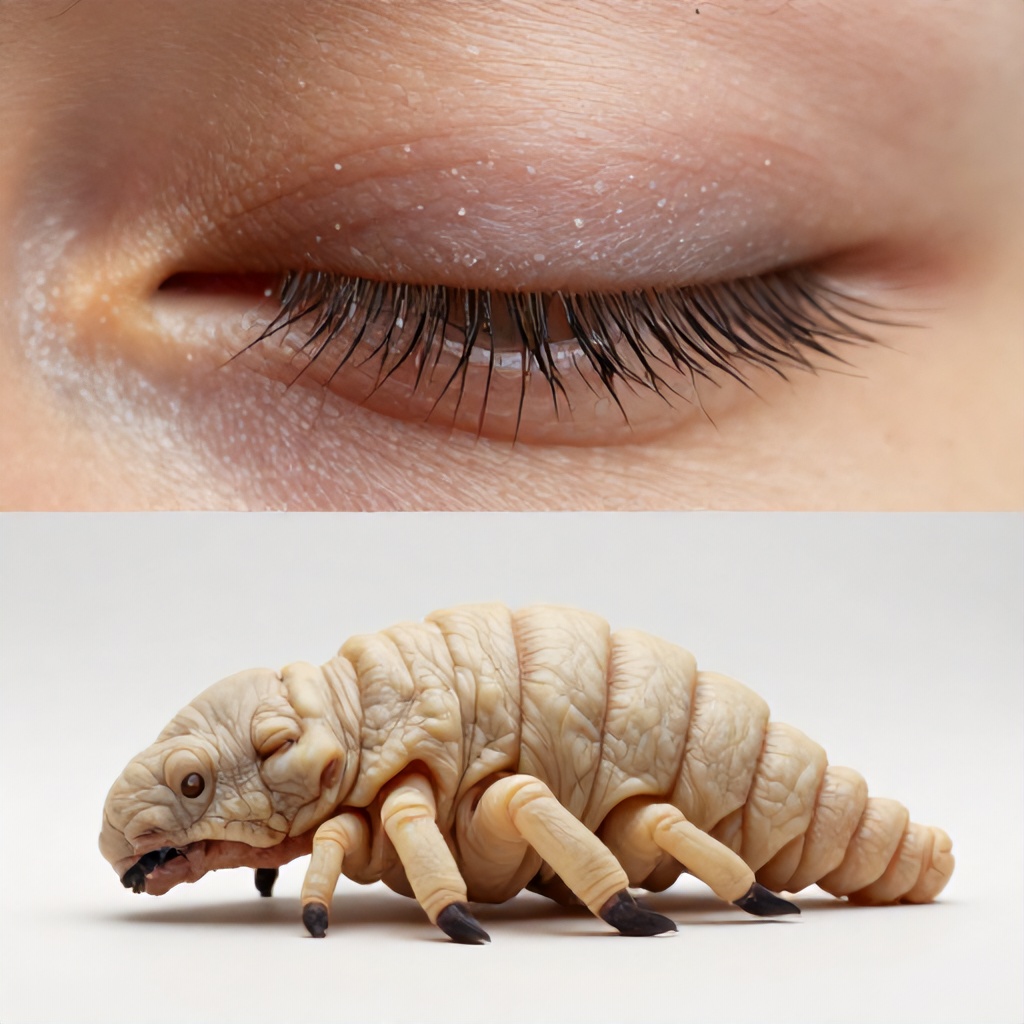
Imagine a microscopic organism, so small you’d need a powerful lens to spot it. That’s
Demodex folliculorum for you. These are not insects, but rather
skin mites, distant relatives of spiders, sharing some
arachnid characteristics like having eight legs. They measure a mere 0.3 to 0.4 millimeters in length, making them practically invisible to the naked eye. Despite their size, they are incredibly common, found on the
adult skin of nearly every person on the planet.
Their preferred hangout spots are your
hair follicles, especially those on your nose, cheeks, forehead, and even your eyelashes. These areas are rich in
sebum production, the oily substance your skin naturally produces, which happens to be their primary food source. They also feast on
dead skin cells and other
skin secretions, making your face a veritable buffet.
The Demodex Lifecycle and Diet
The life of a
Demodex folliculorum mite is quite fascinating, if a little unsettling. They spend most of their lives tucked away inside your
hair follicles, emerging mainly at night to mate and move between follicles. Their
mite reproduction rate can be significant, with females laying up to 25 eggs within a single hair follicle. This rapid turnover means populations can grow quickly if conditions are favorable.

One of the most peculiar aspects of these
facial mites is their digestive system. Unlike most organisms,
Demodex folliculorum mites lack an anus. This means they accumulate all their waste products inside their tiny bodies throughout their lifespan. When a mite eventually dies, typically after a few weeks, its body disintegrates, releasing these accumulated waste products into the surrounding skin. This can sometimes trigger an immune response, leading to
hypersensitivity reactions in some individuals.
Why Do They Matter to Your Skin Health?
While the idea of
skin mites living on your face might sound alarming, it’s important to remember that for most people,
Demodex folliculorum mites coexist harmlessly with their skin. They are a natural part of the skin’s microbiome. However, when their populations grow too large, leading to
mite infestations, they can contribute to or exacerbate various
dermatological conditions.
Common Skin Issues Linked to Demodex
-
Rosacea Causes: One of the most well-documented links is between
Demodex folliculorum and rosacea, particularly the papulopustular subtype. Studies suggest that an overabundance of these mites can trigger inflammation and immune responses in susceptible individuals, leading to the characteristic redness, bumps, and pustules associated with rosacea. The mites’ waste products, released upon their death, are thought to play a role in provoking these inflammatory reactions.

-
Eyelid Infections (Blepharitis): These mites are frequently found in the follicles of eyelashes. An excessive number of
Demodex can lead to blepharitis, an inflammation of the eyelids. Symptoms often include itching, redness, irritation, crusting around the eyelashes, and even loss of eyelashes. The mites can also carry bacteria, further complicating the infection.
-
Acne Breakouts and Blackhead Formation: While
Demodex are not the primary cause of acne, they can certainly contribute to
acne breakouts and
blackhead formation. By living in and feeding on the sebum within
hair follicles, large populations can clog pores, creating an environment ripe for bacterial growth and inflammation. This can worsen existing acne or trigger new blemishes.
-
Other Skin Sensitivities: For some, an increased number of
facial mites might lead to general skin irritation, persistent itching, a feeling of crawling on the skin, or a rough, sandpaper-like texture. These
hypersensitivity reactions are often subtle but can significantly impact comfort and
skin health.
The Power of Your Skincare Routine
Understanding the role of
Demodex folliculorum in
skin health underscores the critical importance of a consistent and effective
skincare routine. It’s not just about looking good; it’s about maintaining a balanced skin environment where these
microscopic organisms don’t overpopulate and cause problems.
Facial Cleansing: Your First Line of Defense
Regular
facial cleansing is paramount. Washing your face twice a day helps remove excess
sebum production,
dead skin cells, environmental pollutants, and, crucially, helps to manage the population of
Demodex folliculorum. Think of it as tidying up their living space, making it less hospitable for large
mite infestations.
Effective
pore cleansing is about more than just splashing water on your face. It involves using a gentle, appropriate cleanser that can break down oils and lift away debris without stripping your skin of its natural moisture barrier. This balance is key to preventing both dryness and excessive oiliness, both of which can impact mite populations.
Makeup Removal: A Non-Negotiable Step
Leaving makeup on overnight is one of the biggest skincare mistakes you can make, especially when considering
facial mites. Makeup, particularly foundation and mascara, can trap
dead skin cells and
skin secretions, creating a rich, undisturbed feeding ground for
Demodex folliculorum. It also clogs
pores of the skin, exacerbating the conditions that can lead to
acne breakouts and other issues.
Thorough
makeup removal before bed allows your skin to breathe and regenerate. It clears out the
hair follicles, depriving mites of their nightly feast and reducing the likelihood of
mite reproduction running rampant. This simple step is fundamental to good
facial hygiene.
Choosing the Right Products for Your Skin Health
When it comes to your
skincare routine, product selection matters. Opt for gentle cleansers that are non-comedogenic (won’t clog pores) and suitable for your skin type. Avoid harsh scrubs or overly aggressive products that can irritate the skin and disrupt its natural barrier, potentially making it more vulnerable.
Look for ingredients that support
skin health and balance, rather than just treating symptoms. If you suspect
Demodex-related issues, certain ingredients like tea tree oil (in diluted forms), sulfur, or specific prescription treatments might be recommended by a dermatologist. However, always consult a professional before incorporating strong active ingredients, especially for sensitive skin or existing
dermatological conditions.
Recognizing Potential Issues and When to See a Professional
While
Demodex folliculorum are normal inhabitants, persistent skin problems might signal an overgrowth. Knowing when to seek professional advice is important for effective management and maintaining optimal
skin health.
Symptoms of Excessive Demodex
Keep an eye out for these signs, which could indicate a higher than normal population of
facial mites:
-
Persistent facial redness or flushing that doesn’t resolve.
-
Chronic itching or a crawling sensation on the skin, particularly at night.
-
Rough, scaly, or sandpaper-like patches on the skin.
-
Increased sensitivity or burning sensations.
-
Unexplained
acne breakouts or pustules that don’t respond to typical acne treatments.
-
Inflamed or crusty eyelids, or frequent styes and chalazions.
-
Thinning eyebrows or eyelashes.
If you experience these symptoms consistently, especially if they worsen, it’s a good idea to consult a dermatologist. They can properly diagnose if
Demodex folliculorum are contributing to your skin concerns and recommend targeted treatments. Diagnosis often involves a simple skin scraping or biopsy to count the number of mites.
Practical Steps for Better Skin Health
Taking care of your skin is a daily commitment, and small habits can make a big difference in managing
Demodex folliculorum populations and promoting overall
skin health.
-
Cleanse Twice Daily: Make
facial cleansing a non-negotiable part of your morning and evening routine. Use a gentle cleanser and lukewarm water. This helps remove excess
sebum production,
dead skin cells, and makeup, reducing the food supply for mites.
-
Always Remove Makeup: No matter how tired you are, always take the time for thorough
makeup removal before bed. Use a dedicated makeup remover, followed by your regular cleanser, to ensure all traces are gone from your
pores of the skin and
hair follicles.
-
Maintain Eyelid Hygiene: If you wear eye makeup or experience any eyelid irritation, gently cleanse your lash line daily with a mild, non-irritating cleanser or a specialized eyelid wipe. This is especially important for preventing
eyelid infections.
-
Change Pillowcases Regularly: Your pillowcase can accumulate
dead skin cells, oils, and even mites. Change it at least once a week, or more frequently if you have active skin concerns, to keep your sleeping environment clean.
-
Avoid Heavy, Occlusive Products: While moisturizing is essential, very heavy or occlusive creams can sometimes trap oils and create an overly rich environment within
hair follicles. Opt for lighter, non-comedogenic moisturizers, especially if you have oily or acne-prone skin.
-
Consult a Dermatologist: If you suspect
mite infestations are causing or worsening your
dermatological conditions, don’t self-diagnose or self-treat aggressively. A dermatologist can provide an accurate diagnosis and prescribe effective treatments, which might include topical medications like ivermectin or metronidazole.
By understanding these tiny
microscopic organisms and implementing a thoughtful
skincare routine, you can maintain a healthy balance on your
adult skin. It’s all about proactive
facial hygiene and making informed choices for your skin’s well-being.