Your Next Favorite Meal: The Stunning Layered Salad
The layered salad is more than just a pretty dish; it’s a smart, satisfying, and incredibly versatile way to enjoy fresh ingredients, whether packed for lunch or artfully arranged for dinner.
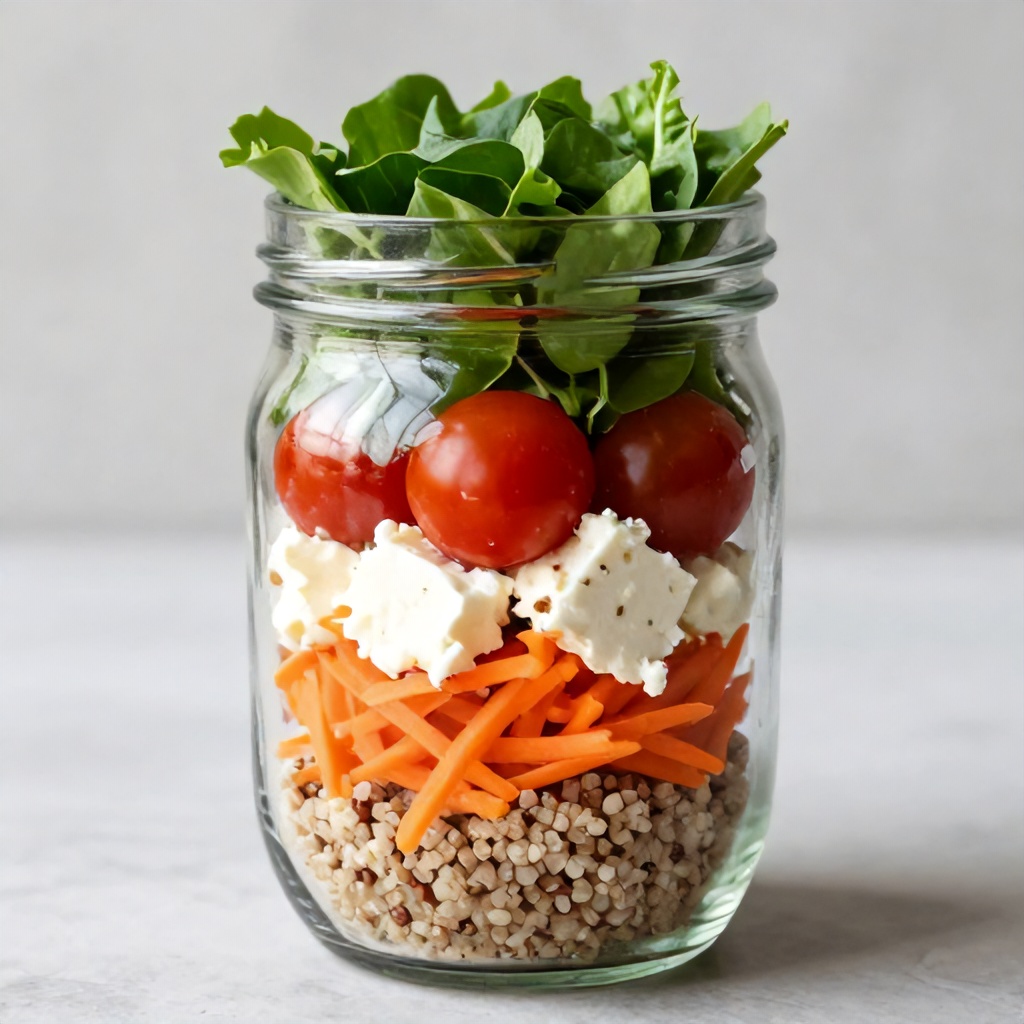
The Magic of Layers: Why This Salad Works
Imagine a meal where every bite offers a different texture and flavor combination. That’s the promise of a layered salad. It’s not just about stacking ingredients; it’s about strategic placement to keep things fresh, prevent sogginess, and create a visually appealing masterpiece. This method is perfect for meal prep, ensuring your lunch is as exciting and delicious as when you first made it.
The beauty of a layered salad lies in its adaptability. You can customize it endlessly, catering to your taste buds and dietary needs. Think vibrant greens, crunchy vegetables, hearty proteins, and zesty dressings, all working in harmony.
The Jar Advantage: Portable Perfection
Packing a layered salad in a glass jar is a game-changer for busy individuals. The clear container showcases the beautiful strata of ingredients, making it an instant mood booster. It’s the ultimate grab-and-go meal, perfect for work, picnics, or a healthy snack on the move.
When building your jar salad, the order is key. It’s all about creating a barrier between the dressing and the delicate greens. This ensures your salad remains crisp and delightful until you’re ready to eat.
Building Your Jar Salad: The Smart Way
Here’s a simple, effective layering strategy for your jar salad:
- Dressing First: Pour your favorite dressing at the very bottom of the glass jar. This keeps it contained and ready to coat everything when you shake it up.
- Hard Vegetables Next: Think sturdy ingredients that won’t wilt. This could include chopped carrots, bell peppers, cucumbers, or cherry tomatoes. They form a protective layer above the dressing.
- Proteins and Legumes: Add your protein sources here. Cooked chicken or turkey, hard-boiled eggs, canned tuna, or even a generous portion of light brown chickpeas work wonderfully.
- Grains or Pasta (Optional): If you’re adding quinoa, couscous, or a small pasta salad, this is a good spot.
- Cheese and Cured Meats: Cubes of white cheese like feta or mozzarella, or even thin slices of cured meat, add richness and flavor.
- Softer Ingredients: Now come the more delicate items. Avocado, corn, or even some of your reddish meat if you’re going for a charcuterie vibe.
- Greens Last: Pack your vibrant green lettuce, spinach, or mixed salad mix right at the top. This ensures it stays fresh and crisp, untouched by the dressing until you’re ready to enjoy.
A well-constructed jar salad is a testament to thoughtful food preparation. It’s a clear container holding a promise of a delicious, healthy meal.
The Plate Presentation: A Culinary Display
While jar salads are fantastic for portability, presenting a layered salad on a plate offers a different kind of satisfaction. It’s about creating a visual feast, a culinary display that delights the eyes before it even reaches the palate.
This method allows for more intricate arrangements and the inclusion of ingredients that might not hold up as well in a jar. It’s perfect for when you want to impress guests or simply treat yourself to a beautifully plated meal.
Crafting a Stunning Salad on Plate
Serving a layered salad on a plate requires a slightly different approach to layering, focusing on visual appeal and accessibility.
- Base Dressing: Start with a light drizzle of dressing on the plate, or place a dollop in the center.
- Foundation of Greens: Arrange a generous bed of your vibrant green lettuce or mixed salad greens as the base. This provides a lush foundation.
- Strategic Placement of Vegetables: Artfully arrange your chopped vegetables around the greens. Think about color contrast and shape. Place your yellow pickled peppers here for a pop of color.
- Hearty Additions: Scatter your protein sources and legumes. Light brown chickpeas add earthiness, while slices of reddish meat or cured meat slices can add a touch of elegance.
- Dairy and Accents: Dot with white cheese cubes or other dairy elements. Add any smaller, flavorful components like olives or seeds.
- Garnish and Final Touches: A final drizzle of dressing, a sprinkle of herbs, or even a few edible flowers can elevate the presentation. Ensure the fork is visible, signaling that the salad is ready for consumption.
This approach transforms a simple salad into an edible work of art. The focus is on creating a harmonious blend of colors, textures, and flavors, making the salad on plate an experience in itself.
Ingredient Spotlight: Building Flavor and Nutrition
The success of any layered salad hinges on the quality and variety of its ingredients. Let’s explore some fantastic options.
The Greens: The Foundation of Freshness
Your choice of greens sets the tone. Vibrant green lettuce, like romaine or butter lettuce, offers a satisfying crunch. For a softer texture, spinach or arugula can be excellent. A mixed salad blend provides a delightful variety of flavors and textures in every bite.
Vegetables: Color, Crunch, and Vitality
This is where you can really play with color and texture.
- Crunchy: Carrots, celery, bell peppers (any color!), snap peas, radishes.
- Juicy: Tomatoes, cucumbers, corn.
- Tangy: Yellow pickled peppers, red onions, artichoke hearts.
Each vegetable adds its own unique character, contributing to the overall complexity of the salad.
Proteins and Legumes: Sustaining Power
To make your salad a complete, healthy meal, protein is essential.
- Lean Meats: Grilled chicken breast, turkey, lean steak, or even canned tuna.
- Reddish Meat Options: For a more robust flavor, consider thinly sliced roast beef or even some charcuterie elements.
- Plant-Based Power: Light brown chickpeas are a fantastic source of fiber and protein. Black beans, kidney beans, or lentils are also great choices.
- Eggs: Hard-boiled eggs are a classic and simple protein addition.
These ingredients ensure your salad is filling and satisfying, keeping hunger at bay.
Dairy and Cheese: Creaminess and Zing
White cheese cubes like feta, mozzarella, or goat cheese add a creamy texture and a delightful tang. Other options include shredded cheddar or Parmesan. These elements provide a rich contrast to the fresh vegetables.
Dressings: The Flavor Unifier
The dressing ties everything together. Whether you prefer a light vinaigrette, a creamy ranch, or a zesty lemon-herb dressing, it should complement the other ingredients. Making your own dressing allows for ultimate control over flavor and ingredients.
Tips for Perfect Layered Salads
Creating consistently delicious layered salads is all about a few key practices.
Preparation is Key
Wash and thoroughly dry all your greens and vegetables. Moisture is the enemy of crispness, especially in jar salads. A salad spinner is your best friend here.
Chop Uniformly
Aim for bite-sized, uniform pieces. This makes the salad easier to eat and ensures a balanced distribution of ingredients in every forkful.
Consider Texture Contrast
A great layered salad has a variety of textures. Pair crunchy elements with softer ones, and creamy components with crisp vegetables. This keeps each bite interesting.
Don’t Overcrowd the Jar
While you want a substantial meal, don’t pack the jar so tightly that ingredients can’t move. This is especially important for jar salads where shaking is needed to mix.
Taste and Adjust
Before sealing your jar or plating your salad, taste a small portion of the components. Does it need a touch more salt? A squeeze of lemon? Adjust seasonings as needed.
Beyond the Basics: Creative Layered Salad Ideas
The possibilities are truly endless. Think beyond the standard garden salad.
Mediterranean Delight
Layer with hummus, quinoa, cucumber, tomatoes, Kalamata olives, feta cheese, and grilled chicken. A lemon-tahini dressing works wonders.
Southwestern Fiesta
Start with black beans, corn, chopped bell peppers, avocado, shredded chicken or seasoned ground turkey, and a spicy lime dressing. Top with a sprinkle of cilantro.
Asian-Inspired Crunch
Combine shredded cabbage, carrots, edamame, mandarin oranges, grilled tofu or chicken, and a sesame-ginger dressing. Crispy wonton strips add a fantastic crunch.
Hearty Harvest Salad
Roasted sweet potatoes, Brussels sprouts, kale, dried cranberries, toasted pecans, and crumbled goat cheese. A maple-dijon vinaigrette is perfect for this.
Whether you’re packing a lunch for the week or preparing a vibrant meal to share, the layered salad, in its jar or on a plate, offers a delightful and nutritious solution. It’s a testament to how simple, fresh ingredients can be transformed into something truly special with a little bit of thoughtful arrangement.