The Aesthetic of the Lived-In Neutral Bedroom
A fluffy white cat resting on an unmade bed in a bright, neutral-toned room is more than just a popular Pinterest aesthetic; it is a masterclass in texture-driven interior design that prioritizes comfort over rigid perfection. This specific visual works because it balances the clinical cleanliness of a white-on-white decor scheme with the organic, messy reality of daily life. The presence of a domestic cat adds movement and warmth to a space that might otherwise feel too cold or museum-like. Achieving this look requires a careful selection of materials that look better when they are slightly ruffled rather than pressed and starched.
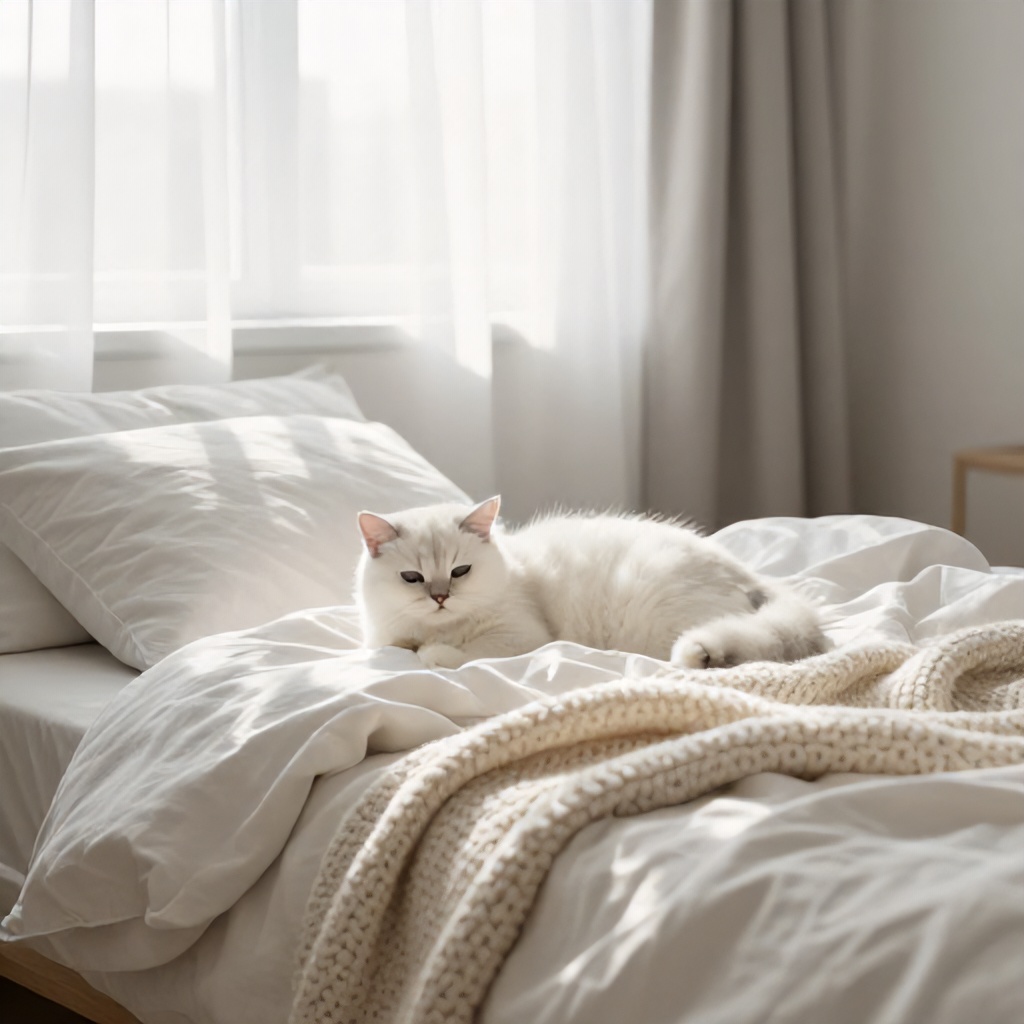
Modern bedroom interior design has shifted away from the heavy, dark furniture of previous decades. People want a home sanctuary. They want a place where the morning light feels like a soft filter. When you combine a neutral color palette with soft bedding, you create a backdrop that allows the small details—the curve of a cat’s tail, the weave of a textured throw blanket—to become the focal point. It is about quietness. It is about a serene environment that supports rest.
Choosing the Perfect Neutral Palette
White is never just white. In a bright bedroom, the wrong shade of white can look like a hospital room or a yellowed attic. To get that airy, Scandi style, you need to layer different tones of cream, eggshell, bone, and very light grey. This layering prevents the room from looking flat. A white cat often has subtle variations in its fur, and your room should mimic that natural depth.
Consider the direction your windows face before picking paint. North-facing rooms receive cooler, bluish light. In these spaces, a warm-toned white with a hint of peach or yellow will prevent the room from feeling chilly. South-facing rooms are flooded with golden light. These can handle cooler, crisper whites without feeling sterile. You want the walls to disappear so the focus remains on the cozy textiles and the living elements in the room.
The Importance of Off-Whites
Pure, brilliant white is often too harsh for a bedroom. It reflects too much light and can cause eye strain during a relaxed morning. Instead, look for “greige” or “stone” shades for your larger furniture pieces or rugs. These mid-tones bridge the gap between the bright bed linens and the floor. They ground the room. They provide a place for the eye to rest.
The Art of the Unmade Bed
There is a significant difference between a messy bed and an artfully unmade one. The goal is to look like you just stepped out of the frame of a high-end lifestyle magazine. This requires high-quality bed linens. Linen is the preferred fabric here because it possesses a natural, structural wrinkle that looks intentional. Unlike cotton percale, which can look sloppy when wrinkled, linen maintains a certain weight and elegance even when tossed aside.
Layering is the secret to the “cloud-like” bed. Start with a fitted sheet in a crisp white, then add a duvet cover in a slightly different shade, like oatmeal or very pale sand. Top it with a chunky knit textured throw blanket at the foot. When the cat jumps up, the different layers of fabric compress and shift, creating shadows and highlights that look beautiful in photographs. It feels tactile. It feels real.
Selecting Pet-Friendly Fabrics
Living with a long-haired feline requires some practical thinking regarding textiles. Avoid delicate silks or loose-weave fabrics that claws can easily snag. Tight-weave cotton sateen or durable linen are better choices. White bedding is actually a strategic choice for owners of white cats. The shedding is almost invisible against the pale fabric. You won’t spend your entire morning with a lint roller in hand. Instead, you can enjoy the aesthetic without the constant maintenance that a dark navy or charcoal duvet would demand.
Integrating Indoor Greenery and Natural Elements
A neutral room needs life to feel complete. Houseplants provide a necessary pop of color that doesn’t break the minimalist home decor vibe. The green of a leaf is a neutral in the world of design. It goes with everything. Large-leafed plants like a Monstera or a Fiddle Leaf Fig create bold silhouettes against white walls. Smaller plants, like a string of pearls or a snake plant, work well on nightstands.
Natural wood tones also help to warm up a white-on-white decor scheme. A light oak or birch nightstand provides a subtle contrast to the soft bedding. Look for furniture with clean lines and matte finishes. Avoid high-gloss surfaces, which can reflect too much ambient lighting and create distracting glares. The goal is a comfortable living space that feels connected to the outdoors.
- Choose non-toxic plants if your cat likes to chew on leaves.
- Use terracotta or ceramic pots in muted, earthy tones.
- Place plants at varying heights to draw the eye around the room.
Mastering Morning Light and Ambient Lighting
Lighting is the most influential factor in how a bedroom feels. For the “bright and airy” look, maximize natural morning light. Sheer linen curtains are ideal. They provide privacy while still allowing a soft, diffused glow to fill the space. This light catches the fluff of the cat’s coat and the texture of the pillows, creating that ethereal, hygge lifestyle quality.
As the sun sets, you need a different strategy. Avoid overhead “big lights” which are often too harsh and clinical. Use ambient lighting instead. Small lamps with warm-toned bulbs create a cozy glow. Position them at eye level when you are sitting in bed. This mimics the warmth of a candle and signals to your brain that it is time to wind down. If you have a white cat, this warm light will make their fur look golden and soft, enhancing the tranquil bedroom atmosphere.
Living with a Long-Haired Feline
A long-haired feline is a beautiful addition to a home sanctuary, but they do require a routine to keep the aesthetic bedroom looking its best. Regular grooming is the first step. Brushing your cat daily reduces the amount of loose fur that ends up on your bed linens. It also prevents matting, which keeps the cat looking as “fluffy” as the decor requires.
Keep a small basket nearby for pet toys. Minimalist home decor often fails when pet clutter takes over. By having a designated, aesthetically pleasing spot for catnip mice and wands, you maintain the serene environment. Choose pet accessories that match your color palette. A grey felt cat bed or a wooden scratching post will blend into the room much better than a bright purple plastic alternative.
- Brush the cat daily to minimize shedding on white sheets.
- Use a high-quality vacuum with a HEPA filter for dander.
- Wash bedding weekly in warm water with a gentle, scent-free detergent.
- Keep a dedicated pet blanket on one corner of the bed to catch the majority of the fur.
Interior Styling for a Serene Environment
The “less is more” philosophy is vital here. Clutter is the enemy of tranquility. On your nightstands, keep only the essentials: a book, a carafe of water, and perhaps a single candle. This lack of visual noise allows the textures of the room—the wood grain, the fabric weave, the cat’s fur—to speak louder. Interior styling in a neutral room is about the “edit.” If an item doesn’t serve a purpose or bring a sense of calm, it probably belongs in a drawer.
Use mirrors to bounce light into darker corners. A large, floor-length mirror with a thin frame can make a small bedroom feel twice as large. It also provides a different angle to view your styled space. When the cat moves across the bed, the reflection adds a sense of life and energy to the entire room. It creates a dynamic yet peaceful environment.
The Practicality of White Decor
Many people avoid white because they fear stains. In reality, white is one of the easiest colors to maintain. You can bleach white cotton. You can use oxygen-based whiteners to keep linens bright without damaging the fibers. If a cat tracks a bit of dirt onto a white duvet, it is much easier to treat that specific spot than it is to worry about fading a dark-colored fabric through repeated washing. White shows you exactly where the dirt is, which often leads to a cleaner living environment overall.
Choose slipcovered furniture if possible. A white armchair or a fabric headboard is much less intimidating when you know you can strip the cover off and throw it in the wash. This pet-friendly home approach ensures that you don’t have to choose between a beautiful aesthetic and the reality of owning an animal. You can have both.
Creating a Home Sanctuary
The ultimate goal of this design style is to create a home sanctuary that feels restorative. We spend a third of our lives in bed. The environment should reflect a commitment to rest. When you see a fluffy white cat curled up on a pile of soft, neutral blankets, your brain registers a “safe” space. It is an invitation to slow down. The Scandi style and hygge lifestyle are built on this foundation of comfort and simplicity.
The unmade bed suggests that the room is used and loved. It isn’t a showroom. It is a place where someone—and their cat—actually lives. That authenticity is what makes the image so appealing to the Pinterest audience. It feels attainable. It feels like a quiet Saturday morning that never has to end. By focusing on quality textiles, smart lighting, and a few well-placed natural elements, you can turn a standard bedroom into a serene retreat that looks as good as it feels.
Texture is the final word. Without it, a neutral room is boring. With it, a neutral room is a sensory experience. The softness of the cat, the roughness of a jute rug, the coolness of linen sheets, and the warmth of the sun all work together. They create a balance. They make the space feel complete. Stop worrying about making the bed perfectly. Let the pillows fall where they may. Let the cat find the sunspot. That is where the real beauty of a home lies.