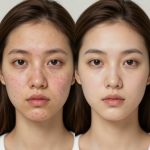
Applying your skincare products in the correct sequence ensures each one works its best, allowing active ingredients to penetrate effectively and deliver visible results to your skin.
Why Order Matters: The Science Behind Layering
The order in which you apply your various skincare products isn’t just a suggestion; it’s a fundamental principle rooted in how your skin absorbs and utilizes different formulations. Think of your multi-step skincare routine as building blocks, where each layer prepares the skin for the next, maximizing the benefits of your entire skincare collection.
Penetration and Absorption
Ingredients need to reach their target depth within the skin to be effective. Products formulated with smaller molecules or lighter textures, like serums and essences, are designed to penetrate more deeply. Heavier, occlusive products, such as thick moisturizers or face oils, create a barrier that can prevent lighter products from getting through if applied first. This strategic product arrangement ensures that potent actives can do their job before being sealed in by protective layers.
Preventing Pilling and Ineffectiveness
Incorrect layering can lead to a phenomenon known as “pilling,” where products rub off into tiny balls on your skin. This happens when formulations don’t absorb properly or when incompatible ingredients are applied too quickly one after another. Beyond the aesthetic inconvenience, pilling indicates that your products aren’t absorbing, rendering them less effective. Following a logical product sequence also prevents active ingredients from neutralizing each other or causing irritation, which can occur when certain chemicals are mixed improperly or in the wrong order.
The Foundational Steps: Cleansing and Prepping
Every effective beauty regimen begins with a clean slate. These initial steps are crucial for removing impurities and preparing your skin to receive the beneficial ingredients from subsequent treatments in your skincare set.
The Double Cleanse: A Deeper Clean
A double cleanse, particularly beneficial in the evening, involves two distinct cleaning phases. The first step uses an oil-based cleanser, balm, or micellar water to dissolve makeup, sunscreen, and excess sebum. These oil-soluble impurities are effectively lifted without stripping the skin. After rinsing, the second step employs a water-based cleanser (gel, foam, or cream) to wash away any remaining residue and cleanse the skin itself. This thorough approach ensures your skin is impeccably clean, creating an ideal canvas for the rest of your daily skincare application order. It’s a key part of your personal care products routine.
Toner: Balancing and Prepping
After cleansing, toner is the next product in your beauty sequence. Modern toners are far from the harsh, alcohol-laden formulas of the past. Today’s toners are designed to hydrate, balance the skin’s pH, and deliver a quick dose of beneficial ingredients. They help remove any last traces of cleanser or hard water minerals, making your skin more receptive to the active ingredients that follow. Applying toner with a cotton pad or patting it directly onto the skin helps optimize absorption of your subsequent skincare products.
Targeted Treatments: Serums and Actives
Once your skin is clean and prepped, it’s time for the heavy hitters – the concentrated treatments designed to address specific skin concerns. These are typically lighter in texture and packed with potent ingredients.
Essences: A Hydrating Boost
Popularized by K-beauty, essences are lightweight, watery formulas that provide an extra layer of hydration and often contain fermented ingredients or active compounds. They are applied after toner and before serums. Essences help replenish moisture, making the skin plump and ready to absorb serums more effectively. Think of them as a pre-serum treatment, enhancing the overall efficacy of your cosmetic products.
Serums: Your Skin’s Problem Solvers
Serums are highly concentrated formulas targeting specific concerns like fine lines, hyperpigmentation, acne, or dullness. Because of their small molecular size and potent active ingredients (like Vitamin C, hyaluronic acid, niacinamide, or peptides), they are designed to penetrate deeply into the skin. Serums should be applied to clean, toned skin, typically before heavier creams. A few drops are usually sufficient, gently pressed or patted onto the face and neck. If you use multiple serums, apply the thinnest one first, then move to thicker textures. This crucial step in your beauty routine steps allows the most potent ingredients to reach their destination without obstruction.
Spot Treatments: Direct Action
Spot treatments, usually for acne or specific blemishes, contain concentrated active ingredients like salicylic acid or benzoyl peroxide. These should be applied directly to the affected area after your serums but before your moisturizer. Applying them earlier ensures they can work directly on the blemish without being diluted or blocked by subsequent layers. This targeted topical application is highly effective for localized concerns.
Hydration and Protection: Moisturizers and SPF
These final steps in your morning skincare routine are about sealing in all the goodness you’ve applied and protecting your skin from environmental damage throughout the day.
Eye Cream: Delicate Care
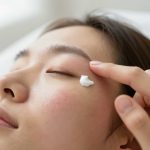
The skin around your eyes is thinner and more delicate than the rest of your face, making it prone to dryness, fine lines, and puffiness. Eye cream is specifically formulated for this sensitive area. It should be applied after serums but before your main facial moisturizer. Use a small amount, gently patting it around the orbital bone with your ring finger. This ensures the specialized ingredients address concerns without overloading the delicate skin.
Moisturizer: Sealing the Goodness
Moisturizer is the cornerstone of hydration, forming a protective barrier that locks in moisture and the active ingredients from your previous steps. It also helps to strengthen the skin’s natural barrier function. Apply moisturizer after all your treatments and eye cream. Choose a formula appropriate for your skin type – lighter gels or lotions for oily skin, richer creams for dry skin. This final layer in your product order ensures your skin stays supple and protected throughout the day, completing your cosmetic collection application.
Sunscreen: The Non-Negotiable Shield
Sunscreen is the absolute final step in your morning multi-step skincare routine, no exceptions. It creates a physical or chemical barrier against harmful UV rays, preventing premature aging, sun damage, and reducing the risk of skin cancer. Apply a generous amount evenly over your face, neck, and any exposed skin at least 15-20 minutes before sun exposure. Sunscreen should always be the last product because its purpose is to sit on top of the skin, forming a protective shield. Applying other products over it would dilute its effectiveness and compromise its protective film. This is the most important part of your daily skincare for long-term skin health.
Nighttime Nuances: What Changes After Dark
Your evening beauty regimen differs from your morning routine because your skin goes into repair mode while you sleep. This is the ideal time to apply potent treatments that might be too strong for daytime use or that don’t mix well with sun exposure.
Retinoids and AHAs/BHAs: Potent Nighttime Allies
Retinoids (like retinol, retinaldehyde, or tretinoin) and chemical exfoliants (Alpha Hydroxy Acids like glycolic acid or Lactic Acid, and Beta Hydroxy Acids like salicylic acid) are powerful ingredients known for their anti-aging, acne-fighting, and skin-renewing properties. Because they can increase sun sensitivity and some degrade in sunlight, they are best applied in the evening. After cleansing and toning, apply your chosen retinoid or AHA/BHA product. Allow it to fully absorb for a few minutes before proceeding with other steps. If you use both, alternate nights to avoid irritation, or consult a dermatologist for guidance on layering. These are significant components of a targeted skin regimen.
Overnight Masks: Extra Nourishment
Overnight masks are typically applied as the very last step in your nighttime routine, after all other serums and moisturizers. They are designed to deliver a concentrated dose of hydration and active ingredients over several hours, creating a protective barrier that helps prevent moisture loss. You leave them on while you sleep and rinse them off in the morning. This product layering provides an intense boost of nourishment, especially beneficial for dry or fatigued skin.
Special Considerations: Masks, Oils, and Eye Creams
Some skincare products don’t fit neatly into a daily sequence but have specific placement within your overall beauty routine steps.
Face Oils: When and How to Use
Face oils are versatile and can be used in a few ways. If you have dry skin, you might apply a few drops of oil after your serum but before your moisturizer, especially if your moisturizer is lighter. Alternatively, oils can be mixed into your moisturizer to boost its emollient properties. For very rich oils or those primarily used to seal in moisture, they can be the very last step in your routine, applied after moisturizer, particularly at night. The general rule for product order is “oil before cream” if the oil is meant to deliver active ingredients, or “oil after cream” if it’s primarily an occlusive layer to lock everything in. Pay attention to the texture of your specific tubes and bottles.
Sheet Masks and Wash-Off Masks: Timing is Everything
Sheet masks and wash-off masks are typically used after cleansing and toning, similar to how you’d apply a serum or essence. They deliver a concentrated burst of ingredients. For a wash-off mask, apply it to clean skin, leave it on for the recommended time, then rinse. Follow with toner, serums, and moisturizer. For a sheet mask, apply it to clean, toned skin, leave it on, then remove and pat the remaining essence into your skin. You can then skip your regular essence or serum and proceed directly to eye cream and moisturizer. These are fantastic additions to your skincare collection for an occasional boost.
Consistency is Key: Making Your Routine Work
Understanding the multi-step skincare routine product application order is a significant step, but the true power lies in consistent, thoughtful application. Your skin thrives on regularity, and building a habit around your product arrangement will yield the best long-term results.
Listen to Your Skin
While there’s a general guide for product sequence, remember that your skin is unique. Pay attention to how your skin reacts to different products and layering. Some days, your skin might need less, other days more. Adjust your skincare collection based on seasonal changes, environmental factors, or specific concerns that arise. For example, on humid days, you might opt for lighter textures, while in dry winter months, richer creams and oils become essential. This flexibility ensures your beauty products are always working optimally for you.
Building Your Personal Skincare Collection
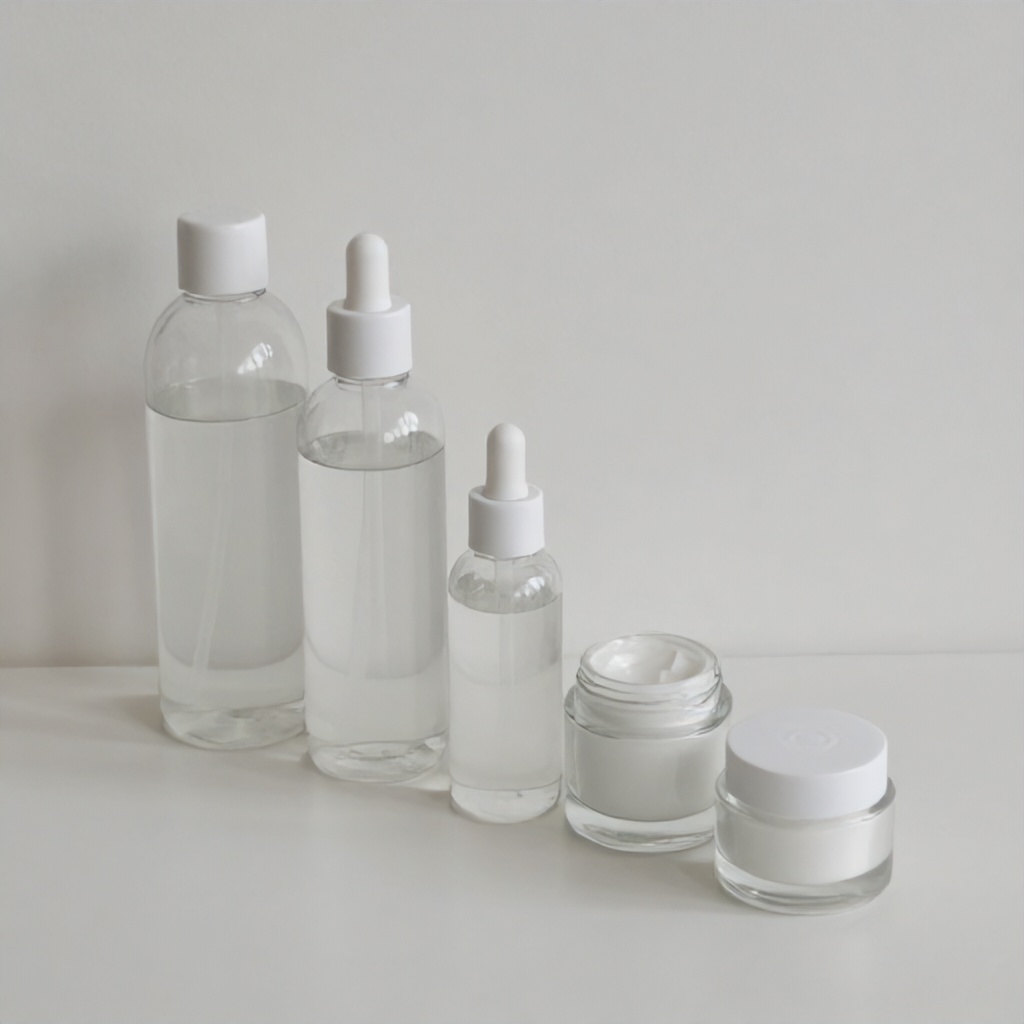
You don’t need every single product mentioned to have an effective beauty regimen. Start with the basics – cleanser, moisturizer, and sunscreen – and gradually introduce targeted treatments like serums or essences as needed. Prioritize quality over quantity, and choose products with ingredients that address your specific skin concerns. Organizing your tubes, bottles, and jars in the order you use them can make your daily skincare application order feel more intuitive and less like a chore, turning it into a mindful ritual. A well-organized skincare set makes your routine a pleasure.