DIY Peel-Off Face Mask for Blackhead Removal and Pore Minimization
This DIY peel-off face mask recipe is designed to help tackle blackheads and minimize the appearance of pores, using simple ingredients you might already have in your kitchen.
I’m in a DIY skincare phase, which includes making my own body scrubs, hand-crafted lip scrubs, and homemade face masks. Based on the countless recipes for the best at-home face masks floating around on the internet, I’m not the only one.
“If you make the right one, it can be a luxurious, sensorial, feel-good experience in every way,” says Varuni Palacios, esthetician and founder of Studio Varuni in Los Angeles. However, she warns you should always check in with your dermatologist first. If you have a specific skin concern, you should stick to “products that are professionally formulated and clinically tested for effectiveness,” she says.
Board-certified dermatologist Marisa Garshick, MD, FAAD, agrees, explaining, “It is unknown how effective the masks will be and there is always a concern for potential side effects such as irritation, scarring, and discoloration.”
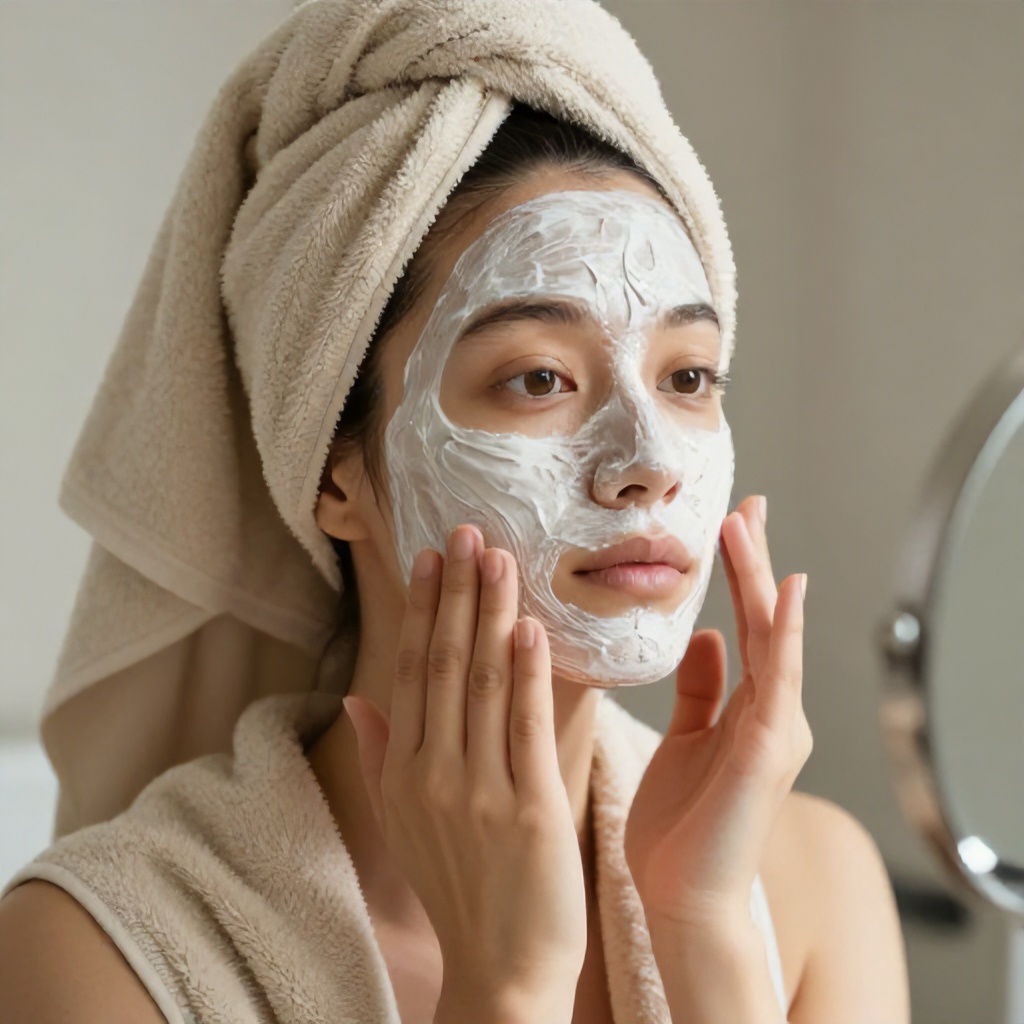
To avoid potential side effects, Palacios recommends patch-testing your homemade mask, refrigerating it so it doesn’t spoil, and double-cleansing before application. She also advises keeping recipes simple and opting exclusively for fresh, clean, organic, whole ingredients, which are less likely to irritate your skin.
With that in mind, Palacios and Dr. Garshick provided recipes for the best homemade face masks for every skin concern, from hyperpigmentation to oiliness.
Why a Peel-Off Mask?
Peel-off masks are popular because they offer a satisfying removal process that can feel like it’s pulling out impurities. When formulated correctly, they can help lift away surface-level dead skin cells and debris that contribute to clogged pores and a dull complexion. The act of peeling can also provide a gentle exfoliation.
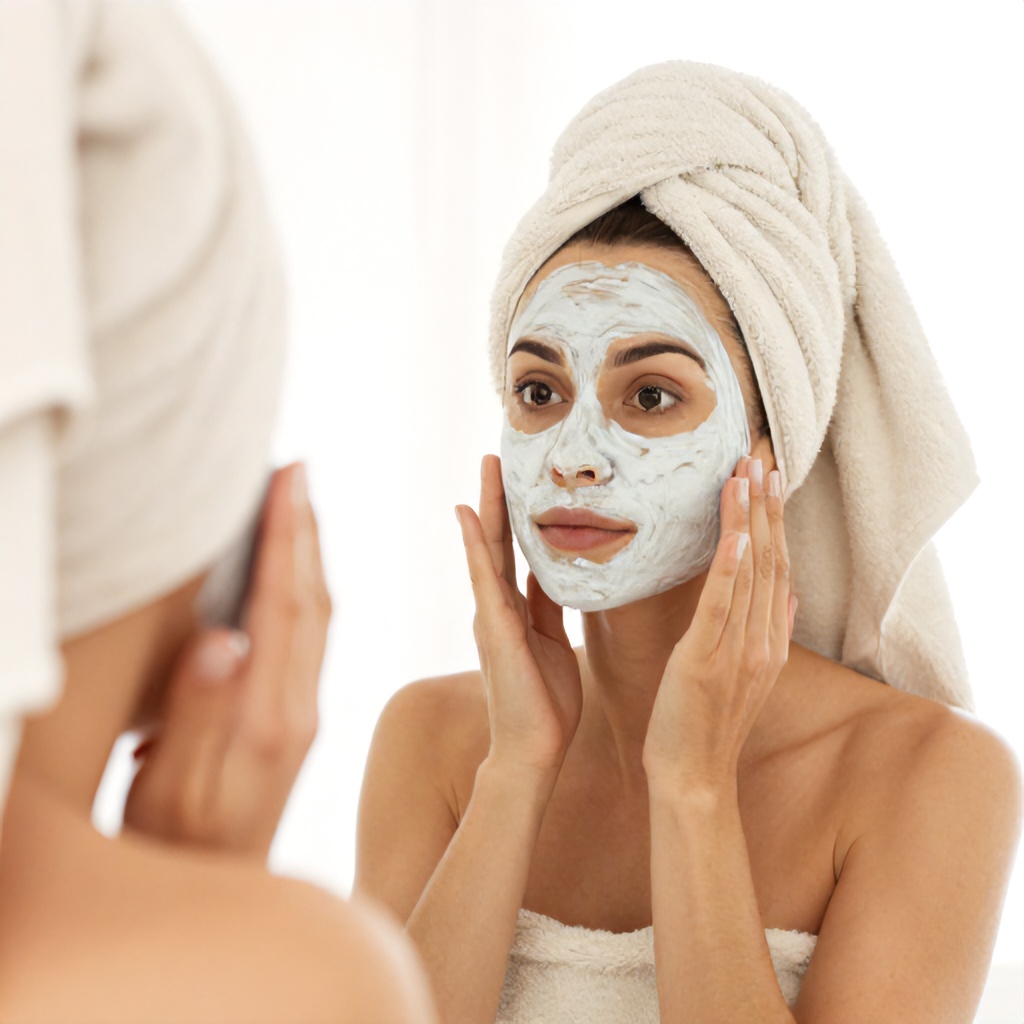
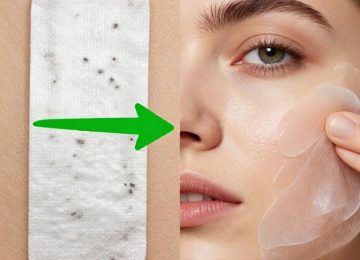
For those struggling with blackheads, the sticky nature of a peel-off mask can adhere to the tiny plugs of sebum and dead skin that form these common blemishes. When you peel the mask away, it can take some of these offenders with it, leading to visibly clearer pores. This can be particularly helpful for managing oiliness and preventing future breakouts.
The Ingredients and Their Magic
For this specific blackhead-busting, pore-minimizing mask, we’re focusing on a few key players that work together:
Egg Whites: The Binding Powerhouse
Egg whites are the foundation of many DIY peel-off masks. Their protein structure creates a film that dries taut on the skin. As this film tightens, it can grip onto dirt, oil, and dead skin cells. When you peel it off, it takes these impurities along for the ride. They also contain lysozyme, an enzyme that can help break down bacteria.
Activated Charcoal: The Deep Cleaner
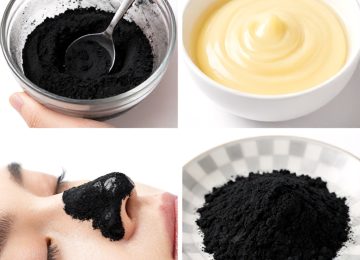
This is where the “blackhead removal” magic truly happens. Activated charcoal is known for its porous structure, which allows it to bind to impurities. Think of it like a tiny sponge that can soak up excess oil, toxins, and debris from deep within your pores. It’s a fantastic ingredient for drawing out the gunk that leads to blackheads and enlarged pores.
Lemon Juice: The Brightener and Astringent
A small amount of lemon juice can add a few benefits. It contains citric acid, a natural alpha-hydroxy acid (AHA) that helps to exfoliate the skin, shedding dead skin cells that can clog pores. Lemon juice also has natural astringent properties, which can help temporarily tighten the skin and make pores appear smaller. Plus, its Vitamin C content can offer a brightening effect, helping to fade acne marks over time.
Your Simple DIY Peel-Off Mask Recipe
This recipe is designed to be straightforward and effective. Remember, consistency is key with any skincare routine, especially when addressing persistent skin concerns.

What You’ll Need:
- 1 large egg white
- 1 teaspoon activated charcoal powder (food-grade is best)
- 1/2 teaspoon fresh lemon juice (strained to remove pulp)
Instructions:
- Prepare Your Workspace: Make sure your hands and all utensils are clean. You’ll want to work in a clean area.
- Mix the Base: In a small bowl, whisk the egg white until it’s slightly frothy. You don’t need to whip it into stiff peaks, just enough to break it up.
- Add the Powerhouses: Gently stir in the activated charcoal powder and the strained lemon juice. Mix until you have a smooth, consistent paste. It should be thick enough to coat your skin without dripping excessively.
- Cleanse Your Face: Before applying any mask, it’s essential to start with a clean canvas. Double-cleansing is ideal here. Wash your face with your regular cleanser to remove makeup and surface dirt, then follow with a gentle cleanser to ensure all impurities are gone. Pat your skin dry gently.
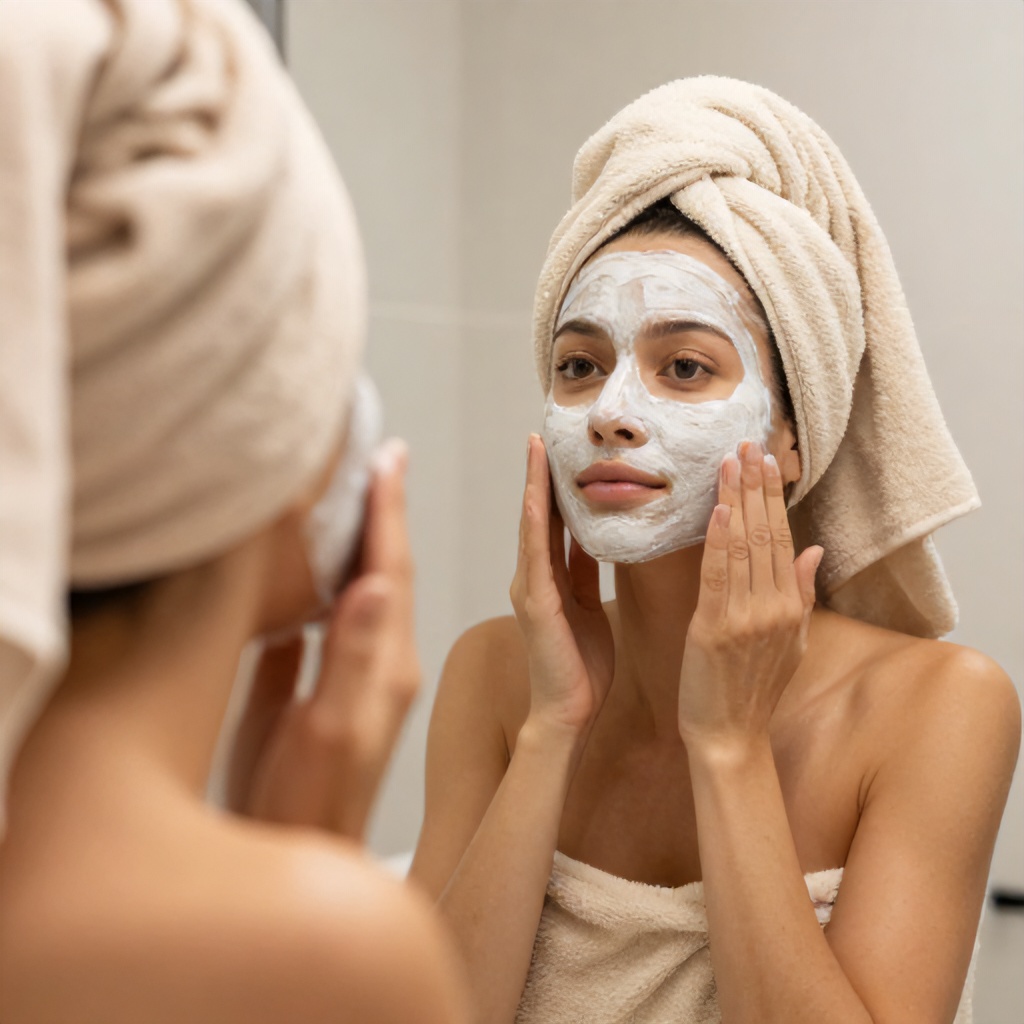
- Apply the Mask: Using a clean brush or your fingertips, apply an even layer of the mask to your face, avoiding the delicate eye area and lips. Focus on areas where you tend to get the most blackheads, like your nose, chin, and forehead. You might want to apply a second layer once the first has slightly dried for better grip.
- Let It Dry: This is the crucial waiting game. Allow the mask to dry completely. This can take anywhere from 15 to 30 minutes, depending on the thickness of your application and humidity. The mask should feel tight and stiff on your skin when it’s ready.
- The Peel: Once fully dry, gently peel the mask off starting from the edges. You can use your fingertips to lift an edge and then slowly pull the mask away from your skin. It might sting a little as it lifts impurities, which is normal.
- Rinse and Moisturize: After removing the mask, rinse your face with lukewarm water to remove any lingering residue. Pat your skin dry and follow up immediately with your favorite moisturizer. This is important to rehydrate your skin after the tightening and peeling process.
Why This Works for Blackheads and Pores
The combination of ingredients in this DIY mask is specifically chosen to target the issues that lead to blackheads and enlarged pores. The egg white provides the peel-off mechanism, while activated charcoal acts as a magnet for dirt and oil trapped within the pores. The lemon juice contributes by gently exfoliating and offering a temporary tightening effect, making pores appear less noticeable. This process can lead to visibly clearer skin with a smoother texture.
Important Considerations and Potential Side Effects
While DIY skincare can be rewarding, it’s crucial to approach it with caution. Not all ingredients are suitable for every skin type, and homemade concoctions lack the rigorous testing of professionally formulated products.
Always remember that your skin is unique. What works wonders for one person might cause irritation for another. If you have sensitive skin, a history of allergic reactions, or specific skin conditions like rosacea or eczema, it’s best to consult with a dermatologist before trying any new DIY treatments.
Potential side effects from homemade masks can include:
- Irritation: Ingredients like lemon juice can be too acidic for some skin types, leading to redness, stinging, or burning.
- Scarring or Discoloration: Aggressive peeling or the use of harsh ingredients can sometimes lead to post-inflammatory hyperpigmentation (dark spots) or even scarring, especially if the skin is already compromised.
- Allergic Reactions: Even natural ingredients can trigger allergies.
Patch-Testing is Non-Negotiable: Before applying the mask to your entire face, always perform a patch test. Apply a small amount of the mixture to an inconspicuous area, like behind your ear or on your inner forearm. Wait 24 hours to see if any redness, itching, or irritation occurs. If you experience any adverse reaction, do not use the mask on your face.
Keep it Simple: Stick to a few high-quality, whole ingredients. Over-complicating recipes increases the risk of irritation.
Freshness Matters: Because this mask contains fresh ingredients like egg whites, it’s best to make it fresh each time you use it. Do not store leftovers, as they can spoil and harbor bacteria.
When to See a Professional
If you’re dealing with persistent acne, severe blackheads, or other significant skin concerns, a DIY mask might not be enough. Dermatologists and estheticians have access to clinically tested treatments and professional-grade ingredients that can offer more targeted and effective solutions. Ingredients like salicylic acid, benzoyl peroxide, and retinol are often recommended by professionals for their proven ability to unclog pores, reduce inflammation, and improve skin clarity. For issues like hyperpigmentation or stubborn acne marks, professional treatments can be much more efficient.
Can I use this mask if I have dry skin?
While the egg white and charcoal are beneficial for oil absorption, the lemon juice can be drying. If you have dry skin, you might want to reduce the amount of lemon juice or omit it altogether. Consider adding a drop of a nourishing oil like jojoba or almond oil to the mixture instead.
How often can I use this peel-off mask?
For most skin types, using this mask once a week is sufficient. Over-exfoliating or over-peeling can strip your skin of its natural oils, leading to irritation and potentially more oil production. Listen to your skin and adjust frequency as needed.
What if the mask is too hard to peel off?
If the mask is difficult to remove, it might be too dry. Try applying a warm, damp washcloth to your face for a minute to soften the mask before attempting to peel again. This can help loosen its grip and make removal more comfortable.
Can this mask help with acne scars?
While this mask can help prevent new breakouts by keeping pores clear, it’s not specifically designed to treat existing acne scars or hyperpigmentation. For those concerns, ingredients like Vitamin C, niacinamide, or professional treatments are generally more effective. Pumpkin puree and Greek yogurt, for instance, are often used in masks for their exfoliating and brightening properties, which can help with mild marks.
Is activated charcoal safe for all skin types?
Activated charcoal is generally safe for most skin types, including oily and acne-prone skin. However, its strong absorptive properties can be drying for very dry or sensitive skin. Always patch-test and consider using it less frequently if you have drier skin.
What’s the difference between this DIY mask and a store-bought one?
Professionally formulated masks are typically made with a blend of scientifically researched ingredients that are stabilized and delivered in a way that maximizes efficacy and minimizes the risk of irritation. They undergo rigorous testing for safety and effectiveness. DIY masks rely on readily available ingredients, which can be effective but may lack the precision and consistency of commercial products. You also don’t have the benefit of clinically tested claims with a homemade version.
Can I add other ingredients to this mask?
While it’s tempting to add more, it’s best to keep DIY recipes simple, especially when starting. Adding too many ingredients can increase the risk of irritation or unexpected reactions. If you want to target other skin concerns, consider making a separate mask specifically for those issues.
What are some alternatives to lemon juice?
If lemon juice is too harsh, you can try a small amount of apple cider vinegar (diluted) or plain yogurt for its lactic acid content. These offer exfoliating benefits with potentially less risk of irritation for some individuals.
How can I prevent breakouts after using a peel-off mask?
The key is proper post-mask care. Always rinse thoroughly, apply a hydrating moisturizer, and avoid using other harsh exfoliating products on the same day. Ensure your skin is clean before applying the mask to prevent pushing dirt further into pores.
Does this mask help with whiteheads?
This mask is primarily formulated for blackheads, which are open pores filled with sebum and dead skin that oxidize and turn black. While it can help clear out pores generally, it might not be as effective for whiteheads, which are closed comedones. For whiteheads, treatments that focus on reducing inflammation and promoting cell turnover are often more beneficial.
What does “double-cleansing” mean?
Double-cleansing is a two-step process to thoroughly clean your face. The first step typically involves using an oil-based cleanser or micellar water to break down makeup, sunscreen, and excess sebum. The second step uses a water-based cleanser (like a gentle foaming or gel cleanser) to wash away any remaining impurities and residue. This ensures your skin is completely clean before applying treatments or masks.
What are “organic ingredients” versus “whole ingredients” in skincare?
Organic ingredients are grown without synthetic pesticides, herbicides, or fertilizers. Whole ingredients refer to ingredients in their natural, unprocessed state, as close to their original form as possible. In DIY skincare, using both organic and whole ingredients means you’re opting for the purest, most natural forms of the components, which can be gentler on the skin and reduce the likelihood of exposure to synthetic additives.
How does lactic acid help the skin?
Lactic acid is an alpha-hydroxy acid (AHA) that works by dissolving the bonds between dead skin cells. This allows them to be easily exfoliated away, revealing smoother, brighter skin underneath. It also has humectant properties, meaning it can attract and retain moisture, helping to hydrate the skin. It’s often found in yogurt and is gentler than some other AHAs.
What is salicylic acid commonly used for?
Salicylic acid is a beta-hydroxy acid (BHA) that is oil-soluble. This unique property allows it to penetrate deep into pores to dissolve sebum and dead skin cells, making it highly effective for unclogging pores and treating acne and blackheads. It also has anti-inflammatory properties.
What about benzoyl peroxide and retinol?
Benzoyl peroxide is a powerful ingredient known for its ability to kill acne-causing bacteria and reduce inflammation. It’s often used in spot treatments and cleansers for moderate to severe acne. Retinol, a derivative of Vitamin A, is a potent ingredient that speeds up cell turnover, unclogs pores, reduces inflammation, and can improve the appearance of fine lines and hyperpigmentation over time. Both are highly effective but can be drying and require careful use, often under the guidance of a dermatologist.
What does “inflammation” refer to in skincare?
Inflammation in skincare typically refers to the skin’s response to irritation, injury, or infection. It can manifest as redness, swelling, heat, and sometimes pain. In the context of acne, inflammation is a key component, as bacteria and blockages trigger an inflammatory response. Ingredients that are anti-inflammatory help to calm this redness and irritation.
How does Manuka honey benefit the skin?
Manuka honey is a special type of honey known for its potent antibacterial, anti-inflammatory, and wound-healing properties. Its high concentration of methylglyoxal (MGO) gives it unique therapeutic qualities. It can help fight acne-causing bacteria, soothe inflamed skin, and promote healing, making it a valuable ingredient in skincare, especially for acne-prone or sensitive skin.
What causes “acne-causing bacteria”?
The primary culprit is a bacterium called Propionibacterium acnes (P. acnes), which lives on the skin. When pores become clogged with oil and dead skin cells, P. acnes can multiply rapidly within the pore. This overgrowth, combined with the body’s immune response, leads to inflammation, redness, and the formation of pimples, cysts, and other forms of acne.
What are “sun spots” and “acne marks”?
Sun spots, also known as solar lentigines or age spots, are small, darkened patches of skin that appear after prolonged sun exposure. Acne marks, or post-inflammatory hyperpigmentation (PIH), are the dark or red spots left behind after a pimple has healed. Both are forms of discoloration that can affect skin tone and clarity.
How does pumpkin puree help the skin?
Pumpkin puree is rich in vitamins A and C, as well as alpha-hydroxy acids (AHAs). Vitamin C is a powerful antioxidant that helps brighten the skin and fade dark spots. AHAs, like those found naturally in pumpkin, gently exfoliate the skin, helping to improve texture and clarity. This makes pumpkin a great ingredient for masks aimed at brightening and smoothing the skin.
What are the benefits of Greek yogurt in skincare?
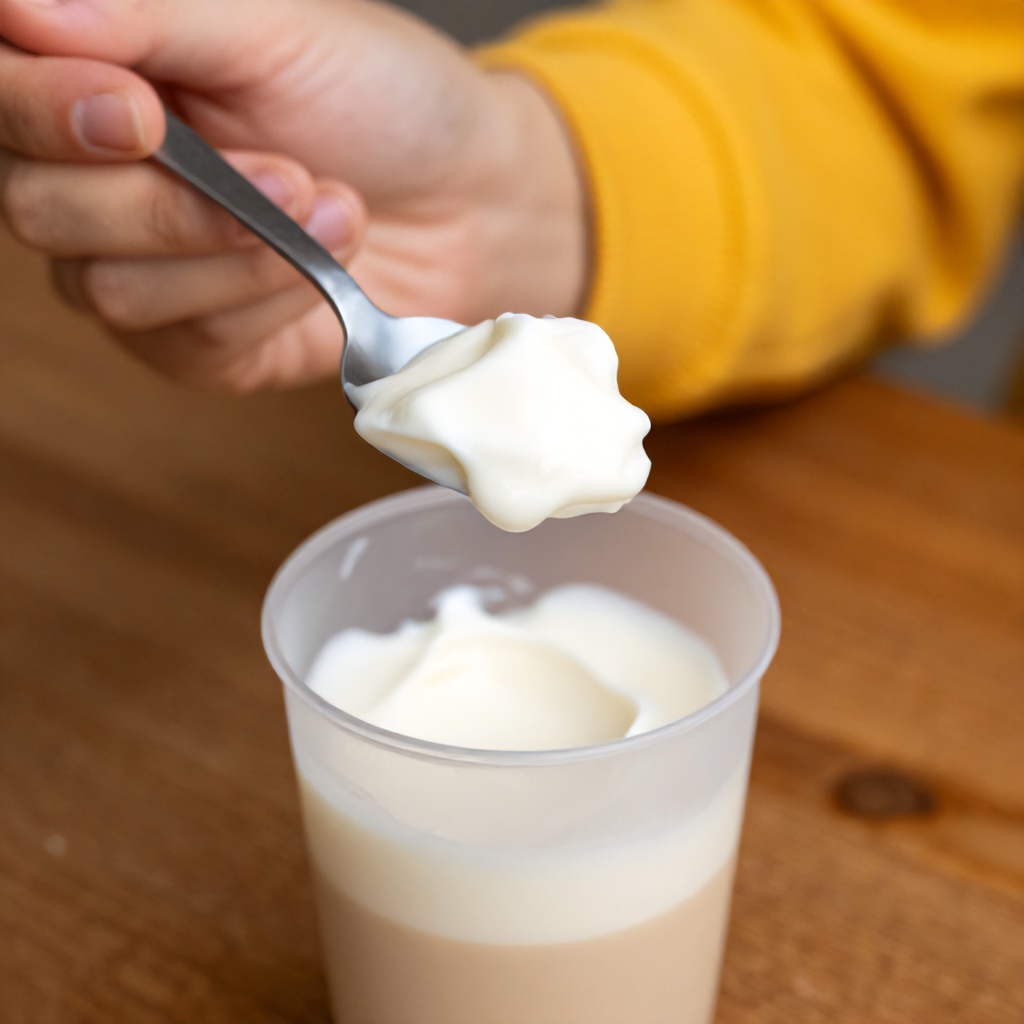
Greek yogurt contains lactic acid, a gentle AHA that exfoliates and hydrates the skin. It also has probiotics, which can help balance the skin’s microbiome. Its cool, creamy texture makes it a soothing base for face masks, and it can help calm inflammation and improve skin texture.
What is “skin clarity”?
Skin clarity refers to the overall appearance of your skin – how clear, smooth, and free from blemishes, redness, and uneven tone it is. Achieving skin clarity often involves managing issues like acne, hyperpigmentation, and oiliness to reveal a more even and radiant complexion.
What does “oiliness” mean in relation to skin type?
Skin that is classified as oily produces an excess amount of sebum, the natural oil produced by the skin’s glands. This can lead to a shiny appearance, enlarged pores, and a higher tendency for breakouts and blackheads. Managing oiliness often involves using ingredients that can absorb excess oil and help regulate sebum production.
What are “breakouts”?
Breakouts are a general term for the appearance of pimples, acne, or blemishes on the skin. They can occur when pores become clogged with oil, dead skin cells, and bacteria, leading to inflammation and visible lesions.
What does it mean to “exfoliate” the skin?
Exfoliation is the process of removing dead skin cells from the surface of the skin. This can be done physically (using scrubs with small particles) or chemically (using ingredients like AHAs and BHAs). Exfoliation helps to reveal brighter, smoother skin, unclog pores, and improve the absorption of skincare products.
What are “dead skin” cells?
Dead skin cells are the outermost layer of skin cells that have completed their life cycle and are no longer functional. They naturally shed from the skin, but sometimes they can accumulate on the surface, leading to a dull complexion, clogged pores, and rough texture. Regular exfoliation helps to remove these accumulated dead skin cells.
What are “dark spots”?
Dark spots, also known as hyperpigmentation, are areas of skin that are darker than the surrounding skin. They can be caused by various factors, including sun exposure, acne scars, hormonal changes, or inflammation. Fading dark spots often involves using ingredients that can inhibit melanin production or promote cell turnover.
What does it mean to “unclog pores”?
Unclogging pores means removing the blockages that form inside them, typically a mixture of sebum (oil), dead skin cells, and sometimes dirt or bacteria. When pores are clogged, they can lead to blackheads, whiteheads, and acne. Ingredients that help dissolve oil and dead skin cells are key to keeping pores clear.
What is “inflammation” in the context of skin?
Inflammation is the body’s natural response to injury or irritation. In skincare, it often refers to redness, swelling, and sensitivity that can occur due to acne, allergic reactions, or environmental factors. Reducing inflammation is important for calming the skin and promoting healing.
What does it mean to “exfoliate dead skin”?
This refers to the process of removing the outermost layer of skin cells that are no longer living. By exfoliating dead skin, you reveal the fresh, new skin cells underneath, leading to a brighter, smoother, and more even complexion. It also helps to prevent dead skin cells from accumulating and clogging pores.
What are “acne-causing bacteria”?
These are microorganisms, primarily Propionibacterium acnes (P. acnes), that thrive in the oily environment of hair follicles and pores. When pores become clogged, these bacteria can multiply, triggering an inflammatory response that leads to the formation of pimples and other acne lesions.
What are “sun spots”?
Sun spots, also known as solar lentigines or age spots, are small, flat, darkened patches on the skin that appear as a result of prolonged exposure to ultraviolet (UV) radiation from the sun. They are a form of hyperpigmentation.
What are “acne marks”?
Acne marks, or post-inflammatory hyperpigmentation (PIH), are the residual dark or red spots left on the skin after an acne lesion has healed. They are not scars but rather a temporary discoloration that can take time to fade.
What are “dark spots”?
Dark spots are a general term for areas of skin that are darker than the surrounding complexion. This can include sun spots, acne marks, melasma, or other forms of hyperpigmentation. They are caused by an overproduction of melanin in localized areas.
What is the difference between “oiliness” and “acne”?
Oiliness refers to the skin’s tendency to produce excess sebum, which can lead to a shiny appearance and enlarged pores. Acne, on the other hand, is a condition that occurs when pores become clogged with oil, dead skin cells, and bacteria, leading to inflammation and blemishes like pimples and blackheads. While oily skin is often more prone to acne, they are distinct concerns.
What is “lactic acid” and where is it found?
Lactic acid is a type of alpha-hydroxy acid (AHA) known for its gentle exfoliating and hydrating properties. It’s naturally found in dairy products like milk and yogurt, and it’s also produced by the body. In skincare, it helps to dissolve the bonds between dead skin cells, revealing smoother, brighter skin and attracting moisture.
What is “salicylic acid” and how does it work?
Salicylic acid is a beta-hydroxy acid (BHA) that is oil-soluble. This means it can penetrate deep into pores to dissolve sebum and dead skin cells, effectively unclogging pores and treating conditions like blackheads and acne. It also has anti-inflammatory properties.
What is “benzoyl peroxide” used for?
Benzoyl peroxide is an antimicrobial agent that is highly effective at killing the bacteria that cause acne (P. acnes). It also helps to reduce inflammation and can aid in the shedding of dead skin cells. It’s a common ingredient in acne treatments, available in various strengths.
What is “retinol”?
Retinol is a type of retinoid, derived from Vitamin A. It’s a powerful skincare ingredient that works by increasing cell turnover, stimulating collagen production, and unclogging pores. It’s used to treat acne, reduce the appearance of fine lines and wrinkles, and improve skin texture and tone. Retinol can be potent and may cause initial dryness or irritation.