Does Wall Pilates Work for Weight Loss and Muscle Toning?
Wall Pilates is a highly effective, low-impact workout that uses a vertical surface to provide resistance and stability. By pressing against a wall, you engage your transverse abdominis and deep core muscles in ways that standard floor exercises often miss. This method mimics the support of a Pilates Reformer, allowing you to focus on precise movements that build lean muscle and improve postural alignment. When paired with a consistent caloric deficit, this practice serves as a powerful tool for weight management and body toning.
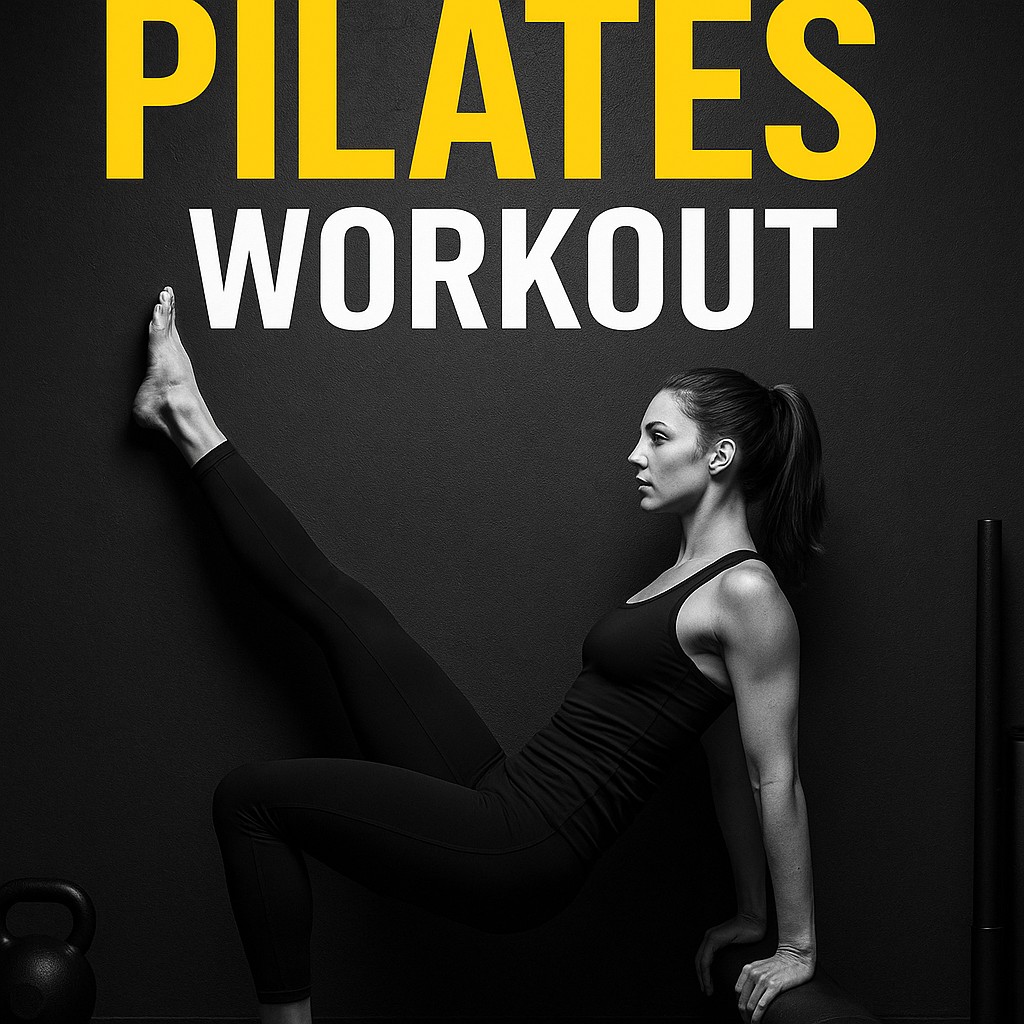
Many people find high-intensity interval training or heavy lifting sessions difficult to sustain due to joint pain or burnout. Wall Pilates offers a different path. It prioritizes functional fitness and muscle endurance rather than just raw power. Because the wall provides a fixed point of contact, you can perform isometric exercises with better form, which is essential for long-term progress. You do not need expensive equipment or a gym membership to see results. A blank wall and a small patch of floor space are all that is required to begin.
The Science Behind the Wall
The core of this fitness trend lies in the mind-body connection. When you use a wall for support, you remove the instability that often causes people to compensate with the wrong muscle groups. For example, during a standard floor bridge, it is easy to arch your lower back and strain your spine. By placing your feet against a wall, you force your glute activation to take center stage. This creates a more controlled environment for muscle recruitment.
Resistance training does not always require heavy iron plates or dumbbells. Bodyweight resistance, when applied against a solid, immovable object like a wall, creates a unique tension. This tension helps in building lean muscle mass, which in turn boosts your resting metabolic rate. While you might not burn as many calories in a single twenty-minute session as you would running a 5K, the cumulative effect of improved muscle tone and better posture creates a leaner, more sculpted appearance over time.

The 28-Day Wall Pilates Blueprint
Consistency is the primary driver of change. To see significant shifts in your body composition, aim for four to five sessions per week. Each session should last between twenty and thirty minutes. Focus on slow, deliberate movements rather than rushing through the repetitions. Quality of movement always trumps quantity.
Week 1: The Core Foundation
The first week focuses on waking up the deep stabilizers. If you have spent years sitting at a desk, your core muscles may be dormant. This week is about re-establishing that connection.
- Wall Glute Bridges: Lie on your back with your feet flat against the wall at a 90-degree angle. Press your hips toward the ceiling, squeezing your glutes at the top. Perform 3 sets of 15 repetitions.
- Wall Supported Planks: Place your hands on the wall at shoulder height. Step your feet back until your body forms a straight line. Brace your core tightly and hold for 30 seconds. Repeat 3 times.
- Wall Sits: Slide your back down the wall until your knees are bent at a 90-degree angle. Keep your spine pressed flat against the wall. Hold for 45 seconds. Repeat 3 times.
Week 2: Lower Body Sculpting
Once your core feels stable, we introduce dynamic movement. This week targets the thighs, glutes, and shoulders to increase your heart rate and challenge your balance.

- Wall Scissors: Lie on your back with your legs resting straight up against the wall. Lower one leg toward the floor while keeping the other pressed firmly against the wall. Alternate legs for 20 repetitions. Perform 3 sets.
- Elevated Wall Push-Ups: Place your hands on the wall at chest height. Keep your elbows tucked close to your ribs as you lower your chest toward the wall. Push back to the starting position. Perform 3 sets of 12 repetitions.
- Single-Leg Wall Bridges: Start in the standard bridge position. Extend one leg straight toward the ceiling while the other remains pressed against the wall. Perform 10 repetitions per leg for 3 sets.
Week 3: Adding Resistance
By the third week, your body has adapted to the basic movements. To continue seeing progress, you must introduce exercise progression. Adding a resistance band increases the load on your muscles, forcing them to work harder to maintain stability.
- Banded Wall Squats: Place a resistance band around your thighs, just above your knees. Perform your wall sits while actively pushing your knees outward against the band. This engages the outer glutes and improves hip stability.
- Wall Roll-Downs: Stand with your back against the wall. Slowly peel your spine off the wall, vertebra by vertebra, until your fingers touch your toes. Slowly roll back up, focusing on spinal mobility. Perform 3 sets of 8 repetitions.
Week 4: The Full Body Flow
The final week combines everything you have learned into a continuous, twenty-five-minute flow. This phase emphasizes muscle endurance and stability training. Move from one exercise to the next with minimal rest to keep your heart rate elevated. This approach maximizes the caloric burn while refining your muscle definition.
Pro Tip: Focus on your breath. Inhale through your nose as you prepare for the movement and exhale through your mouth as you exert force. This rhythmic breathing helps engage the transverse abdominis more effectively.

Common Mistakes to Avoid
Even with a simple routine, form errors can limit your results. Many beginners rush through the movements, relying on momentum rather than muscle control. If you find yourself holding your breath or feeling pain in your lower back, stop immediately. Reset your posture and ensure your core is braced before continuing.
Warning: If you have a history of spinal injuries or joint issues, consult a physical therapist before starting this routine. While Wall Pilates is low-impact, it still requires proper spinal alignment to be safe.
Another common mistake is neglecting the eccentric phase of the movement. The eccentric phase is the lowering part of the exercise. When you perform a wall sit or a bridge, do not just drop back down. Control the descent. This is where the most significant muscle fiber tearing and subsequent rebuilding occurs, which is essential for lean muscle building.

Frequently Asked Questions
Is Wall Pilates enough for weight loss?
Wall Pilates is a fantastic way to build muscle and improve your metabolic health. However, weight loss is primarily driven by a caloric deficit. Use this routine to tone your body and improve your fitness, but pair it with a balanced diet to see changes on the scale.
How often should I do these workouts?
For the best results, aim for 4 to 5 days a week. Fitness consistency is more important than the intensity of a single session. Your muscles need time to recover, so try to take at least two rest days per week.
Can I do this if I am a complete beginner?
Yes. The beauty of this method is that it is highly scalable. If a movement feels too difficult, reduce the range of motion or the duration of the hold. As you get stronger, you can increase the intensity.
Do I need any special equipment?
No equipment is required to start. As you progress, you might want to add a yoga mat for comfort and a resistance band to increase the challenge, but these are optional additions.
Building a Sustainable Routine
The most successful fitness blueprint is the one you actually follow. If you find that twenty minutes is too long to commit to every day, start with ten. The goal is to build a habit that lasts beyond the initial 28-day challenge. Once the movements become second nature, you can start incorporating more complex variations or increasing the duration of your holds.
Pay attention to how your body feels. You should feel a deep burn in your muscles, but you should not feel sharp pain in your joints. If you feel joint pain, check your alignment. Ensure your feet are properly placed and your back is supported. If you are doing a wall sit, make sure your knees are not caving inward. If you are doing a plank, ensure your shoulders are not shrugging toward your ears.
Functional fitness is about preparing your body for the demands of daily life. By strengthening your core and improving your postural alignment, you will likely find that you have more energy and less discomfort during your normal activities. This is the true value of a consistent Pilates practice. It is not just about how you look in the mirror, but about how your body functions throughout the day.
Remember that progress is rarely linear. Some days you will feel stronger and more flexible, while other days you might feel stiff or tired. This is normal. Listen to your body and adjust your intensity accordingly. The goal is to maintain your fitness consistency over the long term rather than pushing for perfection in a single week. By staying patient and focused on the quality of your movement, you will build a foundation of strength that serves you for years to come.
As you move through the weeks, take note of how your clothes fit and how your posture changes. You might notice that you stand taller or that your core feels more engaged during simple tasks like carrying groceries or walking up stairs. These are the real markers of success. Keep showing up for yourself, keep your movements controlled, and enjoy the process of becoming stronger and more capable.