Tabata training is a high-intensity interval training protocol that requires twenty seconds of maximum effort followed by ten seconds of rest, repeated eight times for a total of four minutes. This specific fitness format focuses on pushing the body to its absolute limit to improve both aerobic systems and anaerobic capacity in a very short duration exercise window. Unlike traditional steady state cardio, which involves maintaining a consistent pace for a long period, this method forces your heart rate to spike and recover rapidly. It is intense. It is demanding. It is one of the most efficient ways to build physical conditioning without spending hours at the gym.
Skip to content
Join my newsletter to get your free 30-day meal and fitness cheat sheet!
Success! Now check your email to confirm your subscription — thanks!
Something went wrong. Please check your entries and try again.

I’ve received quite a few questions about Tabata training, so I created this post to answer them all in one place. It’s one of my favorite formats to teach because Tabata is such a quick and effective form of exercise. Scroll down to find out: What is Tabata? Get all your questions answered!
The Origin of the Tabata Study
The method takes its name from Dr. Izumi Tabata, a Japanese researcher who conducted a landmark study in 1996 at the National Institute of Fitness and Sports in Tokyo. He worked with the Japanese speedskating team to find a way to improve their performance through high-intensity interval training. The goal was to see if very short bursts of extreme exercise could produce better results than long, moderate sessions. The results were surprising to many in the fitness world at the time.
During the Tabata study, researchers looked at two groups of athletes. The first group performed moderate-intensity endurance training at 70% of their VO2max for sixty minutes, five days a week. They did this for six weeks. This is typical steady state cardio, similar to a long jog or a steady bike ride. Their aerobic capacity improved, but their anaerobic capacity—the ability to perform during short, intense bursts—showed almost no change at all.
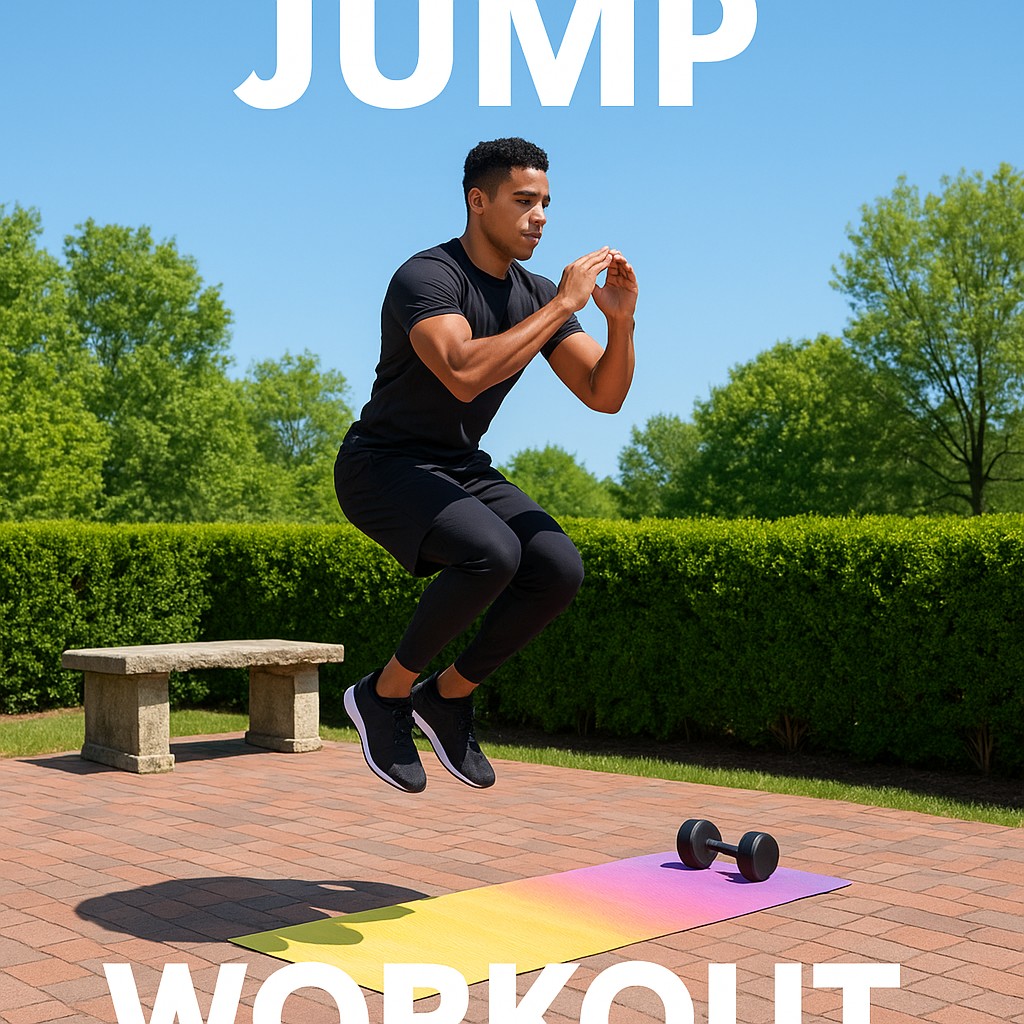
The second group followed the interval training protocol that we now call Tabata. They performed seven to eight rounds of twenty seconds of work at a staggering 170% of their VO2max. This was followed by ten seconds of rest. They did this four days a week, plus one day of moderate exercise. Over the six-week period, this group saw a much larger increase in aerobic capacity than the first group. Even more impressive, their anaerobic capacity increased by 28%. They achieved these results with only two hours of total exercise over six weeks, while the first group spent thirty hours exercising. Efficiency is the primary draw here.
Understanding VO2max and Metabolic Conditioning
VO2max represents the maximum amount of oxygen your body can use during intense exercise. It is a gold standard for measuring cardiovascular endurance. When you perform a bodyweight workout at 170% of your VO2max, you are working well beyond your body’s ability to provide oxygen to your muscles. This creates an oxygen debt. Your body must then work overtime after the workout is finished to restore its balance. This process is often called metabolic conditioning.
This high level of exercise intensity is what separates true Tabata from standard HIIT. Many bootcamp classes use the 20/10 timer, but they do not always reach the required intensity. To get the benefits seen in the original study, you must give maximum effort during those twenty seconds. You should feel completely spent by the end of the four minutes. If you can easily carry on a conversation afterward, you likely haven’t reached the necessary intensity level.

What is Tabata?
Tabata is a specific interval training protocol consisting of 20 seconds of work and 10 seconds of rest for 8 rounds. It aims to improve both aerobic and anaerobic energy systems through maximum effort.
How to Perform a Bodyweight Workout at Home
One of the best things about this training style is that it requires no fitness equipment. You can do a full home workout in your living room using just your own weight for resistance. This makes it a perfect cardio component for people with busy schedules or limited space. Because the rounds are so short, you can focus entirely on your form and speed.
To start, choose one or two exercises. You might pick burpees, mountain climbers, or air squats. Set a timer for four minutes. Perform the first exercise as fast as you can for twenty seconds. Stop for ten seconds. Repeat this until you have completed eight work intervals. The simplicity of the workout routines is what makes them so popular for people transitioning from Pinterest to a home gym setup.

- Warm up for five to ten minutes with light movement like jumping jacks or jogging in place.
- Select an exercise that uses large muscle groups to ensure a high heart rate.
- Perform 20 seconds of work at 100% effort.
- Rest for 10 seconds.
- Repeat for 8 rounds total.
- Cool down and stretch to help your heart rate return to normal.
The Pizza Interlude: Fueling and Fun
Something about cooking dinner on the grill makes it so much more exciting. After a hard workout, a good meal is a great reward. Like family pizza night, it brings everyone together. I recently made pizza on the grill, and it was a total hit. Fun in the oven, party on the grill.
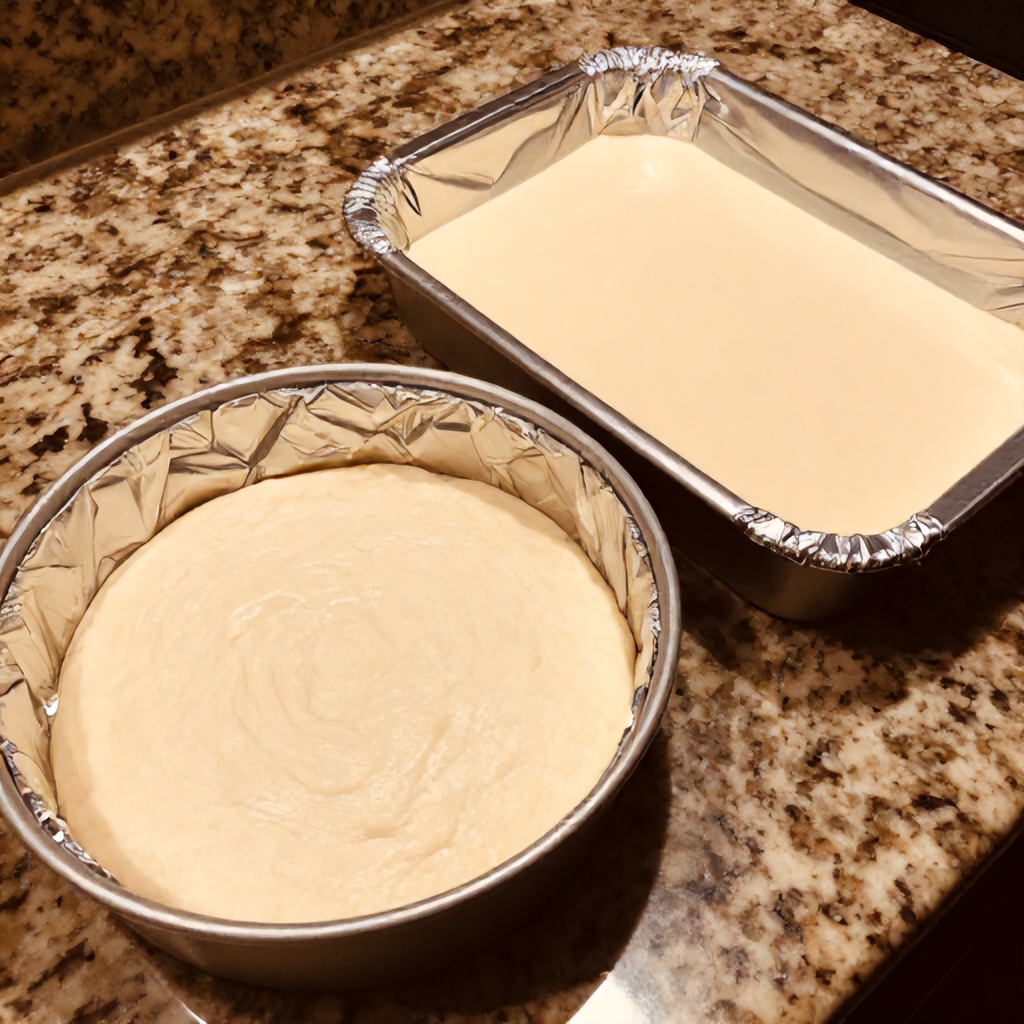
After making cinnamon rolls this weekend, the last thing I wanted to do was mess around with yeast and dough. I even contemplated a brown rice tortilla for my pizza crust. However, when I saw that the Bob’s Red Mill dough only took 20 minutes to rise, I decided to go for it. Something about bread-making, yeast, and dough is intimidating, even though it really is NBD. I froze half the dough for our next pizza night. My husband, the Pilot, used pre-made dough from the deli section at Sunflower Market.
I oiled and garlicked the dough, then added my favorite toppings. I used sauce, mushrooms, peppers, onions, tomatoes, oregano, olives, and anchovies. I also added the sad last little bit of goat cheese for myself. The Pilot grilled it to perfection. I enjoyed mine with a simple green salad. It was pizza perfection. You can find more grilled pizza ideas online if you want to change up your post-workout routine.
Pro Tip: Intensity Matters
If you are not gasping for air by the fourth or fifth round, you need to increase your speed. The 20 seconds of work must be performed at maximum effort to see the metabolic benefits found in the original Tabata study.
Choosing Exercises for Your Home Workout
Not every exercise is a good fit for this interval training protocol. Since the goal is cardiovascular endurance and high exercise intensity, you should choose movements that involve the whole body. Bicep curls or calf raises will not get your heart rate high enough. Instead, look for compound movements that challenge your physical conditioning.
Burpees are a classic choice because they hit every major muscle group. High knees are another excellent option for a cardio component. If you want to focus on your lower body, try jump squats or lunges. For upper body and core, mountain climbers or fast-paced push-ups work well. The key is to move as quickly as possible without sacrificing your form. Safety is always the priority, even when you are moving at high speeds.
- Burpees
- Mountain Climbers
- Jump Squats
- High Knees
- Sprints
- Box Jumps (if you have a sturdy surface)
- Speed Skaters
The Benefits of Short Duration Exercise
Time is the biggest barrier for most people when it comes to fitness. Tabata removes that excuse. A four-minute block is easy to fit into a lunch break or right after waking up. Even if you include a warm-up and a cool-down, the entire session takes less than fifteen minutes. This makes it much easier to stay consistent with your workout routines over the long term.
Beyond the time savings, the physiological benefits are significant. By training your anaerobic capacity, you become better at handling high-intensity tasks in everyday life. Whether you are running to catch a bus or playing with your kids, your body becomes more efficient at producing energy without oxygen. The aerobic systems also benefit, meaning your overall heart health improves just as much as it would from a much longer, slower workout.
Common Mistakes to Avoid
Many people confuse any HIIT workout with Tabata. If the work intervals are longer than twenty seconds or the rest periods are longer than ten seconds, it is interval training, but it is not the Tabata protocol. Sticking to the 20/10 timing is essential for the specific hormonal and metabolic responses triggered by this method. Do not give yourself extra rest just because you are tired.
Another mistake is skipping the warm-up. Because the exercise intensity is so high, jumping straight into a Tabata set can lead to injury. Your muscles and joints need to be warm and lubricated before you ask them to move at 100% effort. Spend a few minutes doing dynamic stretches or light cardio before you start the timer. Your body will thank you later.
Safety First
Tabata is extremely taxing on the heart and nervous system. If you have any underlying health conditions or are new to exercise, consult a doctor before trying this high-intensity format. Start with a lower intensity and work your way up to maximum effort.
Integrating Tabata into Your Routine
You do not need to do Tabata every day. In fact, doing it too often can lead to burnout or overtraining. Because it is so intense, two or three times a week is usually enough to see significant gains in cardiovascular endurance. You can use it as a standalone workout when you are short on time, or add it to the end of a strength training session as a “finisher.”
Many bootcamp classes use this format to end a session on a high note. It leaves the participants feeling energized and accomplished. If you prefer working out alone, there are many free apps and timers specifically designed for this 20/10 rhythm. They will beep to tell you when to start and stop, so you can focus entirely on the movement. This takes the guesswork out of your home workout and keeps you honest with your timing.
Physical conditioning is a long-term project. While the Tabata study showed rapid results, those results came from consistent effort. Whether you are using it to boost your VO2max or just to add some variety to your week, the 20 seconds of work followed by 10 seconds of rest remains a powerful tool. It is simple, it is fast, and it works. Grab a timer, find a small space on the floor, and give it your all for four minutes.