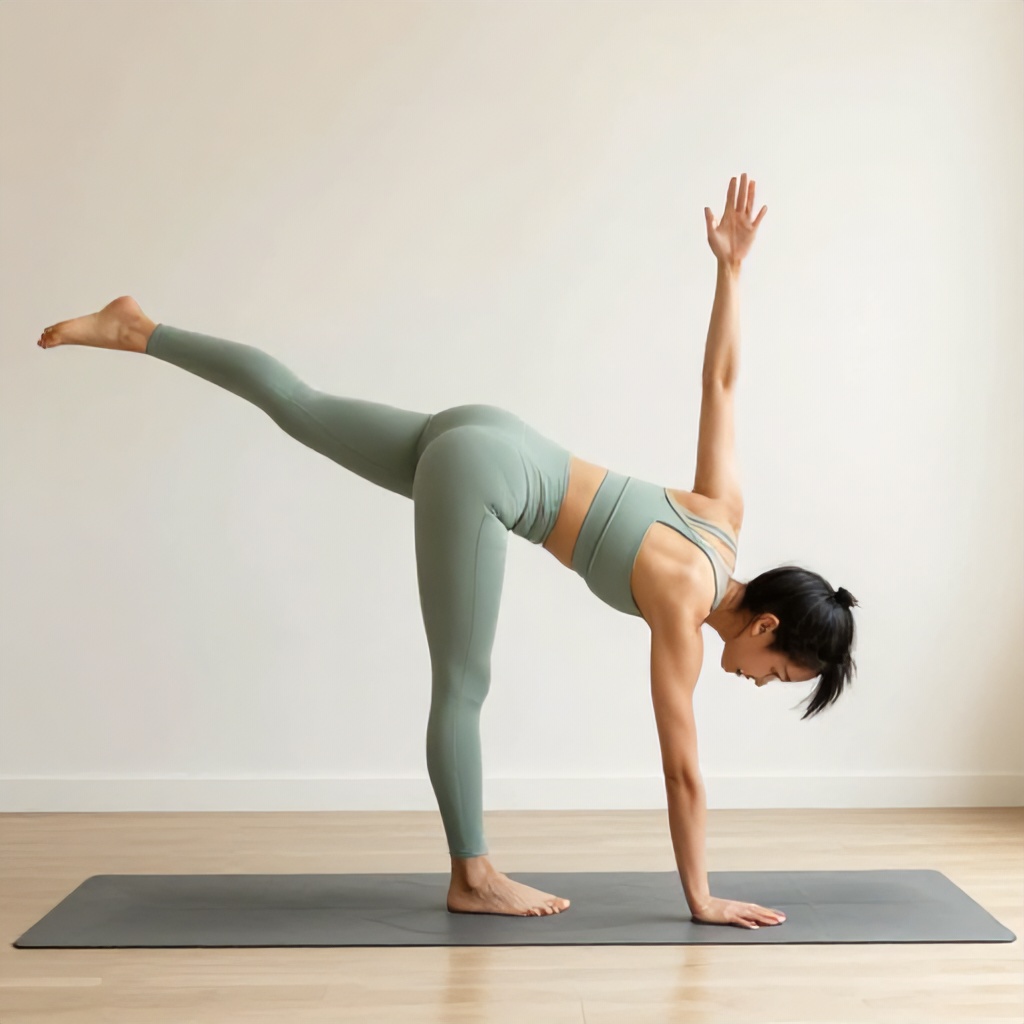
Incorporating just a few simple yoga poses into your daily schedule can significantly improve your physical flexibility and contribute to an overall sense of wellness. Even a short routine, practiced consistently, builds strength, eases tension, and cultivates a deeper connection with your body.
Why Daily Yoga Matters for Your Body and Mind
A consistent yoga practice offers a remarkable spectrum of benefits, extending far beyond simply touching your toes. Physically, it systematically works to enhance your body movement, increasing flexibility in your joints and muscles while simultaneously building core strength. Regular stretching exercises can alleviate stiffness, improve posture, and even reduce common aches and pains that often arise from sedentary lifestyles or repetitive motions. This kind of physical activity is a gentle yet powerful way to support your musculoskeletal system, making everyday tasks feel easier and more fluid.
Beyond the tangible physical changes, the mental and emotional advantages of a daily yoga practice are profound. The mindful movement inherent in yoga encourages a sense of calm and helps to quiet the often-overactive mind. Focusing on your breath and body during these simple exercise routines acts as a powerful stress reducer, fostering a greater sense of peace and mental clarity. It’s a dedicated moment for yourself, a chance to step away from distractions and cultivate a stronger sense of focus, which then spills over into other areas of your life. This holistic wellness approach addresses both the physical and mental aspects of your being, creating a balanced foundation for a healthier, happier you.
Six Simple Yoga Poses for Everyday Practice
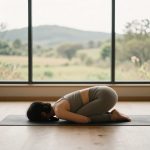
1. Child’s Pose (Balasana)
Child’s Pose is a grounding and restorative yoga posture, often used as a resting pose between more challenging movements or as a standalone way to unwind. It offers a gentle stretch for the lower back and hips, while providing a comforting sense of introspection and calm. This pose is a wonderful entry point for anyone seeking relaxation techniques through simple yoga postures.
- Begin by kneeling on your mat, with your big toes touching and your knees spread wide, roughly mat-width apart.
- Slowly lower your torso between your thighs, allowing your forehead to rest on the mat.
- Extend your arms forward with palms down, or bring them alongside your body with palms facing up, resting them gently beside your feet.
- Allow your hips to sink back towards your heels. If this feels too intense, place a cushion or folded blanket between your hips and heels.
- Breathe deeply and evenly, feeling your belly expand and contract against your thighs. Hold for several breaths or as long as it feels comfortable.
This pose is incredibly effective for releasing tension in the back and neck. It gently opens the hips and provides a sense of security, making it perfect for moments when you need to recenter or find a moment of quiet. It’s a foundational relaxation technique that can be adapted for all body types, offering a gentle stretch and a profound sense of calm.
2. Cat-Cow Pose (Marjaryasana-Bitilasana)
The flowing movement of Cat-Cow Pose is a fantastic way to warm up the spine and improve its flexibility. This dynamic pairing of yoga poses helps to articulate each vertebra, releasing stiffness and promoting healthy spinal fluid circulation. It’s an excellent inclusion in any daily yoga or stretching exercises routine, offering gentle body movement that prepares you for the day ahead or unwinds you after a long one.
- Start on your hands and knees in a tabletop position. Ensure your wrists are directly under your shoulders and your knees are directly under your hips. Your fingers should be spread wide, pressing firmly into the mat.
- As you inhale, drop your belly towards the mat, lift your chest and tailbone towards the ceiling, and gently look up. This is Cow Pose.
- As you exhale, round your spine towards the ceiling, tuck your chin towards your chest, and draw your navel towards your spine. This is Cat Pose.
- Continue flowing between Cat and Cow with your breath, moving slowly and mindfully. Focus on the articulation of your spine rather than how far you can push the movement.
This sequence is particularly beneficial for improving spinal mobility and core engagement. It synchronizes breath with movement, which can be very meditative and help to cultivate focus. Regular practice of these stretching poses can alleviate back stiffness and improve overall posture, making it a staple in any simple exercise regimen.
3. Downward-Facing Dog (Adho Mukha Svanasana)
Downward-Facing Dog is arguably one of the most recognizable and comprehensive yoga poses. It’s a full-body stretch that simultaneously strengthens the arms and legs, lengthens the spine, and calms the nervous system. This pose is a cornerstone of many yoga practices, providing both invigoration and stability, making it a powerful addition to your daily flexibility routine.
- Begin on your hands and knees, similar to the setup for Cat-Cow. Spread your fingers wide, pressing through your palms and knuckles.
- Tuck your toes under and, on an exhale, lift your hips up and back towards the ceiling, straightening your legs as much as comfortable.
- Aim to create an inverted “V” shape with your body. Your head should hang freely between your arms, and your gaze should be towards your feet or navel.
- Press your heels towards the mat, though they don’t need to touch. Keep a slight bend in your knees if your hamstrings feel tight, prioritizing a long, straight spine over straight legs.
- Engage your quadriceps to lift your kneecaps, and gently rotate your inner thighs back. Hold for five to ten breaths, feeling the stretch along the backs of your legs and spine.
This iconic yoga posture is excellent for lengthening the hamstrings, calves, and spine. It also strengthens the arms, shoulders, and core. The gentle inversion helps to calm the brain and relieve stress, making downward dog a truly versatile and beneficial pose for both physical and mental well-being. It’s a fantastic way to stretch out the entire posterior chain and bring fresh energy to the body.
4. Cobra Pose (Bhujangasana)
Cobra Pose is a gentle backbend that strengthens the spine, opens the chest and shoulders, and can help to alleviate mild back pain. It’s an energizing pose that counters the slouched posture often adopted during desk work, promoting better alignment and an expansive feeling in the upper body. This physical activity is a wonderful way to improve spinal health and flexibility.
- Lie face down on your mat with your legs extended straight back, tops of your feet flat on the floor. Place your hands flat on the mat directly under your shoulders, with your elbows tucked close to your body.
- Gently press the tops of your feet, thighs, and pelvis into the mat.
- On an inhale, slowly begin to lift your head and chest off the mat, using your back muscles more than pushing heavily through your hands. Keep your gaze soft and slightly forward.
- Keep your shoulders relaxed and drawing down your back, away from your ears. Your elbows should remain slightly bent and tucked in.
- Only lift as high as feels comfortable for your lower back. Avoid crunching your neck or forcing the arch. Hold for a few breaths, then exhale to slowly lower back down.
Cobra pose is a fantastic way to strengthen the muscles along the spine and open the front of the body. It helps to improve posture and can be a revitalizing pose, especially after prolonged sitting. Integrating this pose into your daily yoga practice can significantly contribute to improved spinal health and overall body movement. It’s a simple exercise that yields powerful results for flexibility and strength.
5. Tree Pose (Vrksasana)
Tree Pose is a balancing posture that not only strengthens the legs and core but also cultivates concentration and mental focus. It challenges your equilibrium, encouraging stability both physically and mentally. This pose is a wonderful way to practice mindfulness and find stillness amidst daily distractions, making it a valuable part of any wellness routine.
- Start standing tall at the top of your mat, feet hip-width apart, arms at your sides. Shift your weight onto your left foot, grounding it firmly into the earth.
- Lift your right foot and place the sole against your inner left ankle, calf, or inner thigh (avoid placing it directly on your knee joint). Your right knee should point out to the side.
- Once you find your balance, bring your hands to a prayer position at your chest, or extend them overhead like branches of a tree.
- Find a steady gaze point (drishti) in front of you that is not moving. This helps immensely with balance.
- Engage your core and imagine growing roots down through your standing foot while reaching upwards through the crown of your head. Hold for several breaths, then gently release and repeat on the other side.
Practicing this pose, one of the most recognized yoga poses, helps to build strength in the ankles, calves, thighs, and spine. More significantly, it enhances balance and focus, improving mental clarity and stability. Tree Pose is a beautiful example of how simple exercise can bring both physical and mental benefits, fostering a sense of grounded tranquility.
6. Supine Spinal Twist (Supta Matsyendrasana)
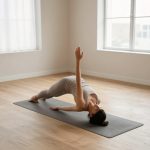
The Supine Spinal Twist is a deeply relaxing and therapeutic pose that gently wrings out the spine, releasing tension in the back, hips, and shoulders. It’s often practiced at the end of a yoga sequence to promote relaxation and aid in detoxification. This gentle stretching pose is perfect for unwinding before bed or whenever you need a moment of restorative release, contributing significantly to your overall wellness routine.
- Lie on your back on your mat, with your knees bent and feet flat on the floor, hip-width apart.
- Extend your arms out to the sides in a “T” shape, palms facing up or down.
- On an exhale, gently draw both knees towards your chest.
- Then, let both knees fall slowly to one side (e.g., to the right), keeping your shoulders grounded on the mat as much as possible.
- Turn your head to look in the opposite direction of your knees (e.g., to the left).
- Breathe deeply into the stretch, allowing your spine to gently twist and release. Hold for several breaths, then return to center and repeat on the other side.
This pose is excellent for increasing spinal flexibility and releasing tension in the lower back and hips. It’s a mild detoxifying twist that can aid digestion and promote a sense of deep relaxation. As one of the more passive yoga postures, it encourages the body to surrender and unwind, making it a powerful tool for stress reduction and overall relaxation techniques.
Making Daily Yoga a Habit: Practical Tips
Integrating a new exercise routine into your busy life doesn’t require a complete overhaul; small, consistent steps yield the most lasting results. Start with just 10-15 minutes each day, focusing on these simple yoga poses. Consistency truly is more important than intensity or duration. Even a brief session of stretching exercises can make a noticeable difference in your flexibility and overall energy levels over time.
Find a time that naturally fits into your schedule. For some, a morning yoga practice acts as a revitalizing start to the day, bringing focus and energy. Others prefer an evening session to unwind and release the day’s tension. You might even break it up, doing a few poses during a lunch break to counter prolonged sitting. The key is to make it sustainable, a part of your daily rhythm rather than an obligation.
Creating a dedicated space, even a small one, can make a significant difference. You don’t need a fancy studio; a quiet corner of a room is perfectly fine. Consider a minimalist design, perhaps with a muted color palette, to foster a calm and inviting atmosphere. A comfortable mat, maybe a soft blanket, and a clear area are all you truly need. If you’re someone who benefits from visual cues, look for instructional graphic examples online or create your own simple visual aid to remind you of the pose names and sequence. This helps reinforce the habit and makes your wellness routine feel more structured.
Most importantly, listen to your body. Yoga is not about pushing yourself into pain or achieving perfect shapes. It’s about mindful movement and respecting your body’s current capabilities. Some days you might feel more flexible, other days less so. Honor those differences. If a pose feels uncomfortable, modify it or skip it. The journey of yoga is personal, and self-compassion is a vital part of the practice.
Beyond the Poses: Embracing Mindful Movement and Holistic Wellness
While the physical benefits of these yoga poses are clear, the true power of a daily practice lies in its ability to connect your breath with your body movement. This conscious connection transforms mere stretching into a profound experience of mindful movement. Paying attention to your breath as you transition between yoga postures deepens the stretch, calms the nervous system, and enhances your overall awareness. It’s this integration of breath, body, and mind that truly sets yoga apart as a practice for holistic wellness.
The mental aspect of yoga, often overlooked by beginners, is a cornerstone of its effectiveness. Cultivating a sense of calm and focus during your practice helps you manage stress better throughout your day. It teaches you to be present, to observe your thoughts without judgment, and to find moments of stillness even when life feels chaotic. This mental training is just as important as the physical flexibility you gain.
Consider your daily yoga practice as one pillar in a broader wellness routine. It complements other healthy habits like balanced nutrition, adequate sleep, and spending time in nature. It’s not about achieving perfection, but about consistent, gentle effort towards a more balanced and vibrant life. Each time you step onto your mat, you’re investing in your physical health, mental clarity, and emotional resilience.
Starting a daily flexibility and wellness routine with these six simple yoga poses is an accessible and powerful step toward greater well-being. Regular practice brings not only increased body movement and reduced stiffness but also a profound sense of calm and mental focus. Embrace this gentle journey, and observe the positive shifts in your body and mind.