
Soothe Your Skin: Taming Razor Burn and Banish Ingrown Hairs
Razor burn and ingrown hairs are common skin irritations that can turn a smooth shave into a painful ordeal. Understanding why they happen is the first step to preventing them and finding effective remedies.

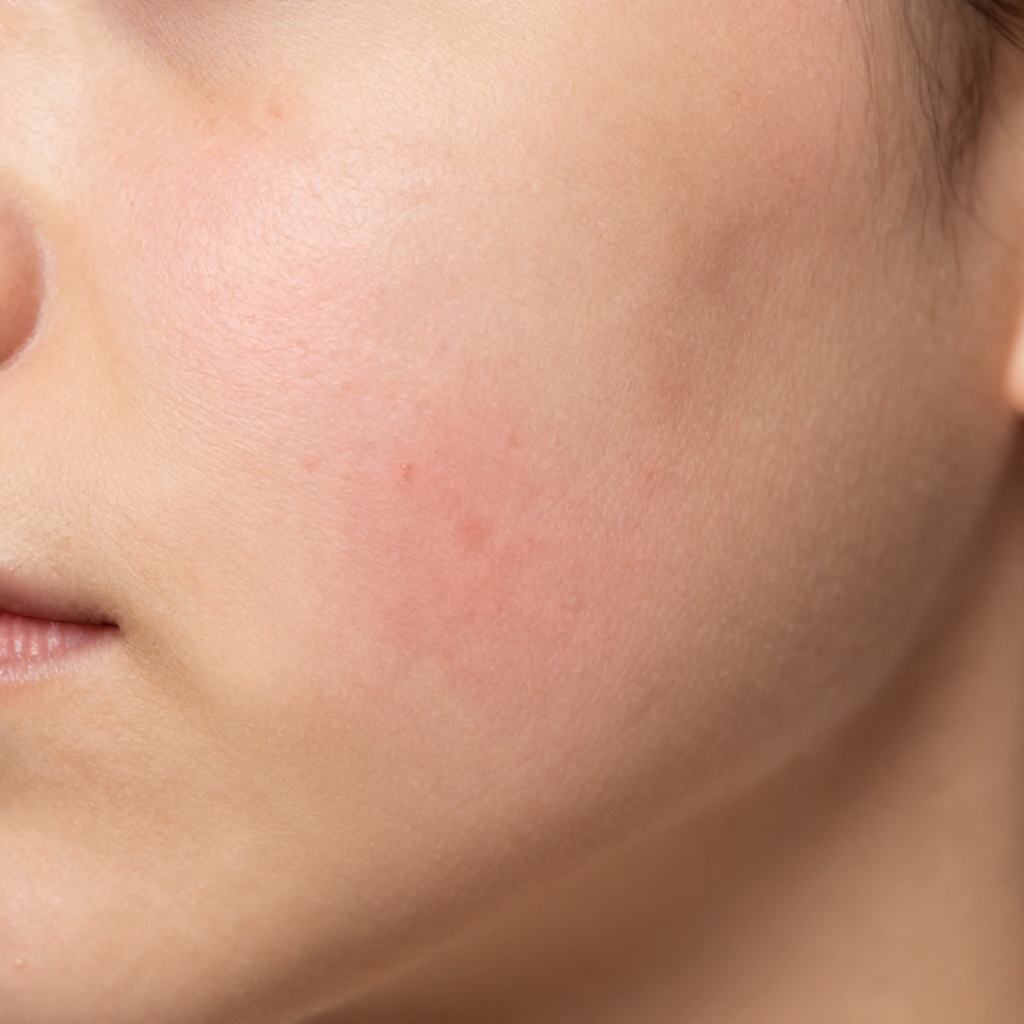
Understanding the Culprits: Razor Burn vs. Ingrown Hairs
Razor burn often appears as redness and a burning sensation immediately after shaving. It’s essentially a mild form of skin inflammation caused by the friction of the razor blade against the skin, especially when the skin is dry or the blade is dull.
Ingrown hairs, on the other hand, are hairs that curl back or grow sideways into the skin instead of rising out of the hair follicle. This can lead to small, red, inflamed bumps that might resemble pimples, and sometimes they can become infected, causing more significant discomfort and even pus. This particular skin concern is often seen with stubble growth.
Prevention is Key: Strategies for a Smoother Shave
The best approach to dealing with razor burn and ingrown hairs is to prevent them from occurring in the first place. Implementing a few simple changes to your shaving routine can make a world of difference.
Prep Your Skin for Success
Don’t just jump straight to the razor. Your skin needs preparation.
- Warm Water is Your Friend: Before you even pick up a razor, spend a few minutes in a warm shower or apply a warm, damp cloth to the area you plan to shave. This softens the hair and opens up the pores, making hair removal easier and reducing the chance of the hair being pulled or cut unevenly below the skin’s surface.
- Exfoliate Gently: A gentle exfoliation before shaving can help lift hairs away from the skin and remove dead skin cells that might trap hairs. You can use a soft washcloth, a gentle scrub, or an exfoliating brush. Be careful not to overdo it, as too much scrubbing can also cause irritation.
Choose the Right Tools and Techniques
Your razor and shaving cream play a significant role.
- Sharp Blade, Happy Skin: Always use a sharp, clean razor blade. A dull blade tugs at the hair and skin, increasing the likelihood of razor burn and ingrown hairs. Change your razor blades frequently – typically every 5-10 shaves, or as soon as you notice any pulling or tugging.
- Shaving Cream or Gel: Never shave dry. Use a good quality shaving cream, gel, or oil. These products create a slick barrier between the razor and your skin, allowing the blade to glide smoothly and reducing friction. Look for formulas designed for sensitive skin if you’re prone to irritation.
- Shave with the Grain: This is a big one for preventing ingrown hairs. Shave in the direction that your hair grows. Shaving against the grain might give you a closer shave initially, but it’s a major contributor to ingrown hairs and irritation because it can cut the hair too close to the follicle, allowing it to curl back into the skin. If you need a closer shave, go over the area a second time, but always try to follow the direction of hair growth.
- Rinse Frequently: Rinse your razor blade under hot water after every stroke or two. This prevents hair clippings and shaving cream from clogging the blade, ensuring a cleaner, more efficient shave.
- Avoid Over-Shaving: Don’t go over the same spot repeatedly. If you’ve shaved an area and need a little more, reapply shaving cream and shave gently.
Post-Shave Care Matters
The work isn’t done once the razor is put away.
- Rinse with Cool Water: After you’ve finished shaving, rinse your skin thoroughly with cool water. This helps to close the pores and soothe any immediate redness or irritation.
- Pat Dry, Don’t Rub: Gently pat your skin dry with a clean, soft towel. Rubbing can further irritate sensitive skin.
- Moisturize: Apply a gentle, fragrance-free moisturizer or a post-shave balm. This helps to rehydrate the skin and create a protective barrier. Look for ingredients like aloe vera, chamomile, or hyaluronic acid, which are known for their soothing and hydrating properties.
Effective Treatments for Existing Razor Burn and Ingrown Hairs
Despite your best efforts, you might still experience razor burn or ingrown hairs. Fortunately, there are several effective remedies to help calm your skin and get rid of those pesky bumps.
Calming Razor Burn
Razor burn often resolves on its own within a day or two, but these steps can speed up the healing process and provide immediate relief.
- Cool Compresses: Apply a cool, damp cloth or an ice pack wrapped in a thin towel to the affected area for 10-15 minutes at a time. This can help reduce redness and inflammation.
- Aloe Vera Gel: Pure aloe vera gel is a natural anti-inflammatory and can be incredibly soothing for irritated skin. Apply it liberally to the burned areas.
- Oatmeal Baths: For larger areas of irritation, an oatmeal bath can be very beneficial. Colloidal oatmeal has anti-inflammatory and skin-soothing properties.
- Hydrocortisone Cream: Over-the-counter hydrocortisone cream (0.5% or 1%) can help reduce redness and itching associated with razor burn. Use it sparingly for a few days.
- Avoid Further Irritation: Stay away from shaving, tight clothing, and harsh skincare products on the affected areas until the skin has healed.
Tackling Ingrown Hairs
Ingrown hairs can be more stubborn, but with patience and the right approach, you can help them resolve and prevent future occurrences.
- Warm Compresses: Similar to razor burn, applying warm compresses can help soften the skin and encourage the ingrown hair to surface. Do this several times a day.
- Gentle Exfoliation: Once the inflammation has subsided a bit, gentle exfoliation can help release the trapped hair. You can use a soft washcloth, a gentle scrub, or a chemical exfoliant containing salicylic acid or glycolic acid. These ingredients are particularly effective at breaking down the debris that can trap hairs.
- Tweezers (with Caution): If the ingrown hair has surfaced and you can clearly see the hair loop, you can carefully try to lift it out with a sterile pair of tweezers. Sterilize the tweezers with rubbing alcohol first. Do NOT dig into your skin. If you can’t easily access the hair, leave it alone and let it resolve on its own or seek professional help. Attempting to dig out a deeply embedded hair can lead to infection and scarring.
- Topical Treatments: Products containing salicylic acid or benzoyl peroxide can help unclog pores and reduce inflammation. They can be applied directly to the ingrown hair bump.
- Prevent Re-occurrence: Once the ingrown hair has resolved, continue with your preventative measures, especially shaving with the grain and exfoliating regularly.
When to Seek Professional Help
While most cases of razor burn and ingrown hairs can be managed at home, there are times when you should consult a healthcare professional, such as a dermatologist.
- Signs of Infection: If an ingrown hair becomes very painful, swollen, filled with pus, or if you develop a fever, it could be infected. This requires medical attention.
- Persistent or Severe Issues: If you experience frequent, severe ingrown hairs or razor burn that doesn’t improve with home care, a dermatologist can offer stronger prescription treatments or discuss alternative hair removal methods.
- Scarring: If you are concerned about scarring from ingrown hairs, a dermatologist can recommend treatments to minimize their appearance.
Beyond the Razor: Alternative Hair Removal Methods
For some individuals, the best way to avoid razor burn and ingrown hairs altogether is to explore alternative hair removal methods. While each has its own pros and cons, they might offer a solution to persistent skin concerns.
- Waxing: This method removes hair from the root. While it can sometimes cause temporary irritation or ingrown hairs if not done correctly, many find it leads to smoother skin for longer periods and can reduce the incidence of ingrown hairs over time compared to shaving.
- Sugaring: Similar to waxing, sugaring removes hair from the root. It’s often considered gentler on the skin and can be a good option for sensitive individuals.
- Epilating: Epilators are devices that pull multiple hairs out from the root. Like waxing, it can cause initial irritation but may lead to fewer ingrown hairs with regular use.
- Laser Hair Removal/IPL: These are longer-term solutions that target hair follicles to reduce hair growth. They require multiple sessions and are an investment, but many find them highly effective in preventing ingrown hairs and razor burn permanently or for extended periods.
- Depilatory Creams: These creams dissolve hair at the skin’s surface. While they can be convenient, some people experience allergic reactions or irritation. Always patch-test first.
Managing razor burn and ingrown hairs is largely about adopting a mindful approach to hair removal and skincare. By understanding your skin, preparing it properly, using the right tools, and following up with consistent care, you can significantly reduce these common skin irritations and enjoy smoother, more comfortable skin.