
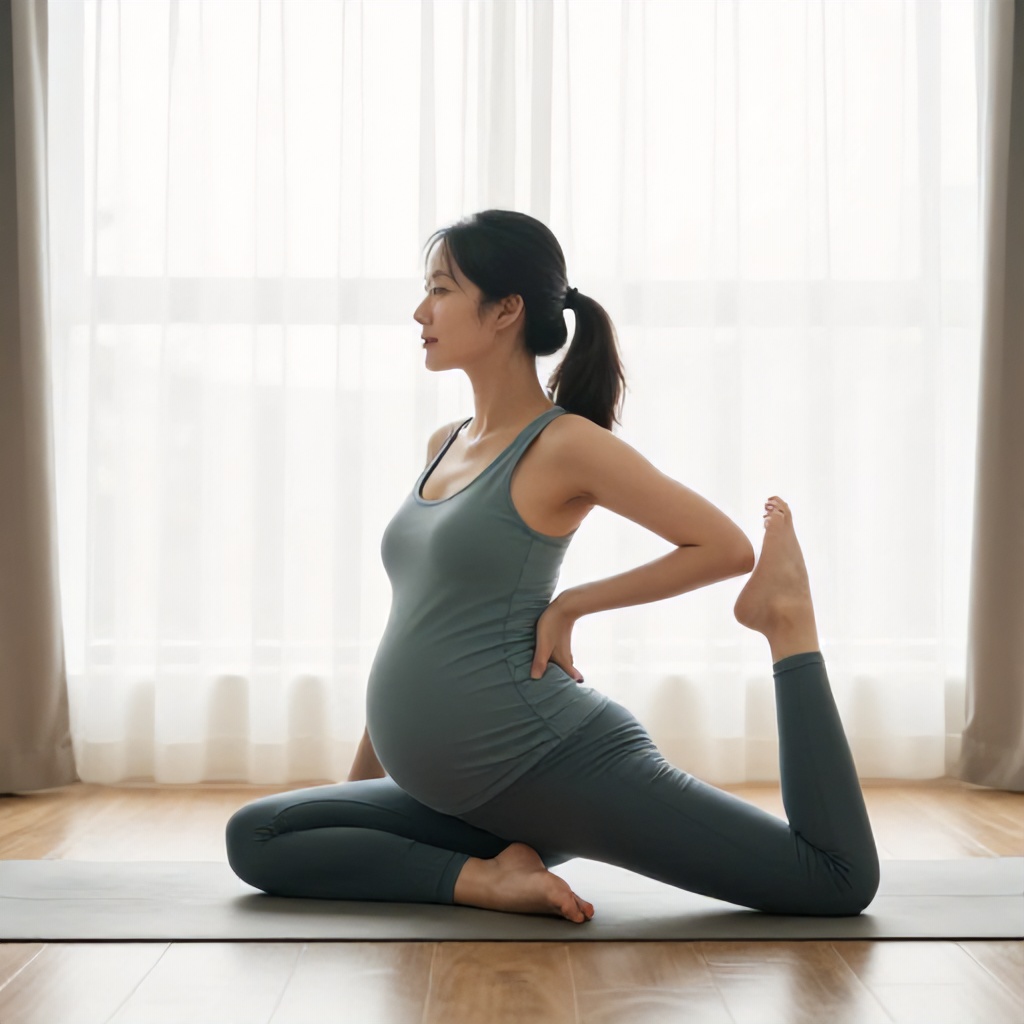
Engaging in gentle bodyweight stretching exercises at home can significantly ease common discomforts during pregnancy, prepare your body for labor, and promote overall well-being. This kind of mindful movement helps maintain flexibility and strength without putting undue stress on your changing body, making it an ideal part of your prenatal exercise regimen.

Why Gentle Stretching is a Must-Do During Pregnancy
Pregnancy brings a host of physical changes, from shifting weight distribution to hormonal fluctuations that loosen ligaments. Incorporating a regular stretching routine into your daily life can counteract many of these challenges, offering both physical and mental benefits. These low-impact exercise sessions are perfect for expectant mother fitness, focusing on gentle stretches that support your body’s journey.
Alleviating Aches and Pains
As your belly grows, your center of gravity shifts, often leading to increased pressure on your lower back and hips. Targeted stretches can help relieve tension in these areas, improving posture and reducing discomfort. Many pregnant women experience back pain, and consistent flexibility training can make a remarkable difference in managing it.
Improving Flexibility and Joint Mobility
Hormones like relaxin, while essential for preparing the pelvis for childbirth, can also make joints feel less stable. Gentle stretching helps maintain and improve joint mobility safely, preventing stiffness without overextending. This focus on body awareness helps you move more fluidly as your body changes.
Boosting Circulation and Reducing Swelling
Regular movement, even light stretching, encourages healthy blood flow throughout your body. This can be particularly helpful in reducing swelling in the hands, feet, and ankles, a common pregnancy symptom. Good circulation is a cornerstone of maternal health.
Promoting Relaxation and Stress Reduction
The physical act of stretching, especially when combined with deep breathing, can be incredibly calming. It offers a moment to connect with your body and your baby, fostering prenatal well-being and providing valuable relaxation techniques. This mindful movement can be a wonderful antidote to the stresses of pregnancy.
Preparing for Labor and Delivery
Specific stretches can help open the hips and strengthen the pelvic floor, preparing your body for the physical demands of labor. Increased flexibility and core strength can contribute to a smoother birth experience and aid in postpartum recovery. Antenatal fitness isn’t just about feeling good now; it’s about preparing for what’s ahead.
Safety First: Essential Guidelines for Prenatal Exercise
While bodyweight stretching is generally safe during pregnancy, it’s absolutely vital to listen to your body and prioritize safety. Always consult with your healthcare provider before starting any new exercise program, especially during pregnancy. They can offer personalized advice based on your health history and specific pregnancy.
Listen to Your Body
This is perhaps the most important rule. Pregnancy is not the time to push through pain or discomfort. If a stretch feels painful, stop immediately. Discomfort is a signal, not a challenge to overcome. Your body is working hard, so be kind to it.
Avoid Overstretching and Bouncing
Due to the hormone relaxin, your ligaments are more pliable. This means it’s easier to overstretch and potentially injure yourself. Aim for a gentle stretch, holding it steadily without bouncing. You should feel a stretch, not pain.
Stay Hydrated
Keep a water bottle nearby and sip frequently before, during, and after your stretching sessions. Hydration is key for overall health and helps regulate body temperature, which is especially important during pregnancy.
Avoid Lying Flat on Your Back After the First Trimester
After about 16 weeks, lying flat on your back can compress a major blood vessel called the vena cava, which can restrict blood flow to you and your baby. Modify stretches to be seated, standing, or lying on your side. Use props like pillows or wedges to elevate your upper body if needed.
Wear Appropriate Activewear
Choose comfortable, breathable clothing that allows for a full range of motion. Supportive activewear can make a big difference in your comfort level during your at-home workouts.
Setting Up Your Home Fitness Workout Space
Creating a dedicated, comfortable space for your home fitness workouts can make it easier to stick to your routine. You don’t need a lot of fancy equipment for bodyweight stretching, just a few essentials.
- A clear, spacious area where you can move freely without bumping into furniture.
- A comfortable exercise mat provides cushioning and stability, especially for floor-based stretches.
- Good ventilation to keep you cool.
- A water bottle within reach.
- Optional: Pillows, cushions, or a yoga block for support and modifications.
Gentle Bodyweight Stretching Exercises for Expectant Mothers
These gentle stretches are designed to be safe and effective for pregnant women. Remember to move slowly and breathe deeply throughout each exercise. Hold each stretch for 20-30 seconds, breathing into the stretch, and release slowly.
Warm-Up: Preparing Your Body
Before you begin any static stretches, it’s a good idea to do a few minutes of light movement to get your blood flowing. Gentle walking in place, arm circles, and small pelvic tilts are excellent ways to prepare your muscles for stretching.
Upper Body and Back Stretches
1. Seated Cat-Cow Stretch (Modified)
This classic pregnancy yoga stretch is fantastic for the spine and core strength. Sit comfortably on the floor with your legs crossed or in a wide-legged position. Place your hands on your knees.
- Inhale: Arch your back slightly, gently lifting your chest and looking up (Cow).
- Exhale: Round your spine, drawing your chin towards your chest (Cat).
- Repeat 5-10 times, synchronizing with your breath.
2. Seated Side Bend
This stretch targets the sides of your torso, helping to relieve tension in your back and improve flexibility. Sit comfortably, perhaps on your exercise mat, with your legs crossed or extended.
- Inhale: Reach your right arm up towards the ceiling.
- Exhale: Gently bend to your left side, keeping both sitting bones grounded. Feel the stretch along your right side.
- Hold, then slowly return to center. Repeat on the other side.
3. Shoulder and Chest Opener
As breasts grow during pregnancy, posture can sometimes round forward. This stretch helps open the chest and shoulders. Stand or sit tall.
- Clasp your hands behind your back, palms together if comfortable, or hold opposite elbows.
- Gently draw your shoulders back and down, opening your chest.
- If standing, you can slightly lift your clasped hands away from your body for a deeper stretch.
- Hold for several breaths.
Lower Body and Hip Stretches
1. Pelvic Tilts
Pelvic tilts are excellent for strengthening the core, relieving lower back pain, and improving body awareness. Lie on your back with knees bent and feet flat on the floor (use a wedge or pillows to elevate your upper body if past the first trimester).
- Inhale: Gently arch your lower back, creating a small space between your back and the floor.
- Exhale: Flatten your lower back against the floor, engaging your abdominal muscles and tilting your pelvis upwards.
- Repeat 10-15 times, moving slowly and with control.
2. Butterfly Stretch (Baddha Konasana)
This gentle stretch opens the hips and inner thighs, which is beneficial for preparing for labor. Sit on your exercise mat with the soles of your feet together and knees out to the sides.
- Hold onto your feet or ankles.
- Sit up tall, lengthening your spine.
- Gently allow your knees to fall towards the floor. Avoid pressing them down forcefully.
- You can lean slightly forward from your hips for a deeper stretch if comfortable, keeping your back straight.
3. Figure Four Stretch (Modified)
This stretch targets the glutes and outer hips. Lie on your back with knees bent and feet flat (remember the wedge if needed). Cross your right ankle over your left knee.
- Gently reach through the space created by your legs and grasp the back of your left thigh.
- Draw your left knee towards your chest until you feel a stretch in your right hip.
- Hold, then release and switch sides.
4. Standing Hamstring Stretch
Keep your hamstrings flexible to support your lower back. Stand facing a sturdy chair or low table. Place your right heel on the surface, keeping your leg straight but not locked.
- Keep your back straight and gently hinge forward from your hips until you feel a stretch in the back of your right thigh.
- Avoid rounding your back.
- Hold, then switch legs.
5. Calf Stretch
Calf cramps are common during pregnancy. This stretch can help. Stand facing a wall, placing your hands on it for support.
- Step your right foot back, keeping your heel on the floor and your leg straight.
- Bend your left knee and lean forward towards the wall until you feel a stretch in your right calf.
- Hold, then switch legs.
Full Body and Relaxation
1. Modified Child’s Pose (Wide-Knee)
This is a wonderful resting and gentle stretch for the back and hips. Kneel on your exercise mat with your knees wider than hip-width apart, big toes touching.
- Gently lower your torso between your thighs.
- Reach your arms forward, resting your forehead on the mat or a pillow.
- If your belly is large, you can place a pillow under your chest for support.
- Breathe deeply and allow your body to relax into the pose.
2. Deep Breathing and Mindful Movement
End your routine with a few minutes of focused deep breathing. Sit or lie comfortably. Place one hand on your chest and one on your belly.
- Inhale slowly and deeply through your nose, feeling your belly rise.
- Exhale slowly through your mouth, feeling your belly fall.
- Focus on the sensation of your breath and the present moment. This practice enhances prenatal well-being and body awareness.
Crafting Your At-Home Stretching Routine
Aim for 20-30 minutes of bodyweight stretching, 3-5 times a week. Consistency is more important than intensity. You can choose to do all the stretches in one session or break them up throughout your day.
A Sample Stretching Routine:
- Warm-up (2-3 minutes of gentle movement)
- Seated Cat-Cow Stretch (5-10 repetitions)
- Seated Side Bend (2-3 times per side)
- Shoulder and Chest Opener (1-2 repetitions)
- Pelvic Tilts (10-15 repetitions)
- Butterfly Stretch (Hold for 30 seconds)
- Figure Four Stretch (Hold for 30 seconds per side)
- Standing Hamstring Stretch (Hold for 30 seconds per side)
- Calf Stretch (Hold for 30 seconds per side)
- Modified Child’s Pose (Hold for 1-2 minutes)
- Deep Breathing and Mindful Movement (3-5 minutes)
When to Stop and Consult Your Doctor
While safe pregnancy exercise is beneficial, there are times when you should stop exercising and contact your healthcare provider immediately. Pay close attention to these warning signs:
- Vaginal bleeding or fluid leakage
- Dizziness or feeling faint
- Shortness of breath before exertion
- Chest pain
- Headache
- Muscle weakness
- Calf pain or swelling
- Uterine contractions
- Decreased fetal movement
Embracing a routine of prenatal bodyweight stretching at home is a wonderful way to support your body through the incredible journey of pregnancy. These gentle stretches contribute significantly to your maternal health, helping you feel more comfortable, flexible, and prepared for childbirth. Remember to listen to your body, stay hydrated, and enjoy the benefits of mindful movement for you and your baby.