
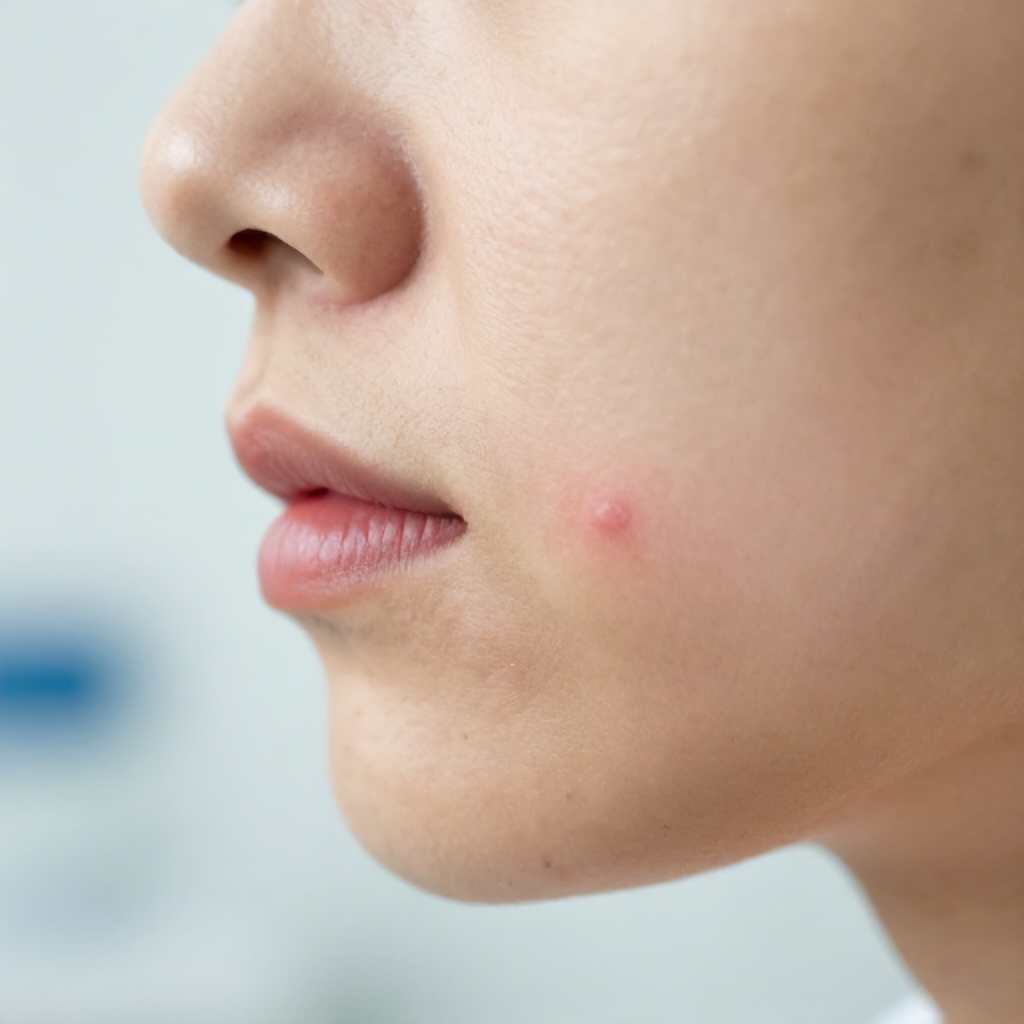
Cystic acne is a deep-seated form of acne vulgaris that requires a targeted, gentle approach to minimize scarring and reduce pain. Unlike surface-level breakouts, these lesions form deep within the skin, often resulting in painful, red, and swollen bumps that do not come to a head. Managing this condition effectively involves a combination of medical intervention, consistent skincare habits, and lifestyle adjustments designed to calm the inflammatory response.

Understanding the Mechanics of Cystic Acne
Cystic acne occurs when a combination of excess sebum production, dead skin cells, and bacteria traps debris deep inside the hair follicle. This creates a significant blockage that triggers a robust immune response. Because the infection is buried beneath the surface, the body sends white blood cells to the area, which leads to the characteristic facial redness, swelling, and tenderness associated with these inflammatory skin conditions.
Why Traditional Spot Treatments Often Fail
Many over-the-counter drying agents are designed for surface-level comedones, pustules, or papules. These products work by stripping oil from the top layer of the skin. When applied to a deep cyst, they often cause irritation and dryness without ever reaching the source of the infection. Relying on harsh astringents can damage your skin barrier health, making the area more susceptible to further bacterial infection and prolonged healing times.
The Role of Hormones and Genetics
Hormonal acne is a common driver for many adults. Fluctuations in androgen levels can signal the sebaceous glands to produce more oil than the pores can process. While you cannot change your genetic predisposition to these breakouts, understanding that your skin is reacting to internal signals helps remove the guilt often associated with persistent acne. Recognizing this as a medical condition rather than a failure of hygiene is the first step toward effective acne management.
Immediate Steps for Managing Active Lesions
When you feel a deep, painful bump forming, your primary goal should be to reduce inflammation rather than force the lesion to open. Picking, squeezing, or attempting to drain a cyst almost always pushes the infection deeper into the dermis. This behavior significantly increases the risk of permanent pitting or hyperpigmentation.
- Apply a cold compress for ten minutes to constrict blood vessels and reduce swelling.
- Use a hydrocolloid patch designed for deep acne to protect the area from bacteria and prevent accidental touching.
- Switch to a non-comedogenic, fragrance-free moisturizer to keep the skin hydrated while the inflammation subsides.
- Avoid heavy makeup or thick concealers that might further clog the pore and trap bacteria.
The Importance of Temperature Therapy
Ice is a simple, effective tool for calming the intense heat of a new cyst. Wrap a clean ice cube in a thin paper towel and hold it against the skin for short intervals. This helps manage the pain and reduces the visible size of the bump by slowing down the inflammatory response. Conversely, avoid heat, as it can sometimes increase blood flow to the area and make the redness more pronounced.
Professional Dermatological Treatment Options
Because cystic acne carries a high risk of scarring, seeking a dermatological consultation is often necessary. A professional can assess the severity of your acne and determine if prescription-strength therapeutic intervention is required. Waiting too long to seek help can lead to long-term changes in skin texture that are much harder to treat than the active breakouts themselves.
Prescription Topical Medications
Dermatologists often prescribe retinoids, which are derivatives of vitamin A. These medications work by increasing cell turnover, which prevents dead skin cells from clumping together and clogging pores. While they are highly effective, they require patience. It can take several weeks for the skin to adjust, and you may experience a period of purging before seeing improvements in your overall skin health.
Systemic Treatments for Severe Cases
In cases where topical medication is insufficient, doctors may suggest oral antibiotics to reduce the bacterial infection from the inside out. For hormonal acne, certain oral contraceptives or anti-androgen medications can help regulate the oil production that fuels the cycle of breakouts. These options require regular monitoring by a healthcare provider to ensure safety and efficacy.
Building a Gentle Skincare Regimen
A consistent, minimalist routine is far superior to a complex one when dealing with active breakouts. Your skin is already in a state of high stress, so the goal is to provide stability. Avoid products with high concentrations of alcohol, menthol, or essential oils, as these can trigger further irritation and disrupt the protective layer of your skin.
Cleansing Without Stripping
Choose a pH-balanced, gentle cleanser that removes dirt and excess oil without leaving your face feeling tight or squeaky. If your skin feels tight after washing, your cleanser is likely too harsh. A healthy skin barrier is essential for recovery, and over-cleansing can lead to a compensatory increase in oil production, which only worsens pore congestion.
The Role of Moisturizer
Many people with oily or acne-prone skin skip moisturizer, fearing it will lead to more breakouts. This is a mistake. When the skin is dehydrated, it produces more oil to compensate, which can lead to more clogs. Use a lightweight, oil-free moisturizer that contains soothing ingredients like ceramides or niacinamide to support the skin barrier while you treat the acne.
Lifestyle Factors and Breakout Prevention
While skincare is vital, your daily habits also influence the frequency and severity of your breakouts. Managing stress, getting adequate sleep, and maintaining a balanced diet can all contribute to a calmer complexion. While no single food causes acne for everyone, some individuals find that high-glycemic foods or dairy can trigger inflammation in their specific case.
Environmental Hygiene
Bacteria thrive on surfaces that touch your face daily. Change your pillowcases at least twice a week, and wipe down your phone screen regularly. These small, practical changes prevent the reintroduction of bacteria to your skin, which is a common cause of recurring acne lesions.
Managing Stress and Sleep
High stress levels trigger the release of cortisol, a hormone that can stimulate sebaceous glands. Prioritizing sleep and finding ways to manage daily pressures can have a measurable impact on your skin. Think of sleep as the time when your body performs its most important repair work, including the healing of epidermal health and the reduction of systemic inflammation.
Long-Term Strategies for Skin Texture Recovery
Once the active cysts have healed, you may be left with residual redness or uneven skin texture. Patience is the most important part of this phase. Avoid aggressive scrubs or chemical peels, which can cause more damage to the healing tissue. Instead, focus on gentle exfoliation and sun protection.
Sun Protection is Non-Negotiable
Sun exposure darkens acne scars and makes them last significantly longer. Use a broad-spectrum, non-comedogenic sunscreen every single day, even when it is cloudy. Protecting your skin from UV rays allows the body to focus its energy on repairing the damage caused by the acne lesions rather than repairing sun damage.
When to Revisit Your Dermatologist
If your current routine is not yielding results after three months, return to your dermatologist. Acne management is rarely a one-size-fits-all process. It often requires adjusting dosages, switching to different active ingredients, or exploring new combinations of treatments. Keep a simple log of your products and any changes you notice to help your provider make informed decisions about your care.
Common Myths to Avoid
There is a lot of misinformation regarding acne that can lead to ineffective or harmful practices. Believing these myths often delays proper treatment and can lead to unnecessary frustration. Focus on evidence-based practices rather than anecdotal advice found on social media.
- Myth: Acne is caused by poor hygiene. Fact: Cystic acne is a medical condition related to hormones and genetics, not a lack of washing.
- Myth: You can scrub the acne away. Fact: Scrubbing causes micro-tears and increases inflammation, making the acne worse.
- Myth: Toothpaste is a good spot treatment. Fact: Toothpaste contains ingredients that can cause chemical burns and severe irritation on sensitive skin.
- Myth: Tanning clears acne. Fact: Tanning only masks redness temporarily and causes long-term damage that makes scars harder to treat.
The Danger of DIY Remedies
While natural ingredients like tea tree oil or honey have some antimicrobial properties, they are not standardized and can be highly irritating for someone with cystic acne. When you are dealing with deep, inflammatory lesions, it is safer to stick to products that have been tested for safety and efficacy. If you choose to use natural remedies, always perform a patch test on your inner arm first to ensure you do not have an adverse reaction.
Final Thoughts on Consistency
Managing cystic acne is a marathon, not a sprint. You will have days where your skin looks better and days where a new cyst appears. This is a normal part of the process. By sticking to a gentle, consistent routine and working closely with a professional, you can reduce the frequency of breakouts and protect your skin from long-term damage. Focus on the health of your skin barrier, listen to your body, and give yourself grace as you find the combination of treatments that works for your unique needs.
Remember that your skin does not define your worth. While the physical pain and appearance of cystic acne are difficult to manage, they are temporary. With the right approach to acne management, you can regain control and support your skin in its natural healing process. Stay consistent with your topical medications, protect your skin from the sun, and prioritize your overall well-being to give your skin the best possible environment to recover.
If you notice signs of infection that go beyond the skin, such as fever or spreading redness, seek medical attention immediately. While rare, severe acne can sometimes lead to complications that require systemic intervention beyond standard dermatological care. Always prioritize your overall health, and do not hesitate to reach out to a professional if you feel overwhelmed by the process of treating your skin.
The journey to clear skin is often about finding the right balance between active treatment and gentle care. By avoiding the temptation to over-treat and focusing on long-term skin barrier health, you are setting yourself up for the best possible outcome. Keep your routine simple, stay patient with your progress, and trust the process of healing your skin from the inside out.