Managing acne-prone skin requires a consistent approach that balances oil control with skin barrier protection rather than simply drying out every blemish. Effective skincare routines focus on removing excess sebum production while keeping the complexion hydrated enough to prevent irritation and inflammation. When skin becomes too dry, it often compensates by producing even more oil, which leads to more clogged pores and stubborn breakouts.
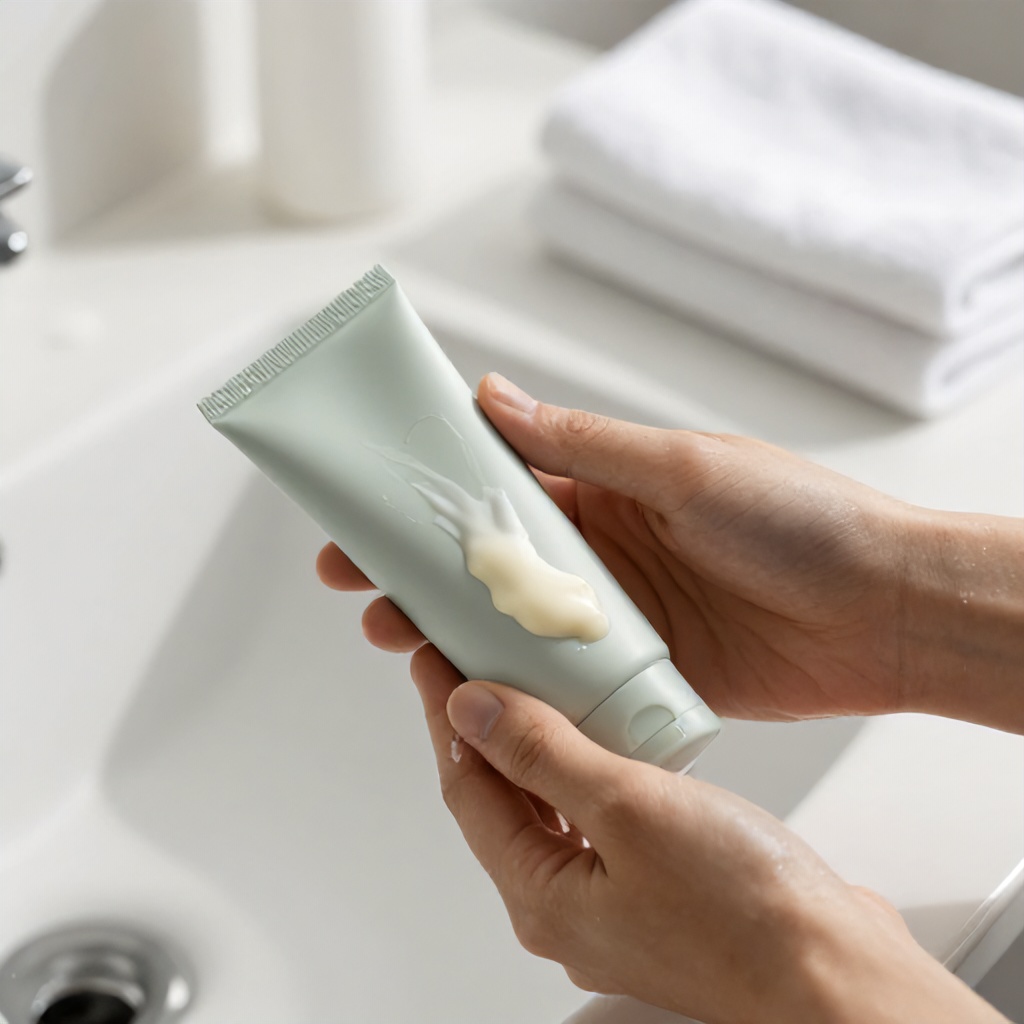
Building a Foundation with Cleansing
The first step in any routine for acne-prone skin is a gentle cleansing process. You want to remove dirt, pollutants, and makeup without stripping the natural oils that keep your face healthy. Harsh soaps often trigger redness and exacerbate existing pimples.
Selecting the Right Cleanser
Look for labels that specify non-comedogenic formulas. These products are specifically tested to ensure they do not clog pores, which is essential for preventing blackheads and whiteheads. If you have oily skin, a foaming gel cleanser might feel refreshing, but those with combination skin or sensitive skin often fare better with a creamy, pH-balanced wash.
- Avoid fragranced soaps that can cause contact dermatitis.
- Use lukewarm water instead of hot water to prevent moisture loss.
- Pat your face dry with a clean towel rather than rubbing the skin.
Targeted Treatments for Active Breakouts
Topical treatments serve as the heavy lifters in your routine. These products contain active ingredients designed to penetrate pores, kill bacteria, or speed up cell turnover. Consistency matters more than the strength of the product, as high concentrations often lead to peeling and discomfort.
Active Ingredients to Watch
Salicylic acid remains a staple for clearing out debris inside the pore. It is oil-soluble, meaning it reaches deep into the follicle to dissolve the gunk that causes congestion. Benzoyl peroxide works differently by targeting the bacteria responsible for inflammatory acne, though it can bleach fabrics and cause dryness.
- Apply a thin layer of treatment to the entire affected area rather than just a single spot.
- Start by using these products every other night to see how your skin reacts.
- Monitor for excessive redness or flaking that signals a damaged skin barrier.
The Role of Retinoids in Acne Prevention
Retinoids are arguably the most effective long-term acne solutions available. These vitamin A derivatives work by regulating cell turnover, preventing dead skin cells from clumping together and plugging up your pores. Beyond managing current breakouts, they are excellent for fading acne scars and improving the appearance of hyperpigmentation left behind by old blemishes.
Incorporating a retinoid requires patience. Many users experience a purging phase where the skin looks worse before it looks better. This is a normal part of the process as the product brings hidden congestion to the surface. Stick with it for at least twelve weeks to see real results.
Moisturizing Without Clogging Pores
A common mistake involves skipping moisturizer because of oily skin. Dehydrated skin often produces more sebum to compensate, which creates a cycle of oiliness and breakouts. You need a lightweight, oil-free moisturizer that provides hydration without adding heaviness to your face.
Ingredients for Barrier Support
Look for humectants like hyaluronic acid or glycerin. These ingredients pull moisture from the air into the skin without feeling greasy or heavy. Ceramides are another great addition, as they help repair the skin barrier, which is often compromised by acne treatments like benzoyl peroxide or prescription retinoids. A healthy barrier keeps inflammation down and helps your skin heal faster from active pimples.
Sun Protection for Acne-Prone Skin
Sun exposure makes acne scars and hyperpigmentation much darker and harder to treat. You must wear sunscreen every single day, even when it is cloudy outside. Finding a sunscreen that does not cause breakouts can be a challenge, but modern formulations have come a long way.
- Seek out mineral sunscreens containing zinc oxide or titanium dioxide, which are generally less irritating.
- Check the packaging for the non-comedogenic label to ensure the formula is safe for your pores.
- Use a powder-based sunscreen for easy reapplication throughout the day.
Exfoliation Best Practices
Exfoliating helps remove the top layer of dead skin cells that can trap bacteria and oil. However, over-exfoliation is a frequent cause of redness and sensitivity. Chemical exfoliants are generally safer and more effective than physical scrubs, which can create micro-tears in the skin and spread bacteria across your face.
Alpha hydroxy acids, such as glycolic or lactic acid, work on the surface to brighten the skin. Beta hydroxy acids, like salicylic acid, work inside the pore. You rarely need both at the same time. Pick one that addresses your primary concern and use it sparingly, perhaps two or three times a week.
Managing Expectations and Professional Help
Skincare is not an overnight fix. It takes time for your skin to adjust to new products and for the life cycle of a breakout to stop. If you find that your acne is persistent, painful, or leaving deep scars, it is time to see a dermatologist. There are many prescription-strength acne treatments that can manage cases that over-the-counter products simply cannot touch.
A professional can also help you identify if your breakouts are hormonal or triggered by specific lifestyle factors. Sometimes, the best approach involves a combination of topical medication and internal adjustments. Do not feel discouraged if your first attempt at a routine does not provide perfect results immediately. Adjusting your products based on how your skin feels is a normal part of the process.
Common Mistakes to Avoid
Many people fall into the trap of trying too many new products at once. When you introduce five new items at the same time, you have no way of knowing which one is causing a breakout or which one is actually working. Introduce one new product every two weeks to monitor your skin’s reaction properly.
Another frequent issue is touching the face or picking at blemishes. This habit introduces new bacteria to the area and almost always leads to deeper inflammation and longer-lasting acne scars. If you struggle with this, consider using hydrocolloid patches. These small, clear stickers cover the pimple, protect it from your fingers, and help absorb excess fluid, which speeds up the healing process significantly.
Lifestyle Factors and Acne
While topical products are essential, your environment and habits play a role in breakout control. Dirty pillowcases collect oil and bacteria that transfer back onto your skin every night. Change your pillowcase at least once a week to keep your face clean. Similarly, sanitize your phone screen frequently, as it spends the day accumulating bacteria that end up pressed against your cheek during calls.
Dietary triggers vary wildly from person to person. While there is no universal acne diet, some people find that reducing high-glycemic foods or dairy helps minimize inflammation. Pay attention to your own patterns. If you notice a correlation between certain habits and your skin’s condition, making small changes can support the work you are doing with your topical products.
Maintaining a Simple Routine
The most successful routines are the ones you can actually stick to every single day. If your regimen involves ten steps, you are more likely to skip it when you are tired. A simple routine consisting of a cleanser, a treatment, a moisturizer, and a sunscreen is often more effective than a complex one. Consistency is the secret to clear skin. Focus on high-quality ingredients that support your skin barrier and give your products the time they need to work. Your skin will thank you for the patience and the gentle care.