Pimples, Boils, and Cystic Acne: What’s the Difference and How to Deal
Understanding the different types of acne is the first step to effectively treating it. While many people think of acne as just a few red bumps, it actually comes in several forms, each with its own characteristics and treatment approaches. Knowing whether you’re dealing with a common pimple, a more stubborn boil, or deep cystic acne can make a huge difference in finding relief and preventing future breakouts.
The Basics: What Causes Acne?
At its core, acne happens when hair follicles (pores) in your skin become clogged. This clogging is usually due to a combination of oil (sebum) produced by your skin, dead skin cells, and sometimes bacteria. When these elements get trapped, they can lead to inflammation, resulting in those familiar bumps.
Several factors can contribute to acne development:
- Hormonal changes: Fluctuations, especially during puberty, menstruation, pregnancy, and menopause, can increase oil production.
- Genetics: If your parents had acne, you’re more likely to experience it too.
- Certain medications: Some drugs, like corticosteroids or those containing lithium, can trigger acne.
- Diet: While the link is still debated, some studies suggest that high-glycemic foods and dairy might play a role for some individuals.
- Stress: Stress doesn’t directly cause acne, but it can worsen existing breakouts by increasing inflammation and oil production.
Common Pimples: The Everyday Breakout
When most people say “acne,” they’re often thinking of the common pimple. These are generally the mildest form of acne and are usually found on the face, neck, chest, and back.
Whiteheads
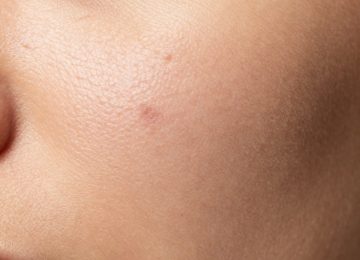
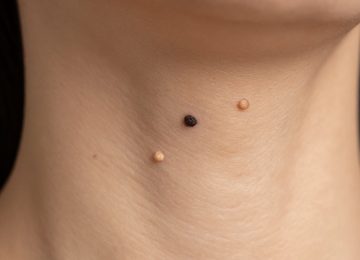
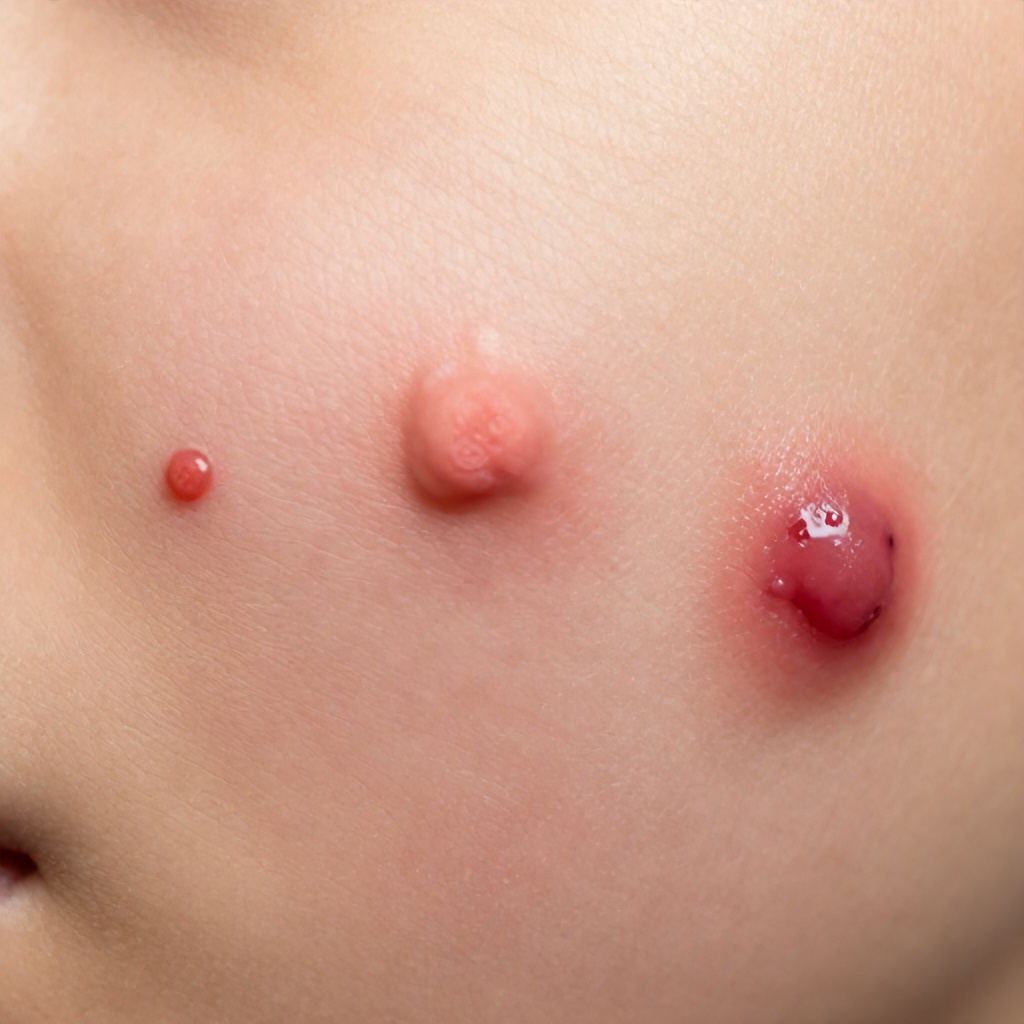
Whiteheads, also known as closed comedones, occur when a pore becomes completely blocked with sebum, dead skin cells, and bacteria. The trapped material forms a small, white or yellowish bump. The skin over the pore is closed, hence “closed comedone.” They’re non-inflammatory, meaning they don’t typically cause significant redness or swelling.
Blackheads
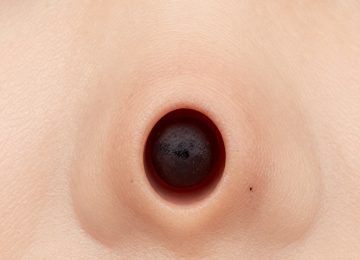
Blackheads, or open comedones, are similar to whiteheads in that they involve a clogged pore. However, the pore remains open at the surface of the skin. The dark color isn’t dirt; it’s the result of the trapped sebum and dead skin cells oxidizing when exposed to air. Think of it like an apple turning brown after you cut it.
Treating Common Pimples
For most common pimples, over-the-counter (OTC) treatments are often effective. These typically work by reducing oil production, speeding up skin cell turnover, or fighting bacteria.
Key ingredients to look for in OTC products include:
- Salicylic acid: This beta-hydroxy acid (BHA) is oil-soluble, meaning it can penetrate deep into pores to unclog them and exfoliate dead skin cells. It’s great for both whiteheads and blackheads.
- Benzoyl peroxide: This ingredient kills acne-causing bacteria (Propionibacterium acnes) and helps to reduce inflammation. It can be drying, so start with a lower concentration.
- Retinoids (like adapalene): These vitamin A derivatives help to prevent pores from becoming clogged by increasing cell turnover. Adapalene is available OTC in some formulations.
Gentle cleansing twice a day, avoiding touching or picking at pimples, and using non-comedogenic (won’t clog pores) skincare products are also essential. If OTC treatments aren’t clearing things up after several weeks, it’s time to consider prescription options or consulting a dermatologist.
Boils: Deeper, More Painful Infections
Boils are different from typical pimples because they are a bacterial infection of a hair follicle. They are generally deeper, more painful, and more localized than common acne. Boils are often caused by Staphylococcus aureus bacteria.
What a Boil Looks Like
A boil typically starts as a small, red, tender lump under the skin. Over time, it fills with pus and can grow quite large. The characteristic “head” of a boil is a visible collection of pus that may eventually rupture and drain. They can appear anywhere on the body where there are hair follicles, but are common on the face, neck, armpits, buttocks, and thighs.
Key differences from common pimples:
- Cause: Primarily bacterial infection of a hair follicle, not just a clogged pore.
- Pain: Usually much more painful and tender than a standard pimple.
- Size and Depth: Tend to be larger and deeper, forming a distinct lump.
- Pus: A significant collection of pus is characteristic.
Treating Boils
For small, early boils, warm compresses can be very effective. Applying a warm, moist cloth to the boil for 10-15 minutes several times a day can help it come to a head and drain naturally. This also helps to reduce pain and inflammation.
It’s crucial NOT to try to pop or squeeze a boil. Doing so can push the infection deeper into the skin, spread it to other areas, and lead to more serious complications or scarring.
If a boil is:
- Very large or painful
- Located on your face (especially near the nose or mouth)
- Not improving after a week of home care
- Accompanied by fever or other signs of infection (like red streaks spreading from the boil)
You should seek medical attention. A doctor may need to drain the boil surgically or prescribe antibiotics to clear the infection.
Cystic Acne: The Deepest, Most Severe Form
Cystic acne is the most severe type of acne and involves deep, painful, inflamed lesions. These occur when the infection and inflammation extend deep into the skin, forming large, pus-filled cysts.
Characteristics of Cystic Acne
Cystic acne lesions are:
- Deep: They form far below the skin’s surface, making them feel like hard lumps.
- Painful: The inflammation causes significant tenderness and pain.
- Inflamed: They appear red and swollen.
- Large: Cysts can be the size of a pea or even larger.
- Scarring potential: Due to their depth and inflammation, cystic acne is highly prone to causing permanent scarring.
Unlike surface pimples, cystic acne often doesn’t have a visible “head.” The inflammation is the primary characteristic. It can appear on the face, but is also common on the chest, back, shoulders, and even the scalp.
Treating Cystic Acne
Cystic acne almost always requires professional medical treatment because OTC products are generally not strong enough to penetrate deeply enough to be effective and can even irritate the inflamed skin further.
Dermatologists have several powerful tools to combat cystic acne:
- Prescription Retinoids: Stronger topical or oral retinoids can help regulate skin cell turnover and reduce inflammation.
- Antibiotics: Oral antibiotics (like doxycycline or minocycline) can help reduce bacteria and inflammation. They are usually prescribed for a limited time.
- Hormonal Therapies: For women, birth control pills or spironolactone can help regulate hormones that contribute to oil production.
- Isotretinoin (Accutane): This is a powerful oral retinoid reserved for severe, stubborn cystic acne. It is highly effective but requires close monitoring due to potential side effects.
- Corticosteroid Injections: For very large, painful cysts, a dermatologist can inject a corticosteroid directly into the lesion to rapidly reduce inflammation and pain. This is a temporary fix but can prevent scarring.
- Drainage and Extraction: In some cases, a dermatologist may carefully drain large cysts to relieve pressure and speed healing.
Managing cystic acne also involves a gentle, supportive skincare routine. Avoid harsh scrubs or products that can further irritate the skin. Focus on hydration and using products recommended by your dermatologist.
When to See a Doctor
It’s important to consult a dermatologist if:
- Your acne is severe, painful, or leaving scars.
- OTC treatments haven’t worked after several months.
- You suspect you have a boil that isn’t healing or is worsening.
- You experience sudden, severe acne, which could be a sign of an underlying medical condition.
A dermatologist can accurately diagnose the type of acne you have and create a personalized treatment plan to help you achieve clearer skin.