The Intricate Landscape of Your Nose Bridge
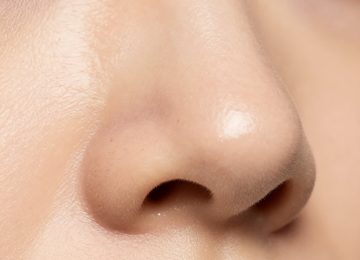
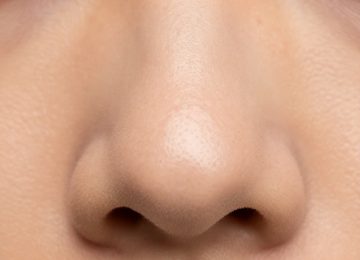
Your nose bridge is a surprisingly complex area of your face, and seeing it up close, with its visible pores and intricate skin texture, reveals a whole world of natural detail that’s often overlooked.
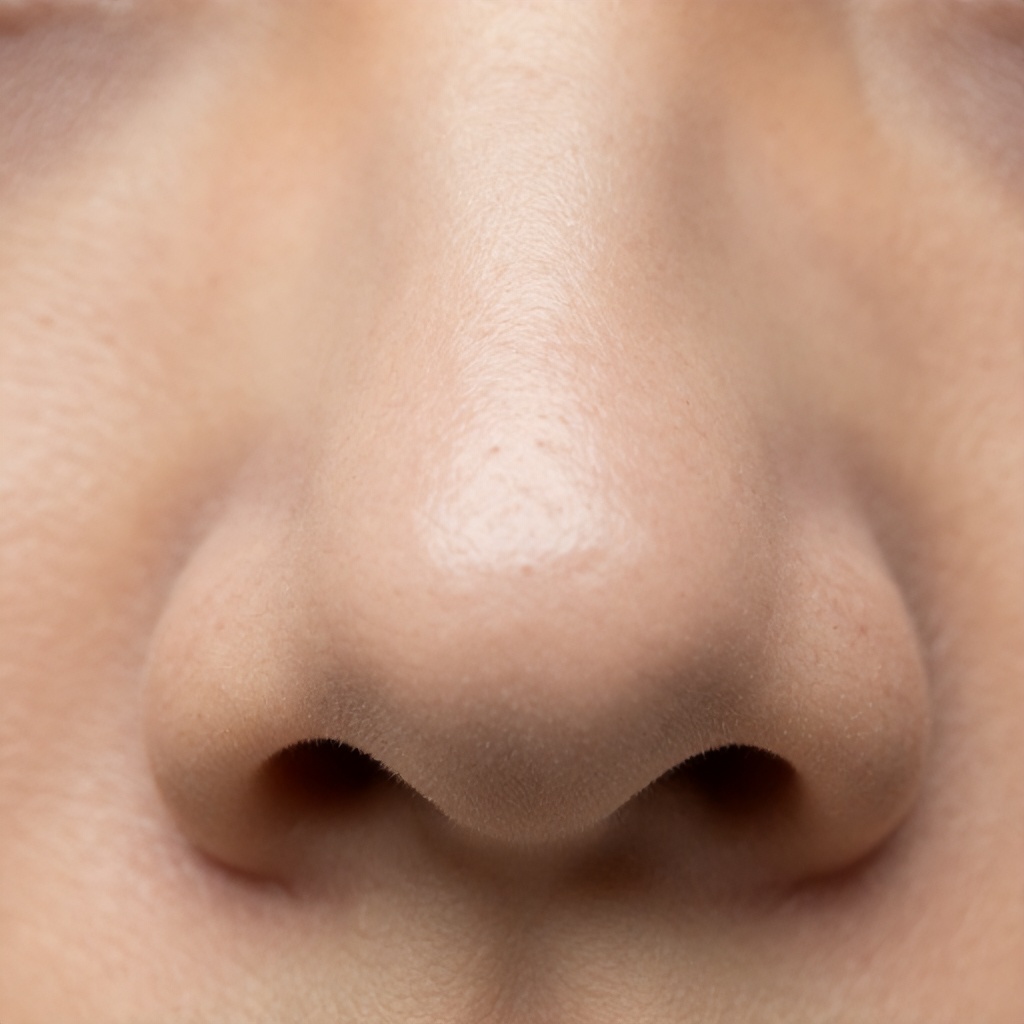
We spend a lot of time thinking about our skin, especially the parts we see most in the mirror. But sometimes, zooming in on a specific area, like the bridge of the nose, can offer a fascinating glimpse into how our skin actually works. It’s not about flaws; it’s about the incredible, realistic skin that makes up our human face.
Understanding the Anatomy of the Nose Bridge
The human nose bridge, that central ridge connecting your forehead to the tip of your nose, is composed of bone and cartilage, covered by skin. This skin is different from other areas of your face. It tends to be a bit thicker and, importantly, it’s rich in sebaceous glands.
These glands are responsible for producing sebum, an oily substance that helps to moisturize and protect the skin. While essential for healthy skin, the activity of these sebaceous glands directly influences the appearance of our pores. On the nose bridge, these glands are particularly active, which is why you’ll often notice more prominent pores here compared to, say, your cheeks or forehead.
The epidermis, the outermost layer of skin, is where we see the surface texture. This layer is constantly renewing itself, shedding dead skin cells. The dermis, beneath the epidermis, contains hair follicles, sebaceous glands, and blood vessels. All these elements contribute to the overall skin texture and how it appears, especially under magnification.
Visible Pores: More Than Just Holes
When we talk about visible pores on the nose bridge, we’re not talking about gaping holes. We’re talking about the natural openings of hair follicles and their associated sebaceous glands. These pores are tiny structures, and their visibility is influenced by several factors.
One of the main reasons pores appear larger is the amount of sebum produced. If sebaceous glands are very active, they can produce more oil, which can stretch the pore opening. This is especially common in areas like the nasal bridge, which has a high concentration of these glands. The presence of oil and dead skin cells can also accumulate within the pore, making it appear more noticeable.
Genetics play a significant role in pore size. Some people are naturally predisposed to having larger pores, and this is often more apparent on the nose and surrounding areas of the human nose. Age is another factor; as we get older, the collagen and elastin in our skin decrease, which can lead to pores appearing less supported and therefore more visible.
Close-up photography, especially macro photography, can exaggerate the appearance of pores. What looks like a significant feature in a high-detail image might be barely perceptible in everyday life. This clinical style of viewing skin detail can be educational, offering a dermatological view of our own facial anatomy.
Skin Texture: A Unique Fingerprint
Beyond pores, the skin texture on the nose bridge is a fascinating study in itself. It’s a landscape of subtle contours, fine lines, and variations in tone. This texture is a result of the skin’s structure, its hydration levels, and how it interacts with light.
For those with warm-toned skin, the subtle undertones can create a beautiful depth to the skin texture. The way light hits the raised areas and dips into the creases of the skin can highlight these nuances, creating a natural, realistic skin appearance. It’s this very texture that gives our skin its unique character.
Factors like hydration play a huge role. Well-hydrated skin tends to appear smoother, with less pronounced texture. Dehydrated skin, on the other hand, can look dull and emphasize fine lines and the overall skin surface irregularities. Environmental factors, such as sun exposure and pollution, also contribute to the long-term development of skin texture.
The combination of visible pores and the unique skin texture on the nasal bridge creates a complex and beautiful pattern. It’s a testament to the intricate design of the human face.
Caring for Your Nose Bridge: Practical Tips
Understanding the characteristics of your nose bridge’s skin can help you tailor your skincare routine. It’s not about eradicating pores, but about maintaining healthy, balanced skin.
Cleansing Effectively
A gentle yet effective cleansing routine is paramount. For the nose bridge, where sebum production is high, a cleanser that can help manage oil without stripping the skin is ideal. Look for ingredients like salicylic acid, which can penetrate pores and help to clear out excess oil and debris.
Twice-daily cleansing is generally recommended. In the morning, it helps to remove any oil that has accumulated overnight. In the evening, it’s essential for removing makeup, sunscreen, dirt, and pollutants that have settled on the skin throughout the day. A thorough cleanse can prevent pores from becoming clogged, which can make them appear larger and lead to breakouts.
Exfoliation for Smoother Skin
Regular exfoliation can significantly improve the appearance of skin texture and minimize the visibility of pores. Chemical exfoliants, such as alpha-hydroxy acids (AHAs) and beta-hydroxy acids (BHAs), are particularly effective.
BHAs, like salicylic acid, are oil-soluble and can work their way into the pores to dissolve blockages. AHAs, like glycolic acid and lactic acid, work on the surface of the skin to remove dead skin cells, revealing smoother, brighter skin underneath. Start with a low concentration and use it a few times a week, gradually increasing frequency as your skin tolerates it.
Physical exfoliants, like gentle scrubs, can also be used, but be cautious not to over-scrub, as this can irritate the skin and potentially worsen inflammation, making pores appear more prominent.
Hydration is Key
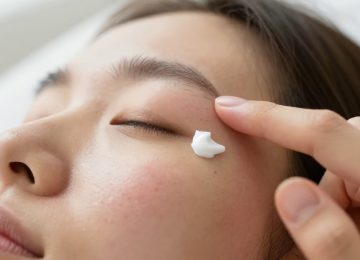
Even oily skin needs hydration. Skipping moisturizer can actually cause your skin to produce more oil to compensate for the dryness, leading to shinier skin and potentially more visible pores. Choose a lightweight, oil-free moisturizer that won’t clog pores.
Ingredients like hyaluronic acid are excellent for drawing moisture into the skin without adding heaviness. Applying moisturizer while the skin is still slightly damp after cleansing can help lock in hydration more effectively.
Sun Protection Every Day
Sun damage is a major contributor to premature aging and can worsen the appearance of pores and skin texture. The sun’s UV rays break down collagen and elastin, leading to sagging skin and enlarged pores. Consistent daily use of sunscreen with an SPF of 30 or higher is non-negotiable.
Opt for a broad-spectrum sunscreen that protects against both UVA and UVB rays. Many formulations are available, including those specifically designed for oily or acne-prone skin, which are often lightweight and non-comedogenic.
Consider Targeted Treatments
For persistent concerns about pore size or skin texture, there are targeted treatments available. Retinoids, both prescription and over-the-counter, are powerful ingredients that can help to regulate cell turnover, stimulate collagen production, and minimize the appearance of pores over time.
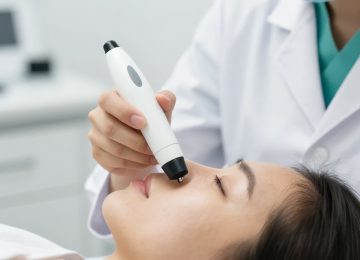
Professional treatments like chemical peels or microdermabrasion, performed by a dermatologist or licensed esthetician, can also address skin texture and pore concerns by removing layers of dead skin cells and stimulating skin regeneration. These can offer more dramatic results for those seeking to refine their skin surface.
The Beauty of Natural Skin Detail
Looking at a close-up of the human nose bridge, with its visible pores and detailed skin texture, isn’t about finding imperfections. It’s about appreciating the incredibly realistic and complex nature of our skin.
This skin surface is a living, breathing organ, constantly working to protect us. The sebaceous glands, the pores, the subtle variations in texture—they are all part of its natural function. Embracing this natural skin, with all its unique characteristics, is a powerful step towards a more confident and accepting relationship with our own bodies.
The high detail visible in macro photography highlights the intricate facial anatomy that makes each of us unique. Understanding the dermatological view of our epidermis and dermis allows us to care for our skin more effectively, celebrating its natural beauty rather than trying to erase it. The human nose, and specifically its bridge, is a perfect example of this detailed, natural artistry.