Your Comprehensive Skincare Routine: A Visual Guide
A consistent skincare regimen is the foundation for healthy, radiant skin. This guide breaks down your daily, weekly, and monthly skincare schedule into simple, actionable steps, perfect for creating your own beauty routines.
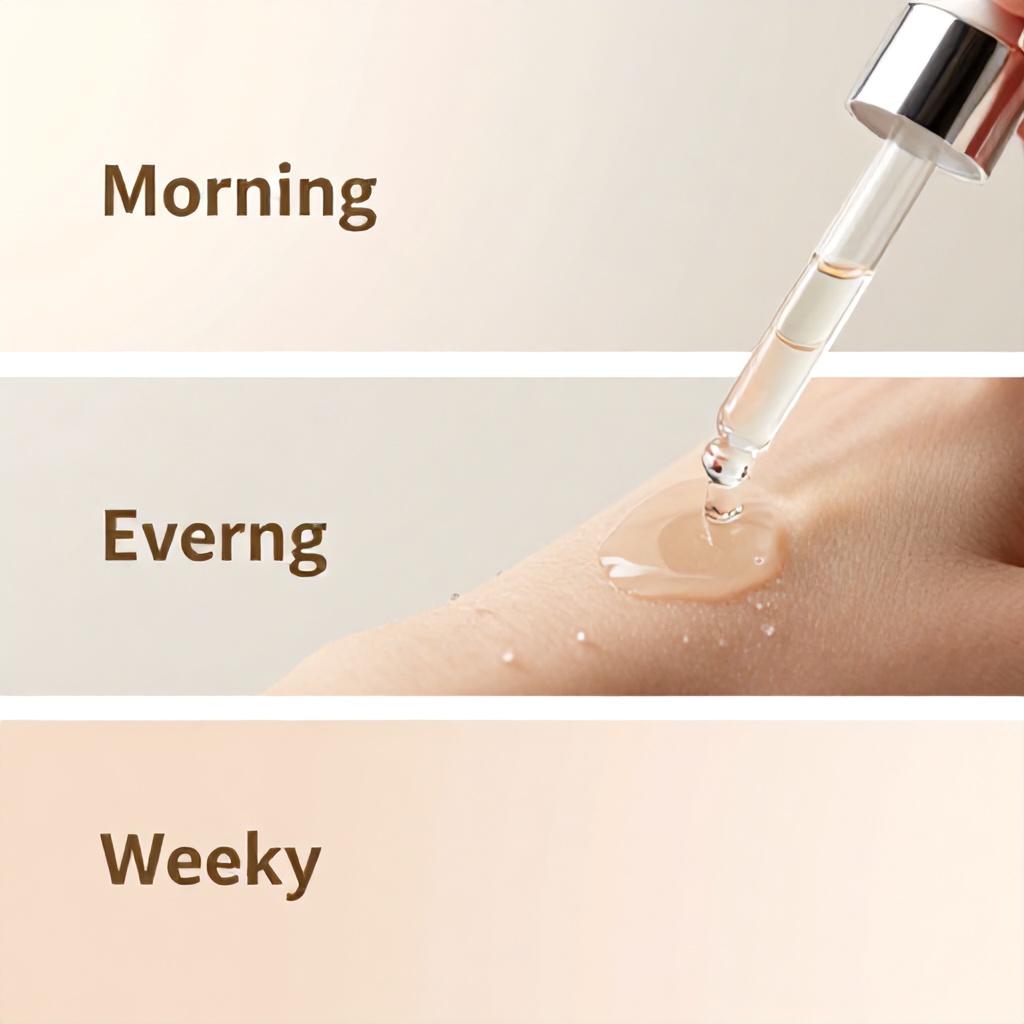
Morning Skincare: Prep for the Day
Your morning routine is all about protecting your skin from environmental stressors and preparing it for makeup, if you wear it. Think of it as a shield.
Step 1: Cleanse
Start with a gentle cleanser. In the morning, you don’t need to strip your skin of its natural oils. A quick rinse with lukewarm water or a mild, hydrating cleanser is usually enough. This removes any sweat or oil accumulated overnight.
Step 2: Tone (Optional)
A toner can help balance your skin’s pH and prep it for the next steps. Look for alcohol-free formulas that hydrate or offer specific benefits like soothing or mild exfoliation.
Step 3: Serum
This is where you target specific skin concerns. Vitamin C serums are fantastic for brightening and antioxidant protection against free radicals. Hyaluronic acid serums boost hydration. Apply a few drops and gently pat them into your skin.
Step 4: Eye Cream
The skin around your eyes is delicate. An eye cream can help hydrate, reduce puffiness, and address fine lines. Gently tap it on with your ring finger.
Step 5: Moisturize
Lock in all that goodness with a moisturizer suited to your skin type. If you have oily skin, opt for a lightweight gel or lotion. For drier skin, a richer cream will provide more nourishment. This step is vital for maintaining your skin barrier.
Step 6: Sunscreen
This is non-negotiable. Every single day. Apply a broad-spectrum SPF of 30 or higher. Sunscreen protects against UV damage, which causes premature aging, dark spots, and increases skin cancer risk. Make it the last step in your morning routine.
Evening Skincare: Repair and Renew
Your evening routine is dedicated to removing the day’s grime, treating your skin, and supporting its natural repair processes while you sleep. It’s a time for deeper treatment.
Step 1: Double Cleanse
This is key to thoroughly removing makeup, sunscreen, pollution, and excess sebum. Start with an oil-based cleanser or micellar water to break down oil-based impurities. Follow with a water-based or foaming cleanser to remove any remaining residue. This ensures a clean canvas for treatment.
Step 2: Exfoliate (1-3 times a week)
Exfoliation removes dead skin cells, revealing brighter, smoother skin. Choose between physical exfoliants (like scrubs with fine particles) or chemical exfoliants (AHAs like glycolic acid, or BHAs like salicylic acid). Don’t overdo it; listen to your skin.
Step 3: Tone (Optional)
Similar to the morning, a toner can rebalance and prep your skin. You might choose a hydrating toner or one with ingredients that complement your treatment serums.
Step 4: Treatment Serums
This is the prime time for potent active ingredients. Retinoids (like retinol or prescription tretinoin) are excellent for anti-aging, acne, and improving skin texture. Niacinamide can help with redness and pore appearance. Peptides support skin firmness. Apply these after cleansing and toning, but before heavier creams.
Step 5: Eye Cream
Continue to hydrate and treat the delicate eye area. You might use a richer eye cream at night.
Step 6: Moisturize
Seal in your treatments with a nourishing moisturizer. A richer cream at night can help support skin barrier repair and prevent moisture loss overnight. If you’re using retinoids, a good moisturizer is essential to combat potential dryness.
Step 7: Spot Treatment (As Needed)
If you have active breakouts, apply a targeted spot treatment directly onto the blemish after your moisturizer.
Weekly Skincare Recommendations
These treatments go a step beyond your daily routine to provide deeper care and address specific concerns. Incorporate them into your evening routine.
Masks
Face masks offer a concentrated dose of beneficial ingredients.
- Hydrating masks: Perfect for dry or dehydrated skin, often containing hyaluronic acid or ceramides.
- Clay masks: Great for oily or acne-prone skin, helping to absorb excess oil and unclog pores.
- Sheet masks: Convenient and come in a variety of formulations for hydration, brightening, or soothing.
Use them once or twice a week, depending on your skin’s needs and the mask’s intensity.
Deeper Exfoliation
If your skin tolerates it well, you might opt for a slightly stronger exfoliating treatment once a week, perhaps a peel or a more potent chemical exfoliant, in place of your regular exfoliation. Always patch test and introduce new products slowly.
Monthly Skincare Recommendations
These are less frequent treatments that can significantly impact your skin’s health and appearance over time. Think of them as tune-ups for your skin.
Professional Treatments
Consider visiting a dermatologist or licensed esthetician for professional skincare treatments.
- Facials: A professional facial can include deep cleansing, exfoliation, extractions, and specialized masks tailored to your skin type and concerns.
- Chemical Peels: Stronger than at-home peels, these can address issues like hyperpigmentation, fine lines, and acne scarring.
- Microdermabrasion: A mechanical exfoliation that removes the outer layer of skin, improving texture and tone.
- Laser Treatments: For more significant concerns like deep wrinkles, severe acne scars, or persistent hyperpigmentation.
The frequency of these treatments will vary greatly depending on the type of procedure and your skin’s response.
Skin Analysis
A monthly check-in with your skin can be beneficial. Note any changes, new concerns, or how your current products are performing. This allows you to adjust your skincare regimen as needed. Perhaps your skin is becoming drier in winter, or oilier in summer.
Product Inventory Check
Take a moment each month to review your skincare products. Are they still effective? Have they expired? Are you using them correctly? This ensures you’re getting the most out of your investment and not using compromised products.
Understanding Your Skin Type
Tailoring your skincare regimen to your specific skin type is paramount for achieving optimal results. Knowing your skin type helps you select the right products and treatments, making your entire beauty routine more effective.
Oily Skin
Characterized by excess sebum production, leading to a shiny complexion and a propensity for enlarged pores and breakouts. Morning and evening routines should focus on balancing oil without over-drying. Lightweight, oil-free, and non-comedogenic products are your best friends. Ingredients like salicylic acid can help manage oil and prevent clogged pores.
Dry Skin
Lacks sufficient moisture and oil, often appearing dull, tight, and prone to flakiness or irritation. Hydration is key. Opt for richer, cream-based cleansers and moisturizers containing ingredients like hyaluronic acid, ceramides, and glycerin. Avoid harsh, stripping cleansers and excessive heat when washing your face.
Combination Skin
Presents a mix of oily and dry or normal areas, typically oily in the T-zone (forehead, nose, chin) and dry or normal on the cheeks. This requires a balanced approach. You might use different products on different areas or choose multi-tasking products that cater to both oiliness and dryness. For example, a gentle cleanser followed by a lightweight moisturizer on the oily areas and a slightly richer one on the drier patches.
Normal Skin
Well-balanced, neither too oily nor too dry, with minimal imperfections. This skin type generally tolerates a wide range of products. The focus is on maintaining skin health and preventing future issues with a consistent, gentle routine that includes cleansing, moisturizing, and sun protection.
Sensitive Skin
Easily irritated, prone to redness, itching, or stinging in response to certain ingredients or environmental factors. Patch testing new products is essential. Look for fragrance-free, hypoallergenic, and minimalist formulas. Soothing ingredients like chamomile, centella asiatica (cica), and green tea can be beneficial. Avoid harsh physical exfoliants and strong chemical actives until you know how your skin reacts.
Product Application Tips
How you apply your skincare products can make a difference in their efficacy. Always apply products from thinnest to thickest consistency.
- Cleanser: Massage gently onto damp skin, then rinse thoroughly with lukewarm water.
- Toner: Apply with a cotton pad or pat directly onto the skin with clean hands.
- Serums: Dispense a few drops onto your fingertips and gently pat into the skin until absorbed.
- Eye Cream: Use your ring finger to gently tap the product around the orbital bone.
- Moisturizer: Apply a small amount and gently massage it into your face and neck using upward strokes.
- Sunscreen: Apply generously as the final step in your morning routine, ensuring even coverage.
Consistency is your greatest ally in achieving and maintaining healthy skin. This comprehensive guide provides a framework for a robust skincare regimen, but remember to listen to your skin and adjust as needed. A well-cared-for complexion is a beautiful thing, and it starts with a thoughtful, regular approach to facial care.