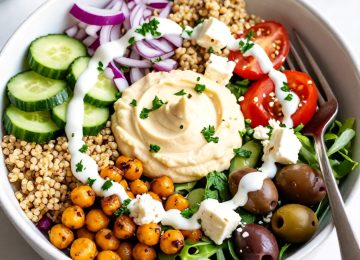
Packing a High-Protein Plant-Based Bento Box
You can pack a balanced and nutritious high-protein plant-based bento box loaded with 25 grams of protein by focusing on simple, prep-ahead ingredients. Preparing these lunches in advance makes your midday meal both fun and incredibly tasty for the entire week.
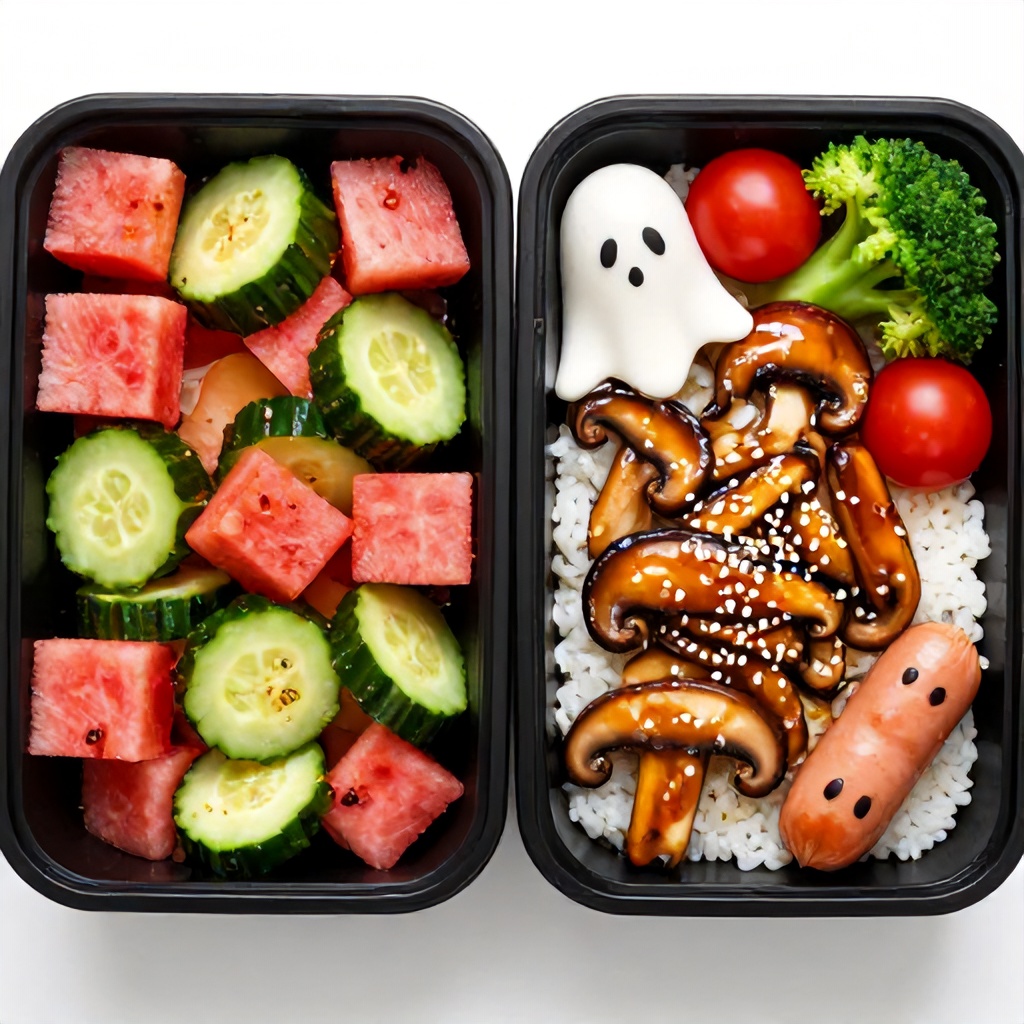
What is Bento?
A bento is a Japanese-style meal, often lunch, served in a compact container. These meals are visually appealing and focused on providing a means of a balanced and nutritious meal that you can take on the go. By using meal prep containers, you can organize your macronutrient portions effectively while keeping your ingredients fresh.
The Benefits of a Homemade Bento Lunch
Building a nutritious lunch at home allows you to visually construct a balanced meal. Between the portions you build and the colors you include, you may find it easier to incorporate a satisfying mix of carbohydrates, plant-based protein, fruits, and vegetables into each box. Making your own meals saves you money. Ordering a balanced meal out can be pricey, so preparing your own food is a smart way to manage your budget. Furthermore, you save on wasted packaging. Bringing your own food helps cut down on the paper and plastic waste associated with takeout, supporting a more sustainable eating lifestyle.
Plant-Based Bento Swaps
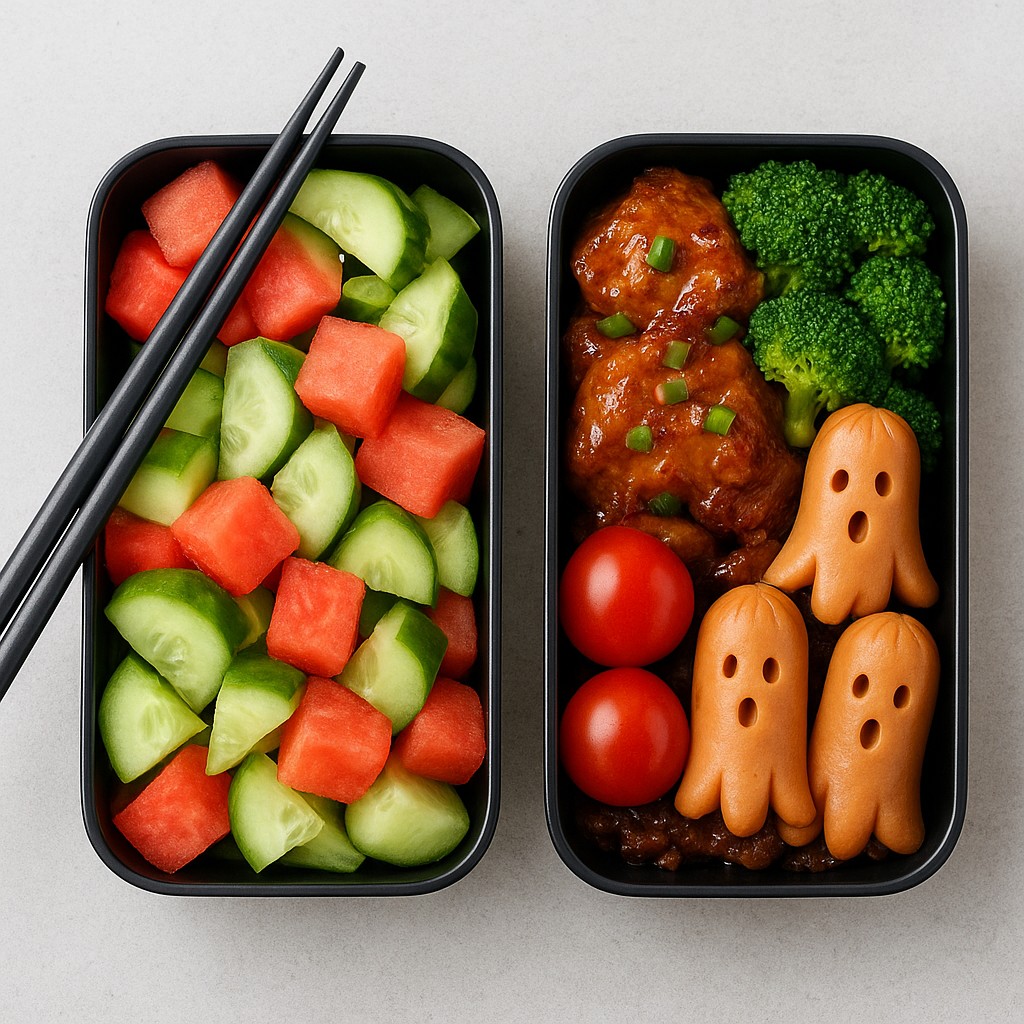
Traditional Japanese bento often uses items like eggs, sausage, chicken, and fish. If you want to experience that traditional look and feel while keeping your diet plant-focused, you simply need to make a few dietary swaps. There are many plant-based meat alternatives available today that make this transition easy.
For example, octopus shapes in Japanese bento are often made using small sausages. You can get that same nostalgia by using a plant-based hot dog instead. I prefer LightLife Plant-Based Hot Dogs because they are accessible and cook up beautifully, adding protein to your meal without the excess saturated fat found in regular sausages.
Plan a Protein-Packed Menu
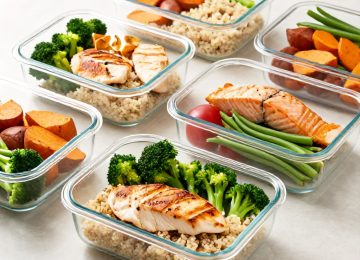
Packing a bento does not need to be a complicated process, especially if you focus on efficient food preparation. Meal prep extra proteins, grains, vegetables, and fruits in separate containers to use for quick healthy meal assembly. When building a protein-rich diet, consider including these elements to stay satisfied:
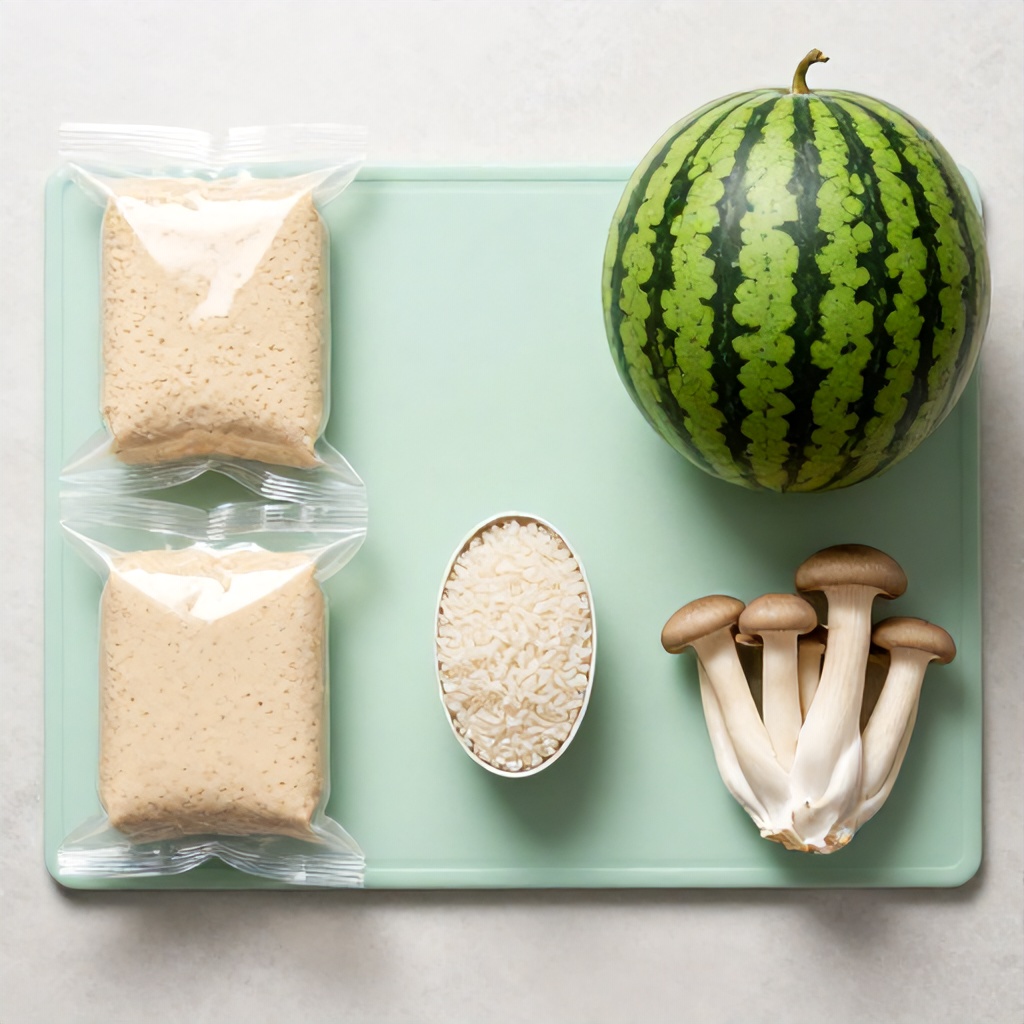
- Plant-based meat alternatives like sausages or deli slices
- Legumes such as chickpeas, black beans, or edamame
- Tofu, tempeh, or seitan
- Whole food ingredients like quinoa or brown rice
Expert Tips
If making the hotdog octopus using plant-based hot dogs, make sure to cut long enough legs. Cut the legs 2/3 into the hot dog. This will help make sure they slightly fan out when pan-seared. When cooking the plant-based hot dog, continue to rotate it every 1-2 minutes in the pan so it evenly cooks. Cook the mushrooms in a dry pan without oil first. Spreading them out in a pan to dry cook will help remove excess moisture and help them firm up in texture. Keep it simple. Some bento boxes can look overly elaborate, but it’s not necessary! You can keep it really simple and focus on the basics.
Frequently Asked Questions
Are bento boxes gluten-free?
It depends on the ingredients you choose to fill it with. If using ingredients like soy sauce or teriyaki sauce, make sure to read the labels and opt for gluten-free alternatives.
Do I need a traditional bento box to bento?
No! In fact, any airtight container you like can be used to create a beautiful bento presentation. You can use things like silicone cupcake liners to divide different sections of your container.
Are bentos meant to be eaten hot or cold?
Traditionally, bento boxes were prepared with the intention of being eaten at room temperature because they are often well-seasoned and taste better at this temperature. It is important to keep food safety in mind if enjoying at room temperature, so when packing the bento, add any hot foods to the bento and allow them to completely cool before sealing and storing in an insulated bag with some ice packs or in the fridge. For more food safety information, please see USDA recommendations.
Can I make any of these bento items ahead of time?
Rice balls are best when prepped with fresh rice. However, feel free to use leftover tofu rice as a rice bed for other bento meal ideas. The fruit salad, tofu rice, pre-cooked hot dogs, and steamed veggies can all be stored in separate airtight containers and enjoyed within 3 days.
Are bento boxes gluten-free?
It depends on the ingredients you choose to fill it with. If using ingredients like soy sauce or teriyaki sauce, make sure to read the labels and opt for gluten-free alternatives.
Do I need a traditional bento box to bento?
No! In fact, any airtight container you like can be used to create a beautiful bento presentation. You can use things like silicone cupcake liners to divide different sections of your container.
Are bentos meant to be eaten hot or cold?
Traditionally, bento boxes were prepared with the intention of being eaten at room temperature because they are often well-seasoned and taste better at this temperature. It is important to keep food safety in mind if enjoying at room temperature, so when packing the bento, add any hot foods to the bento and allow them to completely cool before sealing and storing in an insulated bag with some ice packs or in the fridge. For more food safety information, please see USDA recommendations.
Can I make any of these bento items ahead of time?
Rice balls are best when prepped with fresh rice. However, feel free to use leftover tofu rice as a rice bed for other bento meal ideas. The fruit salad, tofu rice, pre-cooked hot dogs, and steamed veggies can all be stored in separate airtight containers and enjoyed within 3 days.