
Understanding the Nature of Blackheads
Blackheads are open comedones that form when hair follicles become clogged with a combination of excess sebum and dead skin cells. Unlike whiteheads, which remain sealed beneath the surface of the skin, the opening of a blackhead stays exposed to the air. This exposure causes the trapped oil and debris to oxidize, turning a dark brown or black color. They are not caused by poor hygiene or dirt, so scrubbing your face aggressively will only lead to irritation rather than a clearer complexion.

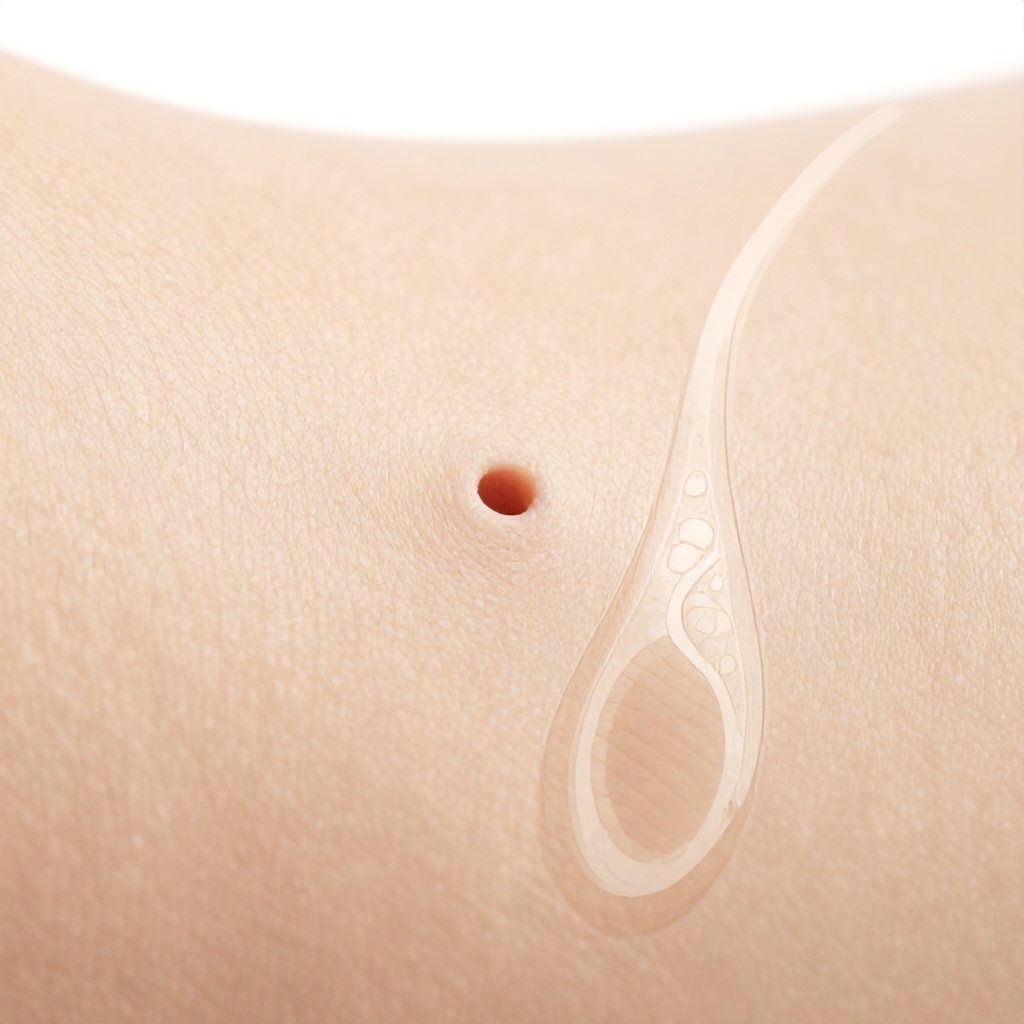
The skin produces oil through sebaceous glands to keep itself hydrated and protected. When this oil production goes into overdrive, or when skin cells do not shed properly, the pore becomes a trap. Genetics, hormonal fluctuations, and certain cosmetic ingredients play a significant role in how frequently these blockages occur. Recognizing that blackheads are a structural issue within the pore helps shift the focus from harsh physical removal to long-term management and prevention.
Chemical Exfoliation for Pore Maintenance
Salicylic acid stands out as the gold standard for treating blackheads because it is oil-soluble. This unique property allows the ingredient to penetrate deep into the pore lining, where it dissolves the glue holding dead skin cells and sebum together. By clearing the path for oil to flow freely to the surface, you prevent the initial formation of the plug. Start with a low concentration, such as a two percent formula, used two or three times a week to see how your skin reacts.
Alpha hydroxy acids, such as glycolic or lactic acid, work differently by exfoliating the surface of the skin. While they do not penetrate the pore as effectively as salicylic acid, they help remove the layer of dead cells that often traps oil inside. Combining these two types of acids can provide a comprehensive approach to smoothing skin texture. Be careful not to overdo it, as layering too many active ingredients can compromise your moisture barrier and lead to increased sensitivity.
Choosing the Right Acid Concentration
Beginners should always opt for lower percentages to avoid redness or flaking. If you have sensitive skin, look for products that include soothing agents like aloe or centella asiatica alongside the active acids. Consistency matters far more than intensity. Using a gentle exfoliant every other night is significantly more effective than using a harsh peel once a week and causing inflammation.
The Role of Retinoids in Texture Improvement
Retinoids are derivatives of vitamin A that accelerate cell turnover. By encouraging the skin to shed old cells more rapidly, they prevent the buildup that leads to clogged pores. This process also stimulates collagen production, which helps refine the appearance of pores over time. When pores are firm and healthy, they are less likely to stretch out and become visible.
Incorporating a retinoid requires patience. You might experience a period of adjustment where the skin feels dry or looks slightly flaky. This is often called the purging phase, where deep-seated congestion is pushed to the surface. Stick with it, as the long-term benefits for skin texture and clarity are well-documented. Apply a pea-sized amount to clean, dry skin at night, and always follow up with a moisturizer to support the skin barrier.
Physical Extraction Methods and Safety
Professional extractions performed by a licensed esthetician remain the safest way to clear stubborn, deep-seated blackheads. They use sterile tools and proper technique to remove the blockage without damaging the surrounding tissue. Attempting to squeeze blackheads at home often leads to broken capillaries, scarring, and the spread of bacteria, which can turn a small blackhead into an inflamed, painful pimple.
If you must manage a blackhead at home, wait until after a warm shower when the skin is soft. Use a clean, sanitized comedone extractor tool rather than your fingernails. Apply gentle, even pressure around the perimeter of the pore. If the blockage does not release easily, stop immediately. Forcing the issue will only cause trauma to the skin and potentially push the bacteria deeper into the follicle.
Oil Cleansing as a Preventative Habit
Oil cleansing is a highly effective method for dissolving the hardened sebum that forms blackheads. Because like dissolves like, a high-quality cleansing oil or balm can break down the oil-based impurities in your pores more effectively than a water-based cleanser alone. Massage the oil into dry skin for at least sixty seconds, focusing on areas prone to congestion like the nose and chin.
The massage action itself helps loosen debris, while the oil softens the plug. Follow this with a gentle water-based cleanser to remove any residue. This double-cleansing method is a staple in many routines because it leaves the skin feeling clean without stripping away essential moisture. It is particularly beneficial for those who wear heavy sunscreen or makeup, as these products can contribute to pore clogging if not removed thoroughly.
Clay Masks and Targeted Treatments
Clay masks act like a vacuum for the skin, absorbing excess oil and drawing out impurities from the surface of the pores. Kaolin and bentonite clays are popular choices for their ability to mattify the skin and refine texture. Use these masks once a week, specifically on the T-zone, to keep oil production in check.
Do not let clay masks dry until they crack. When a mask becomes too dry, it can start to absorb the natural moisture from your skin, leading to dehydration. Rinse the mask off while it is still slightly damp to the touch. This provides the benefits of the clay without compromising the integrity of your skin barrier.
Hydration and Barrier Protection
Many people make the mistake of drying out their skin in an attempt to get rid of blackheads. When the skin is dehydrated, it compensates by producing even more oil, which creates a cycle of increased congestion. Maintaining a healthy moisture barrier is essential for clear skin. Use a lightweight, non-comedogenic moisturizer that keeps the skin hydrated without adding heavy, pore-clogging waxes or oils.
Look for ingredients like hyaluronic acid, glycerin, and ceramides. These help lock in moisture and keep the skin supple. When the skin is properly hydrated, it functions more efficiently, shedding dead cells naturally and preventing the buildup that leads to blackheads. A balanced routine is the foundation of a smooth, clear complexion.
Lifestyle Factors and Skin Health
Dietary choices can influence skin health, though the connection is highly individual. Some people find that reducing high-glycemic foods or dairy helps minimize breakouts and congestion. Keeping a food diary can help you identify if certain triggers correlate with your skin issues. Focus on a diet rich in antioxidants, vitamins, and minerals to support overall skin function from the inside out.
Environmental factors also play a role. If you live in a humid climate, your skin may produce more oil, requiring more frequent cleansing. If you live in a dry climate, you may need to focus more on hydration to prevent the skin from overproducing oil in response to dryness. Adjust your routine based on the season and your specific environment to keep your skin in a state of balance.
Common Mistakes to Avoid
Avoid using pore strips. While they provide instant gratification by pulling out the top layer of the plug, they do not address the root cause of the blackhead. They can also be very harsh on the skin, causing irritation and potentially damaging the pore lining. Over time, frequent use of adhesive strips can lead to broken capillaries and increased sensitivity.
Do not use scrubs with jagged particles like walnut shells or apricot pits. These create micro-tears in the skin, which can lead to inflammation and make the skin more susceptible to bacteria. Opt for chemical exfoliants or soft, microfiber cloths if you prefer a physical element to your cleansing routine. Gentle care is always superior to aggressive scrubbing when it comes to long-term skin health.
Building a Consistent Routine
Consistency is the most important factor in managing blackheads. A routine that you follow every single day is better than an elaborate routine that you only do once a week. Start with a simple three-step process: cleanse, treat, and moisturize. Once your skin is accustomed to these steps, you can introduce more targeted treatments like masks or serums.
- Cleanse with a gentle, non-stripping cleanser every morning and evening.
- Apply a salicylic acid treatment to congested areas two to three times per week.
- Use a lightweight moisturizer to maintain the skin barrier.
- Apply sunscreen every morning, as sun damage can enlarge pores and make blackheads more visible.
- Incorporate a retinoid at night once your skin is ready for more advanced treatment.
The Importance of Sun Protection
Sunscreen is often overlooked in the context of blackheads, but it is vital. UV rays break down collagen and elastin, which are the structural proteins that keep pores tight and small. When these fibers weaken, pores appear larger and more prone to filling with debris. Choose a sunscreen labeled as non-comedogenic to ensure it will not clog your pores while providing the necessary protection.
Modern sunscreens come in a variety of textures, including gels and light lotions, which are perfect for oily or acne-prone skin. If you find that sunscreen makes you feel greasy, look for formulas with a matte finish. Protecting your skin from the sun is the best way to ensure that your pores remain firm and clear as you age.
Managing Expectations
It takes time to see results. Skin cells turn over roughly every 28 days, so you should give any new product or routine at least a month before deciding if it is working. Do not get discouraged if you do not see a change overnight. Skincare is a long-term commitment to the health of your skin, not a quick fix.
If you find that your blackheads are persistent despite a consistent routine, consider consulting a dermatologist. They can provide professional-grade treatments like chemical peels or prescription-strength retinoids that are more potent than over-the-counter options. They can also rule out other skin conditions that might mimic the appearance of blackheads, ensuring you are using the right approach for your specific needs.
Final Thoughts on Texture and Clarity
Improving skin texture is about more than just removing blackheads. It is about creating an environment where your skin can thrive. By focusing on gentle exfoliation, consistent hydration, and sun protection, you create a balanced complexion that looks and feels its best. Remember that everyone has pores, and they are a natural part of your skin anatomy. The goal is not to make them disappear, but to keep them clear and healthy.
Listen to your skin. If it feels tight, dry, or irritated, scale back on the active ingredients. If it feels oily and congested, you might need to be more diligent with your cleansing and exfoliation. Your skin is constantly changing, and your routine should be flexible enough to adapt to those changes. With patience and the right habits, you can achieve a smoother, clearer, and more radiant complexion.
Summary of Best Practices
- Prioritize oil-soluble exfoliants like salicylic acid for deep pore cleaning.
- Use retinoids to encourage cell turnover and prevent future blockages.
- Double cleanse in the evening to remove oil-based impurities and makeup.
- Avoid physical scrubs and harsh adhesive pore strips.
- Keep the skin hydrated to prevent excess oil production.
- Wear sunscreen daily to maintain pore structure and skin health.
- Be patient and consistent with your chosen routine.
By following these guidelines, you can effectively manage blackheads and improve your overall skin texture. Focus on the health of your skin barrier, and the aesthetic benefits will follow. Keep your routine simple, stay consistent, and enjoy the process of caring for your skin.